
Sirač
About this place
Sirač lies eight kilometres south of Daruvar, where the Bijela and Pakra rivers emerge from the Papuk and Ravna gora massifs. Recorded as Zirch in 1242, the settlement is dominated by the remains of its old fortress on the right bank of the Bijela. The stone stronghold occupies a gorge in central Sirač; its partly preserved northern wall measures four metres high, two metres thick and fourteen metres long. The 1908 Church of the Visitation of the Blessed Virgin Mary and the Sirač Defenders’ Park provide two further focal points. Elsewhere in the municipality are the ruins of Željnjak, the archaeological remains of the Benedictine monastery of St Margaret and the Pakra monastery complex. Quarrying and stoneworking have long shaped Sirač’s economy, while rivers and wooded foothills distinguish it from nearby spa-oriented Daruvar. A short visit works best as a compact historical walk through the centre, followed by the Bijela and the heritage sites towards Papuk.
Sirač developed beside the Bijela where the river leaves the Papuk massif, only eight kilometres south of Daruvar. The place appears as Zirch in a record from 1242, while the modern name Sirač is documented from 1390. Quarries, lime production and dolomite processing shaped its more recent economy, giving the settlement another link with stone beyond the fortress above the river. In the centre, its historical layers can be read between the Old Town remains, the Church of the Visitation of the Blessed Virgin Mary and the Defenders’ Park unveiled in 2005.
Things to see

Pakra Monastery
Landmark · Gornji Borki
Pakra Monastery, also known as Nova Pustinja, is an Orthodox monastery in the Pakra river canyon beneath the Papuk slopes.
8 km from Sirač

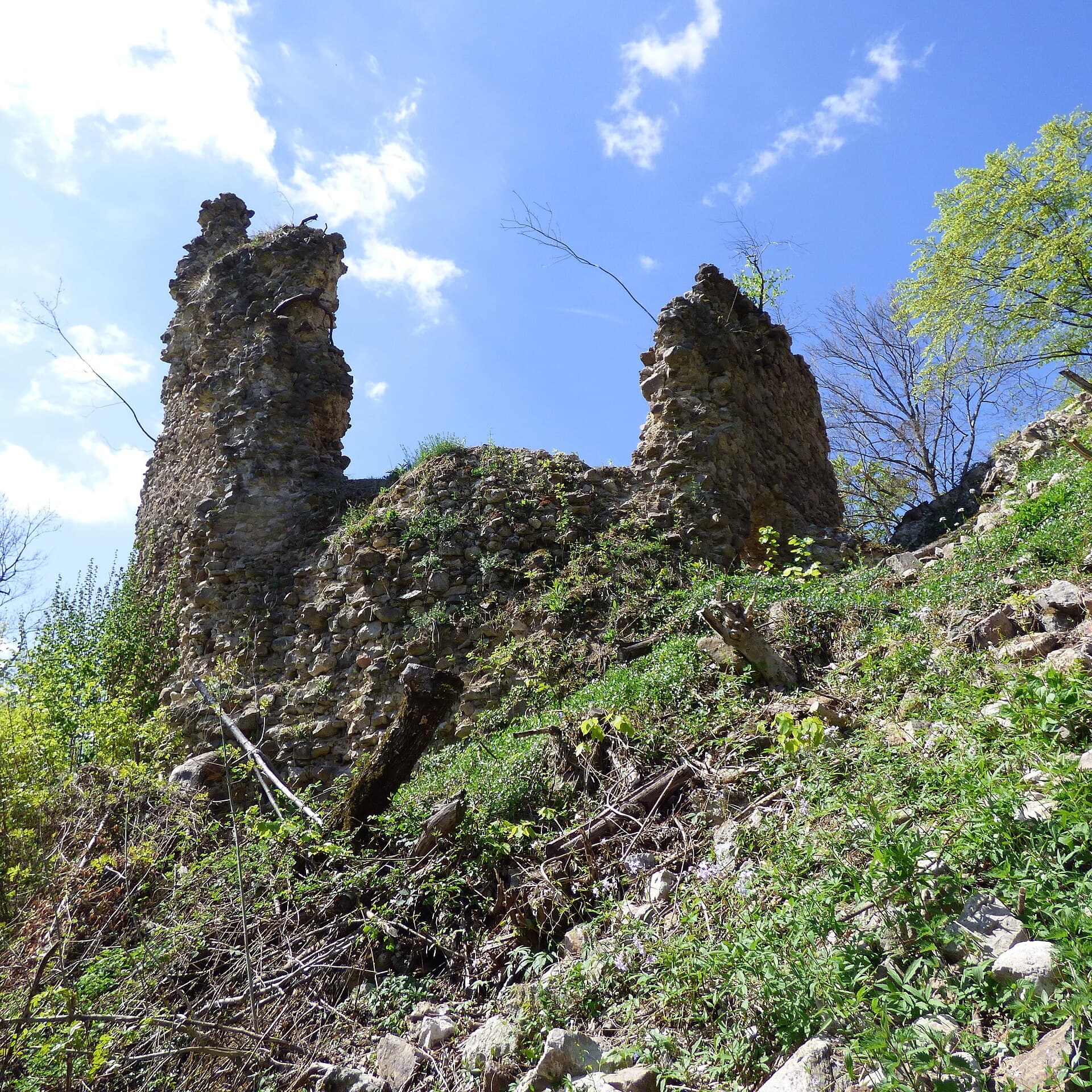

St. Anna monastery
Landmark · Donja Vrijeska
The Monastery of St Anne in Donja Vrijeska preserves a rare Gothic layer of western Slavonia’s sacred heritage.
15 km from Sirač
Stays further afield
- Holiday home
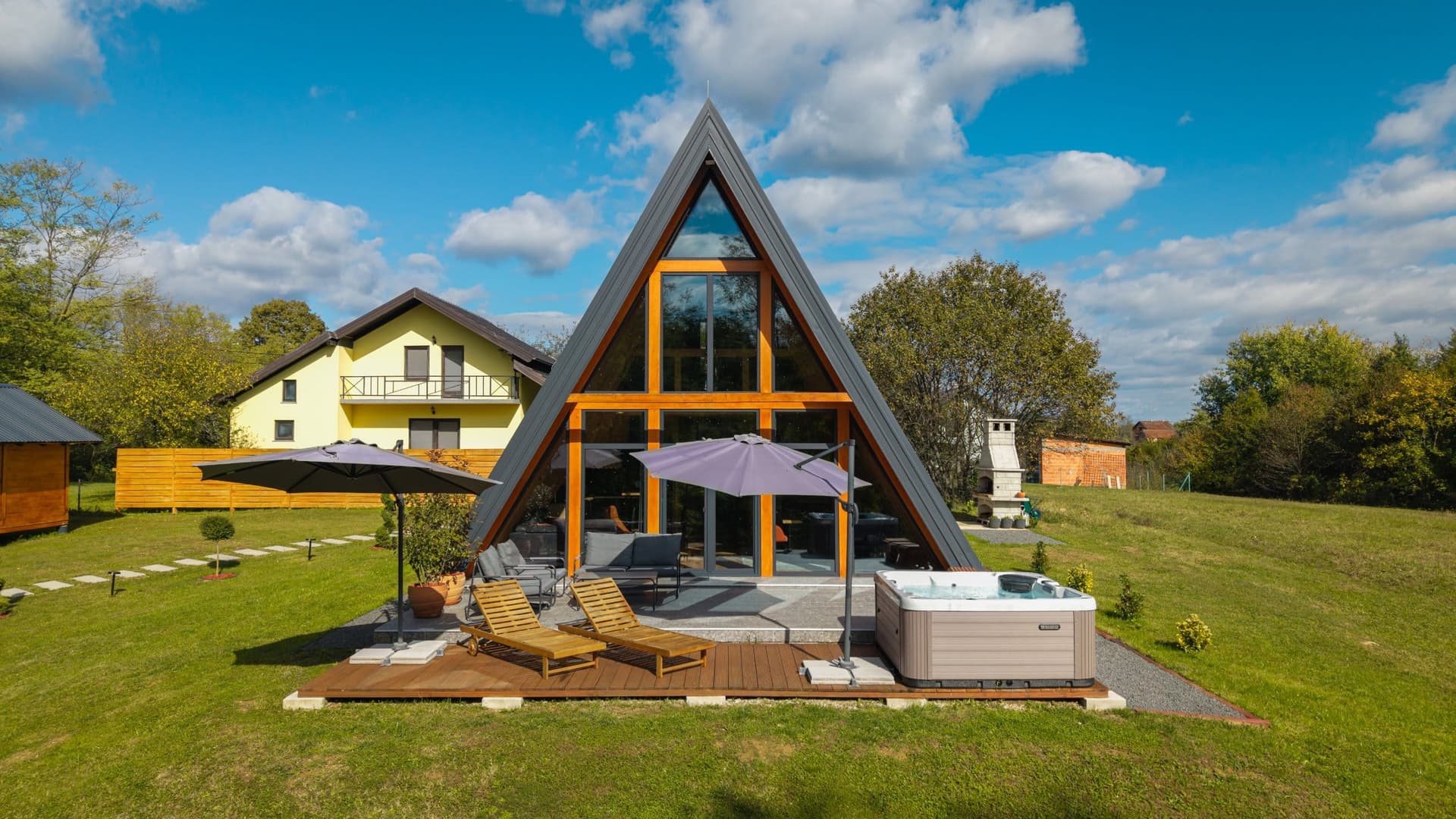 Topusko · 103 km from Sirač
- Apartment
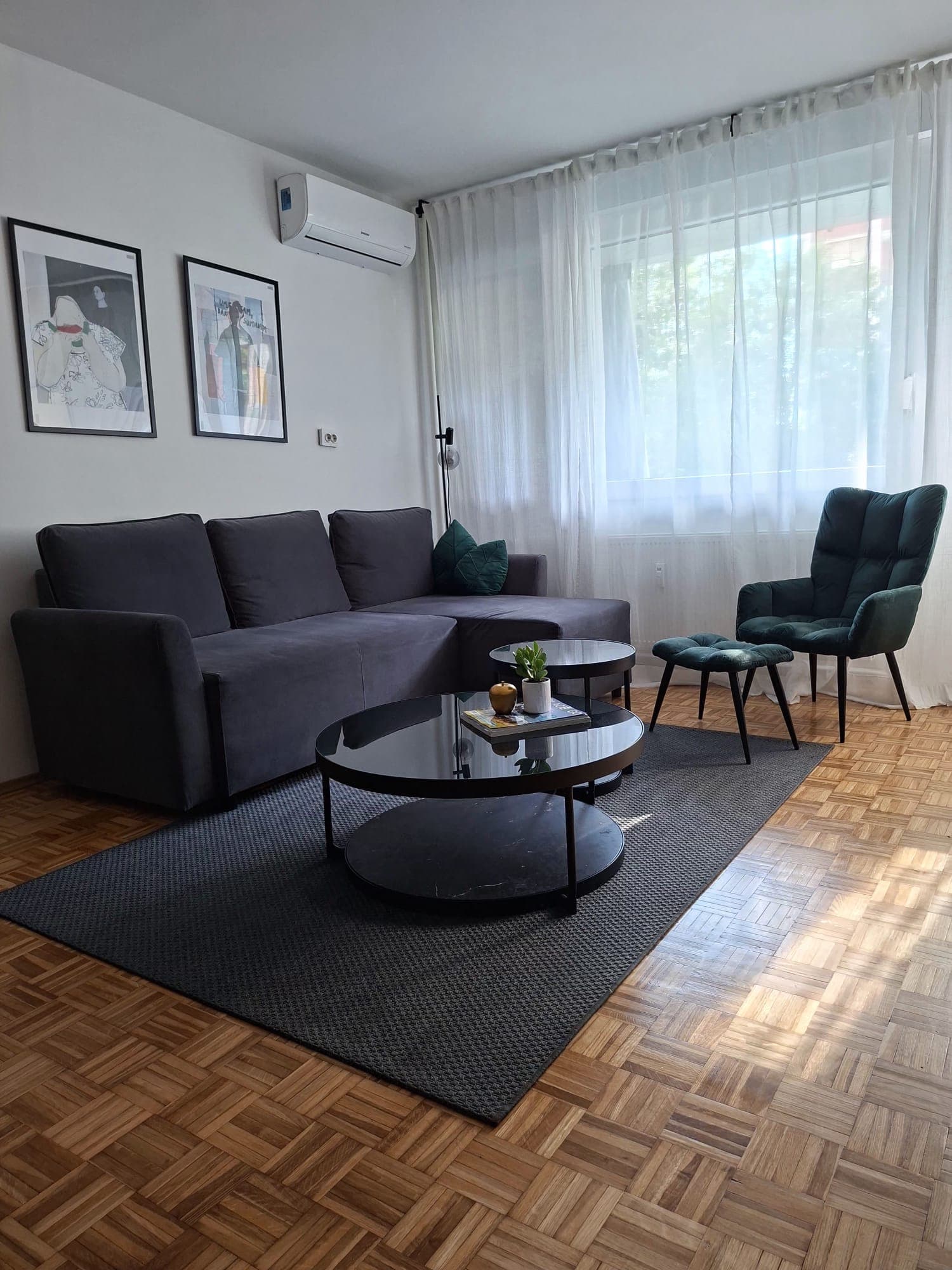 Zagreb · 104 km from Sirač
Be the first to list here
Guests looking for this place only see stays nearby for now. No commission, and enquiries come straight to you.
List your accommodation
Things to do
Start at Sirač Old Town, positioned 200 metres above sea level on the right bank of the Bijela. Its clearest surviving feature is the northern defensive wall, fourteen metres long and four metres high, while the rest of the masonry appears only in fragments. Continue downhill to the 1908 Church of the Visitation of the Blessed Virgin Mary and the Sirač Defenders’ Park. A longer circuit can include Željnjak, the archaeological site of the Benedictine monastery of St Margaret or the Pakra monastery complex, which county planning documents identify as protected cultural heritage.
Tours and activities
AdAd · partner offers: GetYourGuideThe partner handles booking, payment and support. StayBravo may earn a commission on bookings made through these links.How we choose offersGetYourGuide offers are selected and ordered by GetYourGuide based on the name of the nearest larger town or national park; we do not influence their selection and do not use data about you.GetYourGuide · Virovitica
We show GetYourGuide offers once you allow their cookies.
Practical information
Getting there and around
Sirač is eight kilometres south of Daruvar and is reached by local links from the D5 corridor connecting Daruvar, Pakrac and Lipik. County roads join the settlement to Doljani, Pakrani and villages at the foot of Papuk. Once in Sirač, the Old Town, the Church of the Visitation and the central streets lie close enough to combine on foot. A car or bicycle is more practical for outlying sites such as the Pakra monastery, Željnjak and Barica, particularly when the route is extended to Daruvar.
Frequently asked questions
How far is Sirač from Daruvar?
Sirač is eight kilometres south of Daruvar, beside the Bijela and Pakra rivers.
What survives of Sirač Old Town?
The clearest remnant is the northern wall, four metres high, two metres thick and fourteen metres long; other masonry survives only in fragments.
When was Sirač first recorded?
The Sirač estate was first recorded as Zirch in 1242, while the modern form of the name appears in 1390.
Nearby
Sirač
Open in OpenStreetMap(opens in a new tab)Smaller places
straight-line distance
Related guides

Osijek
Tvrđa and the centre around the main square are distinct starting points for understanding Osijek. The former emphasises the fortified historic quarter and Baroque architecture; the latter…
Read the guide

Vukovar
A cultural visit to Vukovar has several separate centres of gravity. Eltz Palace and the City Museum address the city and its inhabitants across different periods. Vučedol reaches much…
Read the guide

Stubičke Toplice
Stubičke Toplice derives almost its entire identity from thermal water and the Zagorje landscape. There is no large urban historic core; green spaces, bathing facilities and traces of the…
Read the guide
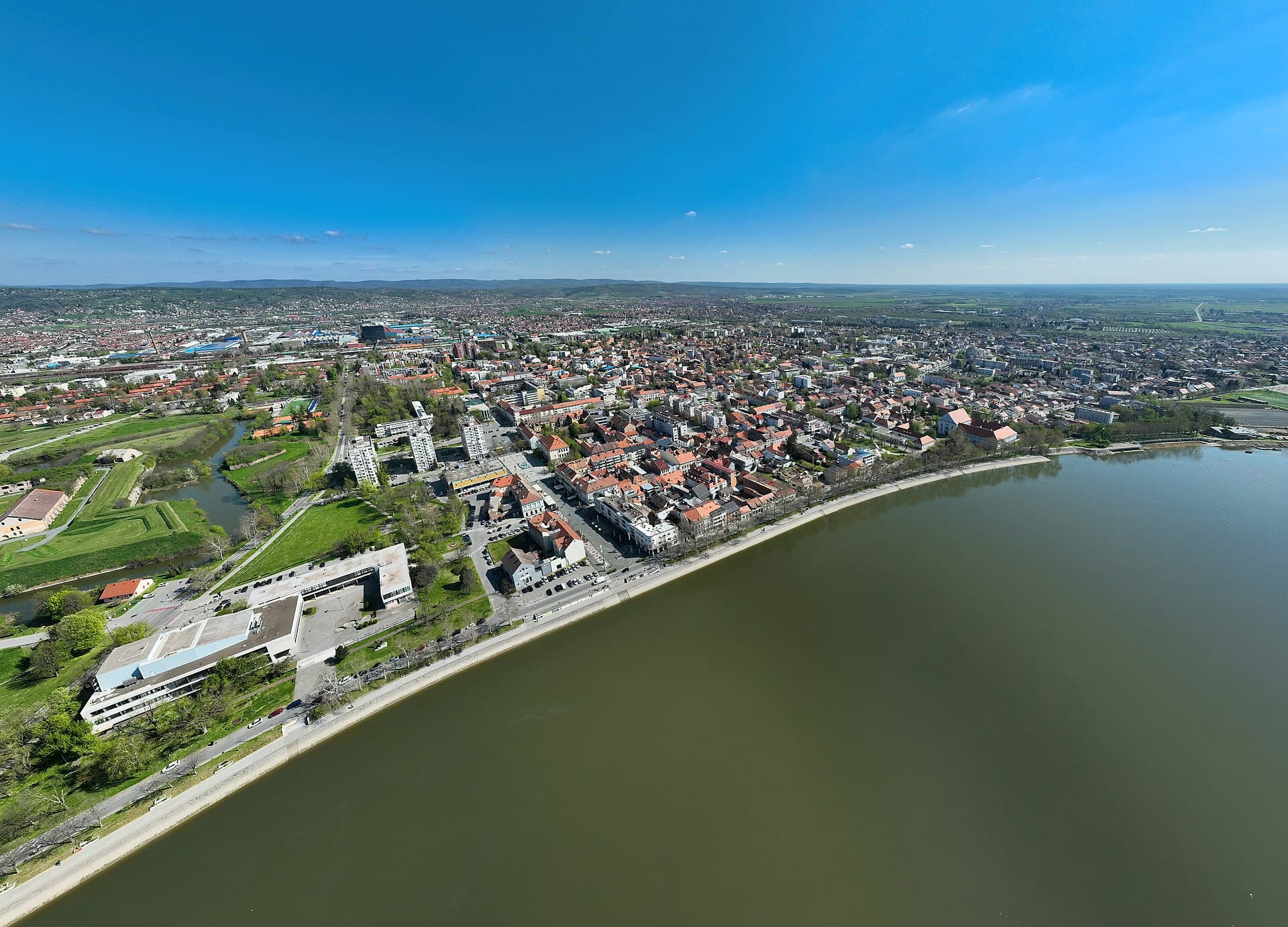
Slavonski Brod
Slavonski Brod developed around one of the major crossings of the Sava, and that border and transport role left a strong mark on the city. Brod Fortress represents the eighteenth-century…
Read the guide
Know Sirač? Correct us
Tell us in your own words what is not accurate. We check right away.Do not enter personal data. Corrections are checked by the StayBravo AI assistant; changes to the description are approved by an editor. Use the form instead
Do you know Sirač?
Help the guests who come after you.
Help us complete
Nothing is published without an editor’s review.Report illegal content
Photo credits: Sirač, Kusonje — Chmee2/Valtameri (CC BY 3.0) · Doljani — Malyvilibald (CC BY-SA 4.0) · Pakra Monastery — Robert Ruff (CC BY 3.0) · Saborna crkva Svete Trojice Pakrac — Nivanonivano (Public domain) · Dobra kuća Fortress — UBos (CC BY-SA 4.0) · St. Anna monastery — fototeka – Sveta Ana (Public domain) · Kuća za odmor Green Zen — IVICA ŠKRINJARIĆ (courtesy of the property owner) · Book Me Apartman — Natalija Kirša (courtesy of the property owner) · Osijek — Rp031 (CC BY-SA 4.0) · Vukovar — Bybbisch94, Christian Gebhardt (CC BY-SA 4.0) · Stubičke Toplice — MOs810 (CC BY-SA 4.0) · Slavonski Brod — Petar Milošević (CC BY-SA 4.0)