Kutina
About this place
Kutina is Moslavina’s largest urban centre, set between the vineyard slopes of Moslavačka Gora and the floodplains of Lonjsko Polje, roughly 70 kilometres from Zagreb. In the town centre, the Moslavina Museum occupies a former Erdődy manor, a Baroque residence remodelled in 1895, and uses archaeological, historical and ethnographic collections to trace life from prehistory to twentieth-century Moslavina villages. The eighteenth-century Church of Our Lady of the Snows preserves illusionistic paintings completed by Josip Görner in 1779, carved Baroque altars and an unusual Holy Sepulchre. Crkvena and Radićeva streets retain examples of traditional timber architecture. Six kilometres from central Kutina, Repušnica serves as Moslavina’s gateway to Lonjsko Polje Nature Park, with walking, cycling and water routes. Vineyards planted with the indigenous Škrlet grape begin on the opposite side of town along the Moslavina Wine Road. This compact geography makes it possible to combine urban heritage, wetlands and wine country in one day, finishing with local Škrlet and Moslavina’s characteristic carp roasted on a fork.
Kutina belongs to Sisak-Moslavina County, and its administrative area comprises 23 settlements across 294.34 square kilometres. Its identity is shaped by three sharply different landscapes: the flat wetlands of Lonjsko Polje, the urban centre beside the Kutinica stream and the vineyard-covered slopes of Moslavačka Gora. Medieval Kutina functioned as a market and transport hub, while the Széchényi and Erdődy families influenced its later history. The Petrokemija works, founded in 1968, add an industrial layer to the historic townscape. Kutina’s visitor identity, however, centres on the indigenous Škrlet grape, the Moslavina Museum and the Repušnica entrance to Lonjsko Polje.
Things to see
Kutina’s principal collection is housed in the Moslavina Museum, founded in 1960 inside the former mid-eighteenth-century Erdődy manor; the date 1895 on its gable records a Historicist remodelling. Its archaeological, cultural-history and ethnographic departments include objects associated with Lonjsko Polje and Moslavina winegrowing. The Church of Our Lady of the Snows is distinguished by Josip Görner’s 1779 paintings, carved Baroque altars and pulpit. Traditional wooden houses on Crkvena and Radićeva streets preserve a more modest yet distinctly local architectural layer, while the remains of Blodyn and Kutinjac forts recall the area’s defensive role during the Ottoman period.
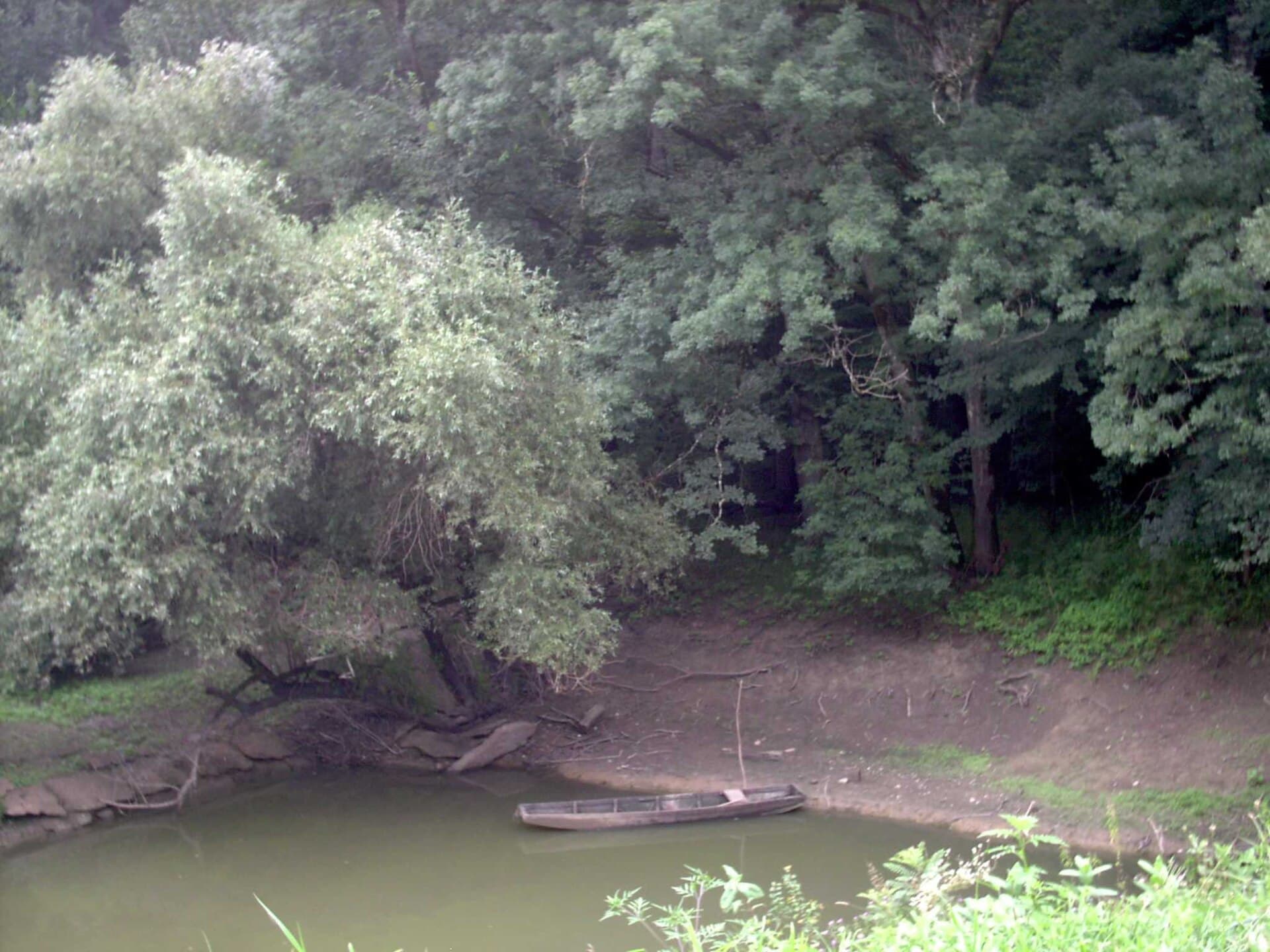 Nature park


Stays further afield
- Holiday home
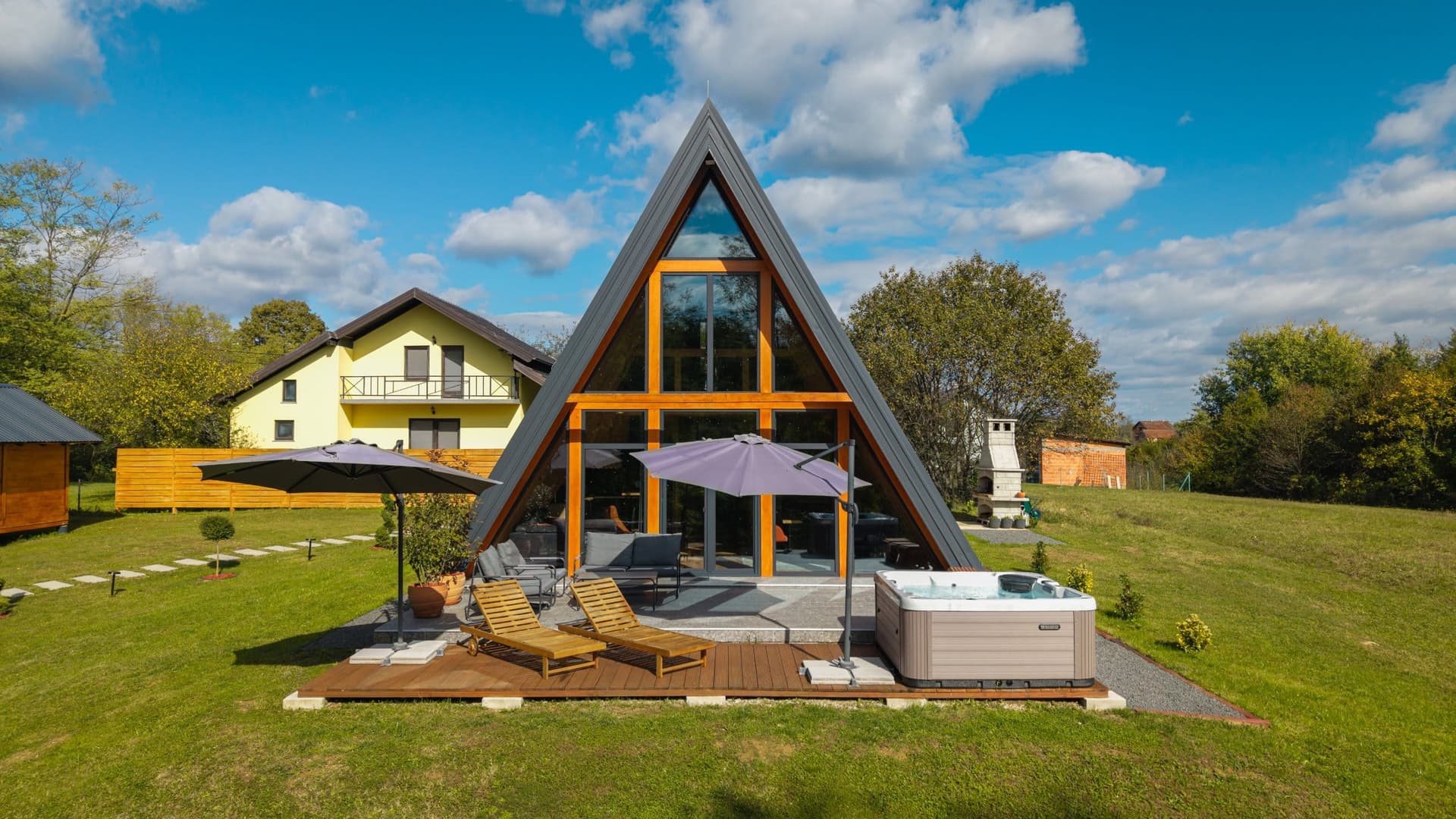 66 km from Kutina
- Apartment
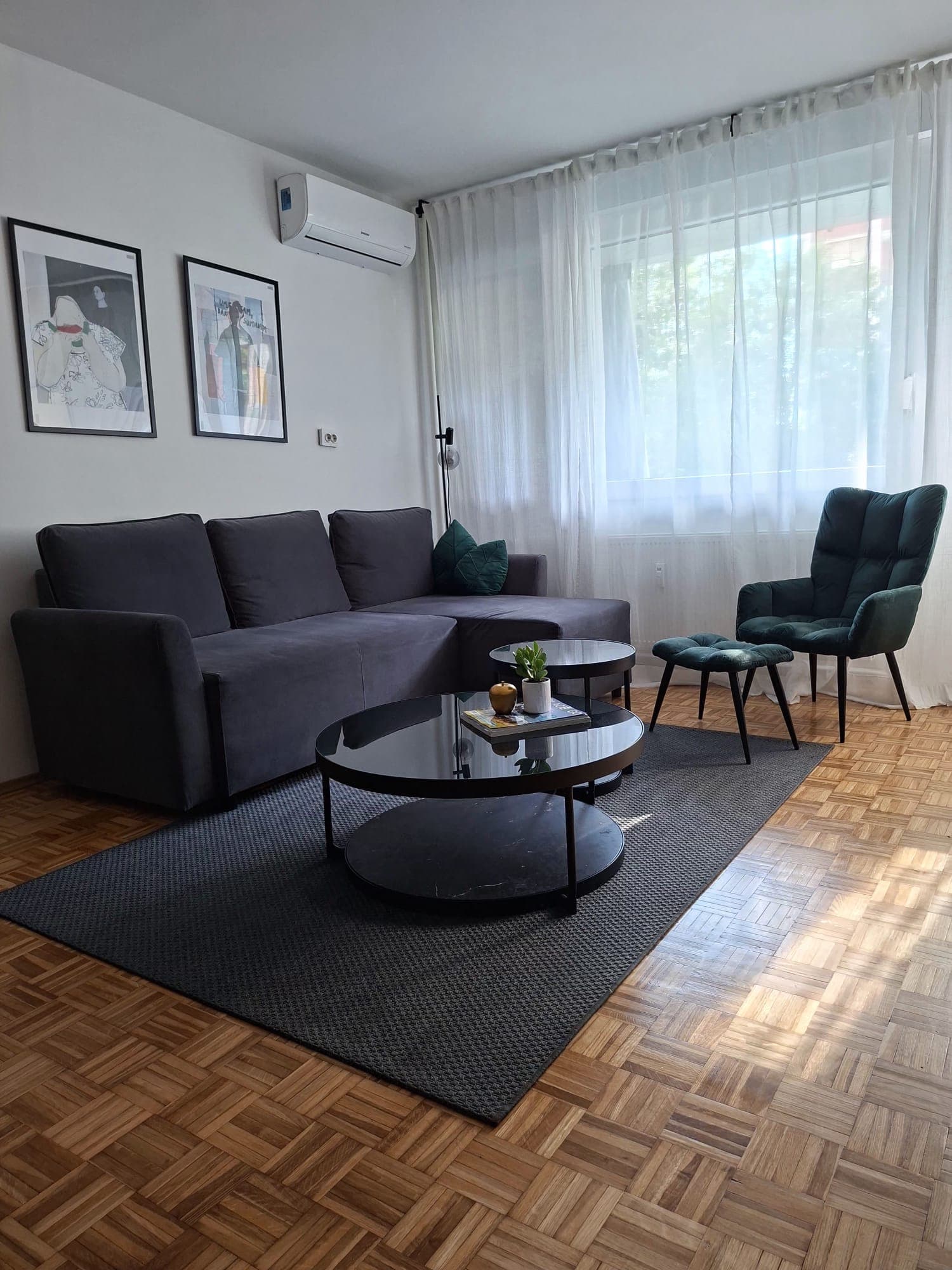 72 km from Kutina
Be the first to list here
Guests looking for this place only see stays nearby for now. No commission, and enquiries come straight to you.
List your accommodation
Things to do
Begin in the Erdődy manor, where the Moslavina Museum connects archaeological finds with the region’s winegrowing, folk dress and timber houses. Continue through central Kutina to the Church of Our Lady of the Snows, then look for surviving wooden homes along Crkvena and Radićeva streets. In the afternoon, follow the six-kilometre link to the Repušnica Visitor Centre; a combined cycling and pedestrian path also connects it with Kutina. The centre arranges guided visits, bicycle hire and excursions by canoe or boat. Finish among the Moslavina hills with a pre-booked tasting of Škrlet, the grape most closely associated with Kutina’s wine country.
Food and drink
Two flavours provide a useful focus for eating in Kutina: carp roasted on a fork and wine made from the indigenous Škrlet grape. Moslavačka Hiža operates inside Hotel Kutina at Dubrovačka 4 in the town centre, making it convenient after a heritage walk. Lonjski Dvori at Fumićeva 84 in Repušnica combines a restaurant with rural accommodation close to the Lonjsko Polje entrance. Other central choices include Cookie on Školska Street, Tramontana on Crkvena Street and King’s Pub on Kolodvorska Street. Klet Romić in Kutinska Slatina fits naturally into a separate drive through the Moslavina vineyards.
Tours and activities
AdAd · partner offers: GetYourGuideThe partner handles booking, payment and support. StayBravo may earn a commission on bookings made through these links.How we choose offersGetYourGuide offers are selected and ordered by GetYourGuide based on the name of the nearest larger town or national park; we do not influence their selection and do not use data about you.GetYourGuide · Sisak
We show GetYourGuide offers once you allow their cookies.
Practical information
Practical information
The Kutina Tourist Board is based at Tržna 8 and provides local information on the wine road, the Moslavina Museum and Repušnica. In 2026 the museum at Trg kralja Tomislava 13 opens Monday to Friday from 8 a.m. to 2 p.m.; weekend visits require advance arrangement, and the standard adult ticket costs €2. The museum’s gallery occupies a separate building at Trg kralja Tomislava 8. For Lonjsko Polje, use the Repušnica Visitor Centre six kilometres from central Kutina, where boat trips, bicycle hire and guided outings can be arranged.
Parking
From 1 June 2026, Kutina applies two price zones for public parking. One hour in Zone 1 costs €0.70 and a day ticket €9.10; Zone 2 costs €0.50 per hour and €6.50 per day. Visitors to the Moslavina Museum can use the parking area in front of the museum and city administration on Trg kralja Tomislava. Hotel Kutina on Dubrovačka Street is a useful landmark when navigating into the centre, while properties in Repušnica, including Lonjski Dvori, provide their own parking outside Kutina’s central parking zones.
Getting there and around
Kutina stands on the Zagreb–Dugo Selo–Novska railway corridor, making the train a practical alternative to driving from Zagreb or eastern Croatia. The station is at Metanska 6; according to HŽ Passenger Transport’s 2026 information, its ticket office opens from 4:55 a.m. to 4:25 p.m. on weekdays, 6:10 a.m. to 1:40 p.m. on Saturdays, and 1:30 p.m. to 9 p.m. on Sundays and holidays. Drivers approach via the Kutina exit from the A3 motorway. Repušnica Visitor Centre is six kilometres from central Kutina, with both a road and a dedicated cycling-pedestrian connection.
Frequently asked questions
Where is the Moslavina Museum in Kutina?
The museum occupies the former Erdődy manor at Trg kralja Tomislava 13, while its gallery is in a separate building at number 8.
How far is Repušnica from central Kutina?
Repušnica Visitor Centre is six kilometres away and is connected with Kutina by a cycling and pedestrian path.
Which wine is characteristic of Kutina?
The signature local wine is made from Škrlet, an indigenous grape associated with the Moslavina wine region.
What stands out inside the Church of Our Lady of the Snows?
Notable features include Görner’s illusionistic paintings from 1779, carved Baroque altars, the pulpit and a Holy Sepulchre.
Can you cycle from Kutina to Lonjsko Polje?
Yes. A combined cycling and pedestrian path links Kutina with Repušnica Visitor Centre on the Moslavina side of the park.
Nearby
Kutina
Open in OpenStreetMap(opens in a new tab)straight-line distance
Related guides

Osijek
Tvrđa and the centre around the main square are distinct starting points for understanding Osijek. The former emphasises the fortified historic quarter and Baroque architecture; the latter…
Read the guide

Vukovar
A cultural visit to Vukovar has several separate centres of gravity. Eltz Palace and the City Museum address the city and its inhabitants across different periods. Vučedol reaches much…
Read the guide

Stubičke Toplice
Stubičke Toplice derives almost its entire identity from thermal water and the Zagorje landscape. There is no large urban historic core; green spaces, bathing facilities and traces of the…
Read the guide
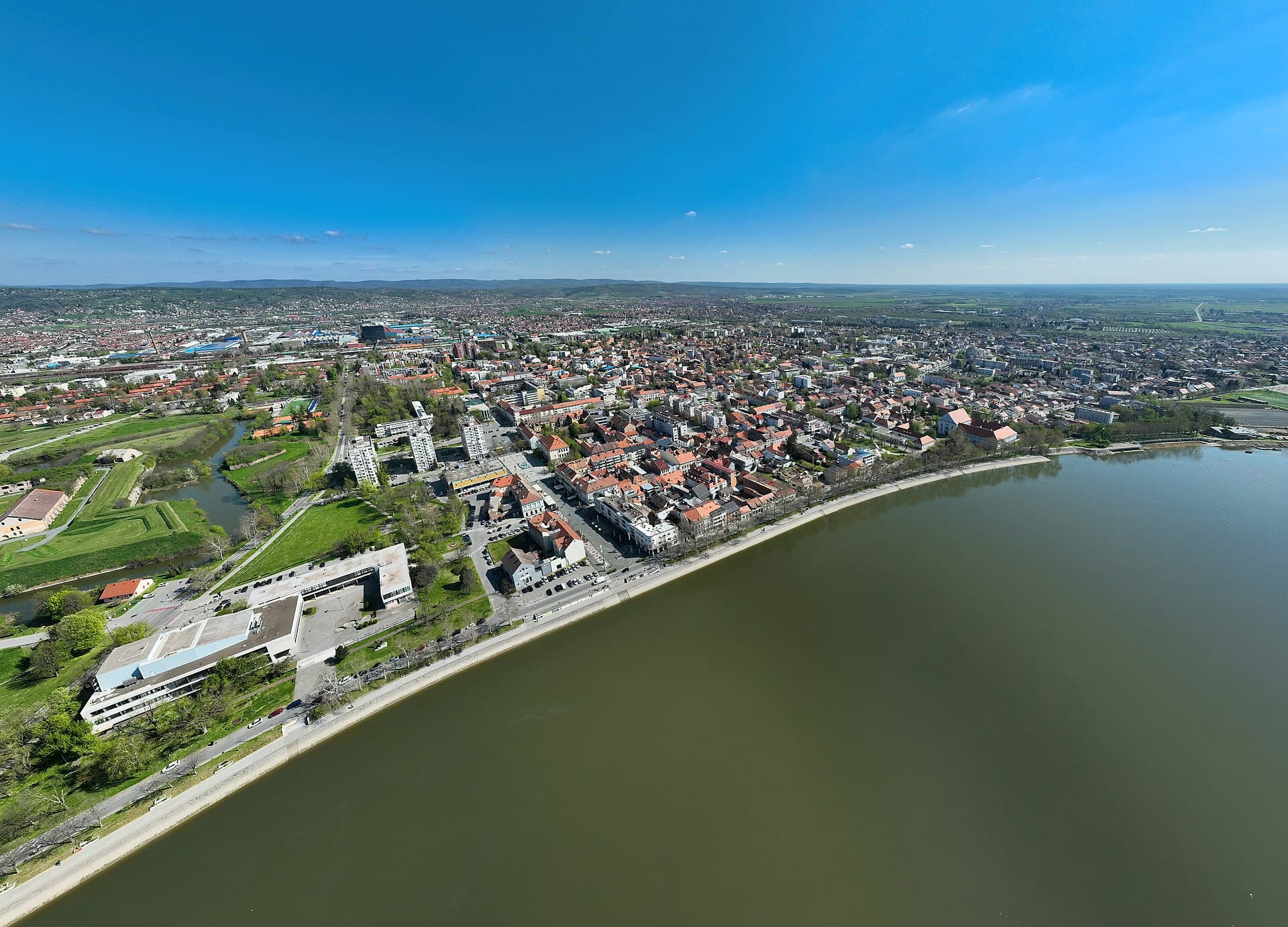
Slavonski Brod
Slavonski Brod developed around one of the major crossings of the Sava, and that border and transport role left a strong mark on the city. Brod Fortress represents the eighteenth-century…
Read the guide
Know Kutina? Correct us
Tell us in your own words what is not accurate. We check right away.Do not enter personal data. Corrections are checked by the StayBravo AI assistant; changes to the description are approved by an editor. Use the form instead
Do you know Kutina?
Help the guests who come after you.
Help us complete
Nothing is published without an editor’s review.Report illegal content
Photo credits: Lonjsko Polje Nature park — Pigpanter at German Wikipedia (CC BY-SA 3.0) · Garić Grad — Croq (CC BY-SA 3.0) · Jasenovac Monastery — Bastasic (CC BY-SA 3.0) · Church of Saint Parascheva — IndexAccount (CC0) · Kuća za odmor Green Zen — IVICA ŠKRINJARIĆ (courtesy of the property owner) · Book Me Apartman — Natalija Kirša (courtesy of the property owner) · Osijek — Rp031 (CC BY-SA 4.0) · Vukovar — Bybbisch94, Christian Gebhardt (CC BY-SA 4.0) · Stubičke Toplice — MOs810 (CC BY-SA 4.0) · Slavonski Brod — Petar Milošević (CC BY-SA 4.0)