
Sveti Lovreč Pazenatički
About this place
Sveti Lovreč Pazenatički is a fortified Istrian settlement in the hinterland of Poreč and Vrsar, distinguished by its nearly circular core, walls and towers. Its first written mention, as castrum Sancti Laurenti, dates from 1030, and its position at a crossroads kept it strategically important throughout the Middle Ages. Most of the visible defences took shape under Venice, when Sveti Lovreč served as the military-administrative centre for Venetian mainland possessions in Istria, known as the pazenatik. The Great Gate leads towards Placa square, St Martin’s parish church and the Placa gallery, while the Funtanela tower preserves the link between the defensive system, a spring and a cistern. The 11.2-kilometre circular Path of Water starts in the centre and connects the Rulja, Purinka and Puč springs with nearby villages. Sveti Lovreč itself is inland, so swimming means driving towards the Vrsar coast or Poreč’s Zelena Laguna. This setting makes it easy to combine medieval walls, a countryside walk, a local tavern and a swim on Istria’s western coast in one day.
Sveti Lovreč Pazenatički is one of the few Istrian places where the outline of a prehistoric hillfort, medieval walls and Venetian administrative history remain legible within one compact core. Recorded as castrum Sancti Laurenti in 1030, the town preserves fortifications largely shaped during Venetian rule. The qualifier “Pazenatički” recalls the pazenatik, the military administration of Venice’s inland Istrian possessions, whose headquarters stood here. The present municipality comprises 23 settlements across 30.61 square kilometres and borders the territories of Poreč, Rovinj, Vrsar, Kanfanar and Tinjan, placing the historic centre neatly between western Istria’s coast and its rural interior.
Things to see
The principal attraction is Sveti Lovreč’s surviving defensive complex, with most visible walls and towers dating from the Venetian period. Funtanela is especially distinctive because it rises above a spring whose water was collected in a cistern, while the Great Gate marks the main entrance towards Placa. St Martin’s parish church stands within the historic core, where the Croatian Conservation Institute has conducted archaeological investigations since 2020, including work north of the church and beside the eastern walls. Outside the core, the cemetery contains the small 8th-century Church of St Lawrence and its Romanesque bell tower, added in the 11th century.
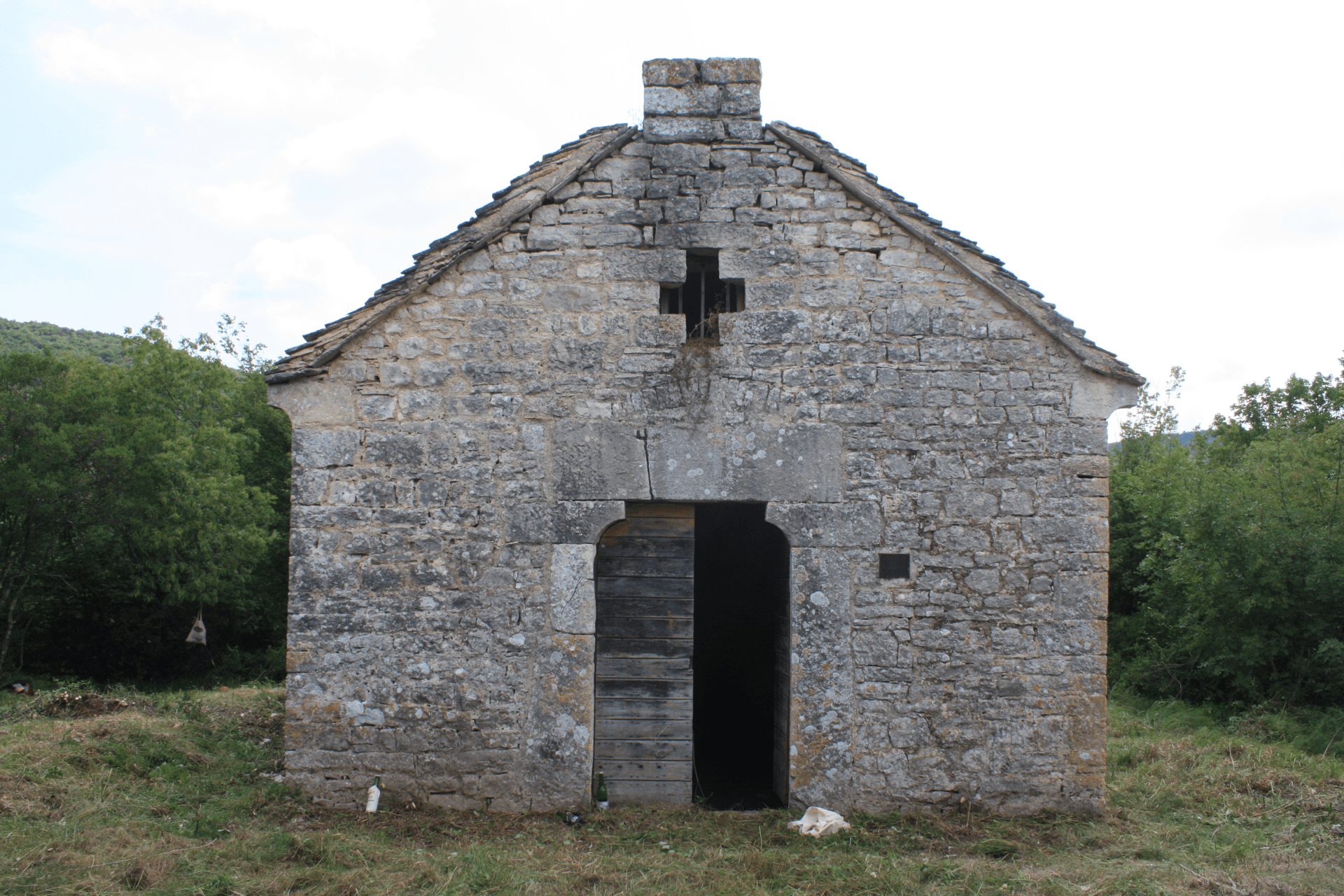
Saint Elijah Church
Landmark · Kanfanar
The Chapel of St Elias near Dvigrad is a protected 15th-century sacred monument in the municipality of Kanfanar.
8 km from Sveti Lovreč Pazenatički

Monkodonja
Landmark · Rovinjsko Selo
Bronze Age hill fort, located near Rovinj, Istria, Croatia
12 km from Sveti Lovreč Pazenatički
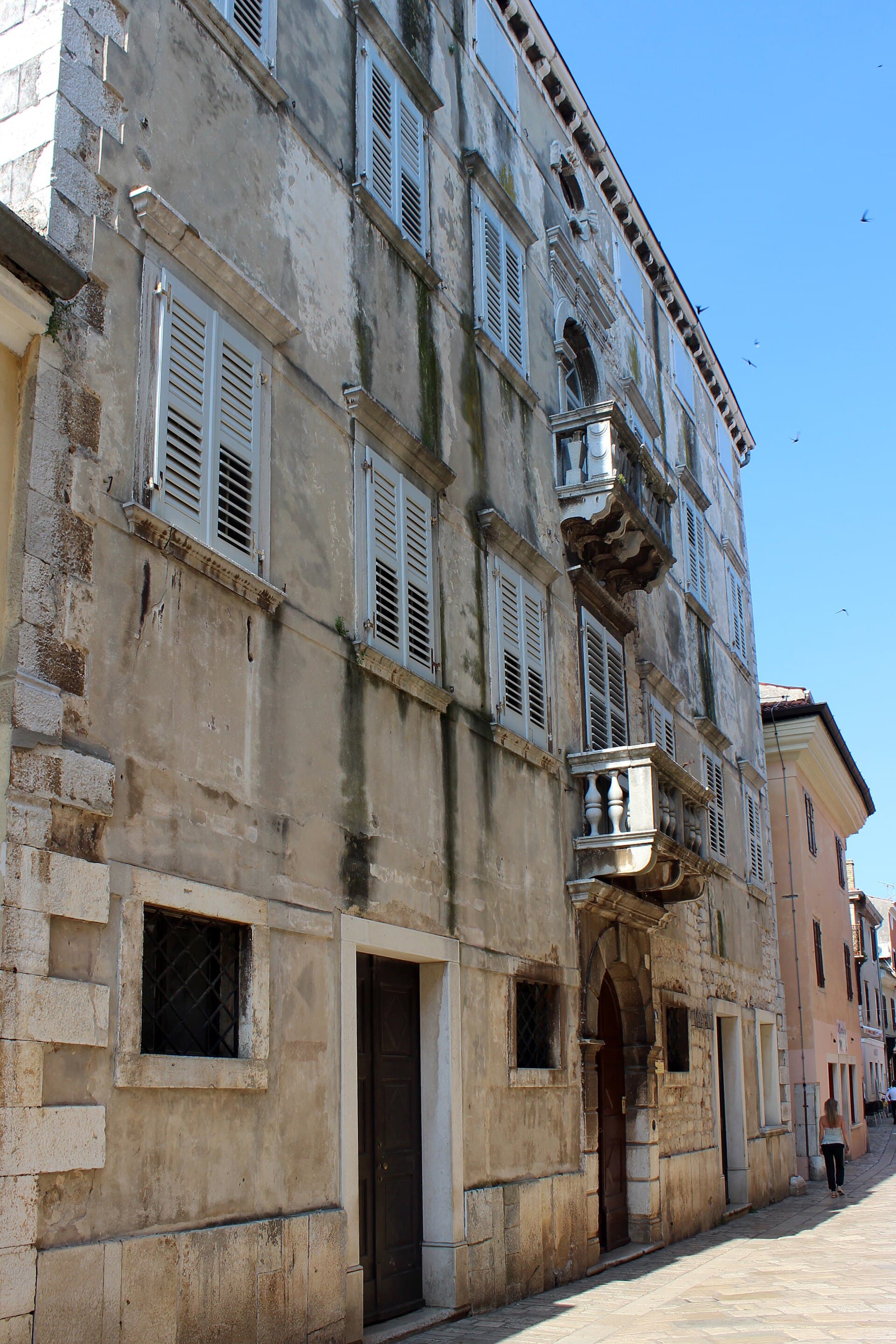
 UNESCO
Stays nearby
- Apartment
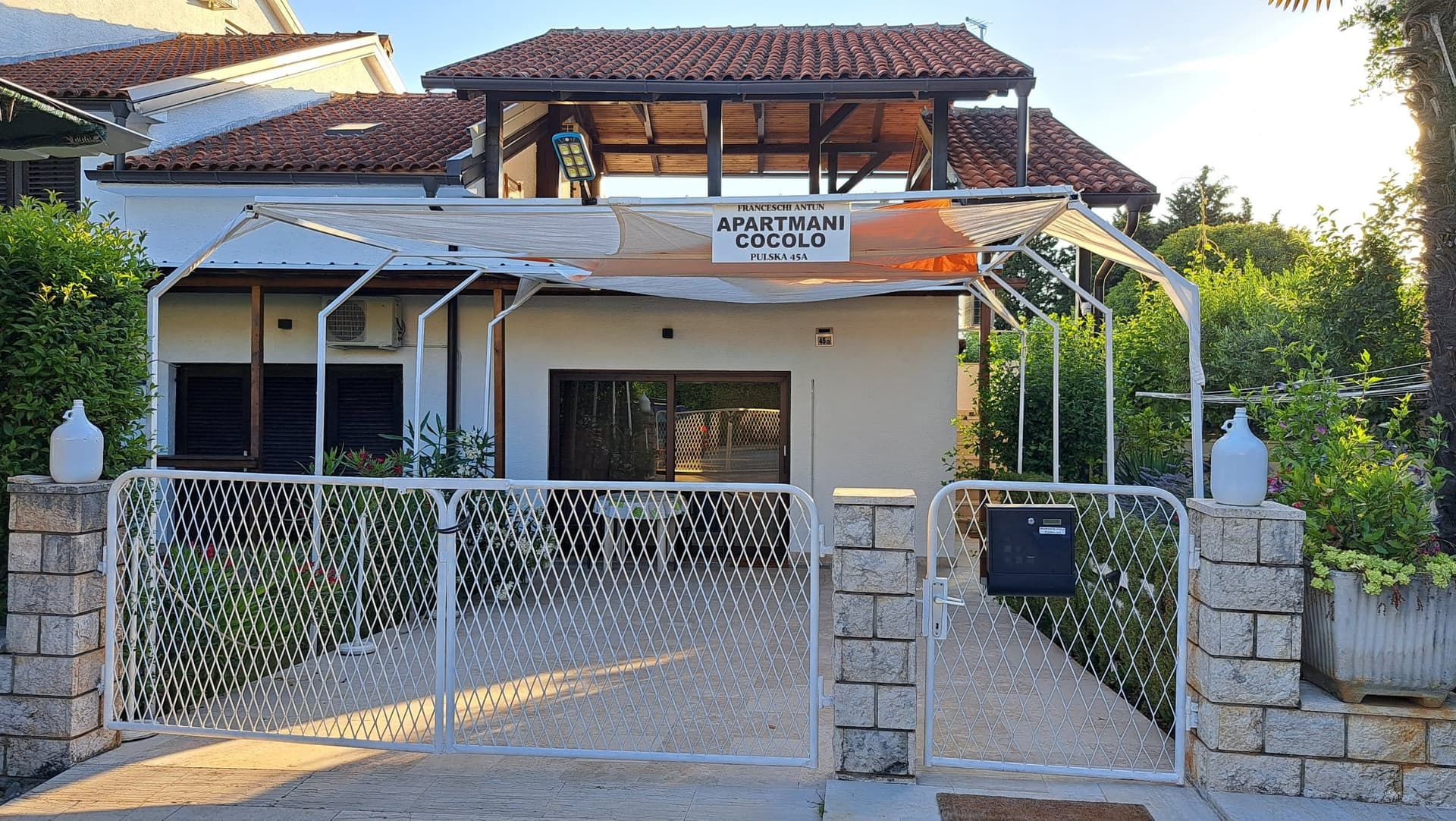 13 km from Sveti Lovreč Pazenatički
- Apartment
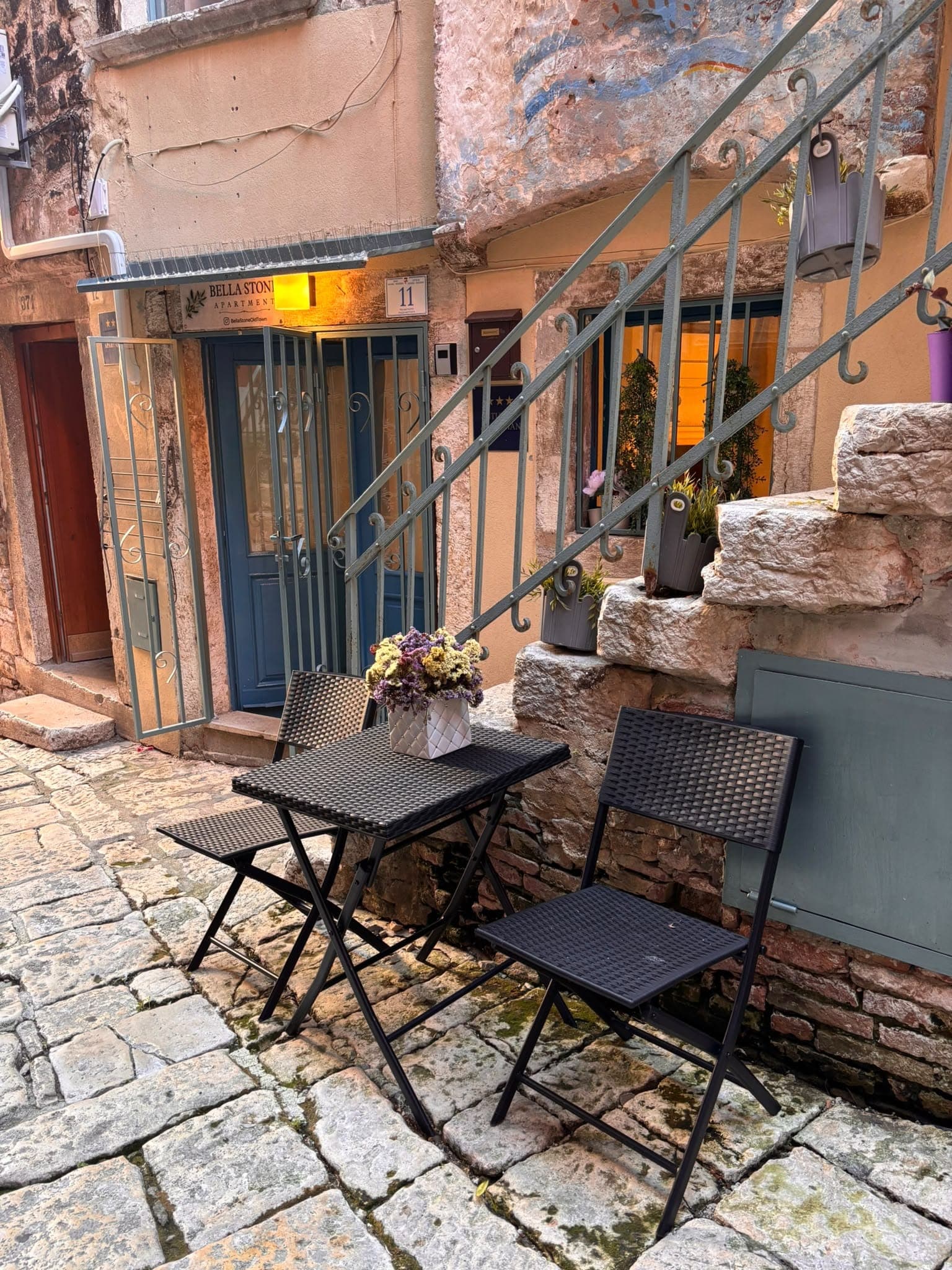 13 km from Sveti Lovreč Pazenatički
- Apartment
 13 km from Sveti Lovreč Pazenatički
- Holiday home
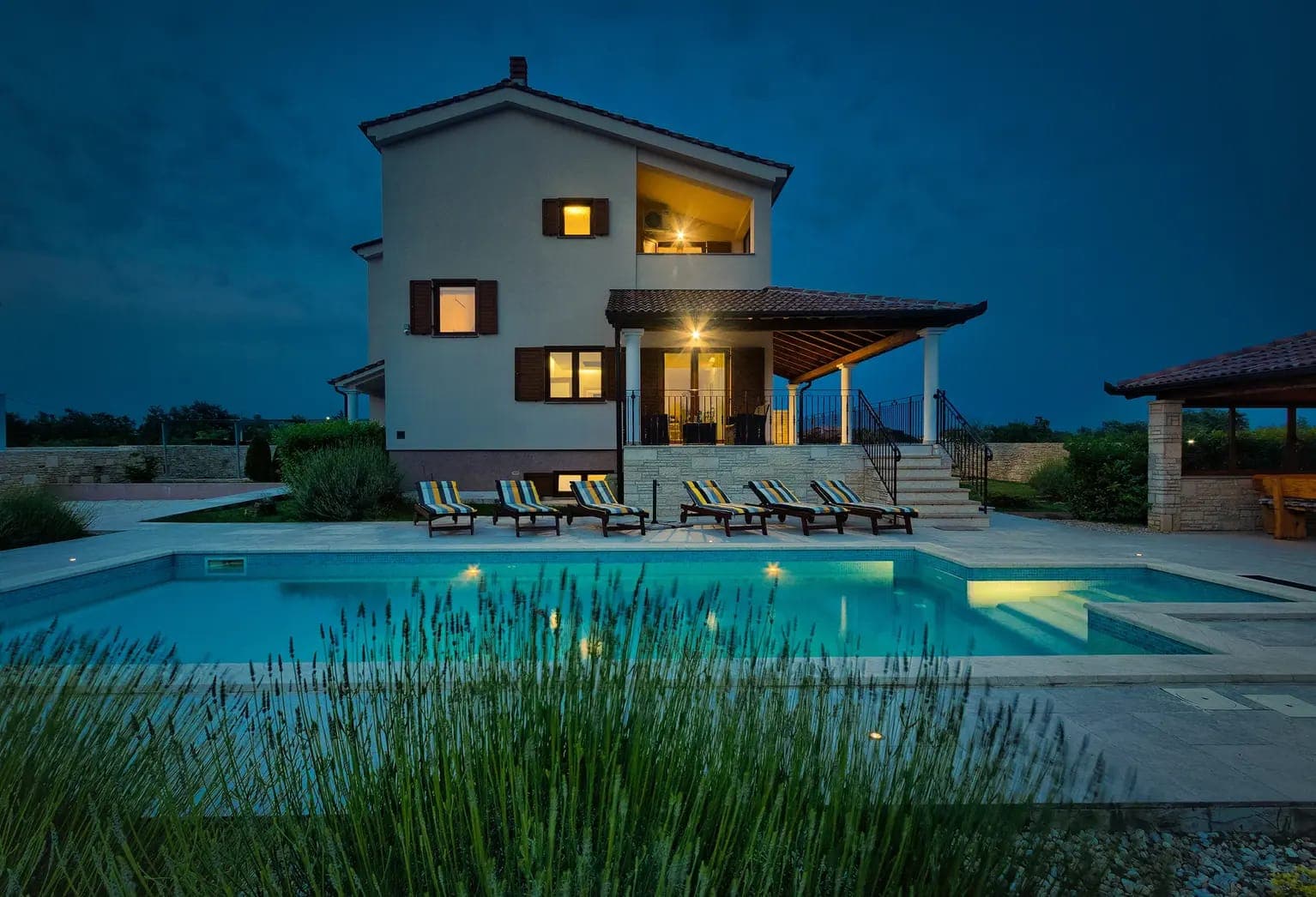 15 km from Sveti Lovreč Pazenatički
Villa Štokovci – privatni bazen, whirlpool i sportski sadržaji u Istrimor Svetvinčenat
Svetvinčenat
up to 10 guests · 4 bedrooms
from €330 / night
Check availability
- Holiday home
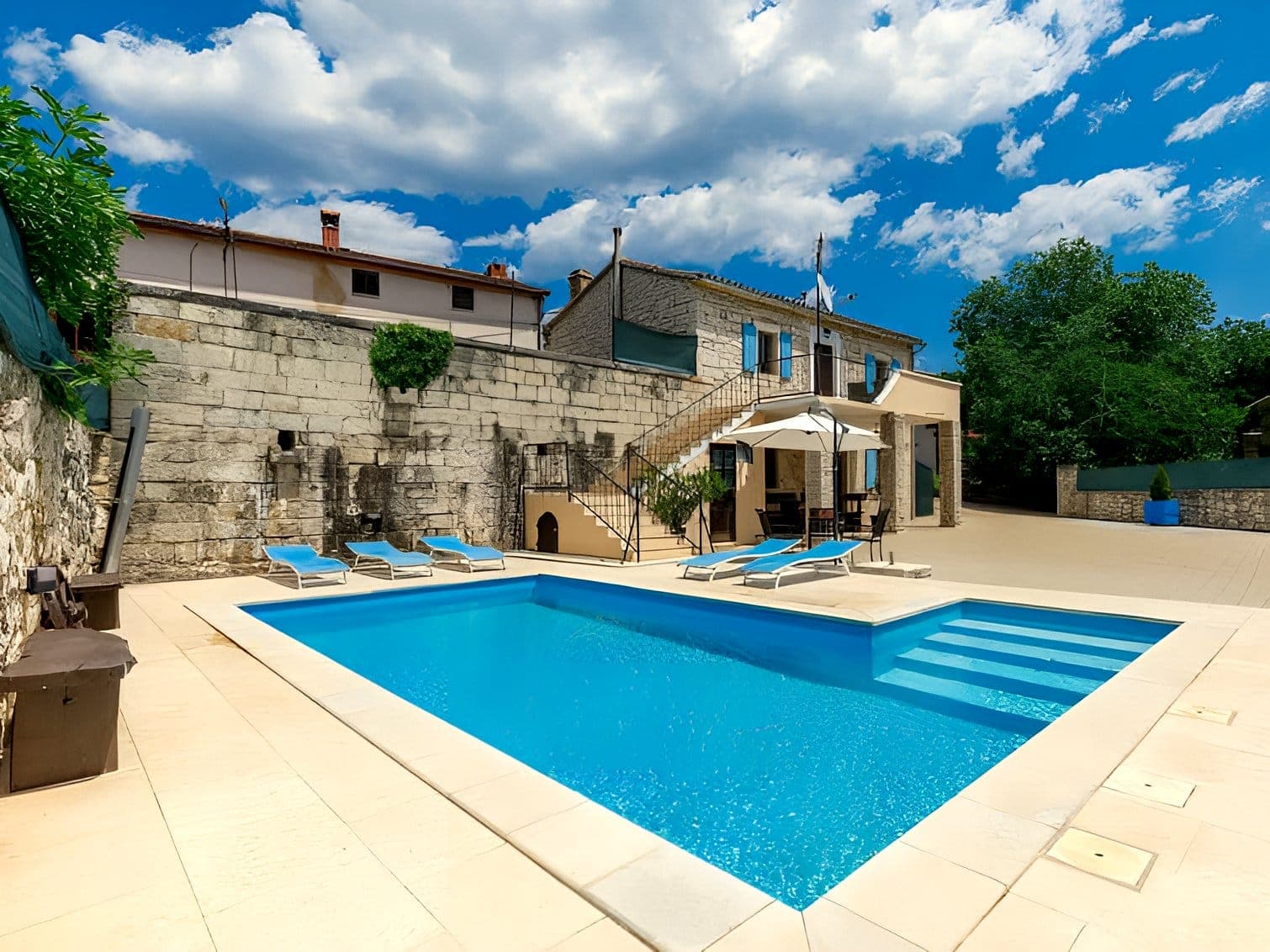 17 km from Sveti Lovreč Pazenatički
Be the first to list here
Guests looking for this place only see stays nearby for now. No commission, and enquiries come straight to you.
List your accommodation
Beaches
Sveti Lovreč has no shoreline, so beach days require a drive towards Poreč or Vrsar. The campsite beach at Zelena Laguna near Poreč extends for about one kilometre and combines pebbles, rocks and paved sections; facilities include showers, sunbed hire, a children’s playground and sports, with entry into the sea over pebbles or by steps. At Vrsar’s Koversada, rocky stretches and stone sunbathing platforms alternate with sheltered pebble coves, while a large artificial sandy beach faces the islet. Koversada also provides adapted access for visitors with disabilities and a designated dog-friendly section, making it a useful alternative when choosing a coast outing from Sveti Lovreč.
Things to do
Enter the old town through the Great Gate and cross Placa towards St Martin’s parish church before following the walls to the medieval Funtanela tower. For a longer circuit, take trail 720, the 11.2-kilometre Path of Water beginning at the restored town fountain. It passes through Pajari, Lakovići, Orbani, Vošteni and Perini while linking the Rulja, Purinka and Puč springs; the section between Perini and the eastern entrance to Sveti Lovreč requires careful attention to waymarks. Back in the centre, finish with an exhibition at the Placa Gallery at Trg Placa 3 or a meal below the walls at San Lorenzo.
Food and drink
In Sveti Lovreč itself, San Lorenzo restaurant and pizzeria stands at Podzidine 17 beside the historic core, making it a convenient conclusion to a walk around the walls. In Vošteni, on the wider Path of Water circuit, Tomažova konoba is located at number 19 and can pair a countryside walk with a meal outside the centre. Central Istria’s official gastronomy guide also lists local producers, including Vina Terre at Selina 79 and Vošten at Vošteni 23. Together, these addresses extend the food experience from fortified Sveti Lovreč into the municipality’s villages, where wine, olive oil and tavern dining belong to western Istria’s rural landscape.
Tours and activities
AdAd · partner offers: Viator, GetYourGuideThe partner handles booking, payment and support. StayBravo may earn a commission on bookings made through these links.How we choose offersWe choose offers based on the page you are viewing: the partner destination for this place or the nearest one (with its distance), and on a sight page only offers that mention it. We show offers rated at least 4.3 with at least 10 reviews, without multi-day tours or pure transfers, ordered by rating adjusted for the number of reviews and then by the partner’s order. We do not use data about you, and the commission does not affect the order.GetYourGuide offers are selected and ordered by GetYourGuide based on the name of the nearest larger town or national park; we do not influence their selection and do not use data about you.Viator
Nearest destination: Poreč (13 km)
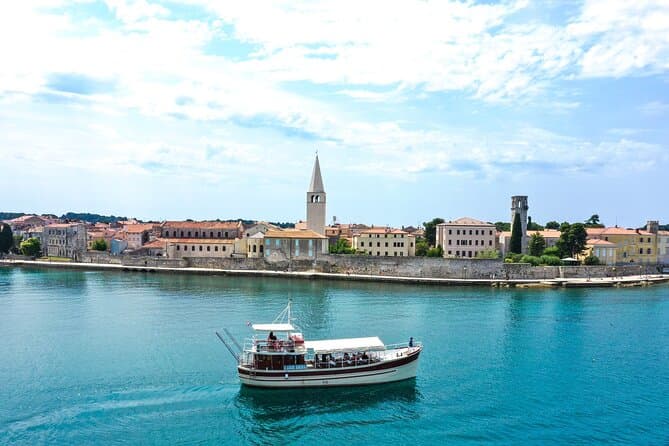
Morning Panorama: Relaxing Among 20 Islands around Poreč Riviera (opens in a new tab)
Start your journey from the port of Poreč, with panoramic view of Istrian west coast. Embark on a boat ride along the coast towards the beautiful town of Vrsar, which will take you on an…
Rated 4.9 out of 5 · 22 reviews· 2 h
Free cancellation
from €24
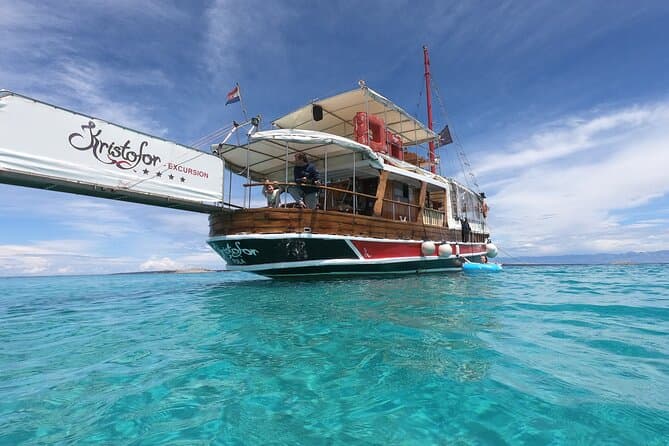
Fish Picnic excursion on Kristofor boat (opens in a new tab)
Ready for a day sea trip from Poreč to Rovinj? Enjoy an amazing view of the west coast of Istria and then a romantic walk through Rovinj. You'll be able to enjoy a delicious lunch on board just…
Rated 4.8 out of 5 · 27 reviews· 7 h
Free cancellation
from €50
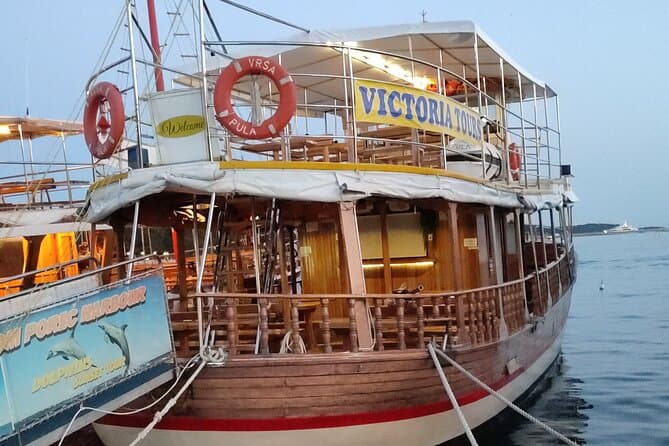
Exploration of the Istrian Coast Poreč Rovinj Lim fjord and Vrsar (opens in a new tab)
Islands, rocks, wildlife, bays, romantic villages... you will see the beautiful Istrian coast, taking a daily excursion with our beautiful wooden boat. Starting from Poreč you can see the various…
Rated 4.7 out of 5 · 42 reviews· 6 h
Free cancellation
from €40
GetYourGuide · Poreč
We show GetYourGuide offers once you allow their cookies.
Practical information
Practical information
Local visitor information is provided by the Central Istria Tourist Board at Velog Jože 1 in Pazin; its published 2026 opening hours are Monday to Friday, 8:00–16:00. Sveti Lovreč’s municipal office is at Gradski trg 4 and provides local administrative and utility notices. Carry a map or GPS track on the Path of Water, since the official route description warns that the section between Perini and the eastern side of Sveti Lovreč demands good navigation. Croatia’s 112 number applies in emergencies, and the settlement’s postal code is 52448.
Getting there and around
Sveti Lovreč is linked to Žbandaj by county road Ž5072, while Ž5209 provides connections towards Baderna, Medaki and the western coast. The Medaki interchange on the Istrian Y motorway lies roughly three kilometres south of the town and gives onward access towards Pula, Rijeka and Zagreb. A municipal document places the Medaki business zone about 15 kilometres from Poreč, 20 from Rovinj and 30 from Pazin, illustrating Lovreč’s central position between major Istrian destinations. A car is the practical choice for combining the historic core, the Path of Water and a coastal outing to Vrsar or Poreč in a single day.
Frequently asked questions
How long is the Path of Water?
The circular Path of Water, trail 720, is 11.2 kilometres long and begins at the town fountain in central Sveti Lovreč.
Does Sveti Lovreč have its own beach?
Sveti Lovreč is inland, so swimming trips lead towards the beaches around Vrsar or Poreč’s Zelena Laguna.
Where does the name Pazenatički come from?
The name recalls the pazenatik, the military administration of Venice’s mainland Istrian possessions, which was based in Sveti Lovreč.
Where should a walk through the old town begin?
A practical starting point is the restored fountain beside the Great Gate, followed by Placa, the Funtanela tower and St Martin’s Church.
Where can visitors try local produce outside the old town?
Vošteni has Tomažova konoba, while Vina Terre in Selina and Vošten in the village of the same name are listed as local producers.
Nearby
Sveti Lovreč Pazenatički
Open in OpenStreetMap(opens in a new tab)Smaller places
straight-line distance
Related guides

Novigrad
Novigrad-Cittanova developed on Istria’s north-western coast near the mouth of the Mirna, in a maritime setting that shaped centuries of fishing and trade. The historic centre still…
Read the guide
Funtana
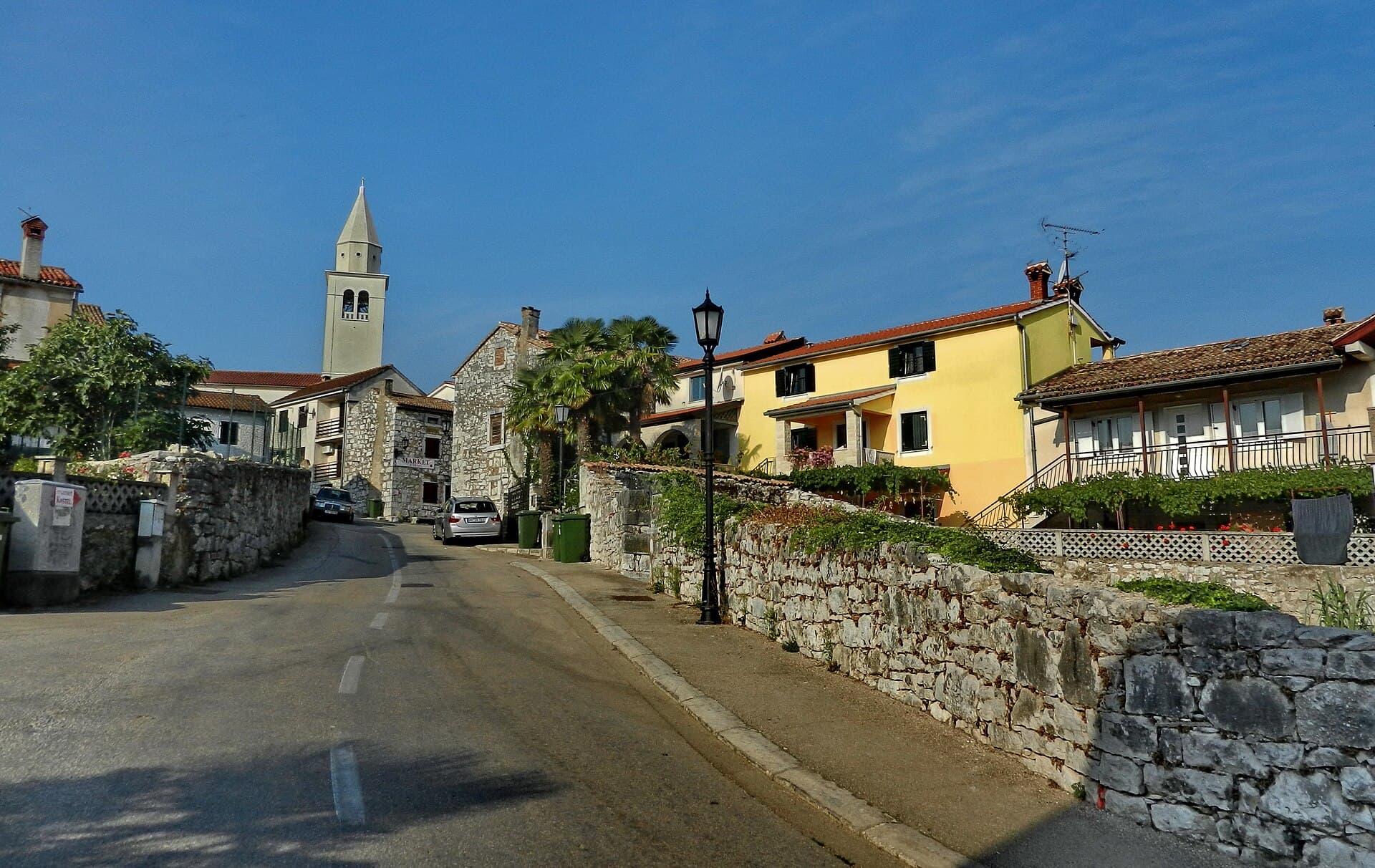
Funtana sits on Istria’s west coast along the Poreč–Vrsar road, while its shoreline extends between Zelena Laguna and Valkanela. The local tourist board links the settlement with a long…
Read the guide
Pula
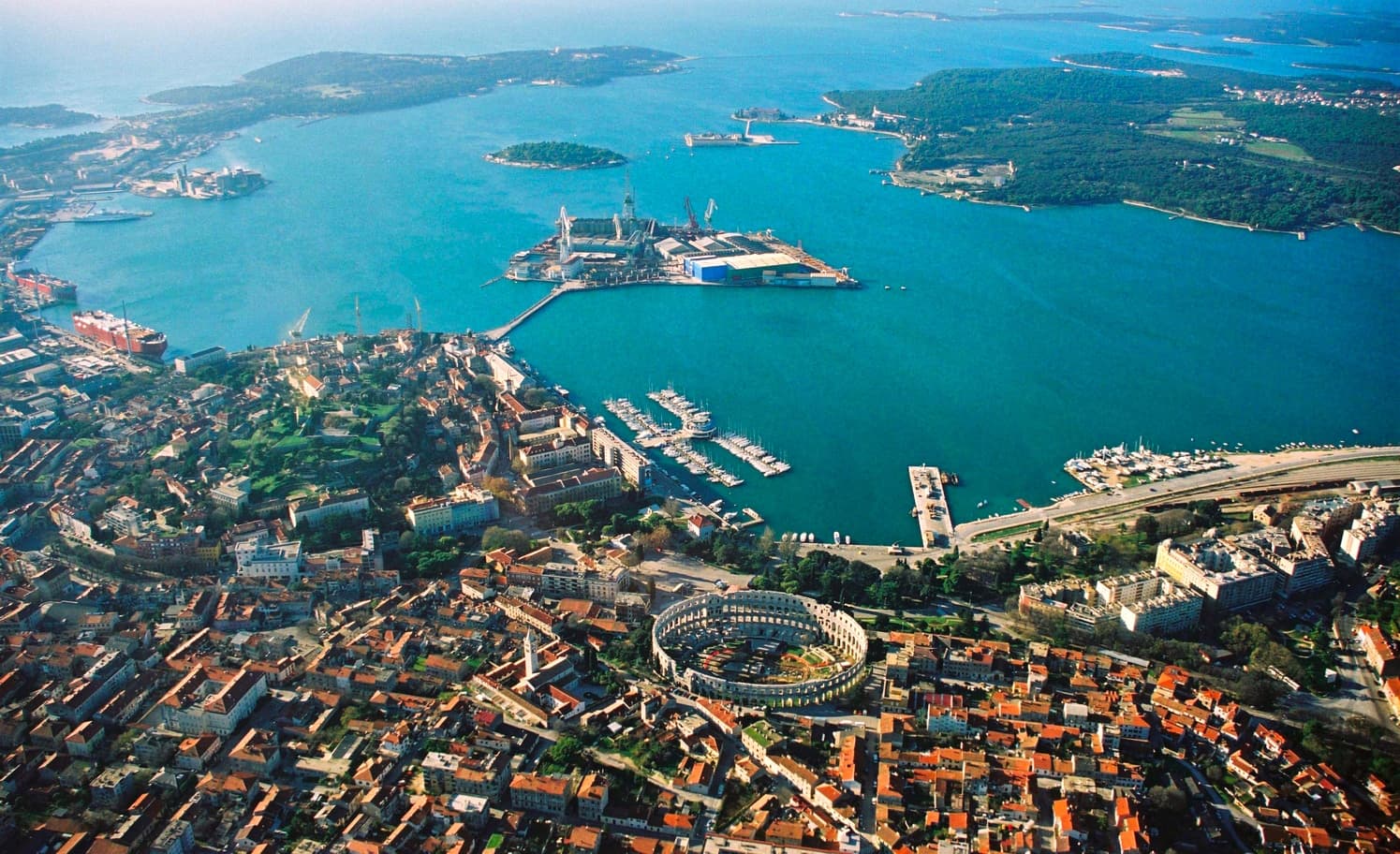
Central Pula offers two connected but different sightseeing strands. One follows public spaces and visible Roman monuments: the Arena, gates, Forum and temple. The other explores museum…
Read the guide
Poreč
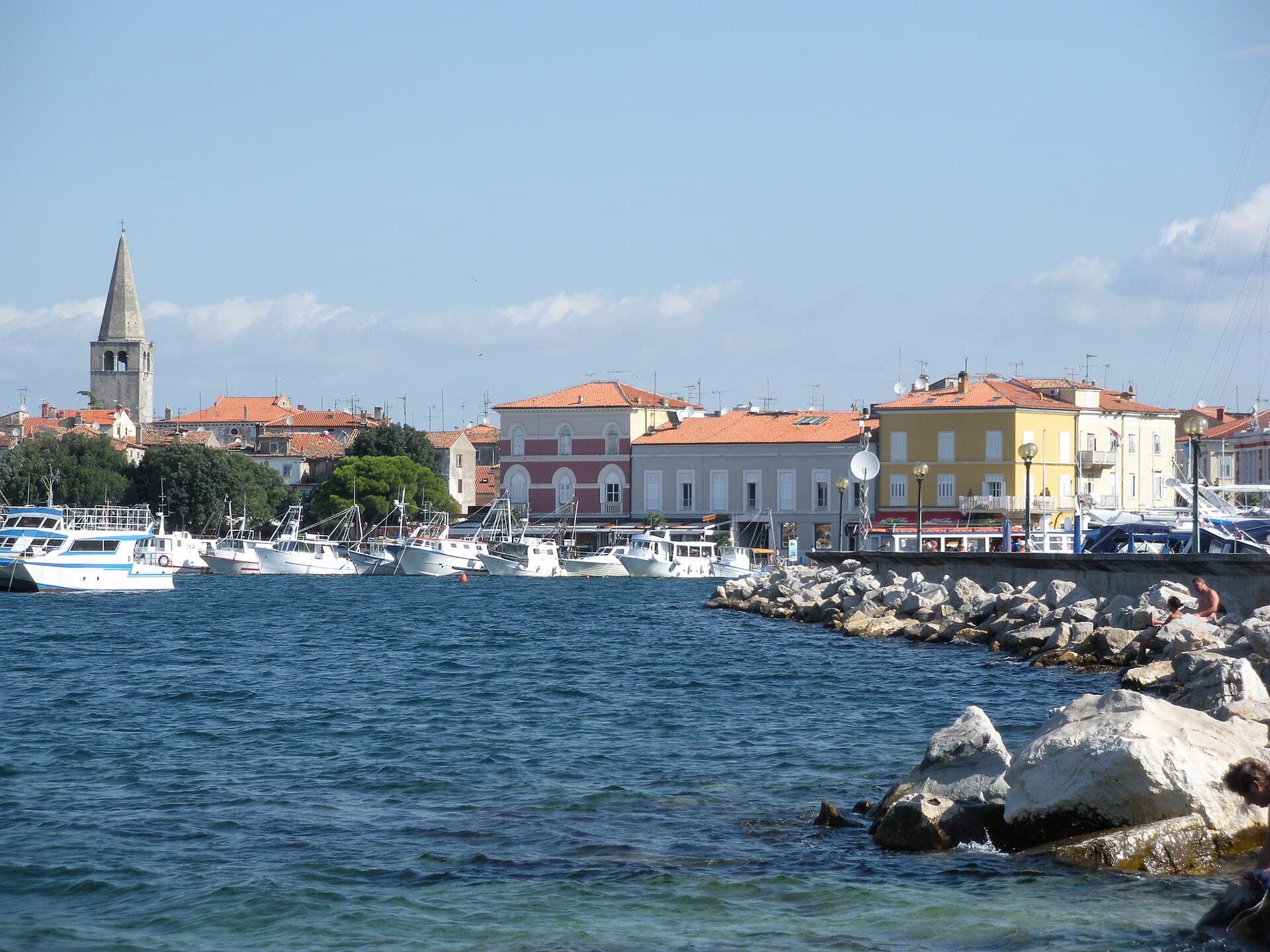
Organise the stay around the distinction between the centre and the wider holiday area. In the centre, a cultural visit can form part of a walk, while beaches, excursions and additional…
Read the guide
Know Sveti Lovreč Pazenatički? Correct us
Tell us in your own words what is not accurate. We check right away.Do not enter personal data. Corrections are checked by the StayBravo AI assistant; changes to the description are approved by an editor. Use the form instead
Do you know Sveti Lovreč Pazenatički?
Help the guests who come after you.
Help us complete
Nothing is published without an editor’s review.Report illegal content
Photo credits: Sveti Lovreč Pazenatički — Rosier at hr.wikipedia (CC BY-SA 3.0) · Sveti Lovreč — Original uploader was en:User:Vid Pogacnik at en.wikipedia (Public domain) · Saint Elijah Church — Florean Fortescue (CC BY 3.0) · Monkodonja — Orlovic (CC BY-SA 4.0) · Sinčić Palace — Maesi64 (CC0) · Euphrasian Basilica — Tiefkuehlfan (CC BY-SA 4.0) · Apartmani Cocolo — Antun Franceschi (courtesy of the property owner) · Bella Stone Old Town — Partner (courtesy of the property owner) · StayBravo App Review Demo — StayBravo App Review (courtesy of the property owner) · Villa Štokovci – privatni bazen, whirlpool i sportski sadržaji u Istrimor Svetvinčenat — Maks Calic (courtesy of the property owner) · Holiday House Šterna — Vjekoslav Simon (courtesy of the property owner) · Novigrad — Sl-Ziga (Public domain) · Funtana — Tanya Dedyukhina (CC BY 3.0) · Pula — Orlovic (CC BY-SA 3.0) · Poreč — Hobe / Holger Behr (Public domain)