
Sveti Lovreč
About this place
Sveti Lovreč is a small fortified town in western inland Istria, between Poreč and Lim Bay. Its historic core preserves sections of walls, towers and town gates, allowing the medieval layout to be understood during a short walk. The principal sacred monument is the Romanesque Basilica of St Martin, which contains important wall paintings. During Venetian rule, the town had an administrative role over a wider area, helping explain the strength of its fortifications compared with the settlement's present size. Stone houses and narrow lanes form a compact core without large-scale tourism facilities. The surrounding countryside is agricultural, with olive groves, vineyards and small villages typical of western inland Istria. Lim Bay lies to the south and Poreč to the west, making Sveti Lovreč easy to include in a day trip between the coast and the interior. A visit does not require much time but provides a clear example of an Istrian fortified settlement that has not become a major resort. It particularly suits travellers interested in architecture, frescoes and quieter historic centres.
Sveti Lovreč was shaped by administration as well as defence: under Venice it served as the seat of the pazenatik, the military authority governing Venetian Istria. That legacy can be read between the Great Gate and the small squares called Placa, Placeta and Funtanela, names still used in local traffic notices. An older layer lies beyond the walls at the village cemetery, where the 8th-century Church of St Lawrence stands beside a Romanesque bell tower added in the 11th century. The settlement’s circular plan reaches back to a prehistoric hillfort, bringing a prehistoric site, an early medieval church and the street pattern of a former Venetian administrative centre into one compact place.
Things to see
A visit to Sveti Lovreč centres on its defensive ring and the Basilica of St Martin. Surviving walls and towers show how the small settlement functioned as a fortified administrative centre, while the town gates lead directly into a network of stone lanes. The Basilica of St Martin is one of the settlement's principal Romanesque monuments and preserves medieval wall paintings. Because the historic core is compact, its main points can be linked on foot without transport. The trip can then continue towards Lim Bay or Poreč, but the preserved relationship between church, fortifications and streets gives Sveti Lovreč its own significance. The transitions between the fortified core and the surrounding agricultural landscape are especially rewarding for photography.
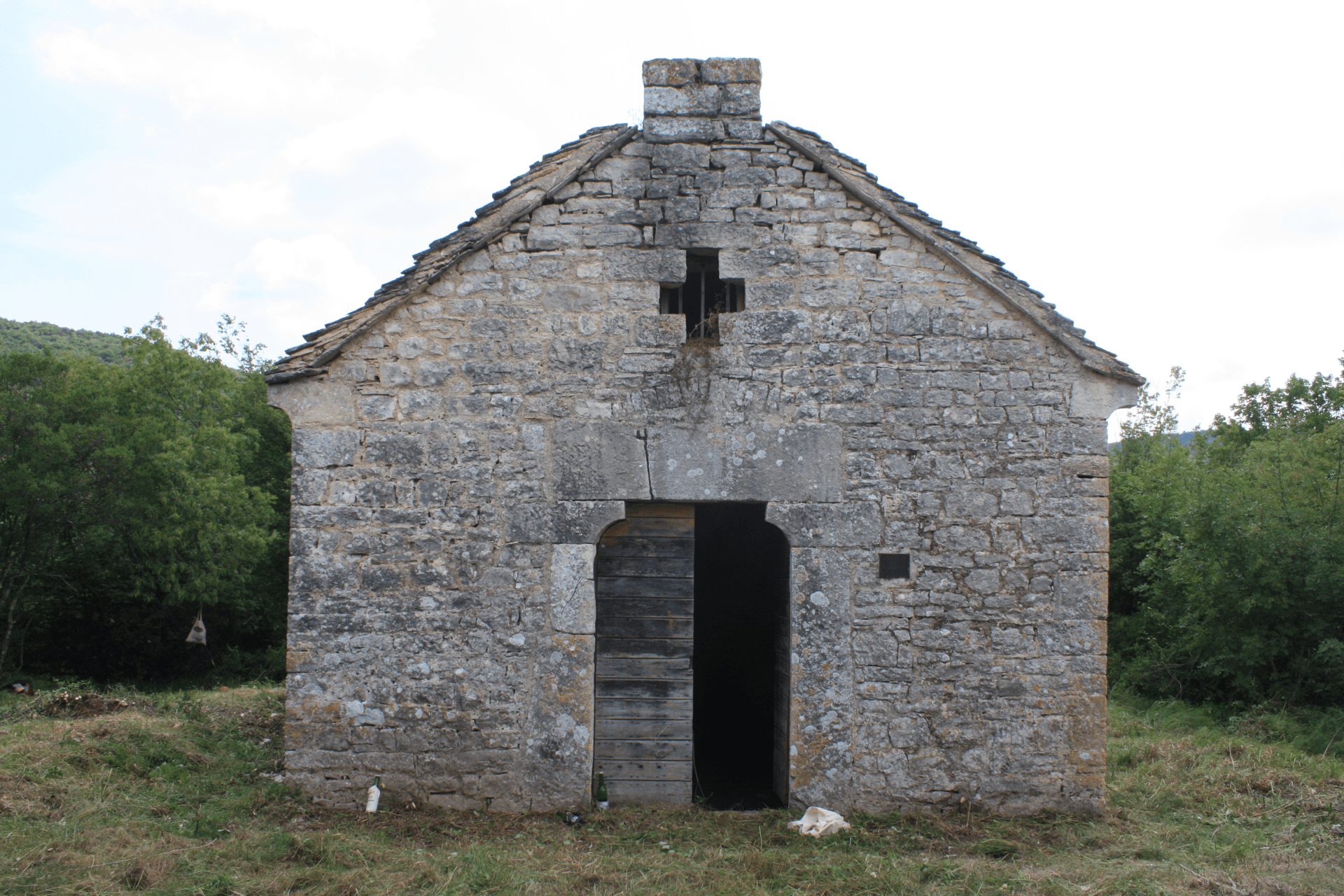
Saint Elijah Church
Landmark · Kanfanar
The Chapel of St Elias near Dvigrad is a protected 15th-century sacred monument in the municipality of Kanfanar.
8 km from Sveti Lovreč

Monkodonja
Landmark · Rovinjsko Selo
Bronze Age hill fort, located near Rovinj, Istria, Croatia
12 km from Sveti Lovreč
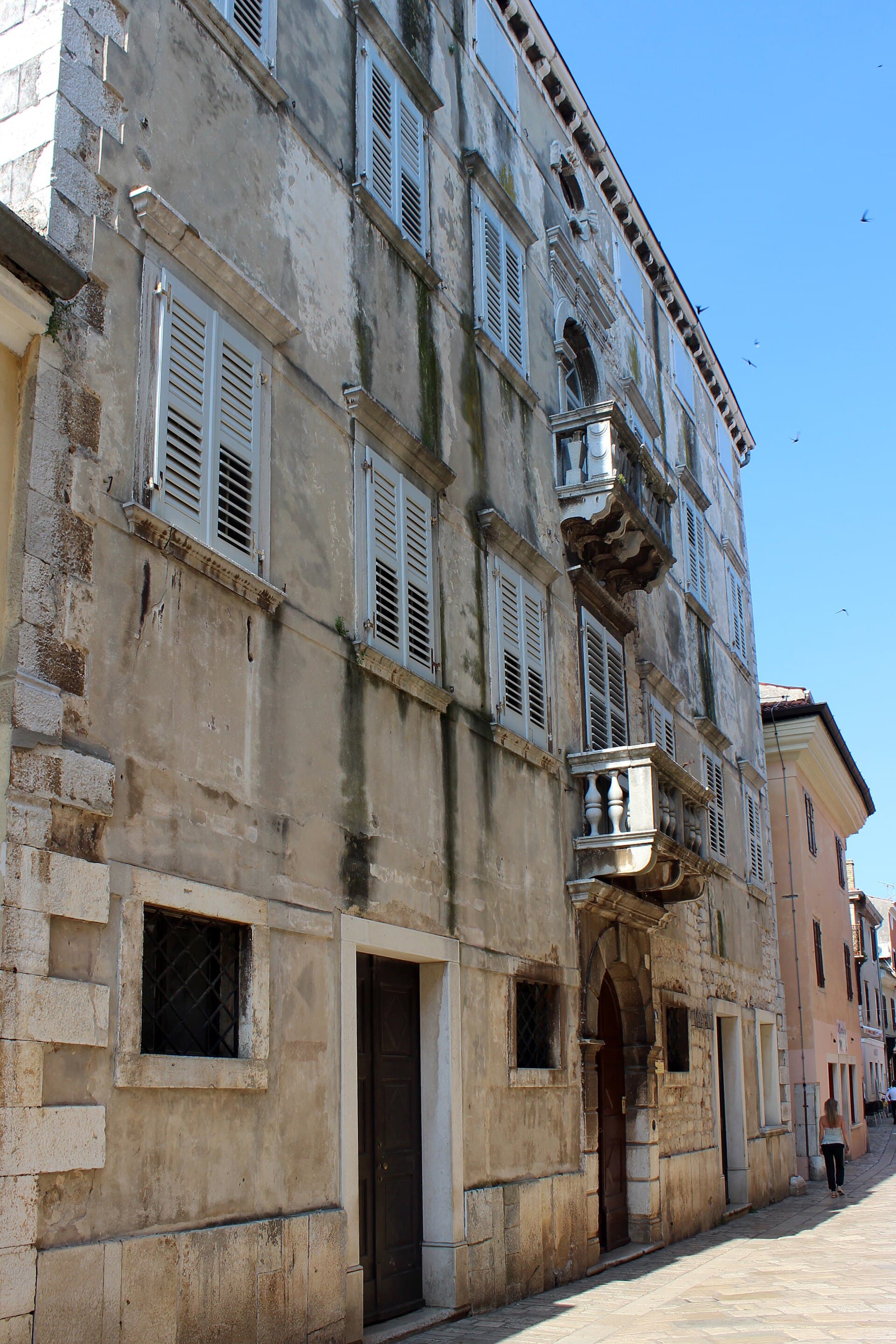
 UNESCO
Stays nearby
- Apartment
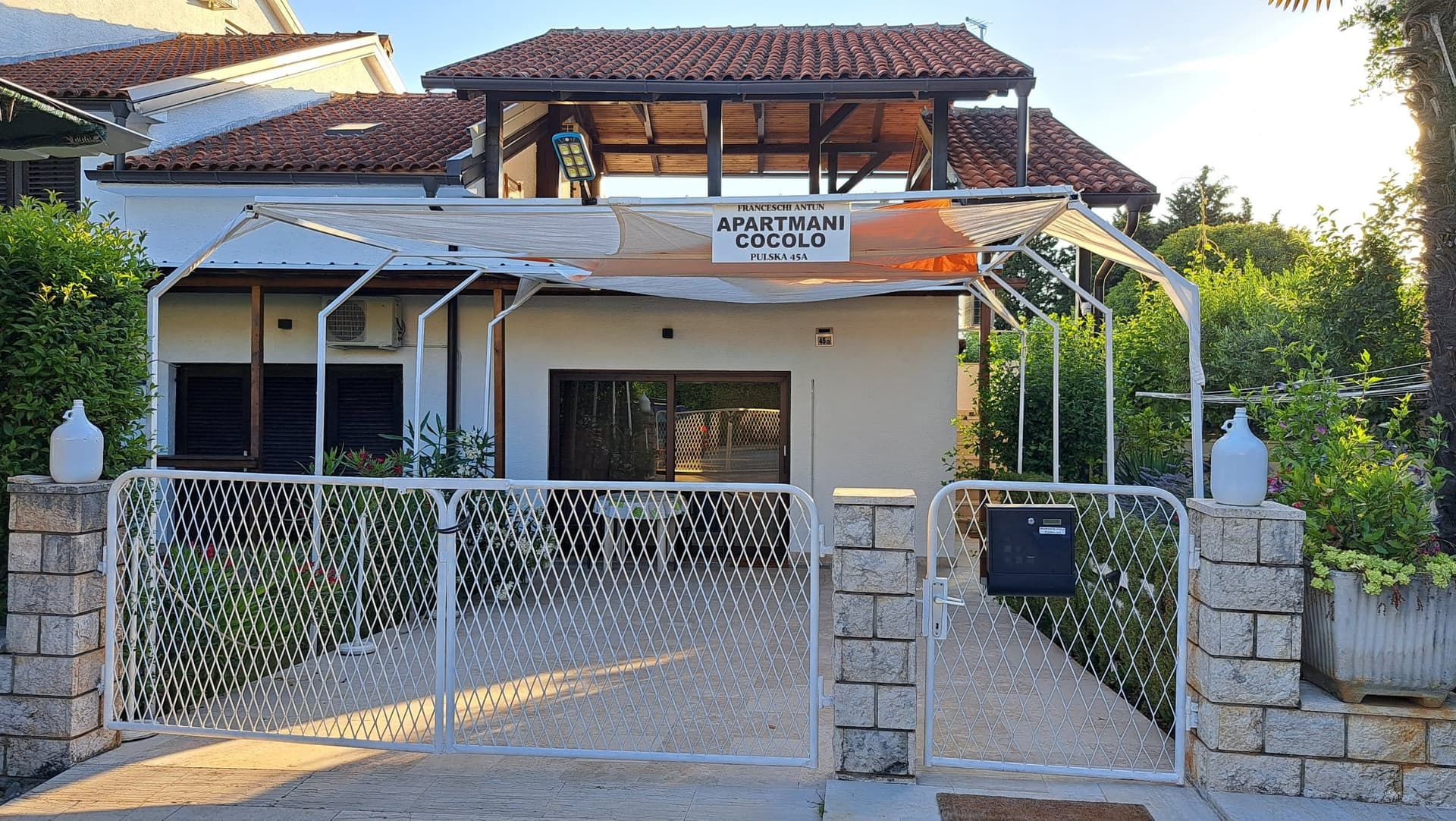 13 km from Sveti Lovreč
- Apartment
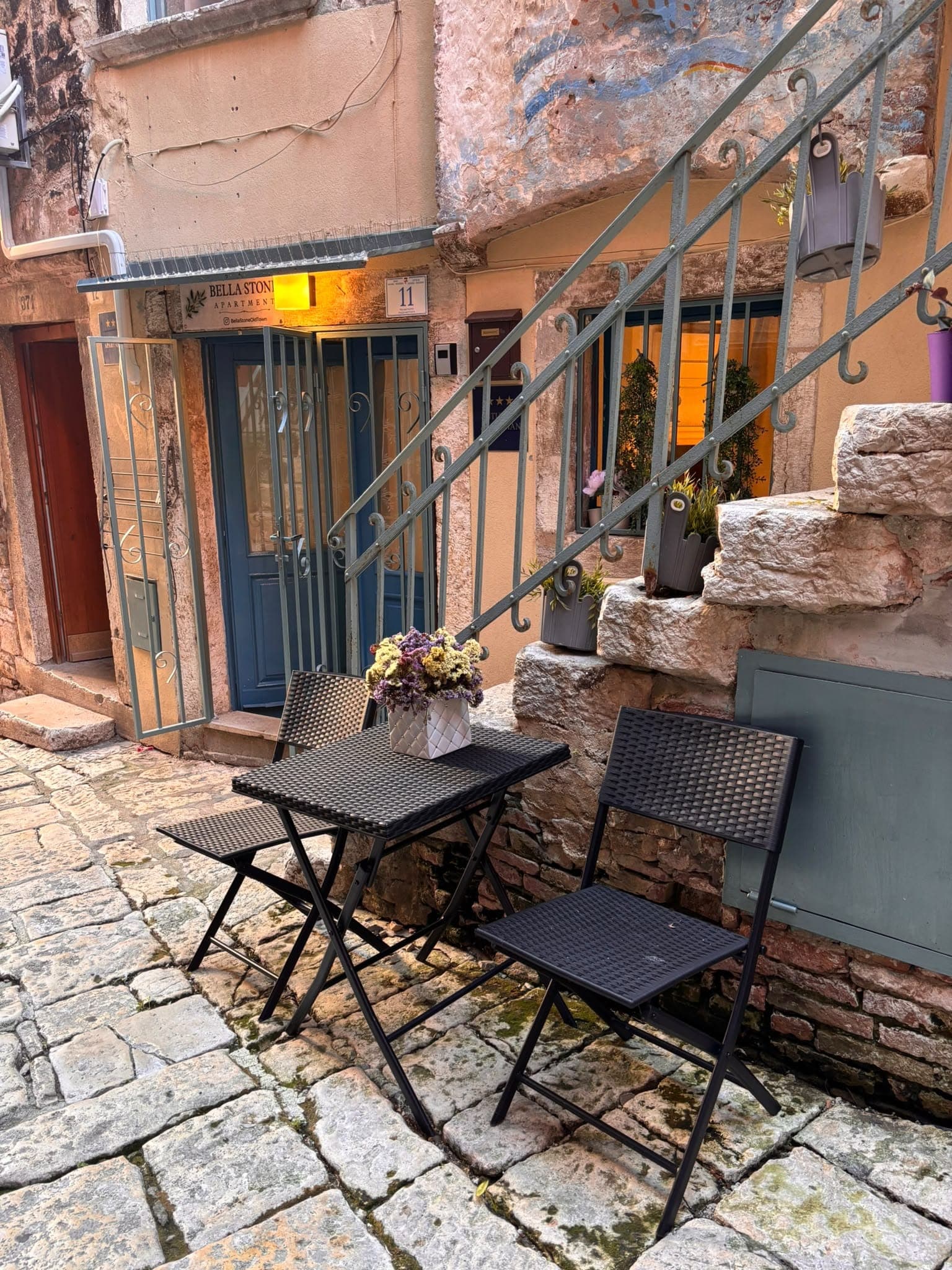 13 km from Sveti Lovreč
- Apartment
 13 km from Sveti Lovreč
- Holiday home
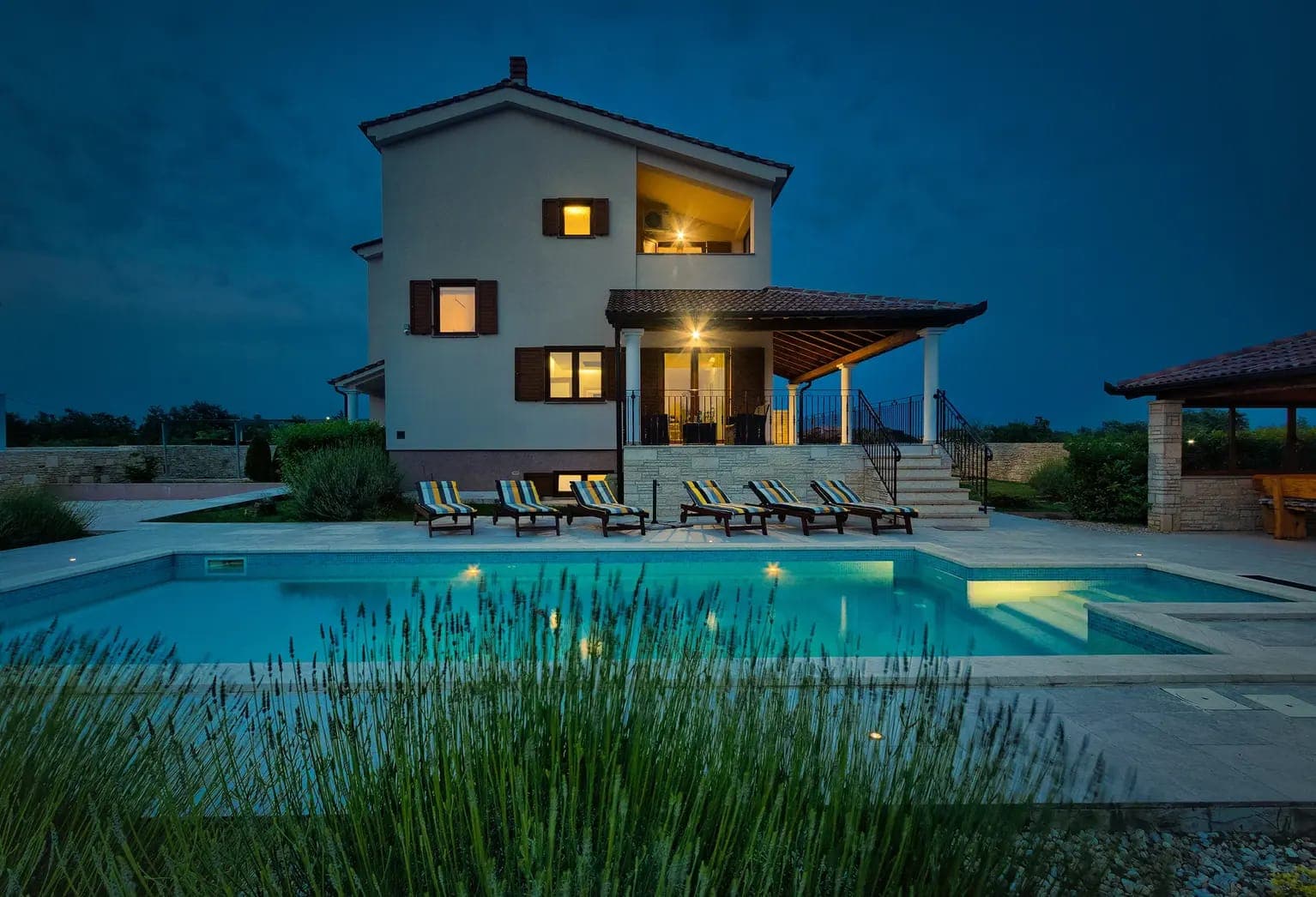 15 km from Sveti Lovreč
Villa Štokovci – privatni bazen, whirlpool i sportski sadržaji u Istrimor Svetvinčenat
Svetvinčenat
up to 10 guests · 4 bedrooms
from €330 / night
Check availability
- Holiday home
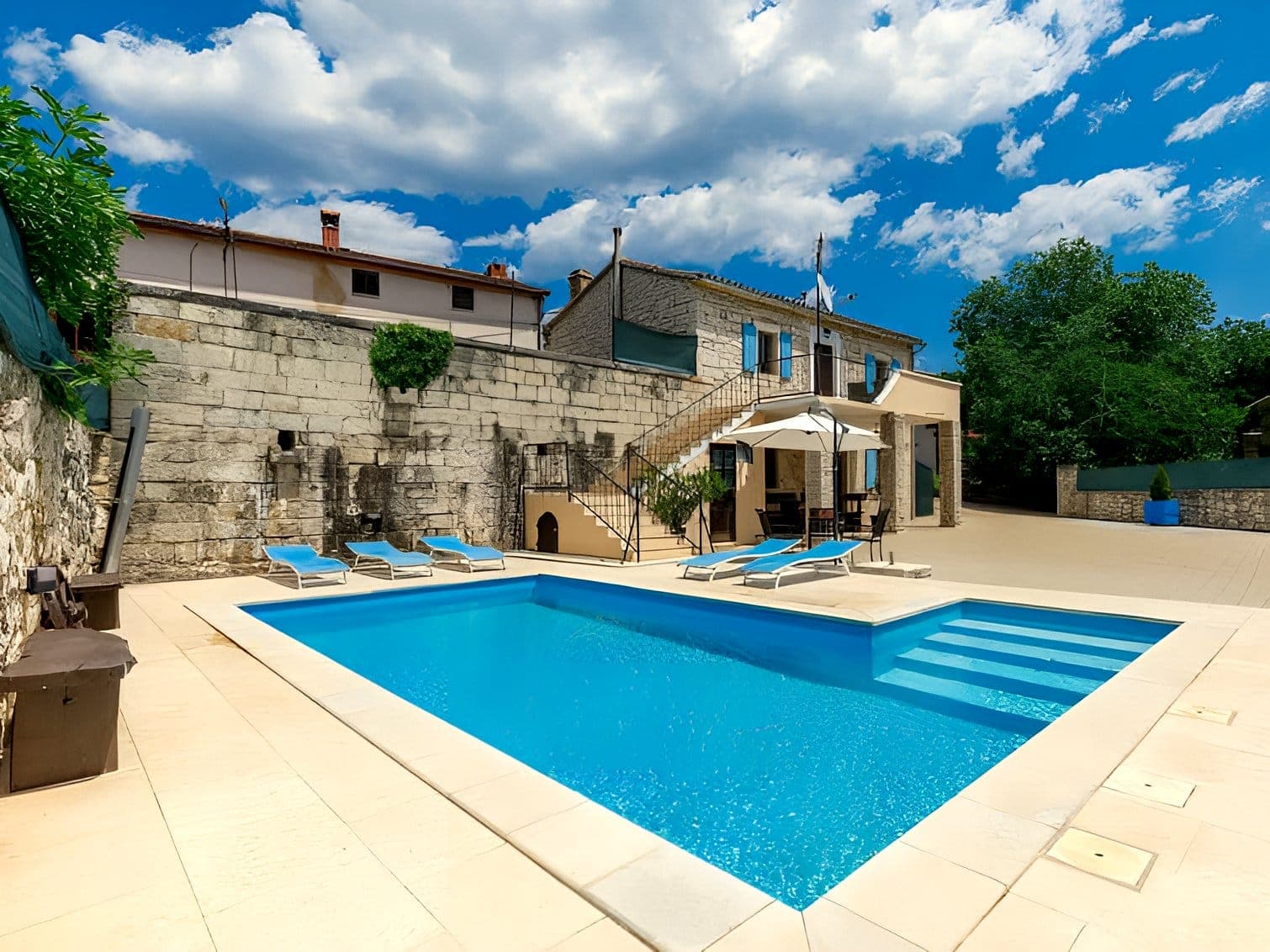 17 km from Sveti Lovreč
Be the first to list here
Guests looking for this place only see stays nearby for now. No commission, and enquiries come straight to you.
List your accommodation
Things to do
Begin a compact walking circuit at the Great Gate on Istarska Street, then link Placa, Placeta and Funtanela within the circular old core. Along the way, follow the walls and towers associated with the Venetian period, when Sveti Lovreč administered the pazenatik. Next, walk out to the local cemetery, where the 8th-century Church of St Lawrence and its 11th-century Romanesque bell tower reveal an earlier sacred landscape. Finish with the view across western Istria: the village’s position behind Poreč and Vrsar makes its former strategic value immediately understandable, and every stop can be reached on foot.
Food and drink
The clearest local food destination lies not inside the old core but in Vošteni, within the Sveti Lovreč area. Tomažova Konoba serves traditional Istrian dishes based on older recipes and highlights its own house-cured prosciutto; the Central Istria tourist board lists it at Vošteni 19. In Sveti Lovreč itself, Pizzeria San Lorenzo stands on Istarska Street along the approach to the Great Gate. Vošteni is the stronger choice for a meal focused on products and cooking from the Lovreština countryside, while San Lorenzo is convenient after walking the walls and small squares of the historic centre.
Tours and activities
AdAd · partner offers: Viator, GetYourGuideThe partner handles booking, payment and support. StayBravo may earn a commission on bookings made through these links.How we choose offersWe choose offers based on the page you are viewing: the partner destination for this place or the nearest one (with its distance), and on a sight page only offers that mention it. We show offers rated at least 4.3 with at least 10 reviews, without multi-day tours or pure transfers, ordered by rating adjusted for the number of reviews and then by the partner’s order. We do not use data about you, and the commission does not affect the order.GetYourGuide offers are selected and ordered by GetYourGuide based on the name of the nearest larger town or national park; we do not influence their selection and do not use data about you.Viator
Nearest destination: Poreč (13 km)
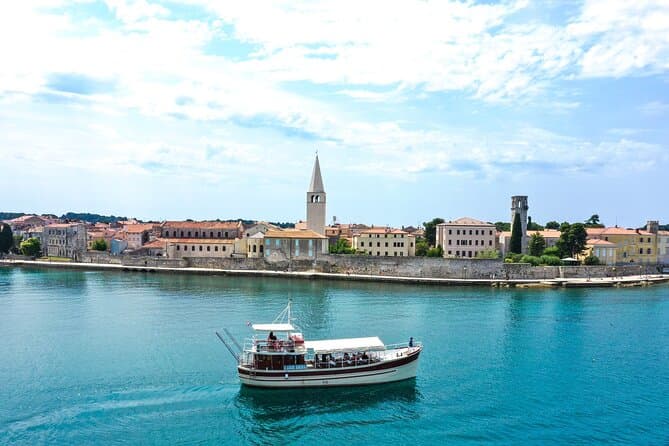
Morning Panorama: Relaxing Among 20 Islands around Poreč Riviera (opens in a new tab)
Start your journey from the port of Poreč, with panoramic view of Istrian west coast. Embark on a boat ride along the coast towards the beautiful town of Vrsar, which will take you on an…
Rated 4.9 out of 5 · 22 reviews· 2 h
Free cancellation
from €24
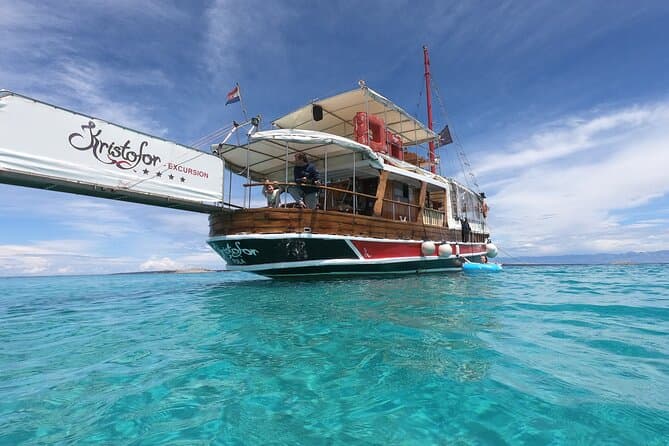
Fish Picnic excursion on Kristofor boat (opens in a new tab)
Ready for a day sea trip from Poreč to Rovinj? Enjoy an amazing view of the west coast of Istria and then a romantic walk through Rovinj. You'll be able to enjoy a delicious lunch on board just…
Rated 4.8 out of 5 · 27 reviews· 7 h
Free cancellation
from €50
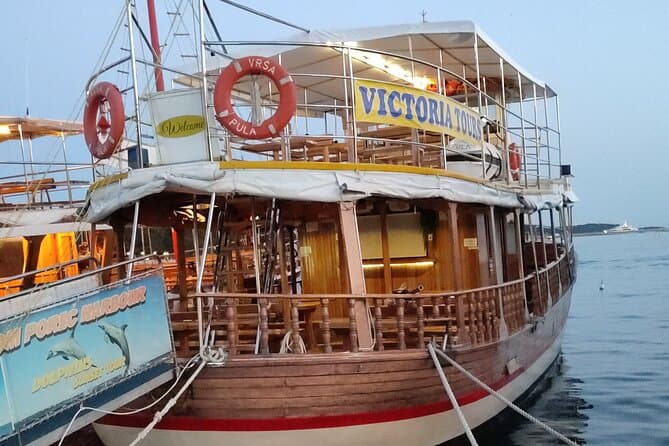
Exploration of the Istrian Coast Poreč Rovinj Lim fjord and Vrsar (opens in a new tab)
Islands, rocks, wildlife, bays, romantic villages... you will see the beautiful Istrian coast, taking a daily excursion with our beautiful wooden boat. Starting from Poreč you can see the various…
Rated 4.7 out of 5 · 42 reviews· 6 h
Free cancellation
from €40
GetYourGuide · Poreč
We show GetYourGuide offers once you allow their cookies.
Practical information
Practical information
Sveti Lovreč is a small settlement, so the historic core can be explored without any need for local transport. The municipal website is the most useful source for local events and practical notices, while the Istria tourism portal gives a clearer overview of the heritage sites and the settlement’s wider location. Stone surfaces, passages beside the walls and summer heat make sturdy footwear and an earlier start useful. Because Sveti Lovreč lies inland in western Istria, it should not be planned as a beach destination; reaching the sea and larger tourism infrastructure requires continuing toward the coast. In 2026, event dates should be checked close to the visit because the local calendar is published seasonally and individual programmes can change.
Parking
Useful parking for the historic centre includes the area behind the bell tower and spaces on Istarska Street near the Great Gate; local notices also identify Placa, Placeta and Funtanela as parking areas. From 14 September 2026, archaeological and utility works in the old core prompted the municipality to direct vehicles outside it, chiefly to parking by Joakim Rakovac Primary School, the kindergarten and the bell tower. Municipal rules require vehicles to remain within marked bays, while coaches, camper vans and lorries may not use public car parks unless a traffic sign explicitly permits them.
Getting there and around
Sveti Lovreč sits inland from Poreč and Vrsar, making a car the most practical way to combine the old core with the coast and the villages of Lovreština. From the Istrian Y motorway, leave at the Baderna interchange and follow local signs for Sveti Lovreč; Istarska Street leads towards the Great Gate. Travellers relying on buses will find a broader choice of connections at Poreč and Rovinj, whose terminals are listed by Istria’s official tourism portal. The village has no urban transit linking its sights, so Placa, Placeta, Funtanela, the walls and the basilica are best explored on foot after arrival.
Frequently asked questions
What is the main Romanesque church in Sveti Lovreč?
The Basilica of St Martin is the principal sacred monument in Sveti Lovreč's historic core.
Are town walls preserved in Sveti Lovreč?
Yes. The historic core retains sections of walls, towers and gates from its former defensive system.
Why did Sveti Lovreč have substantial fortifications?
The town held an important administrative role over the surrounding area during Venetian rule.
Can the centre of Sveti Lovreč be explored on foot?
Yes. The historic core is compact and its main sites are within short walking distances.
Which bay is near Sveti Lovreč?
Lim Bay lies south of Sveti Lovreč and can easily be included in the same excursion.
Nearby
Sveti Lovreč
Open in OpenStreetMap(opens in a new tab)Smaller places
straight-line distance
Related guides

Novigrad
Novigrad-Cittanova developed on Istria’s north-western coast near the mouth of the Mirna, in a maritime setting that shaped centuries of fishing and trade. The historic centre still…
Read the guide
Funtana
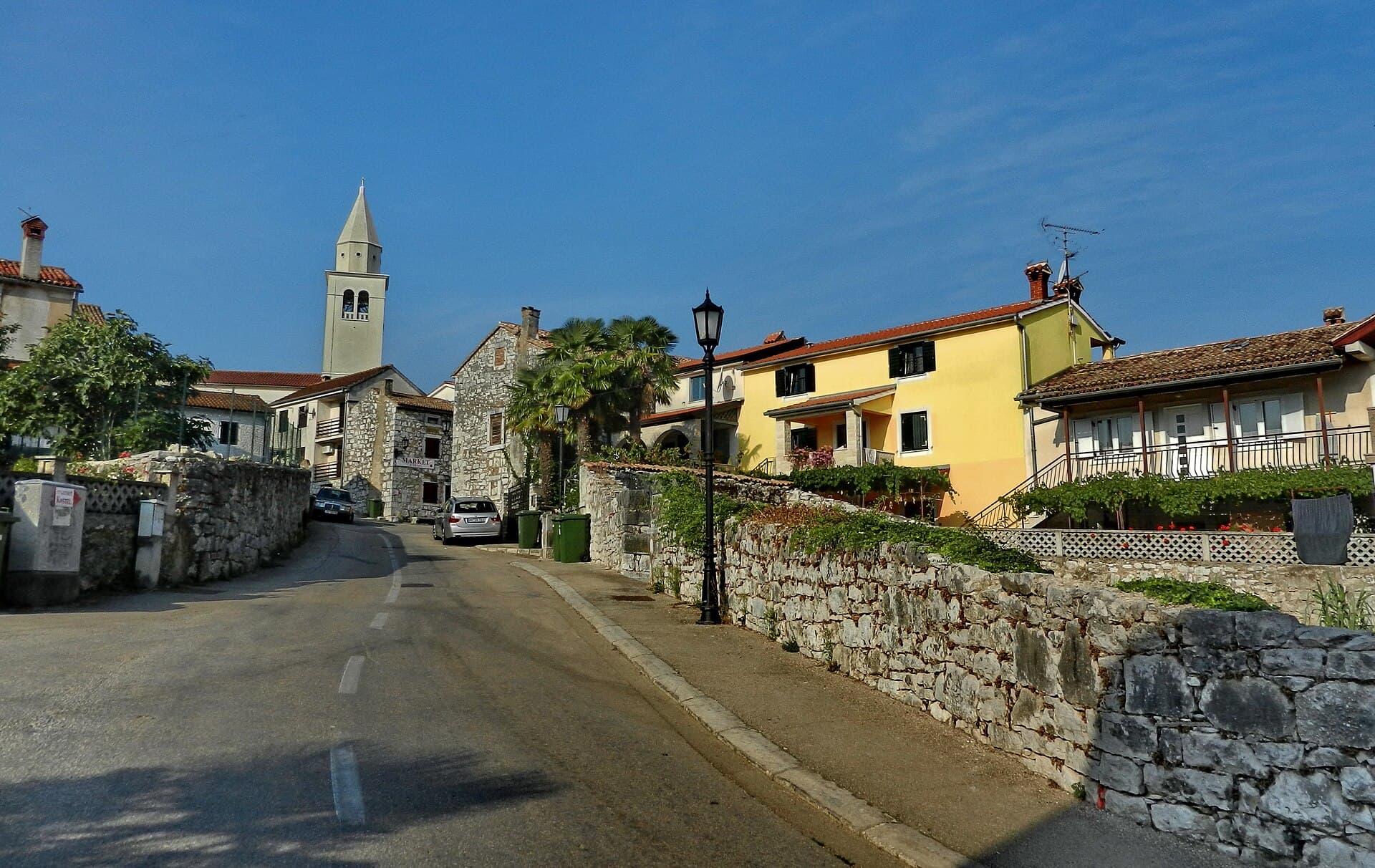
Funtana sits on Istria’s west coast along the Poreč–Vrsar road, while its shoreline extends between Zelena Laguna and Valkanela. The local tourist board links the settlement with a long…
Read the guide
Pula
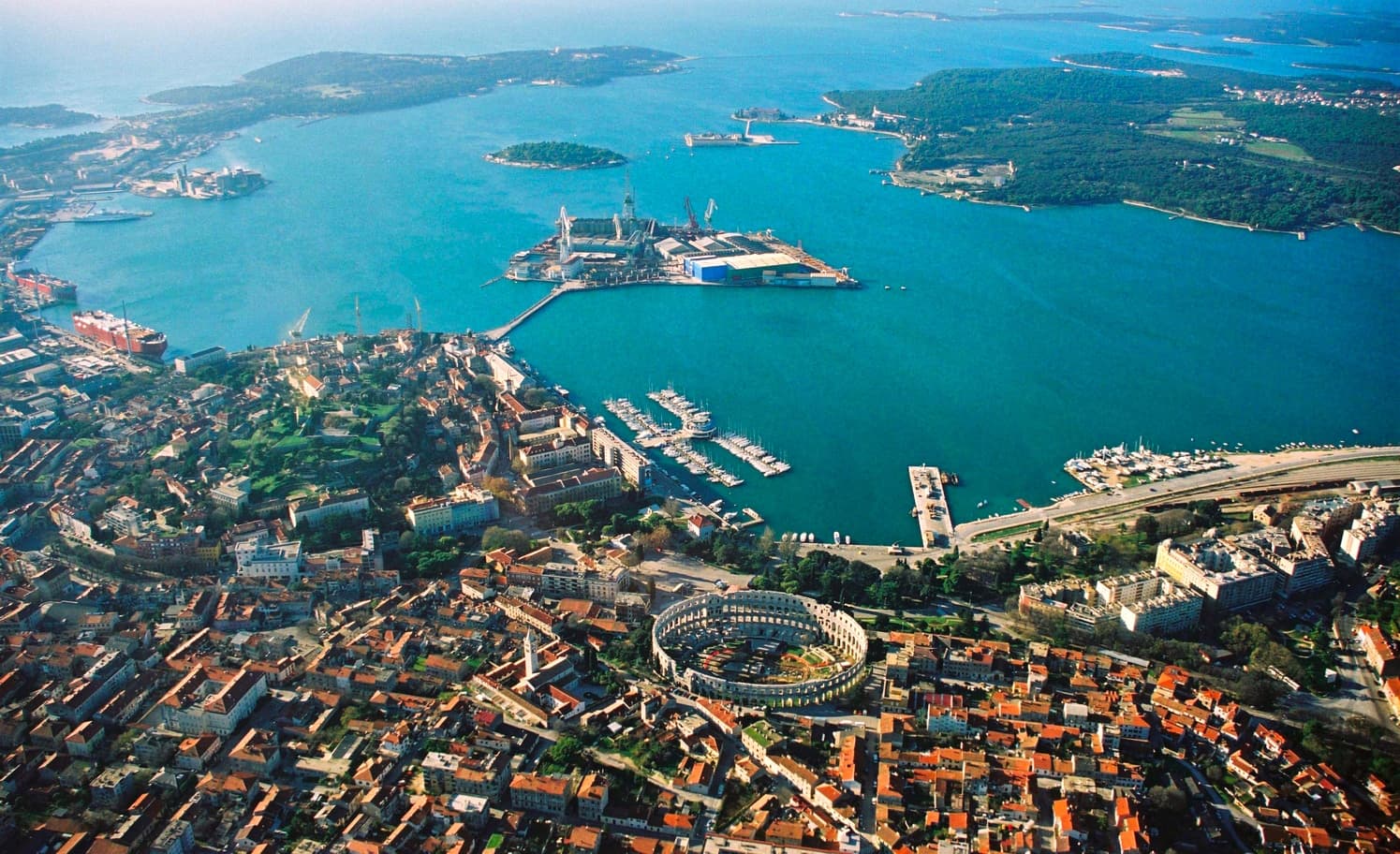
Central Pula offers two connected but different sightseeing strands. One follows public spaces and visible Roman monuments: the Arena, gates, Forum and temple. The other explores museum…
Read the guide
Poreč
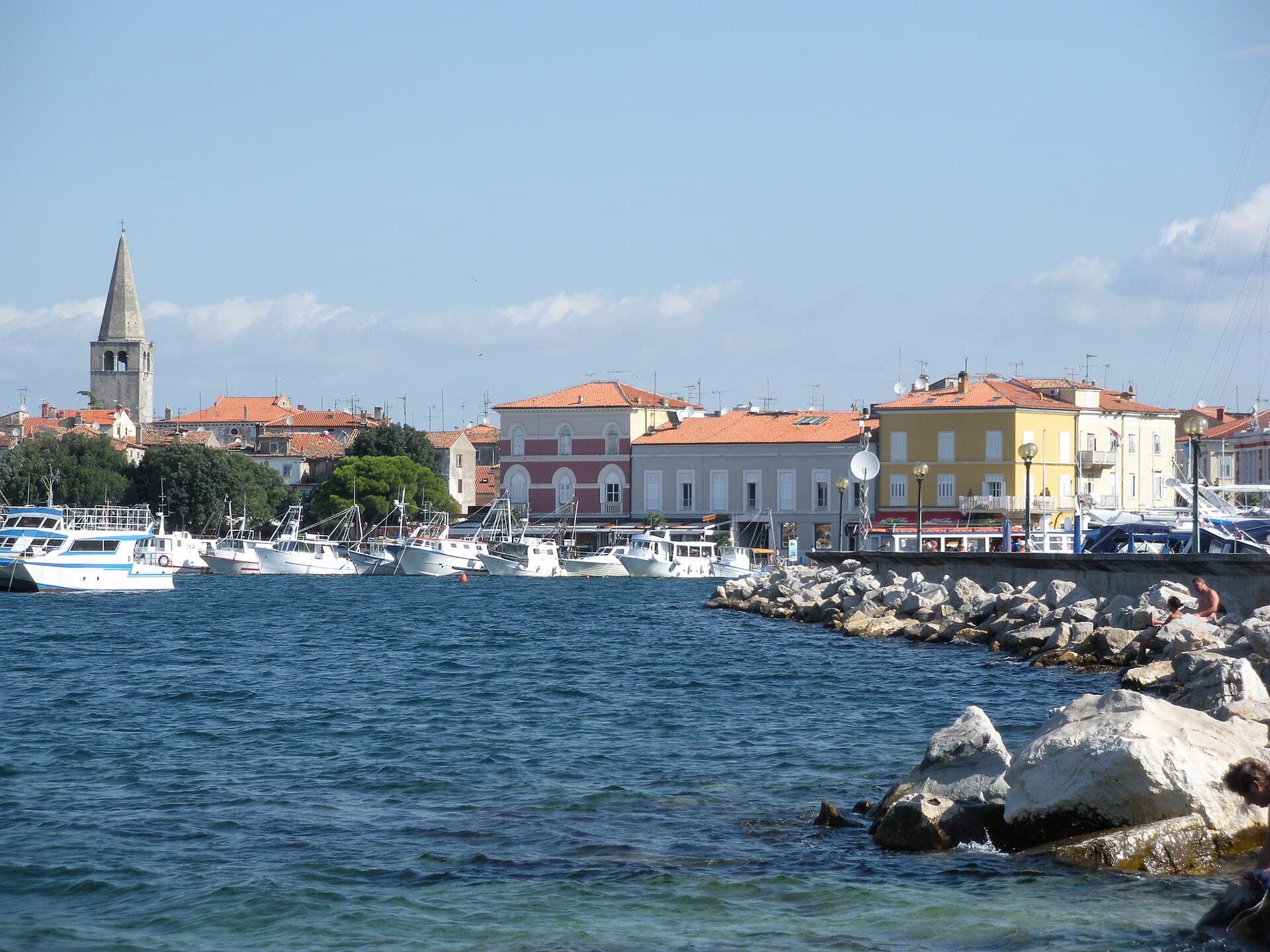
Organise the stay around the distinction between the centre and the wider holiday area. In the centre, a cultural visit can form part of a walk, while beaches, excursions and additional…
Read the guide
Know Sveti Lovreč? Correct us
Tell us in your own words what is not accurate. We check right away.Do not enter personal data. Corrections are checked by the StayBravo AI assistant; changes to the description are approved by an editor. Use the form instead
Do you know Sveti Lovreč?
Help the guests who come after you.
Help us complete
Nothing is published without an editor’s review.Report illegal content
Photo credits: Sveti Lovreč — Original uploader was en:User:Vid Pogacnik at en.wikipedia (Public domain) · Sveti Lovreč Pazenatički — Rosier at hr.wikipedia (CC BY-SA 3.0) · Saint Elijah Church — Florean Fortescue (CC BY 3.0) · Monkodonja — Orlovic (CC BY-SA 4.0) · Sinčić Palace — Maesi64 (CC0) · Euphrasian Basilica — Tiefkuehlfan (CC BY-SA 4.0) · Apartmani Cocolo — Antun Franceschi (courtesy of the property owner) · Bella Stone Old Town — Partner (courtesy of the property owner) · StayBravo App Review Demo — StayBravo App Review (courtesy of the property owner) · Villa Štokovci – privatni bazen, whirlpool i sportski sadržaji u Istrimor Svetvinčenat — Maks Calic (courtesy of the property owner) · Holiday House Šterna — Vjekoslav Simon (courtesy of the property owner) · Novigrad — Sl-Ziga (Public domain) · Funtana — Tanya Dedyukhina (CC BY 3.0) · Pula — Orlovic (CC BY-SA 3.0) · Poreč — Hobe / Holger Behr (Public domain)