
Hum
About this place
Hum is a tiny fortified settlement in inland Istria, seven kilometres from Roč. Its gates, walls, loggia, parish church and elected prefect support its celebrated claim to being the world’s smallest town. Written records first mention it in 1102 as the fortress Castelum Cholm. The compact stone settlement developed within its defences, while its western copper gate now forms the eleventh and final monument of the Glagolitic Alley. This seven-kilometre sequence between Roč and Hum was created from 1977 to 1985 by scholar Josip Bratulić and sculptor Želimir Janeš. Outside the walls, the Church of St Jerome preserves late-12th-century frescoes and the Hum Glagolitic Graffito. Since 2022, the former town loggia and granary have housed the Museum of Hum Aura, whose collection contains almost 1,500 objects arranged in 11 sections. Hum is also associated with biska, a mistletoe brandy, and the traditional election of a prefect for one year. The sea is distant, but walkers can cool off at the Garijak pool on the route towards Kotli and Buzet.
Hum is a well-preserved Istrian settlement in the Buzet area, where walls, a gate, loggia and parish church are compressed into a remarkably small urban plan. The present parish church was built in 1802 on the site of an earlier Romanesque church of St Mary. Along with Roč and Buzet, Hum was an important Croatian Glagolitic centre; evidence includes a graffito in the Church of St Jerome and Glagolitic inscriptions in the ground floor of the Polača. Hum is the finishing point of the Glagolitic Alley, a seven-kilometre road from Roč with eleven monuments. This union of Glagolitic heritage, compact town form and the Alley—not merely its famous “smallest town” label—defines Hum.
Things to see
Hum’s leading religious monument stands outside the walls: St Jerome’s Church preserves frescoes from the second half of the 12th century, including scenes of the Annunciation, Last Supper, Kiss of Judas, Crucifixion and Entombment. The Hum Graffito is scratched into the painted walls, making the church central to the town’s Glagolitic heritage. Hum’s copper gate concludes the Glagolitic Alley, a sequence of 11 monuments created between 1977 and 1985. Opened in 2022, the Museum of Hum Aura displays almost 1,500 objects across 11 themed sections devoted to a schoolroom, pharmacy, post office, distillery, traditional crafts, fresco painting and the Glagolitic script.

Stays nearby
- Holiday home
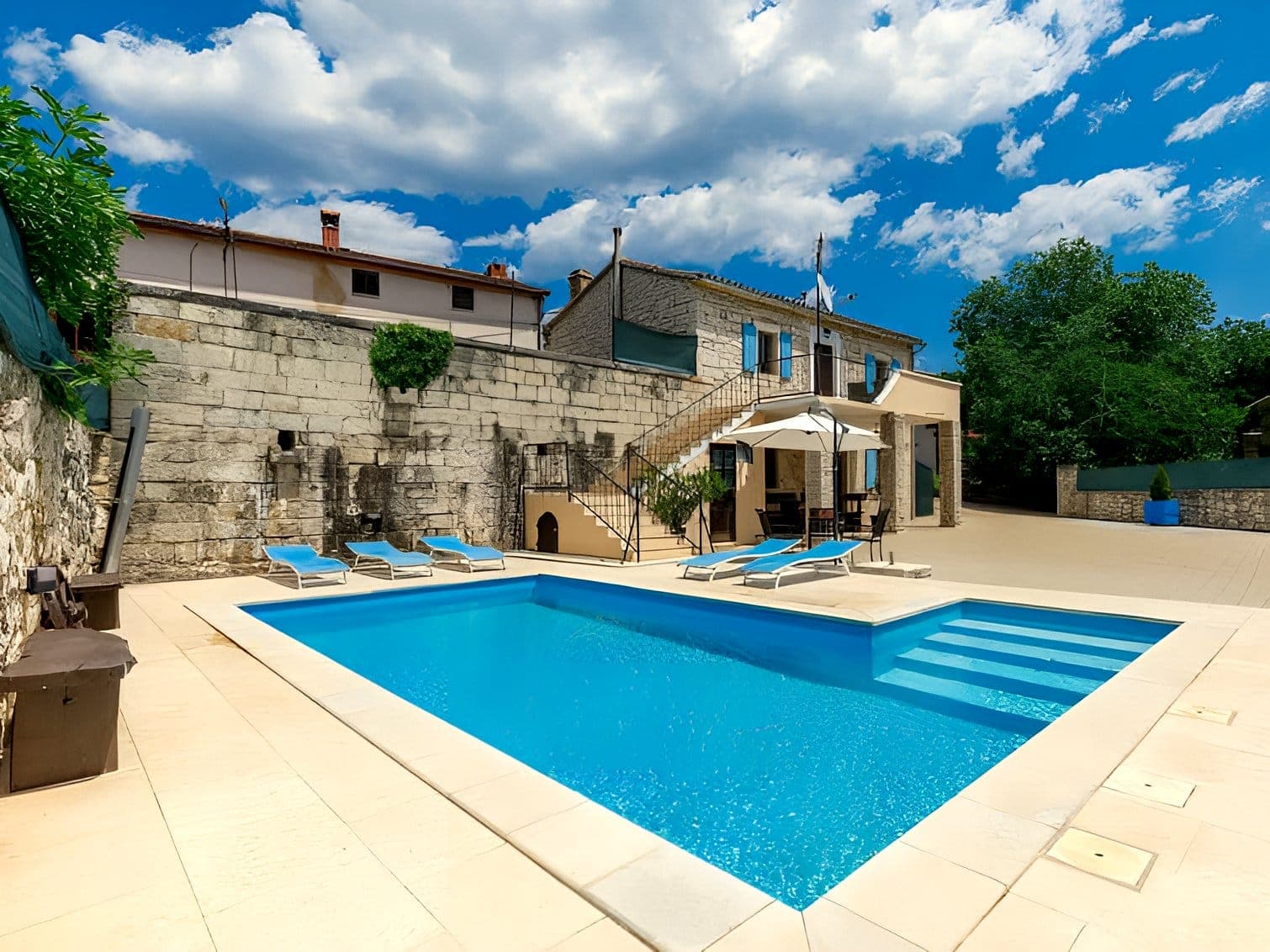 15 km from Hum
Be the first to list here
Guests looking for this place only see stays nearby for now. No commission, and enquiries come straight to you.
List your accommodation
Beaches
Hum has no seaside beach because it lies in inland Istria above the headwaters of the Mirna. The official Buzet–Kotli–Hum walking route nevertheless passes Garijak, a natural pool identified as a place for swimming and cooling off. Garijak is not a developed Adriatic beach, so visitors should not expect lifeguards, changing cabins or the services found at coastal resorts. From Hum, the pool belongs to a more substantial walking excursion through the Mirna valley and Kotli rather than a quick trip to the shore. The published Buzet–Kotli–Hum section covers 12 kilometres and is estimated at about four hours of easy walking.
Things to do
For a full day on foot, take the roughly 30-kilometre Buzet–Kotli–Hum–Buzet circuit, which requires about ten hours; the shorter Buzet–Kotli–Hum section covers 12 kilometres in around four hours. The route follows the Mirna, branches towards the Blizanci canyon and passes Garijak pool and Kotli’s old watermills before climbing to Hum. A more compact outing begins in Roč and follows the seven-kilometre Glagolitic Alley past eleven sculptural monuments. Its final work, Hum’s copper town gate, leads straight into the fortified settlement. From there, the town’s two tiny streets provide a natural finish at the loggia and the stone Prefect’s Table associated with Hum’s traditional annual election.
Food and drink
Konoba Hum forms part of the historic settlement itself, and the official walking-route description highlights it for traditional Istrian cooking. Specialities associated with this stop include Istrian supa, nedeva and Hum’s biska. Biska is a mistletoe brandy whose original recipe is linked to Hum and its parish priest, making it a particularly relevant tasting after the Glagolitic sights. The Museum of Hum Aura also offers biska in its recreated distillery, where visitors can fill a small bottle and write their own label. Hum has very few dining options, so checking the tavern directly before making a special journey is sensible.
Tours and activities
AdAd · partner offers: Viator, GetYourGuideThe partner handles booking, payment and support. StayBravo may earn a commission on bookings made through these links.How we choose offersWe choose offers based on the page you are viewing: the partner destination for this place or the nearest one (with its distance), and on a sight page only offers that mention it. We show offers rated at least 4.3 with at least 10 reviews, without multi-day tours or pure transfers, ordered by rating adjusted for the number of reviews and then by the partner’s order. We do not use data about you, and the commission does not affect the order.GetYourGuide offers are selected and ordered by GetYourGuide based on the name of the nearest larger town or national park; we do not influence their selection and do not use data about you.Viator
Nearest destination: Central Croatia (25 km)

Mreznica Waterfalls Kayaking Adventure Near Plitvice Lakes (opens in a new tab)
Discover the hidden canyon of the Mreznica River, just 30 minutes from Plitvice Lakes. Unlike crowded tourist attractions, this kayaking adventure takes you through crystal-clear water, small…
Rated 5 out of 5 · 147 reviews· 4 h
Free cancellation
from €55
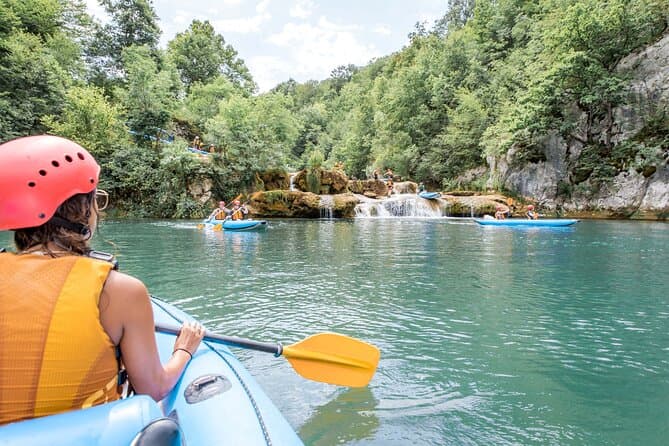
Kayaking at the Mreznica Canyon (opens in a new tab)
Get back to nature on a small-group Mrežnica Canyon kayaking tour (max 16 people vs standard 20+). Enjoy the upper canyon of Mreznica between Primislje and Trzic, the most beautiful part of the…
Rated 5 out of 5 · 184 reviews· 3 h
Free cancellation
from €50
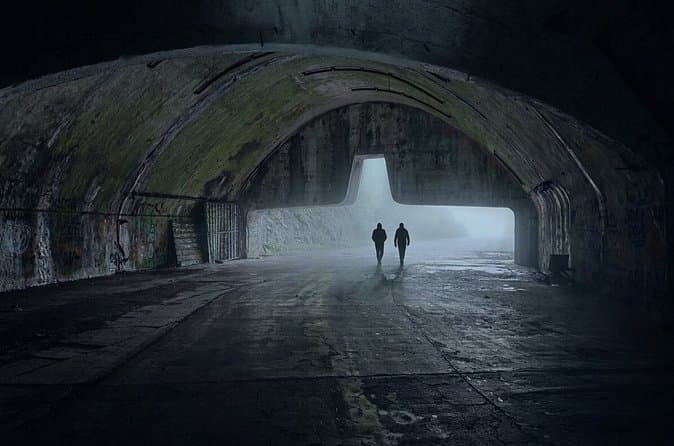
Zeljava Airbase: History and Adventure Tour/Plitvice (opens in a new tab)
Explore the abandoned military complex of Zeljava Airbase with a local guide. Discover its strategic role during the Cold War and its connection to the fall of Yugoslavia. Wander through massive…
Rated 5 out of 5 · 96 reviews· 2 h
Free cancellation
from €50

3,5 hours Guided Buggy Tour in Plitvice lakes (opens in a new tab)
If you like a combination of adrenaline and nature, then Inspiration Resort is the right place for you! We offer you an unforgettable adventure - guided tours on buggy vehicles in the surroundings…
Rated 5 out of 5 · 73 reviews· 3.5 h
Free cancellation
from €129
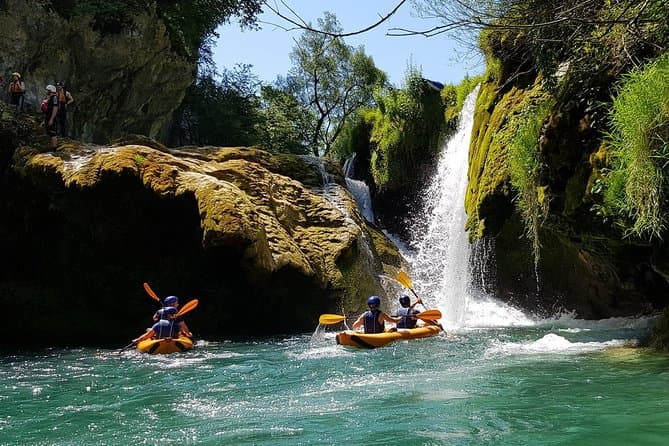
Kayaking Mrežnica river (opens in a new tab)
We’re passing through the most beautiful part of Mrežnica, length of 5 kilometers with abundance of magical places for swimming and recreation. You will pass in total 9 waterfalls and 3 rapids…
Rated 4.9 out of 5 · 171 reviews· 4 h
Free cancellation
from €65

Kayaking in Mreznica Waterfalls near Slunj and Plitvice Lakes (opens in a new tab)
This is a unique opportunity to discover one of the most beautiful rivers in Croatia ho is hidden in the canyon and you can explore her only by kayaking. You'll be able to make amazing memories of…
Rated 5 out of 5 · 56 reviews· 3 h
Free cancellation
from €50
GetYourGuide · Pazin
We show GetYourGuide offers once you allow their cookies.
Practical information
Practical information
Visitor information for Hum is provided by the Buzet Tourist Board, whose office is at Šetalište Vladimira Gortana 9 in Buzet. The Museum of Hum Aura is at Hum 8 and supplies audio guides in Croatian, English, German, Italian and French. According to the official visitor information, the key to St Jerome’s Church is kept at the tavern, so its interior is not as freely accessible as Hum’s lanes and outdoor monuments. Sturdy footwear is useful for the Glagolitic Alley, whose 11 monuments are distributed along seven kilometres of road between Roč and Hum.
Parking
Hum has public parking areas for which the City of Buzet sets a seasonal charging period. In 2026, payment applies from 3 April through 25 October, every day between 10:00 and 18:00, including public holidays and non-working days. Visitors should leave their vehicle in the designated area before exploring the compact historic core on foot, as its short stone lanes are not intended for tourist traffic. Check the parking machine or the current Park d.o.o. tariff for the applicable charge: the city’s 2026 decision specifies the dates and hours of collection but does not state the price in its text.
Getting there and around
Hum is reached by road via Roč, along the final stretch of the Glagolitic Alley, which runs seven kilometres between the two Istrian places. Rail travellers can use Hum u Istri station on the Pula–Buzet line; HŽ Passenger Transport’s timetable for 13 April to 12 December 2026 lists it between Lupoglav and Borut. The stone gate of Hum is beyond the station by road, so local transport or a car is the most practical way to combine the town walls with the Glagolitic Alley.
Frequently asked questions
Where does the Glagolitic Alley end?
The Alley ends at the Gate of Hum after 11 monuments spread across seven kilometres from Roč.
What can be seen in St Jerome’s Church?
The church preserves late-12th-century frescoes, biblical scenes and the celebrated Hum Graffito.
When is parking charged in Hum in 2026?
Parking charges apply from 3 April to 25 October 2026, daily between 10:00 and 18:00.
What is Hum biska?
Biska is a mistletoe brandy whose original recipe is associated with Hum and its parish priest.
When did the Museum of Hum Aura open?
The museum opened in 2022 inside Hum’s former town loggia and granary, known as the Fontik.
Nearby
Hum
Open in OpenStreetMap(opens in a new tab)straight-line distance
Related guides

Novigrad
Novigrad-Cittanova developed on Istria’s north-western coast near the mouth of the Mirna, in a maritime setting that shaped centuries of fishing and trade. The historic centre still…
Read the guide
Funtana
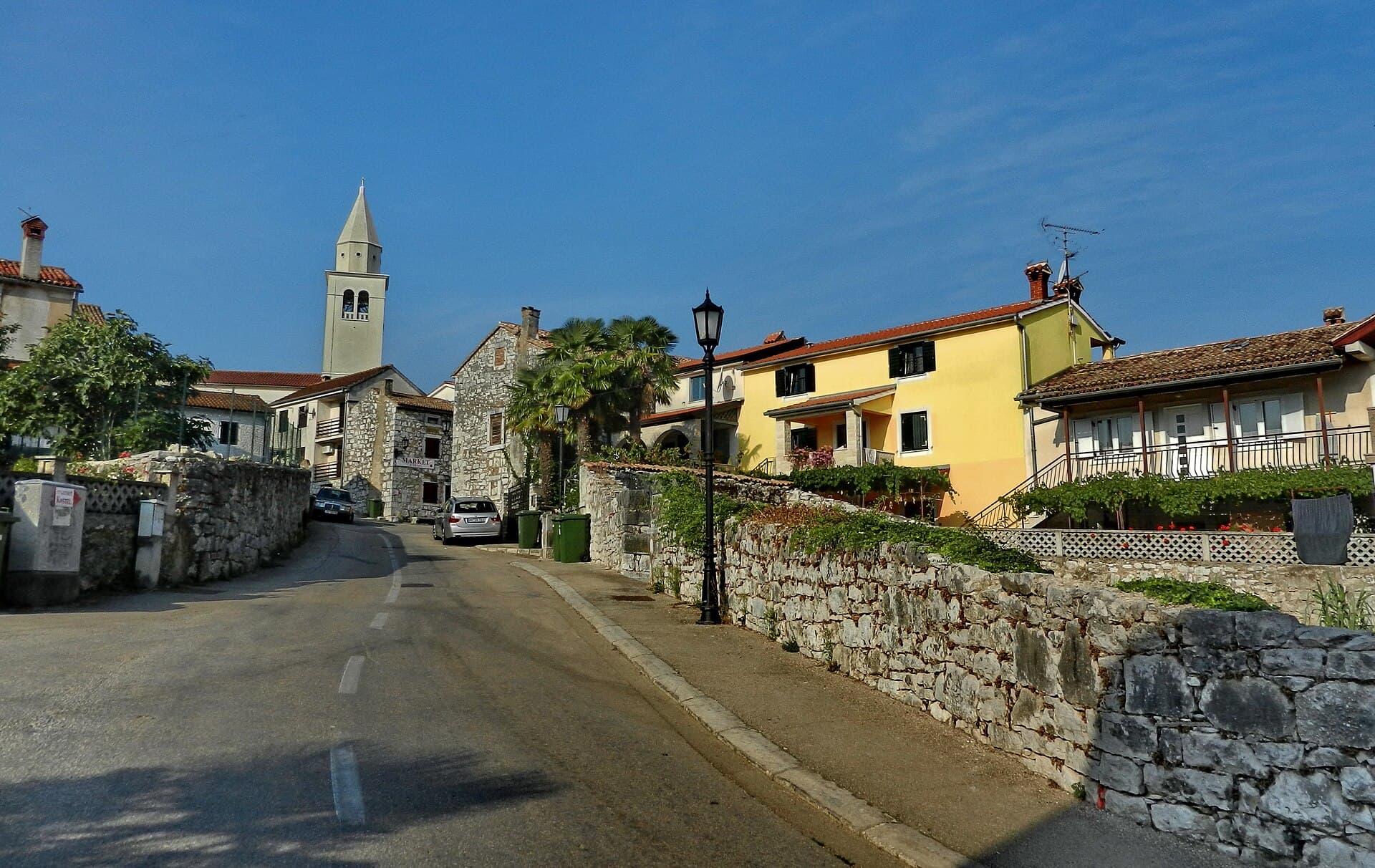
Funtana sits on Istria’s west coast along the Poreč–Vrsar road, while its shoreline extends between Zelena Laguna and Valkanela. The local tourist board links the settlement with a long…
Read the guide
Pula
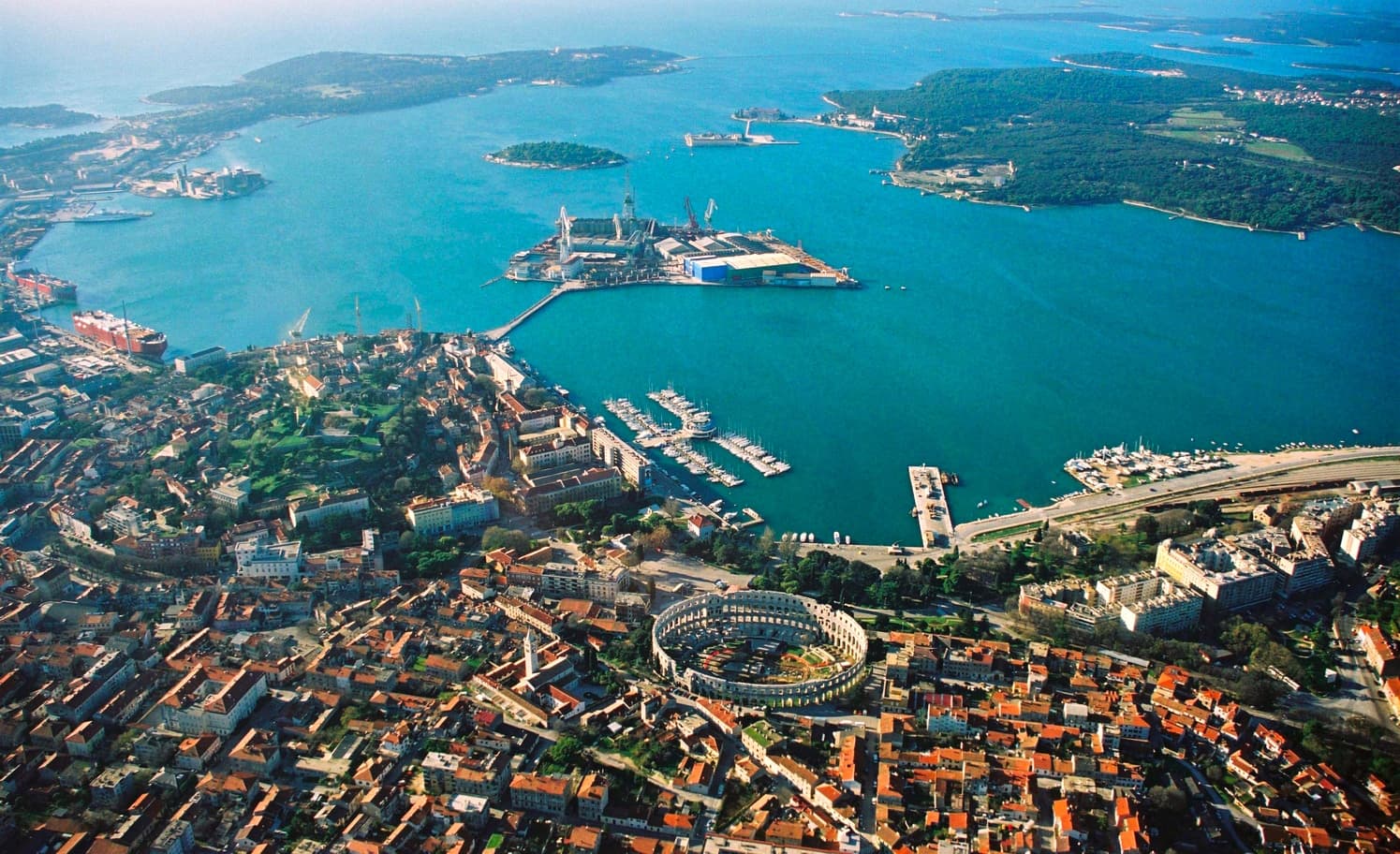
Central Pula offers two connected but different sightseeing strands. One follows public spaces and visible Roman monuments: the Arena, gates, Forum and temple. The other explores museum…
Read the guide
Poreč
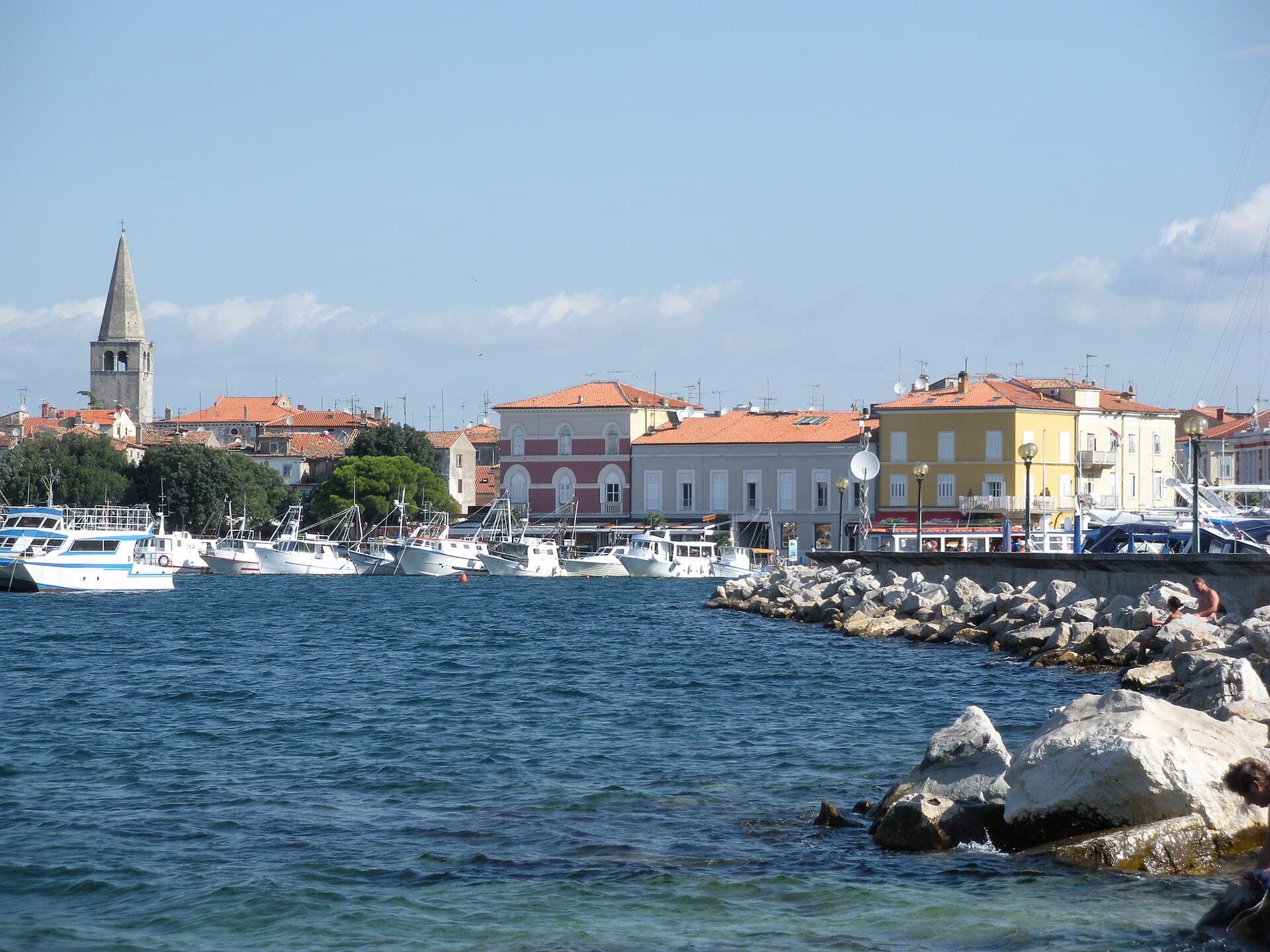
Organise the stay around the distinction between the centre and the wider holiday area. In the centre, a cultural visit can form part of a walk, while beaches, excursions and additional…
Read the guide
Know Hum? Correct us
Tell us in your own words what is not accurate. We check right away.Do not enter personal data. Corrections are checked by the StayBravo AI assistant; changes to the description are approved by an editor. Use the form instead
Do you know Hum?
Help the guests who come after you.
Help us complete
Nothing is published without an editor’s review.Report illegal content
Photo credits: Hum — Anton.ash (CC BY-SA 4.0) · Ročko Polje — Ante Perkovic (CC BY-SA 3.0) · Draguć — Croq (CC BY-SA 3.0) · Borut — Cborna (CC BY-SA 4.0) · Posert Castle, Pietrapelosa — Dinko Gubic (CC BY-SA 3.0) · Belaj Castle — MSmateo (CC BY-SA 4.0) · Zarečki krov — Christian Pietzsch (CC BY-SA 3.0) · Holiday House Šterna — Vjekoslav Simon (courtesy of the property owner) · Novigrad — Sl-Ziga (Public domain) · Funtana — Tanya Dedyukhina (CC BY 3.0) · Pula — Orlovic (CC BY-SA 3.0) · Poreč — Hobe / Holger Behr (Public domain)