
Krupa
About this place
Krupa is a settlement within the City of Obrovac, beside the river of the same name, the largest tributary of the Zrmanja. Krupa Monastery and its Church of the Dormition dominate the village centre; the local tourism board records substantial expansion during the 18th century and the restoration that gave the complex its present appearance in 1855. Both the surrounding cultural landscape of the Krupa River and the monastery are protected, with the monastery classified as cultural heritage of national significance. Downstream, below Golubić, Kudin Bridge crosses the river roughly 500 metres from the Krnjeza confluence. This dry-stone structure is 109 metres long, averages 1.5 metres wide and comprises twelve tufa arches with three smaller openings. It was built around the turn of the 19th century above a ten-metre waterfall, downstream from the Deveterac tufa cascades. Krupa is therefore a destination for sacred heritage, river scenery and more demanding walking, not a conventional seaside stay. The tourism board also highlights family outings, cycling and trail routes, although the serpentine approach and separate access points require some advance planning.
Krupa is a sub-Velebit settlement of the City of Obrovac, built beside the Krupa River, the Zrmanja’s largest tributary. Krupa Monastery and the Church of the Dormition dominate the village, surrounded by a river landscape separately registered as protected cultural heritage. The monastery itself is classified as cultural heritage of national significance. Its buildings were expanded during the 18th century, while restoration in 1855 gave both the church and complex their present appearance. This meeting of Orthodox sacred heritage, a karst spring and a green river valley gives Krupa an identity markedly different from the coastal settlements around Obrovac.
Things to see

Stays further afield
- Villa
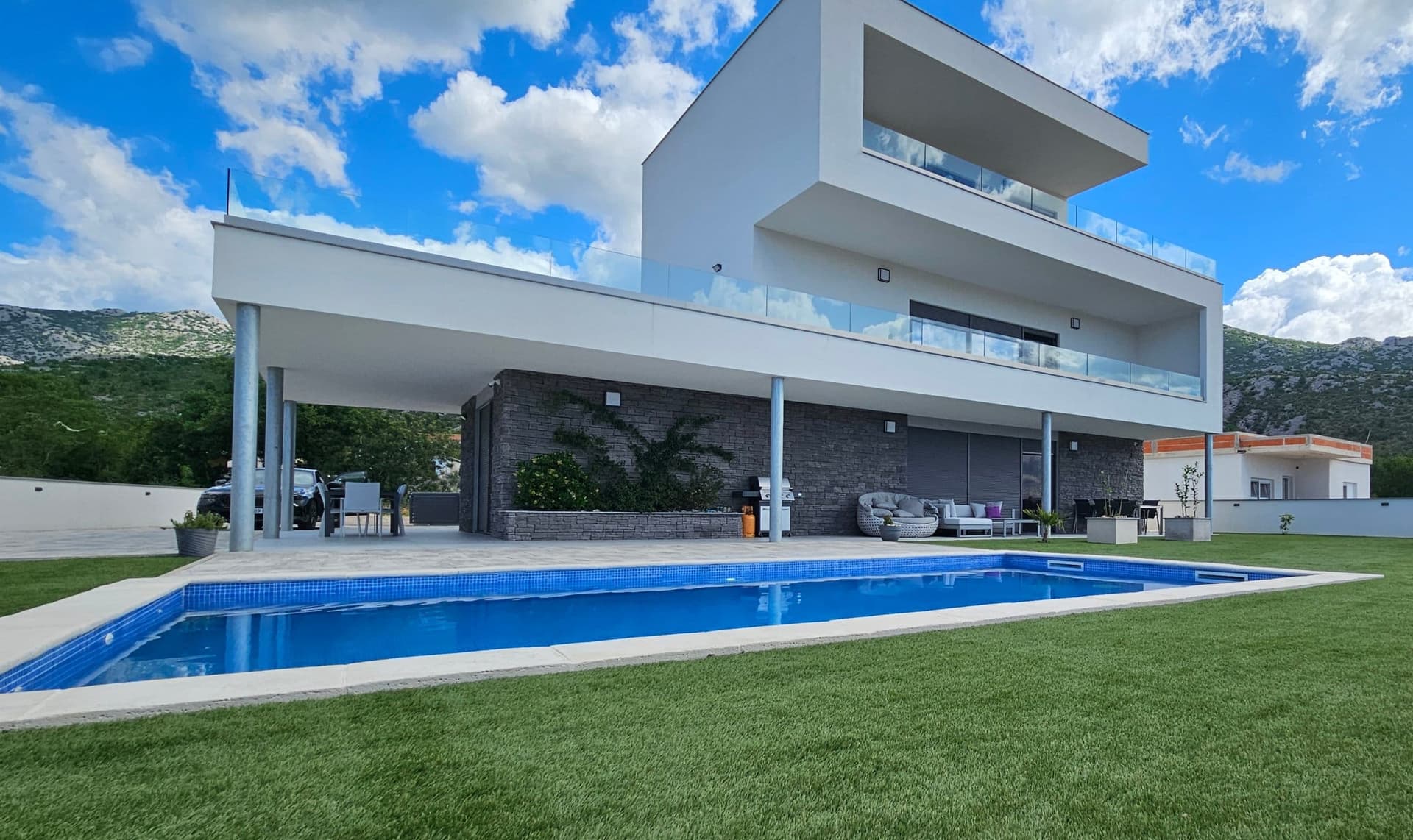 35 km from Krupa
- Apartment
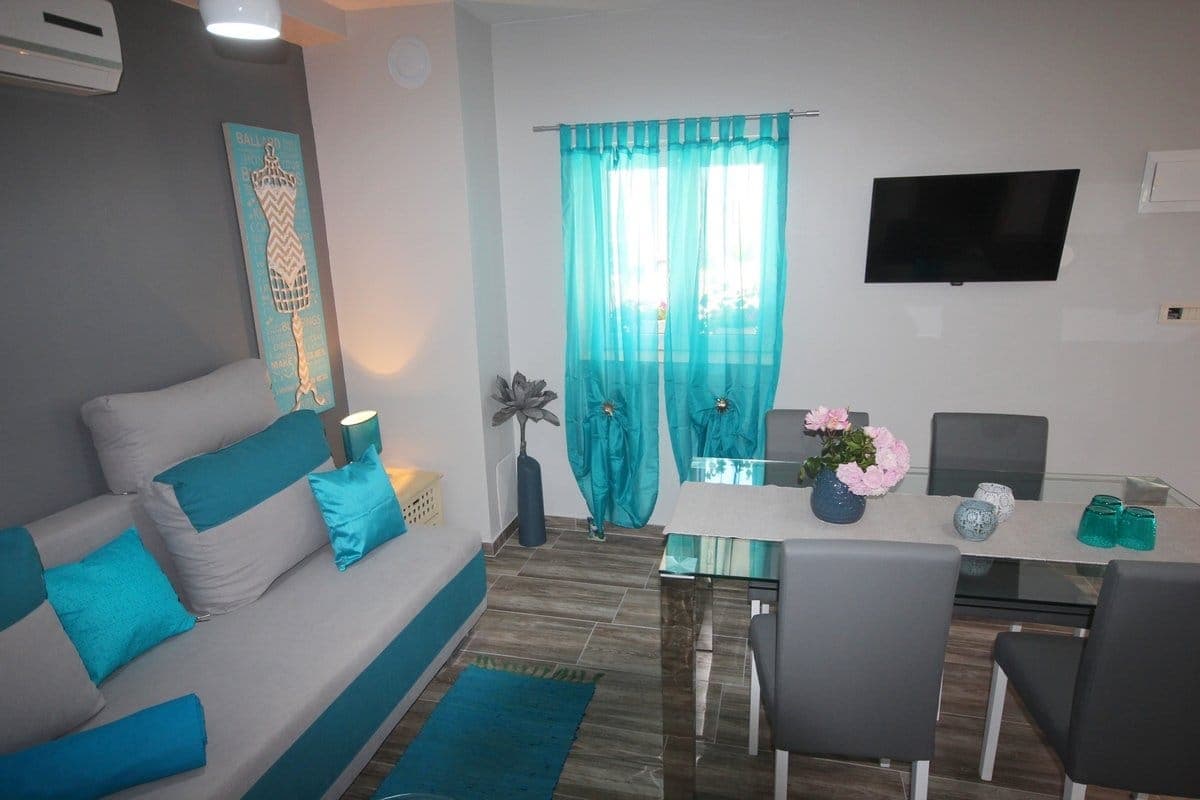 49 km from Krupa
- Apartment
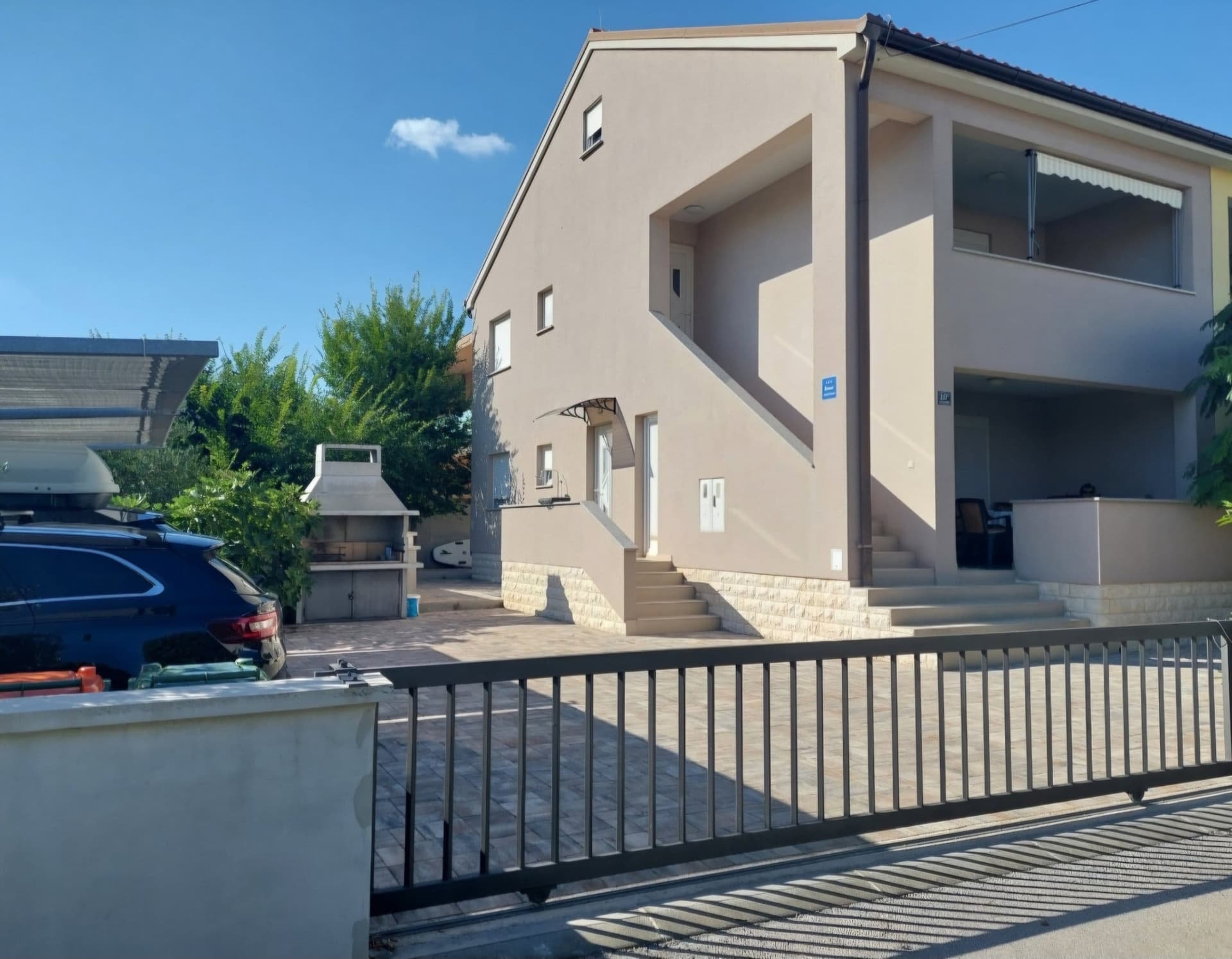 51 km from Krupa
- Apartment
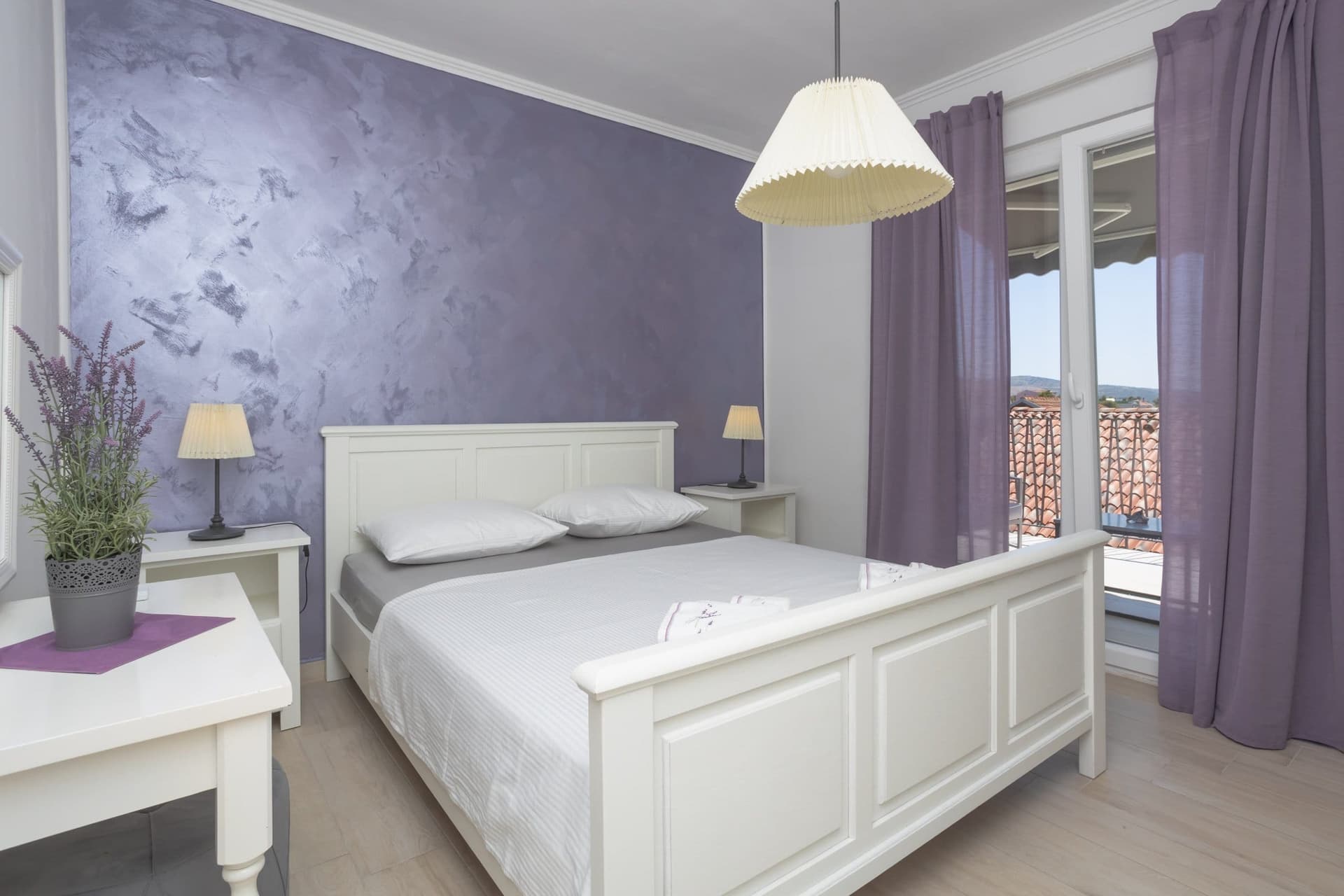 60 km from Krupa
- Apartment
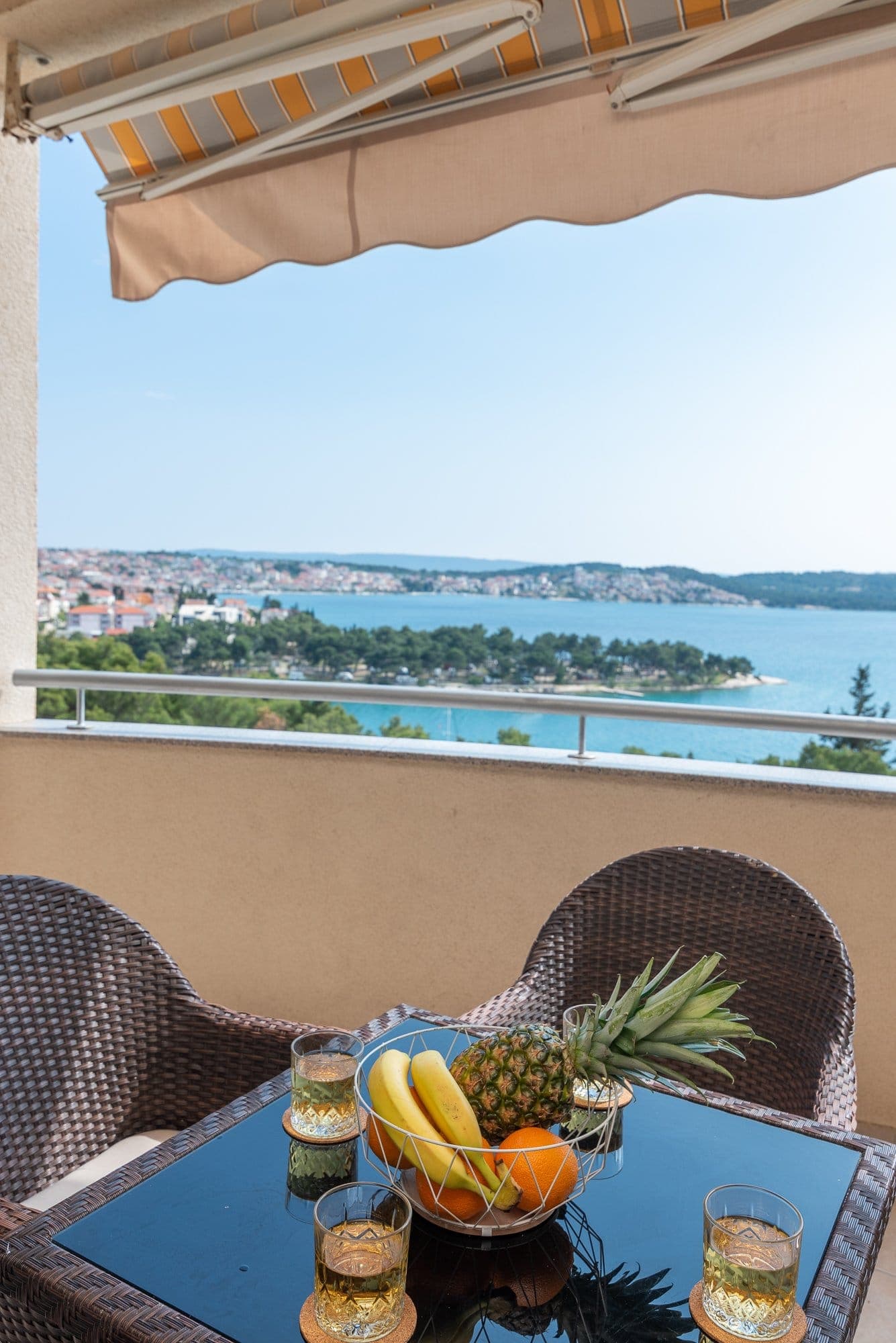 80 km from Krupa
- Apartment
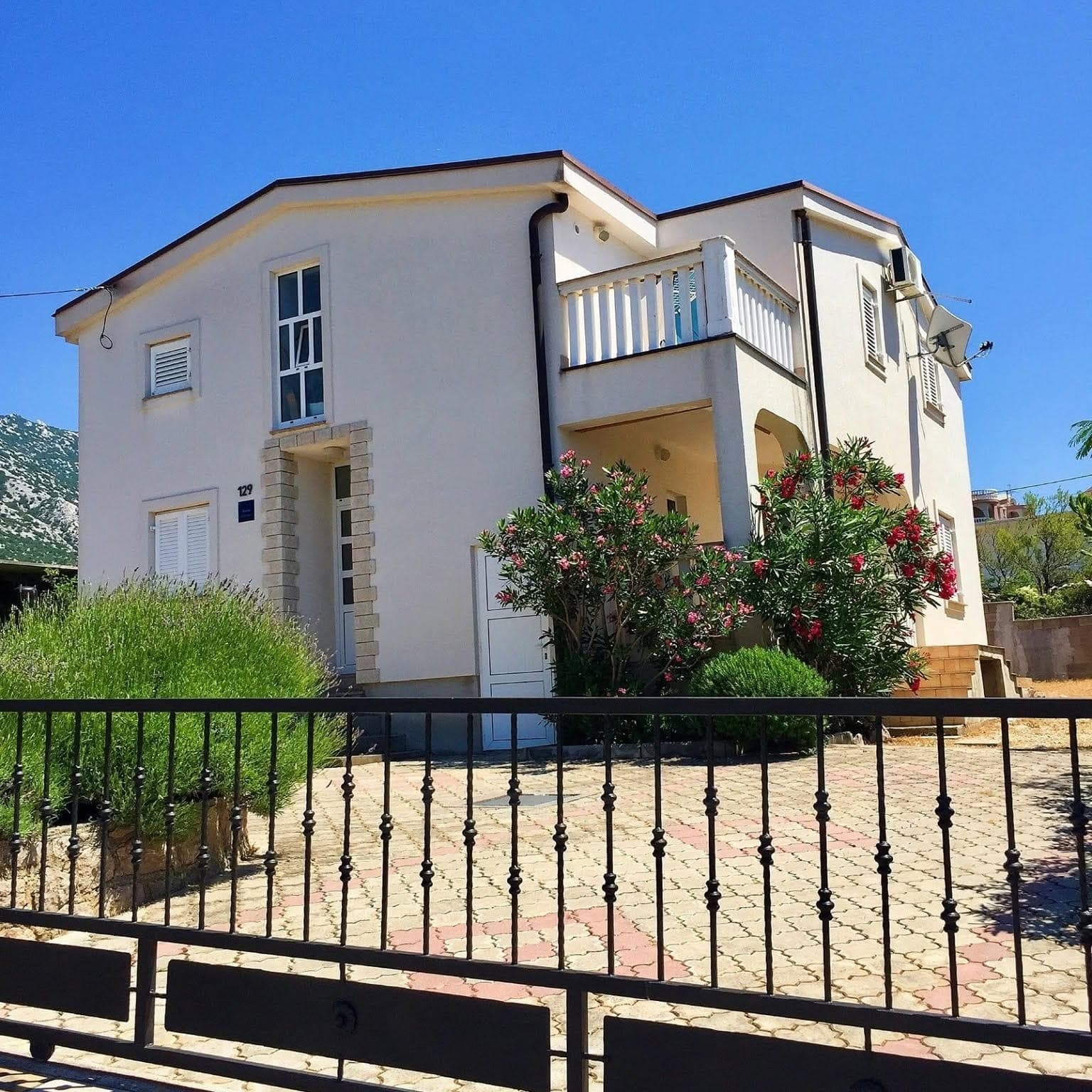 81 km from Krupa
- Holiday home
 87 km from Krupa
- Apartment
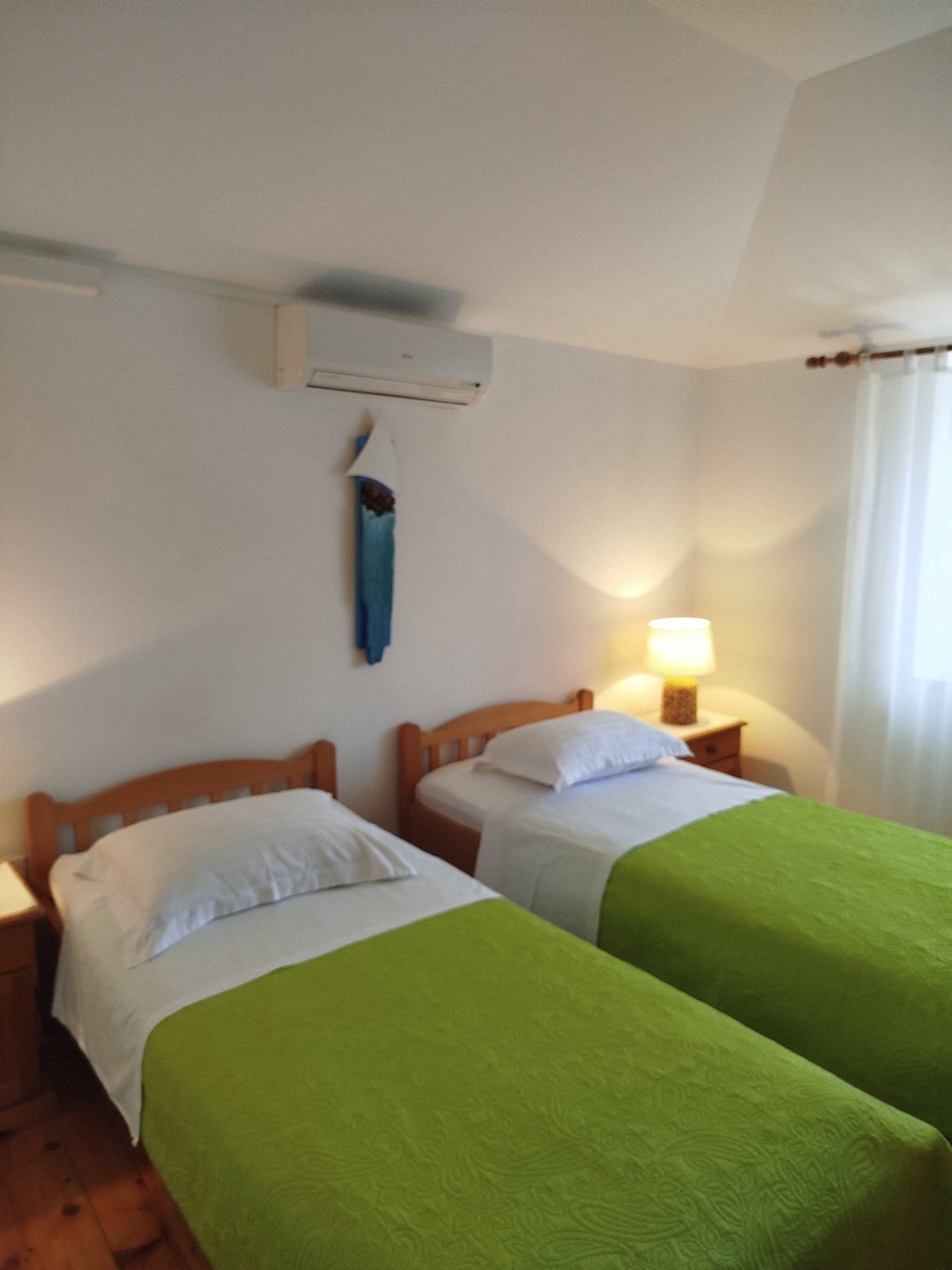 88 km from Krupa
Be the first to list here
Guests looking for this place only see stays nearby for now. No commission, and enquiries come straight to you.
List your accommodation
Beaches
Krupa has no developed seaside beach: its waterside experience centres on the cold karst river that rises in the village and flows past Krupa Monastery. The bank near the monastery is better suited to a quiet rest and watching the current than to a conventional beach day, as no showers, lifeguards or other bathing facilities are documented there. Downstream, the Krupa forms 19 waterfalls, the best known being Deveterac below the Krnjeza confluence, so the defining attraction is a tufa-rich river landscape rather than an organised swimming area. Anyone entering the water should use only a safe, permitted spot and expect a completely natural bank.
Things to do
Begin at Krupa Monastery, where the Church of the Dormition forms part of the complex restored in 1855. For the second half of the day, drive towards Golubić and follow the walking approach into the canyon to Kudin Bridge. The bridge stands about 500 metres from the Krnjeza–Krupa confluence, above a ten-metre waterfall and downstream from the Deveterac cascades. While crossing, look closely at the twelve tufa arches and three smaller openings distributed along the 109-metre dry-stone structure. The climb back out of the canyon is more demanding than the largely level visit around the monastery.
Tours and activities
AdAd · partner offers: Viator, GetYourGuideThe partner handles booking, payment and support. StayBravo may earn a commission on bookings made through these links.How we choose offersWe choose offers based on the page you are viewing: the partner destination for this place or the nearest one (with its distance), and on a sight page only offers that mention it. We show offers rated at least 4.3 with at least 10 reviews, without multi-day tours or pure transfers, ordered by rating adjusted for the number of reviews and then by the partner’s order. We do not use data about you, and the commission does not affect the order.GetYourGuide offers are selected and ordered by GetYourGuide based on the name of the nearest larger town or national park; we do not influence their selection and do not use data about you.Viator
Nearest destination: Šibenik (51 km)
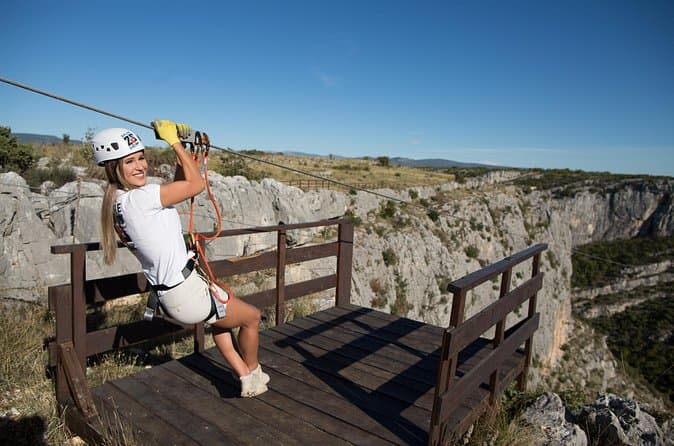
Zipline Šibenik - Čikola Canyon (opens in a new tab)
Located in the heart of the Čikola River Canyon, Zipline Šibenik offers an unforgettable adventure high above the river, soaring over tree canopies and dramatic ravines with the wind in your hair…
Rated 5 out of 5 · 117 reviews· 1–1.5 h
Free cancellation
from €74.64
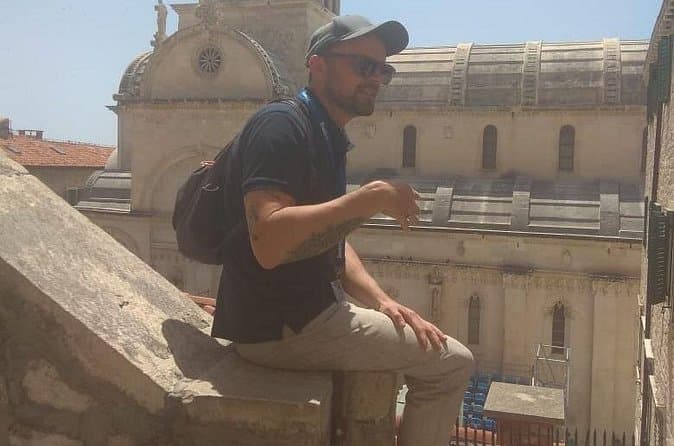
Private Sibenik Walking Historical Morning or Evening Tour (opens in a new tab)
A few things you will very possible discover along the way include a Sibenik patron saint, first canonized Croatian man, theater where doctor Kovach (from ER) started his career, noblemen, first and…
Rated 5 out of 5 · 102 reviews· 2–3 h
Free cancellation
from €49

Sibenik Private Combined Food & Drink and Historical Tour (opens in a new tab)
You will stumble across, uncover and experience: Café culture, appetizer which was served on the coronation of Queen Elisabeth II, Balkan hamburger, local grape which you can see in the UN building…
Rated 5 out of 5 · 41 reviews· 4–6 h
Free cancellation
from €159
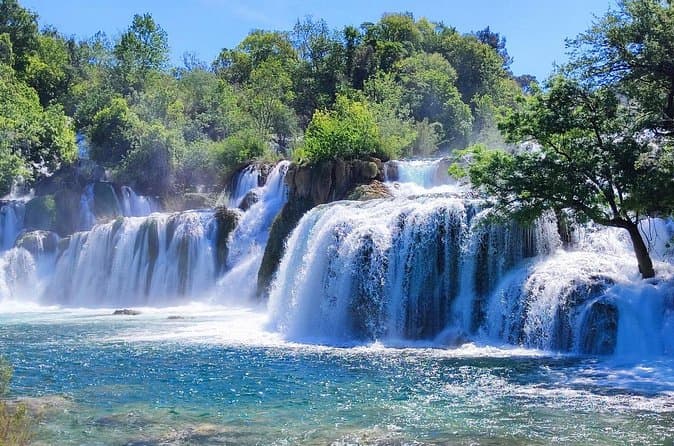
Krka Waterfalls half day, Private Tour from Sibenik (opens in a new tab)
Discover the natural beauty of Krka National Park with a guided tour from Sibenik. See the park’s famous Skradinski buk waterfalls, stop at stunning viewpoints and walk along wooden footpaths…
Rated 5 out of 5 · 29 reviews· 3–5 h
Free cancellation
from €520
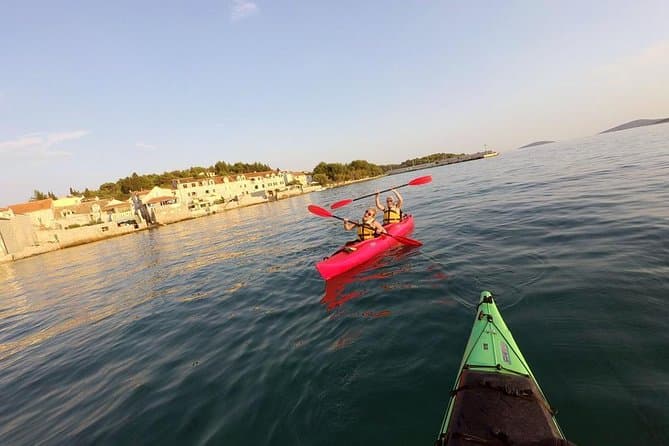
Kayaking to the island Prvić (opens in a new tab)
The first sight a visitor gets of Prvić island is the line of centennial stone houses. Island Prvić inhabited since the early Middle Ages, a stroll through the town will take you on a journey back…
Rated 4.9 out of 5 · 32 reviews· 3.5 h
Free cancellation
from €60
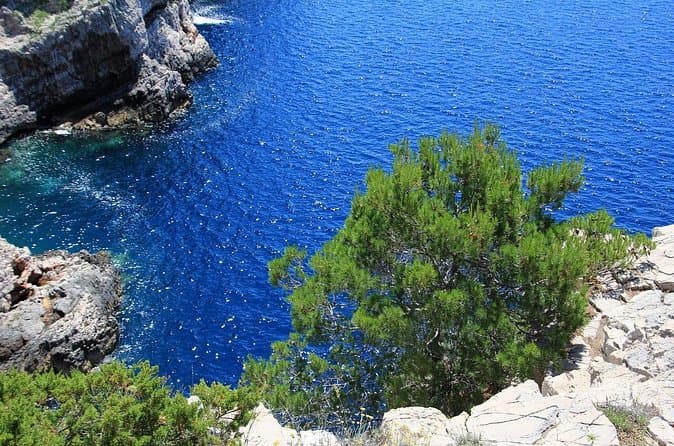
KORNATI by speed boat (opens in a new tab)
The Kornati Islands National Park Excursion by Anima Natura Travel Agency is your chance to enjoy the wonderful Croatia from within. Our boat will lead you to experience intimately islands, sea and…
Rated 4.9 out of 5 · 38 reviews· 10 h
Free cancellation
from €180
GetYourGuide · Krupa
We show GetYourGuide offers once you allow their cookies.
Practical information
Getting there and around
Krupa is reached by local roads within the Obrovac area, with the final descent into the village following the many bends specifically noted by the Obrovac tourism board. Kudin Bridge uses a separate approach from the direction of Golubić, turning off the Obrovac–Gračac road towards the marked walking trailhead. Liburnija operates county bus connections to Obrovac, but the operator’s official site does not confirm a regular visitor-friendly service to the monastery or the trail entrance. A car is consequently the most reliable way to combine Krupa Monastery and the Kudin Bridge approach in one day.
Frequently asked questions
How long is Kudin Bridge?
Kudin Bridge is 109 metres long, averages 1.5 metres in width, and has twelve tufa arches with three smaller openings.
When did Krupa Monastery acquire its present appearance?
The monastery complex and church were restored in 1855, giving the site its present appearance.
Is Kudin Bridge protected?
Kudin Bridge is entered in Croatia’s Register of Cultural Heritage as a protected cultural property.
Nearby
Krupa
Open in OpenStreetMap(opens in a new tab)straight-line distance
Related guides
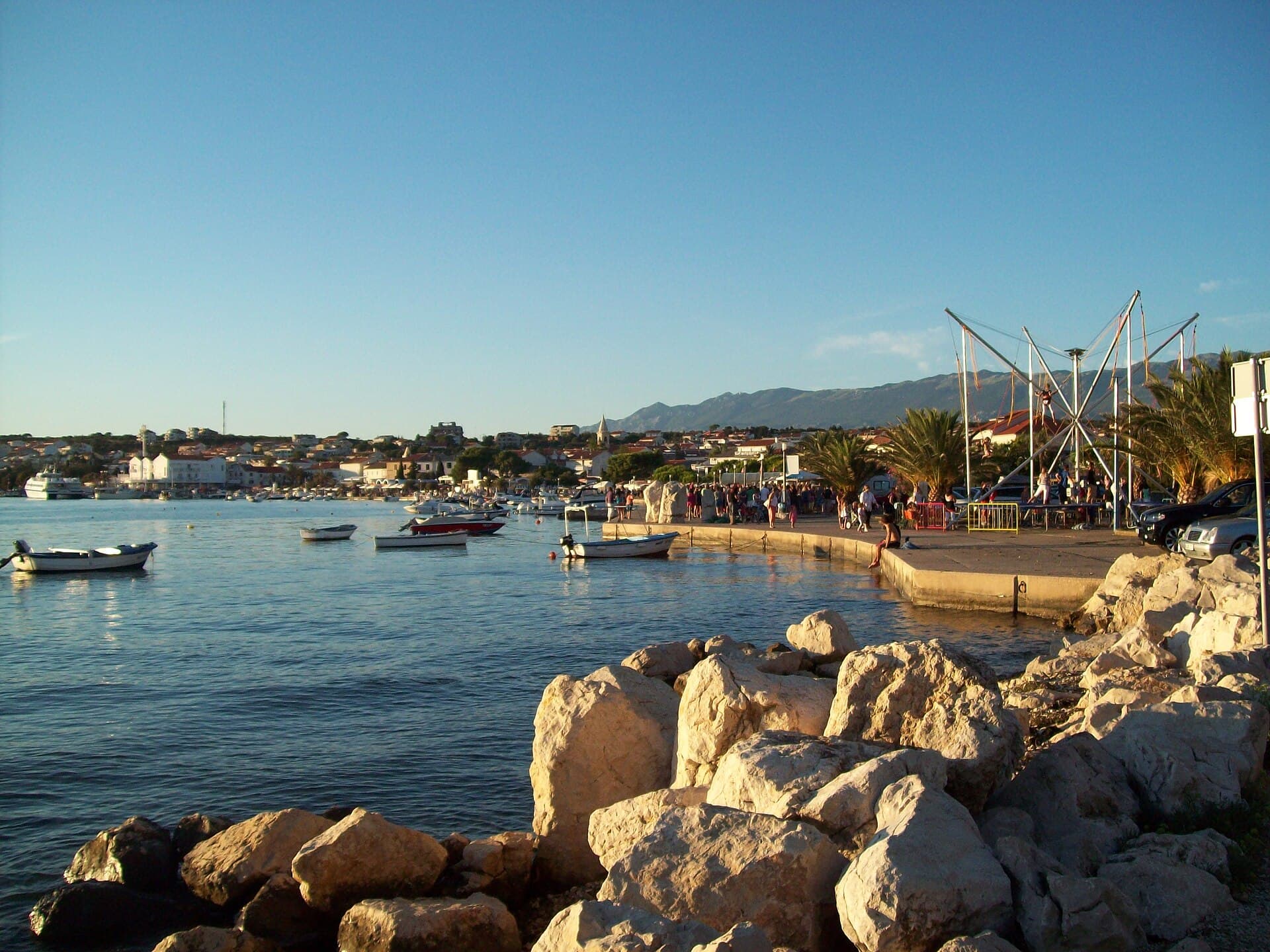
Novalja
Novalja curves around a bay on Pag’s western shore, with the waterfront, Trg Bazilike and streets around Mala crikva forming the centre. Landing places and restaurants line the water, while…
Read the guide
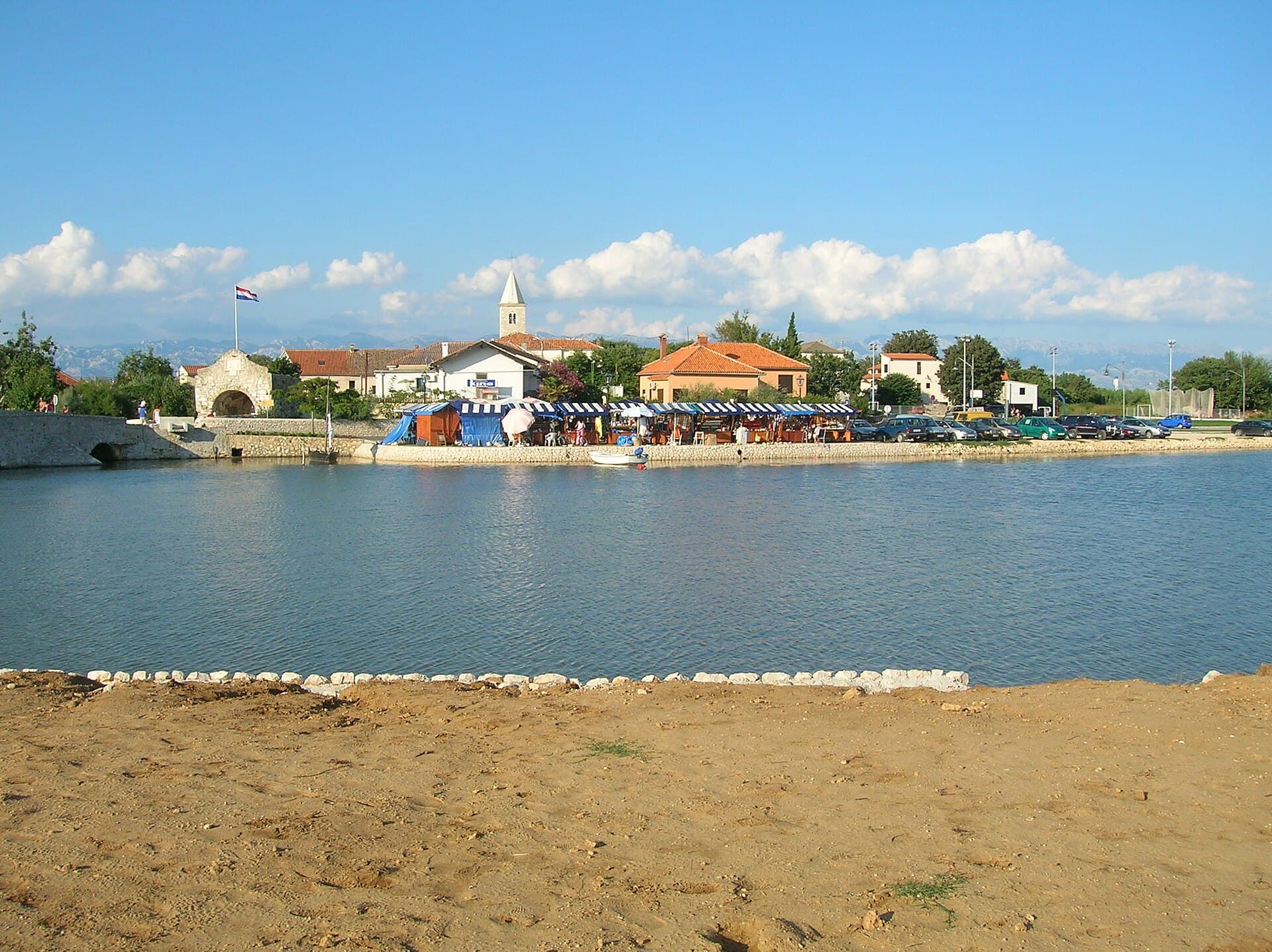
Nin
Nin’s historic centre occupies a low islet within a lagoon, connected to the mainland by bridges. Crossing into the centre creates a different first impression from arriving in nearby…
Read the guide
Pakoštane
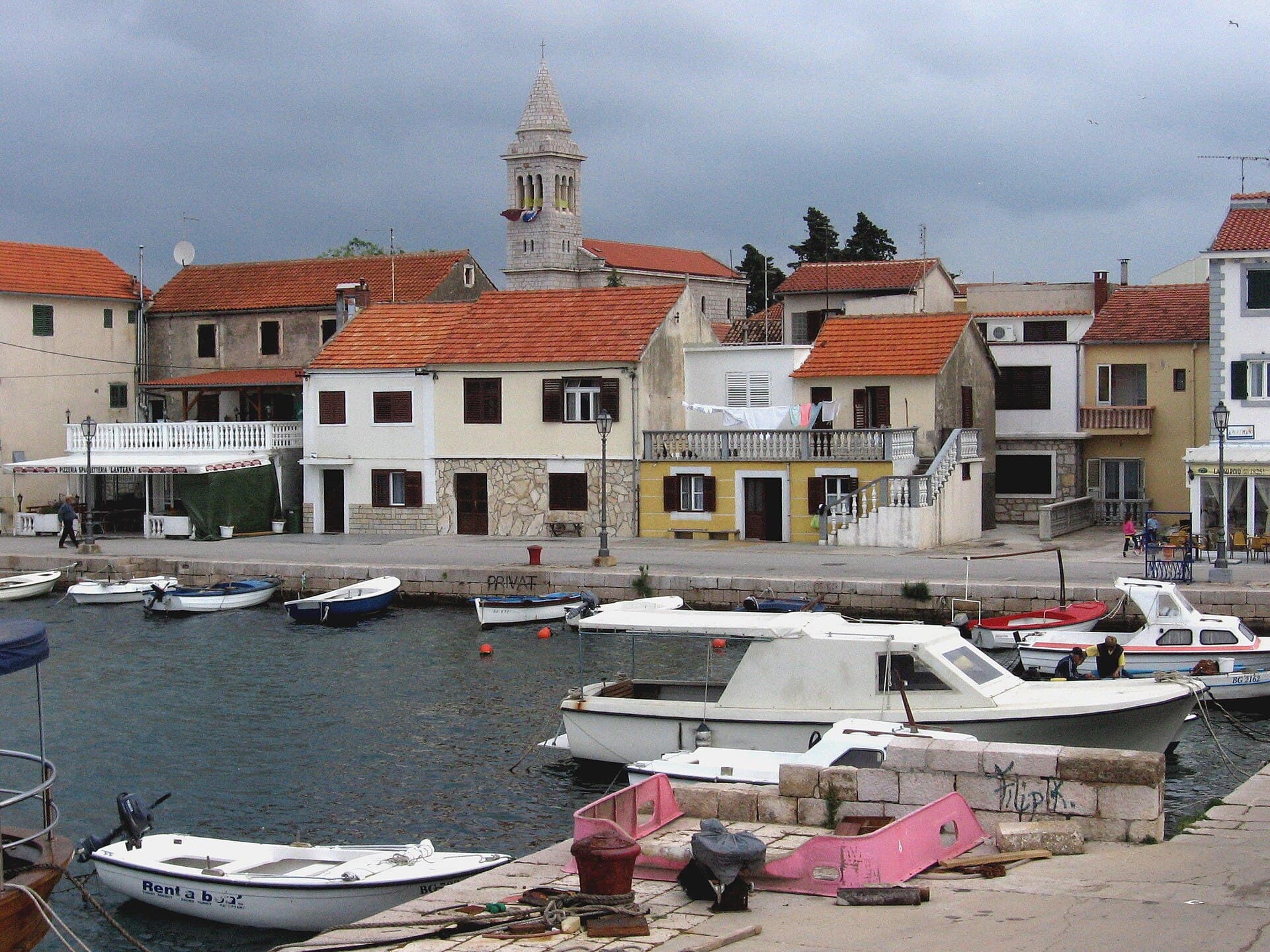
Pakoštane occupies a narrow strip between the Adriatic and Lake Vrana, allowing visitors to move from a Dalmatian waterfront to the reeds of an ornithological reserve within minutes. The…
Read the guide
Pag
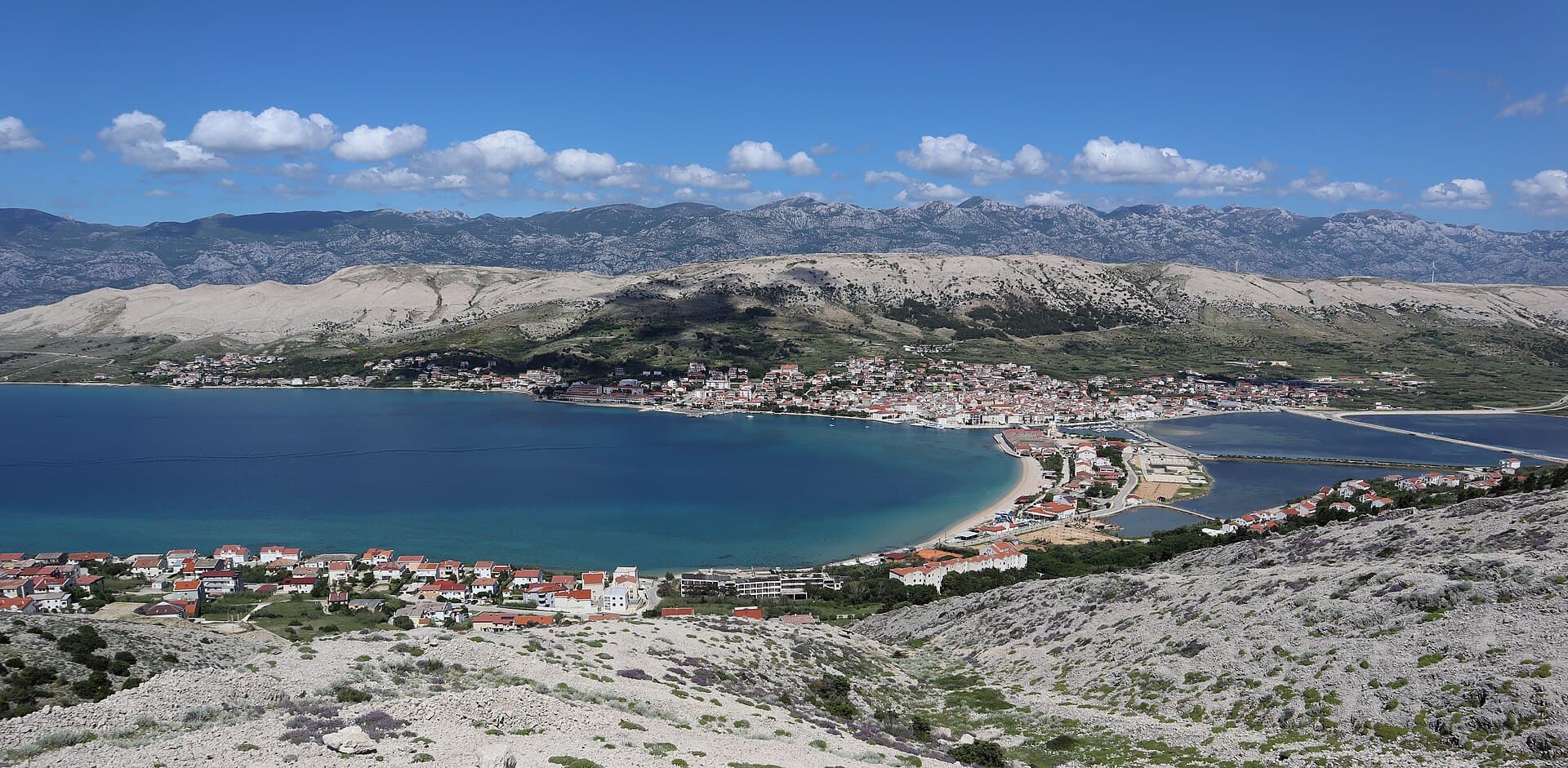
Pag is a planned stone town whose orderly street grid converges on Petar Krešimir IV Square, the Collegiate Church of the Assumption and the Rector’s Palace. The settlement moved to its…
Read the guide
Know Krupa? Correct us
Tell us in your own words what is not accurate. We check right away.Do not enter personal data. Corrections are checked by the StayBravo AI assistant; changes to the description are approved by an editor. Use the form instead
Do you know Krupa?
Help the guests who come after you.
Help us complete
Nothing is published without an editor’s review.Report illegal content
Photo credits: Krupa — The original uploader was Zrno at Serbian Wikipedia. (Public domain) · Kaštel Žegarski — Zmaj123 (CC BY 3.0) · Golubić — Sopina Ana (CC BY-SA 4.0) · Gračac — SpeedyGonsales (CC BY-SA 2.5) · Muškovci — Zmaj123 (CC BY-SA 4.0) · Medviđa — gorchfin (CC BY 3.0) · Cerovac caves — Crowanderers (CC BY-SA 4.0) · Burnum — JiriMatejicek (CC BY-SA 4.0) · Masters Road — NatalyL (CC BY-SA 4.0) · Villa Slatki — Saša Slatki (courtesy of the property owner) · Apartmani Rustica — Zdenko Dusevic (courtesy of the property owner) · APARTMAN COTA — Jadranka Cota (courtesy of the property owner) · Dalma Residence — Marin Radić (courtesy of the property owner) · Apartman Anđela — Mirjana Rapić (courtesy of the property owner) · Apartman Mira — Marijan Ćaćan (courtesy of the property owner) · Farm stay' ranch-Plitvice, In The Palace — Partner (courtesy of the property owner) · Novalja — JoeTimBlackMax (CC BY-SA 3.0) · Nin — Amphisbène (CC BY 2.5) · Pakoštane — Roman Klementschitz, Wien (CC BY-SA 3.0) · Pag — Palauenc05 (CC BY-SA 4.0)