Povlja
About this place
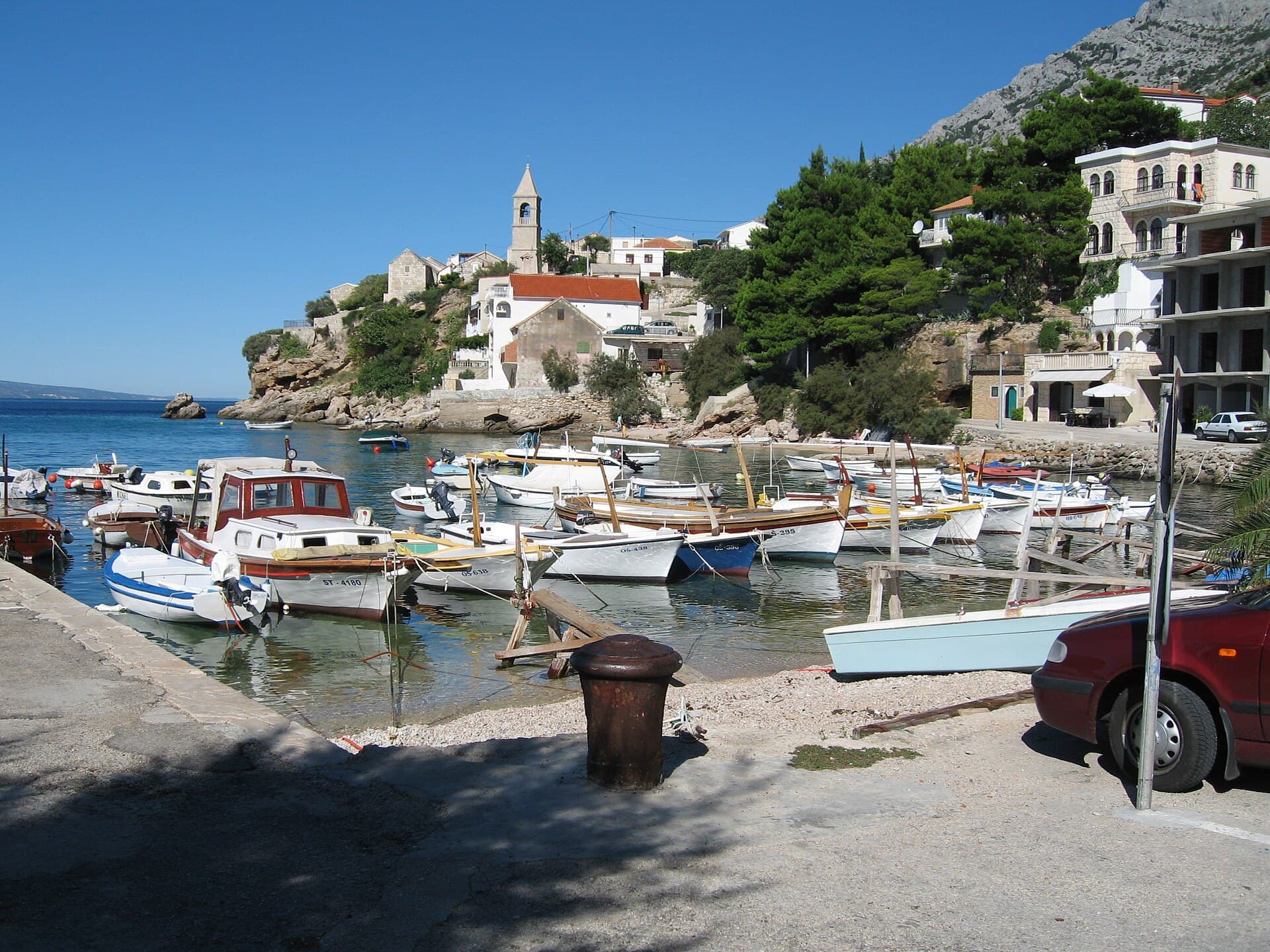
Povlja occupies a sheltered inlet on Brač’s north-eastern coast, considerably closer to the ferry port at Sumartin than to the island’s main gateway at Supetar. Its defining sight rises above the harbour: an Early Christian basilica dating from the fifth and sixth centuries, with a remarkably preserved octagonal baptistery, later joined by a Benedictine monastery, the Church of St John the Baptist and a fortified residence. The monastic complex is associated with the Povlja Threshold, a Croatian Cyrillic inscription carved by the stonemason Radonja in the 12th century; the original is now held by the Museum of Croatian Archaeological Monuments in Split. Tića Luka provides another link with Brač’s stoneworking tradition, as the cove once served for loading stone from a nearby quarry. Swimming is spread among small shores and rocky entry points around Povlja Bay, with quieter coves in the direction of Tića Luka. Povlja has no ferry terminal of its own, so drivers commonly arrive through Sumartin, reached from Makarska by a Jadrolinija crossing of about 60 minutes in 2026. The village consequently works especially well as a base for eastern Brač, including Selca, Novo Selo and Sumartin.
Povlja lies in the easternmost inlet of the larger Povlja bay on Brač, and its development is inseparable from the Church of St John the Baptist. Above the harbour stands the parish church beside the remains of a 6th-century early Christian basilica and its preserved baptistery. The Povalj Threshold, dated 1184, was the lintel over the church’s south door, while the Povalj Charter of 1250 was created for the Benedictine monastery of St John. Povlja is therefore more than a harbour of small coves: its historical layers run from the late-antique basilica through the Benedictine period to today’s parish church.
Stays nearby
 Apartment
Apartmeni Klenovica.eu
Klenovica
Klenovica, 253 km from Povlja
up to 4 guests · 1 bedroom
The host confirms the exact price for your dates and availability.
Things to see
Povlja’s principal monument is the fifth- to sixth-century Early Christian basilica, particularly notable for its well-preserved octagonal baptistery and surviving early frescoes. Beside the ruins stands the Church of St John the Baptist, created by adapting part of the older complex, together with the fortified residence added to protect the abbey in the 16th century. The Povlja Threshold belongs to a 12th-century rebuilding campaign, when the mason Radonja carved a Croatian Cyrillic inscription above a new doorway. Visitors encounter its original setting on Brač, but the stone itself is kept at the Museum of Croatian Archaeological Monuments in Split. The Povlja Charter, another major record of medieval Croatian literacy, is connected with the same monastic community.
Beaches
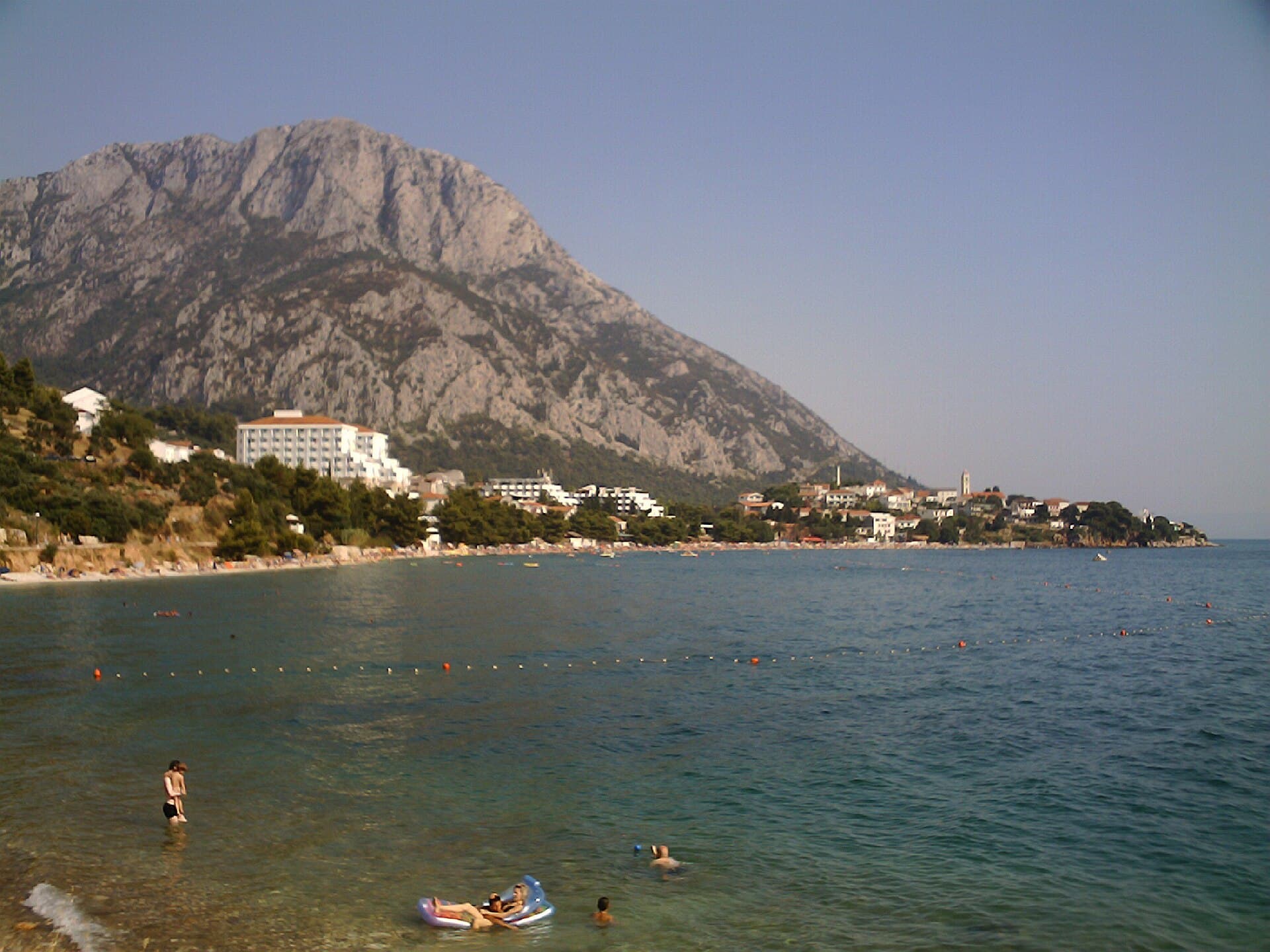
For swimming around Povlja, choose the smaller coves of the Povlja bay; for a more separate coastal stop, head east to Tičja luka. Brač’s visitor site places Tičja luka east of Povlja and notes its fragrant Mediterranean vegetation. It belongs to a wider group of coves in the Povlja area, alongside Rasotica, Žukovik, Zvirje, Zabriška and Vošćica. Start with the bathing spots near the settlement, then continue to Tičja luka for a longer stay away from Povlja’s church-and-harbour centre.
Bathing water quality nearby
- Hotel Galeb · 677 mexcellent · season 2025
- Lanterna · 999 mexcellent · season 2025
Source: European Environment Agency (EEA); data from Croatian authorities. · bathing water profile
Practical information
Practical information
Povlja has a post office at Povlja bb, while medical services for eastern Brač are centred in larger island settlements, including Selca. Visit the basilica and baptistery during daylight, as the archaeological remains stand above the harbour rather than operating as a separate museum with an all-day programme. The original Povlja Threshold is not kept in the village but at the Museum of Croatian Archaeological Monuments in Split, so it should not be expected inside the church complex. Groceries, fuel and more specialised errands are best arranged before arriving from Sumartin or Selca, particularly outside the main summer season, when services in a small island settlement are more limited.
Getting there and around
The most direct approach by car is through the ferry port of Sumartin on eastern Brač. In 2026, Jadrolinija’s Makarska–Sumartin crossing takes about 60 minutes, and a purchased ticket reserves space on the selected departure; the operator advises reaching the port at least 45 minutes before sailing. From Sumartin, the journey continues by island road through the Selca area. The Split–Supetar ferry provides an alternative, but it leaves a substantially longer drive across Brač. Povlja itself has a small harbour rather than a vehicle-ferry terminal. Travellers without a car should coordinate an island bus or taxi with their ferry arrival in advance, particularly outside the summer season.
Frequently asked questions
Where is the original Povlja Threshold kept?
The original Povlja Threshold is held by the Museum of Croatian Archaeological Monuments in Split, while Povlja preserves its historical setting.
Which ferry is closest to Povlja?
The most convenient service is Makarska–Sumartin; the 2026 crossing takes about 60 minutes, followed by a road transfer to Povlja.
What is special about Povlja’s baptistery?
The Early Christian basilica’s baptistery has an octagonal plan and preserves frescoes from the fifth and sixth centuries.
What was Tića Luka used for?
Tića Luka once served as a landing place where stone from a nearby quarry was loaded onto vessels.


Related guides

Split
In Split, the transition from ancient monument to ordinary street is almost imperceptible: entering the southern part of Diocletian’s Palace from the Riva leads towards the Peristyle, then…
Read the guide

Help improve this page
Spot something missing or wrong? Suggest a correction, add your photo or report a problem. Editors review every suggestion before it is published.