Mljet
About this place
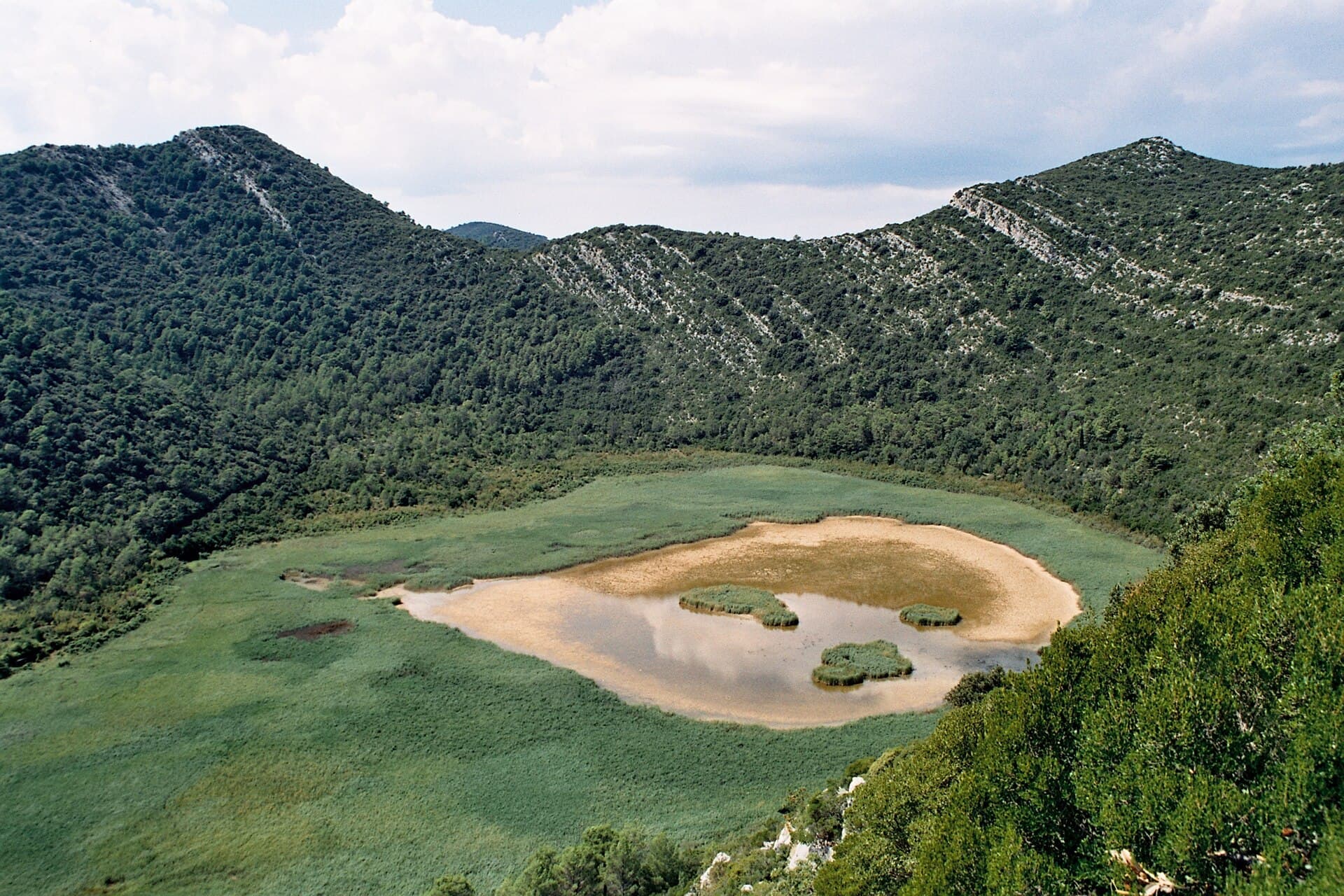
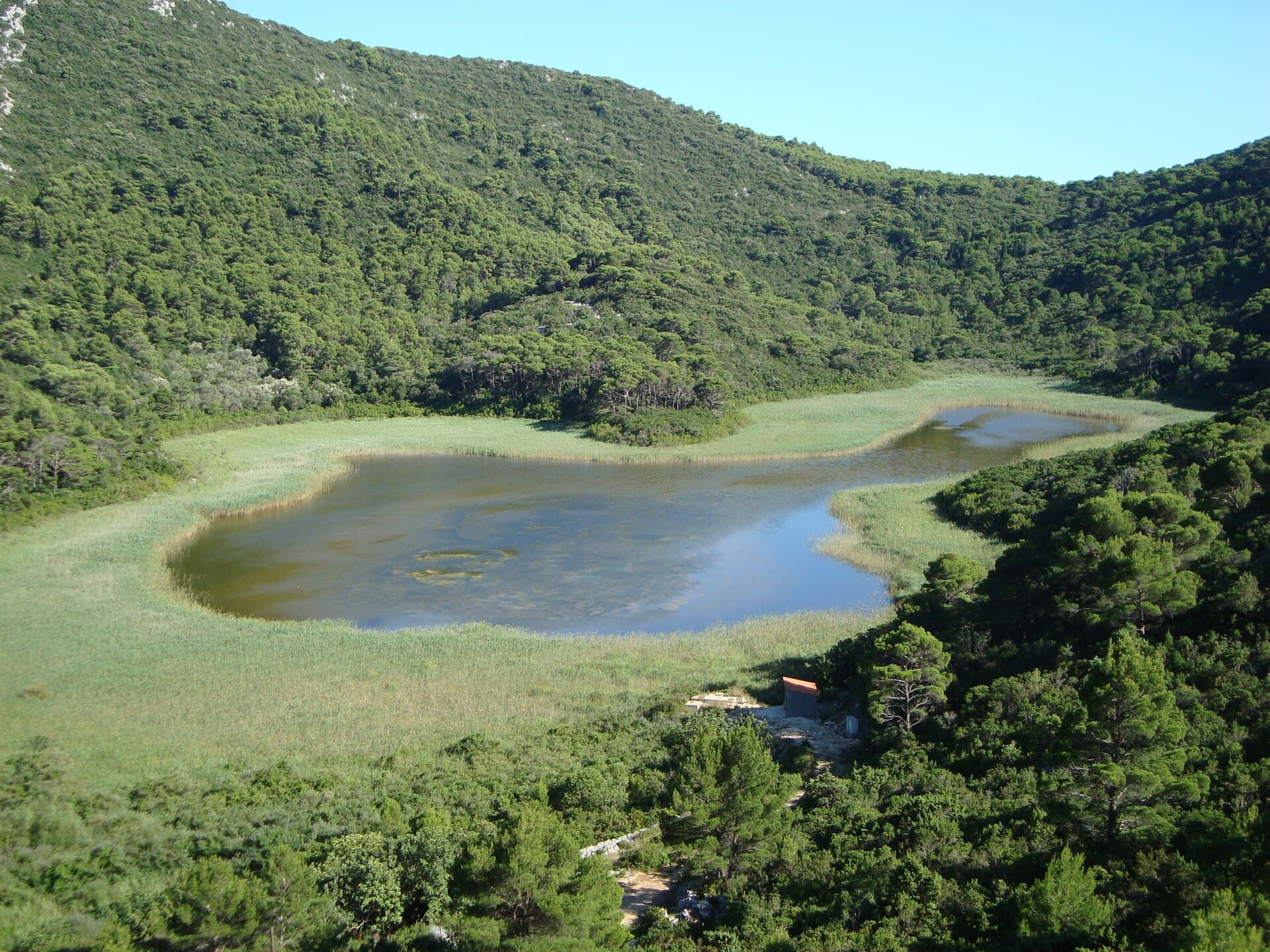
Mljet is an island best approached through its landscapes rather than a single large town. The national park occupies the northwestern part; its visitor arrangements should not automatically be applied to every other settlement and bay. Veliko and Malo Jezero are connected with the sea, so their names should not be taken to mean freshwater lakes. St Mary's islet in the larger lake, with its monastic complex, links natural scenery and cultural heritage. Pomena and Polače are useful reference points for planning that part of the island, while Sobra, Babino Polje and Saplunara belong to other sections of an island itinerary. Unlike a resort organised around one waterfront, the choice of accommodation here strongly affects daily journeys. Mljet suits travellers who favour a slower schedule, walking and observing the coast, but a peaceful holiday still requires attention to logistics. Choose your island area and arrival method first, then check park access and the boat to St Mary. With several days, separate the lake area from other island destinations instead of turning each outing into a race between distant points.
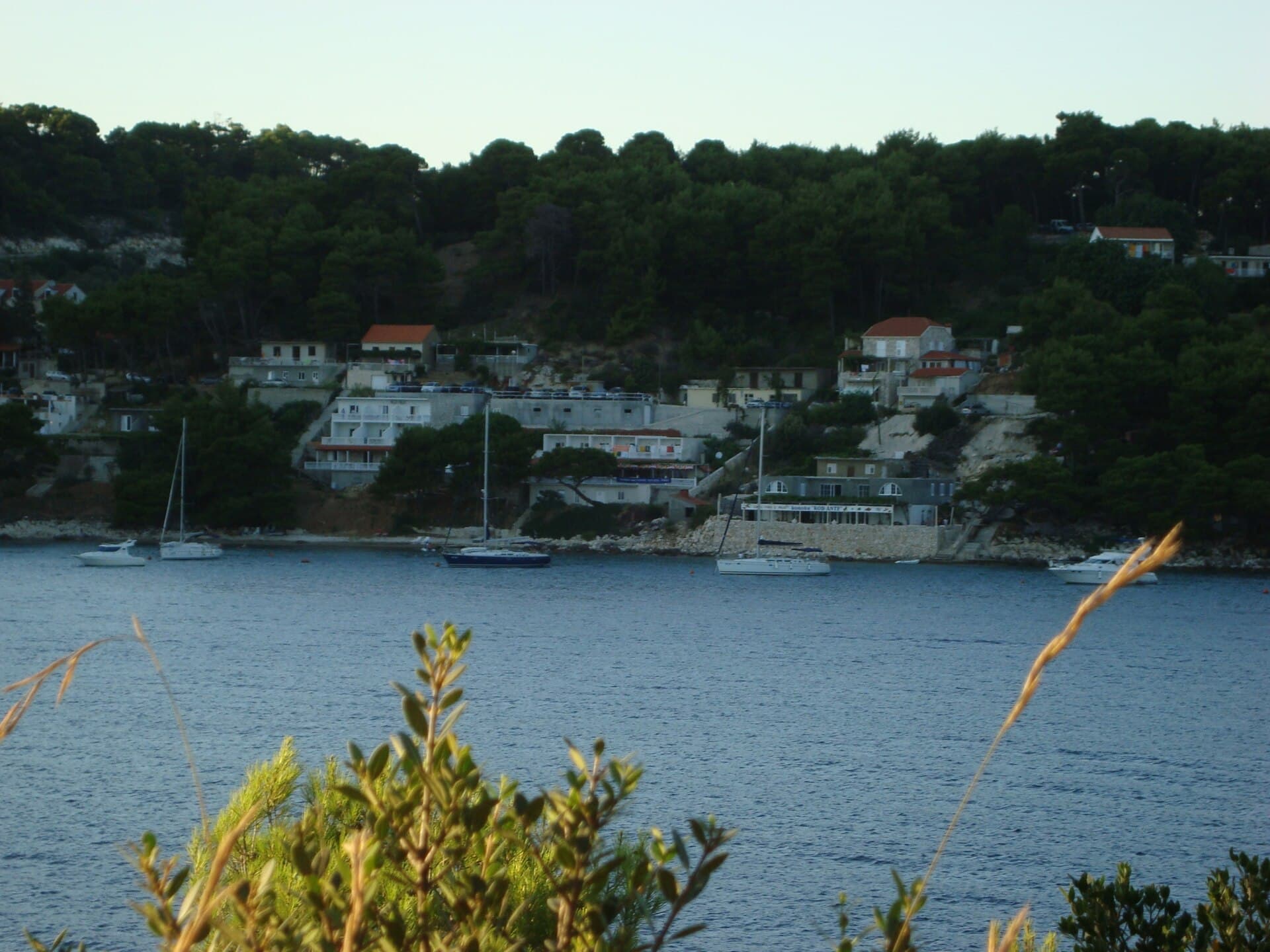
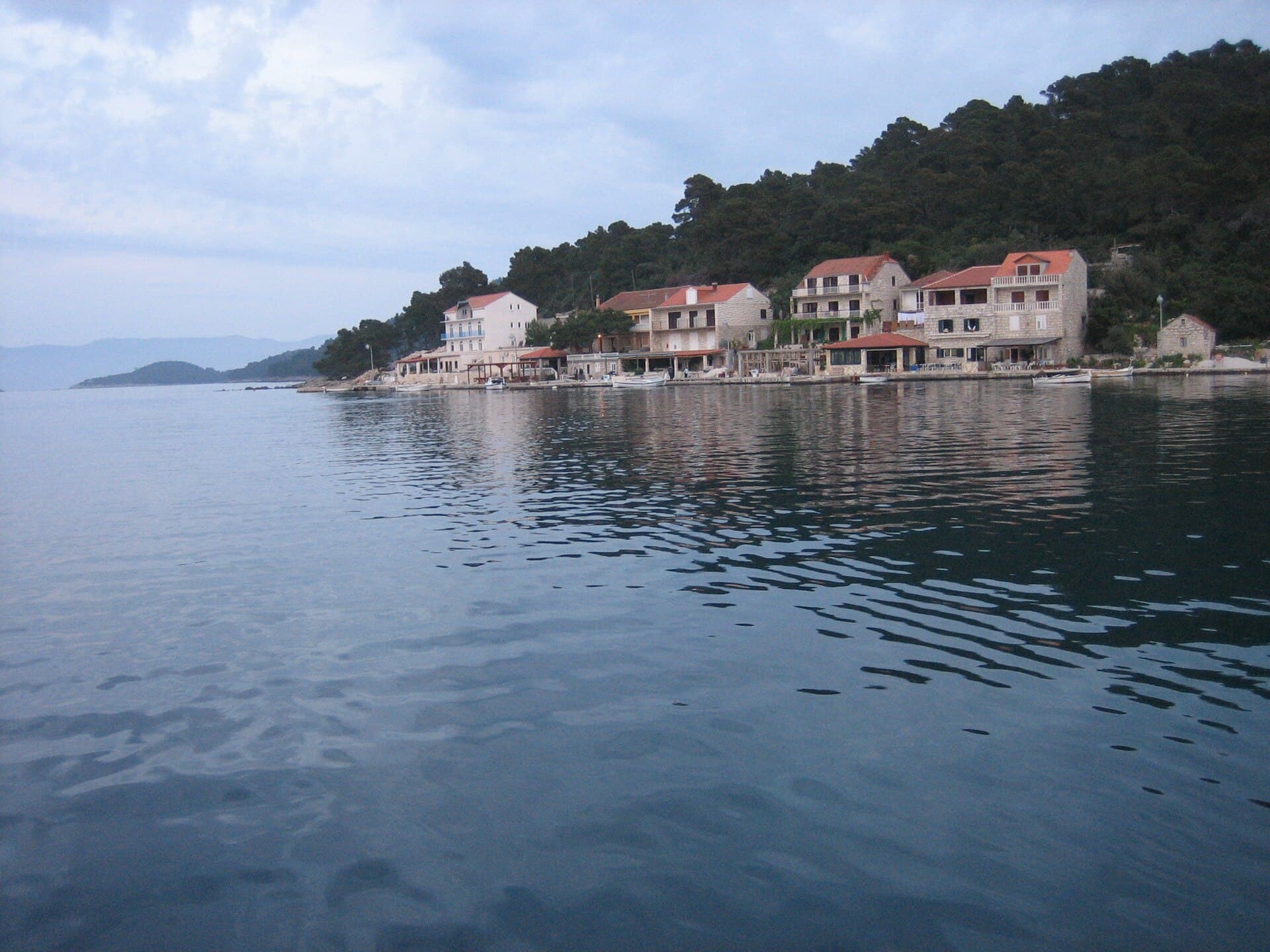
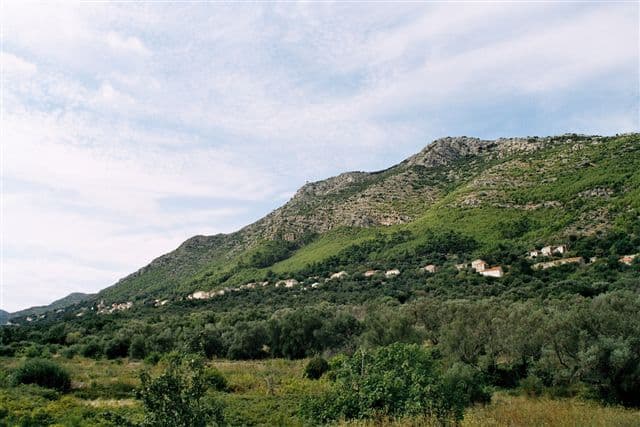
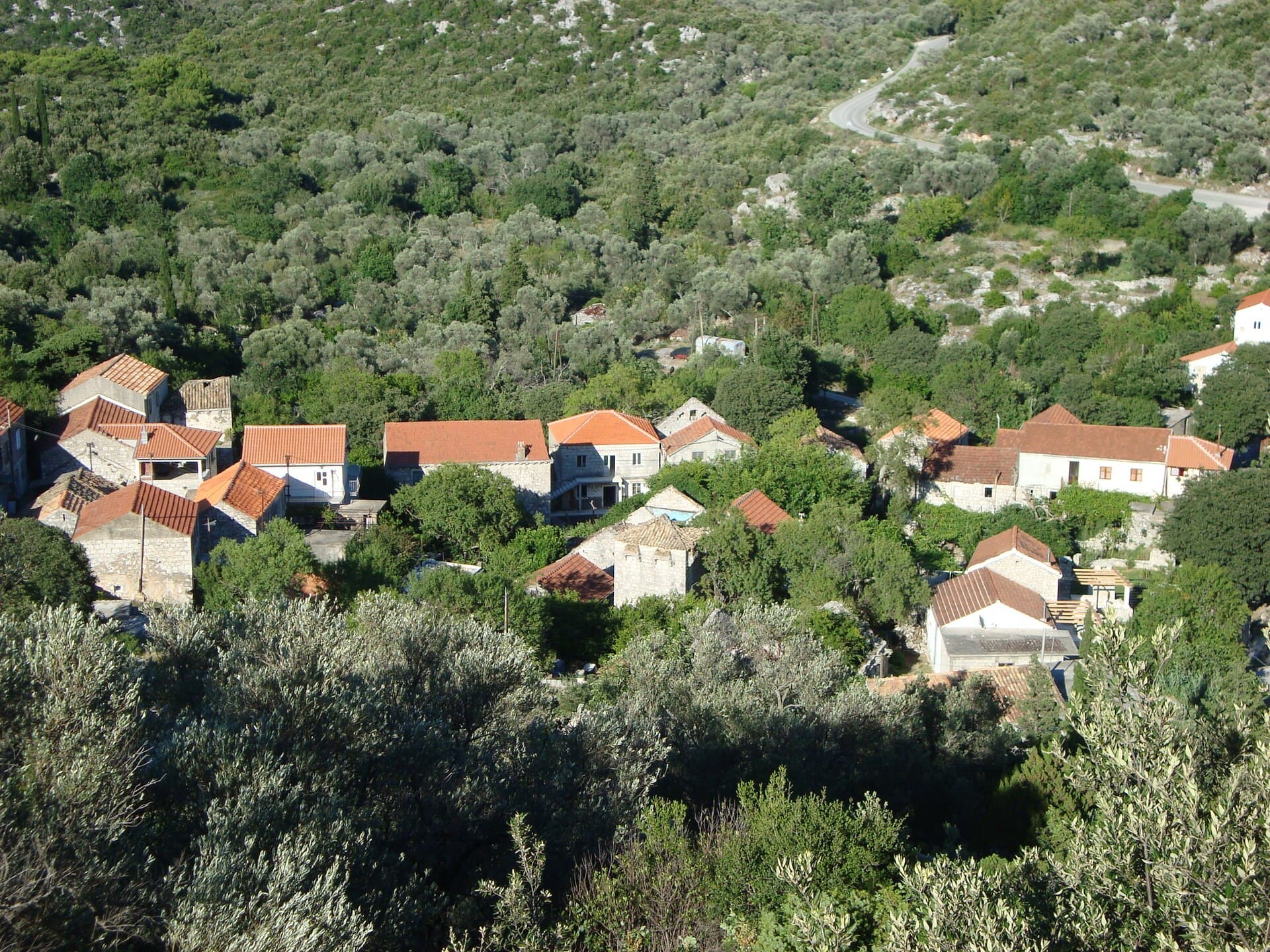
Mljet's settlements often come in two parts: an older inland village and a harbour below it, as with Prožura and Prožurska Luka. Babino Polje developed beside cultivated land beneath the island's hills, while Polače grew around a bay containing the remains of a substantial late-antique palace. In northwestern Mljet, Goveđari, Pomena and Polače lie within the national park, established on 11 November 1960. At the opposite end of the island, Saplunara offers sand and stone pines outside the park boundary. Village life also shapes Hidden Corners of Mljet, an event series moving between Babino Polje, Blato, Korita, Prožura, Maranovići and Goveđari on local feast days.
Top places
Babino Polje
Village · Mljet
Stays nearby
 Apartment
Apartmeni Klenovica.eu
Klenovica
Klenovica, 339 km from Mljet
up to 4 guests · 1 bedroom
The host confirms the exact price for your dates and availability.
Things to see
Polače preserves a palace, remains of early Christian churches and traces of an ancient harbour beside the present-day settlement. Underwater work by the Croatian Conservation Institute connects the complex with a landing place and working waterfront, giving the bay itself a role in understanding the surviving walls. On St Mary's islet in Veliko jezero, the monastery and church belong to a Benedictine heritage dating to the 12th century. Odysseus's Cave, on the southern coast near Babino Polje, is a very different landmark: a collapsed roof opened a deep rocky hollow to the sky. Mljet's connection with Odysseus and Calypso is legendary; the collapsed limestone cave explains the actual landform.
 National park
Beaches
The sandy bays of Saplunara and Blace belong to eastern Mljet, where the distinctive crowns of stone pines rise beside the sand. Saplunara is protected as a significant landscape, separately from the national park at the island's other end. Swimming around Mljet's lakes takes place in seawater within a more enclosed system; Mali most and Veliki most appear as swimming stops in the park's suggested itineraries. Odysseus's Cave is a different kind of coastal site, facing the open southern sea through a low passage exposed to waves. For a day centred on sand, choose Saplunara rather than the rocky cave approach below Babino Polje.
Things to do
Keep a one-day visit focused on one area. When the national park is the priority, coordinate admission, access to the lakes and the boat to St Mary's islet before deciding how much walking fits. You need not cover every shore of both lakes to understand the landscape. Time in one area, attention to the meeting of land and water, and a visit to the monastic setting can make a coherent day. Over three days, devote one to the lakes, another to the area around your accommodation and a third to a different part of the island. Pomena, Polače and Saplunara are not stops on one short walking circuit. Private-boat rules matter: the park prohibits entry into the lake system except for specified exemptions, so a sea excursion does not imply sailing directly to the monastery. For an active day, choose an authorised path or service rather than the shortest line on a map. With children, favour shorter stages and a dependable return boat. Outside the main season, confirm visitor services instead of assuming the entire park offer operates year-round.
Activities
Montokuc adds elevation to a walk in Mljet National Park, rising above the lakes and wooded shore. The park's suggested route from Polače climbs towards Montokuc, descends to Soline and follows Veliko jezero to Pristanište. The Soline–Pristanište lakeside section is described as 2.5 kilometres, with a boat connection from Pristanište allowing a continuation to St Mary's islet. For a shorter outing, the park proposes the woodland path from Pomena to Malo jezero and onwards to Mali most. Montokuc and the Pomena path therefore offer two identifiable walks: a climb through Mljet's woodland or an approach to the lakeshore without including the viewpoint in the same circuit.
Day trips
An excursion towards Babino Polje introduces central Mljet through its cultivated fields and the approach to Odysseus's Cave on the southern shore. The marked path from Babino Polje reaches ground above the cave, where open sea and the collapsed roof explain how different this site is from Mljet's lakes. The cave's sea passage has a low ceiling and is exposed to waves, so viewing it from above does not entail swimming inside. Further east, Korita can be combined with Saplunara and the sandy bay of Blace. For an outing beyond Mljet, the Sobra–Prapratno ferry opens a separate Pelješac excursion; Jadrolinija gives an approximate crossing time of 45 minutes for 2026.
Food and drink
Mljetski makaruli combines homemade pasta with goat's cheese, garlic and olive oil, without the meat sauce associated with some other Adriatic pasta dishes. In the Little Mljet Cookbook, the dough becomes long rounded strands; cooked pasta is layered with cheese and finished with oil in which garlic has been briefly heated. Mljet's tradition also includes goat's cheese preserved in oil, which gives the dish a pronounced flavour. The same cookbook's fish popara layers fish and potatoes with wine, parsley and olive oil. Hidden Corners of Mljet adds a village setting to the island's food culture through homemade produce and cooking in places such as Prožura and Korita.
Practical information
Practical information
Under the 2026 conditions, Mljet National Park admission includes one return solar-boat journey to St Mary's islet, marked land trails and the electric train according to its operating schedule. Vrbovica parking is included for day visitors and qualifying guests staying around Veliko jezero without an allocated parking place. Treat the lake boat as part of the park visit, separate from the ferry arriving at Sobra. Saplunara and Odysseus's Cave lie outside the northwestern park area, so lake admission does not cover the geographical scope of a whole-island excursion. Mali most and Pristanište are the key boarding-point names for the St Mary's portion of a lakeside visit.
Parking
Vrbovica is the principal parking area near Veliko jezero; the park's suggested circuit starts there, climbs towards Montokuc and continues through Soline to Pristanište. The published route places the final walk from Pristanište back to Vrbovica at 600 metres. Mljet National Park's 2026 conditions include Vrbovica parking in admission for the specified visitor categories. A drive from Sobra can therefore end at Vrbovica, with the onward visit to St Mary's made on foot and by the park boat.
Getting there and around
For vehicles, Mljet's main connection is Jadrolinija route 832 from Prapratno on Pelješac to Sobra. The operator's 2026 information gives an approximate 45-minute crossing and a ticket valid on the printed date rather than a reservation for a particular sailing. Prapratno is the ferry harbour near Ston; from Sobra, the journey continues by road towards Babino Polje or northwestern Mljet. Pomena and Polače are separate destinations in the national park area, not alternative names for Sobra. Within the lake system, solar boats connect boarding points with St Mary's islet; this park service does not carry the car brought over on the Prapratno ferry.
Frequently asked questions
Is the whole island a national park?
No. The park is in the northwestern part of the island.
Are the two lakes freshwater?
No; they are connected with the sea and contain seawater.
How do I reach St Mary's islet?
The park operates a boat; check boarding points and current departures.
May I enter the lakes with my own boat?
Do not assume so: the operator prohibits entry apart from specified exemptions.
Do all park services operate in winter?
Related guides
Babino Polje
Babino Polje, Mljet’s largest settlement, sits on a slope above its namesake karst plain at roughly 145 metres above sea level. Its fertile fields, olive groves and vineyards shaped a…
Read the guide

Help improve this page
Spot something missing or wrong? Suggest a correction, add your photo or report a problem. Editors review every suggestion before it is published.
Photo credits
- Mljet — Neoneo13 · Public domain · Wikimedia Commons
- Babino Polje, Korita, Saplunara, Goveđari, Blatina kod Blata, Blatina kraj Sobre (Mljet) — Jaganjac · CC BY-SA 3.0 · Wikimedia Commons
- Polače — Luka Krstulović