Koločep
About this place
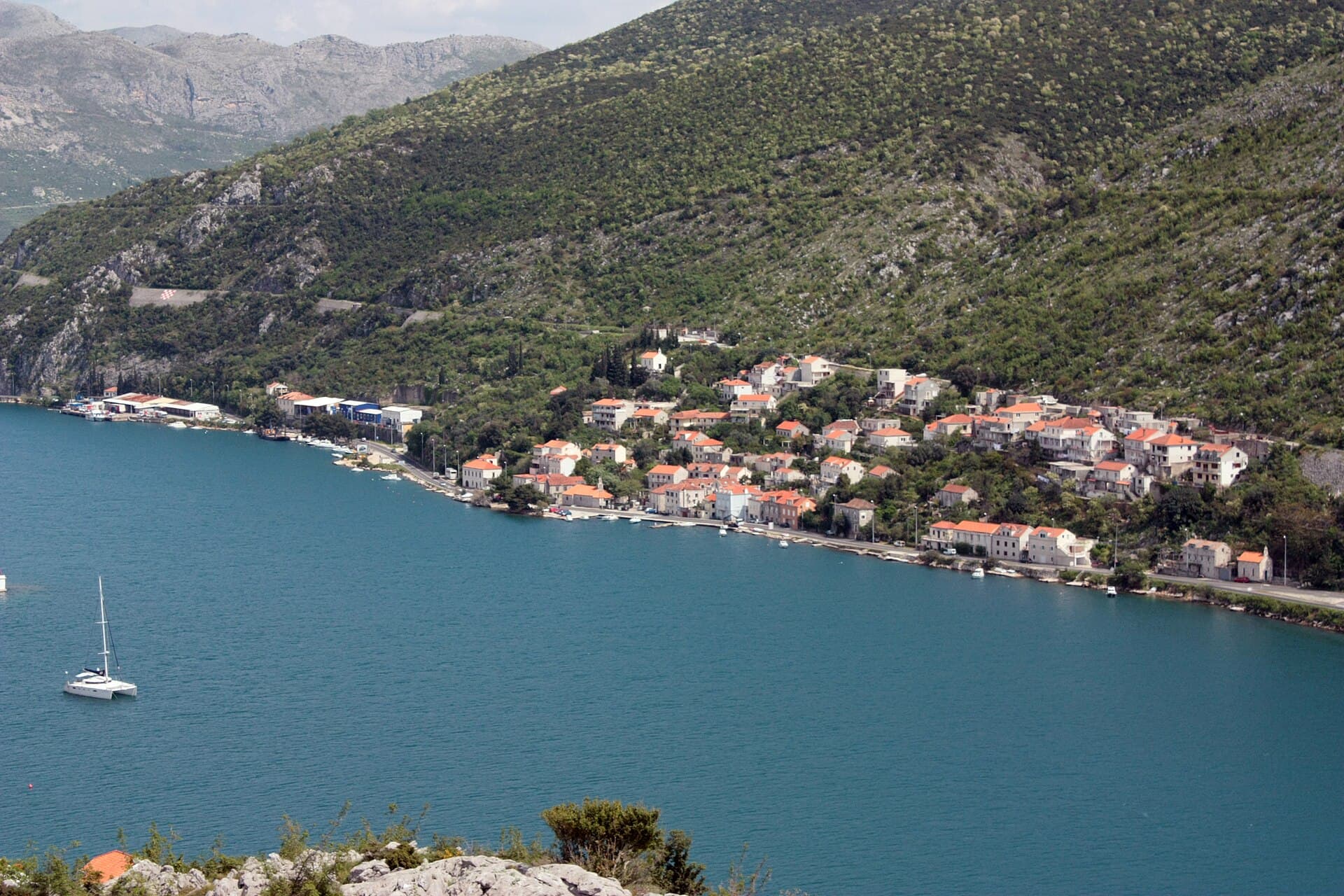
Koločep is Croatia’s southernmost inhabited island and the inhabited Elafiti island closest to Dubrovnik, about three kilometres away according to the City of Dubrovnik. Settlement is divided between Donje Čelo, Gornje Čelo and the smaller hamlet of Borje, with the two main bays linked by a footpath across the island. The city records around seventeen valuable cultural monuments on Koločep, mainly small churches and chapels dating up to the sixteenth century, together with the Kaštio fort above Donje Čelo harbour. The island is particularly suited to walking because motor traffic is prohibited except by special permit, and Jadrolinija’s 2026 tariff explicitly states that there is no motor-vehicle parking on Koločep. Year-round boat services from Dubrovnik connect the island with Lopud and Suđurađ on Šipan. In Donje Čelo, the city’s maritime-domain plan includes beach equipment, kayaks and terraces for Stari miri and Callamota, while Gornje Čelo has its own sea-recreation allocation. Koločep is therefore best experienced on foot, combining the two bays with swimming along the way.
Koločep belongs to the Elafiti islands and lies only about three kilometres west of Dubrovnik. The City of Dubrovnik divides the inhabited area between Donje Čelo, Gornje Čelo and Borje, while roughly seventeen recorded cultural monuments show how much heritage survives on the island’s small surface. Most are small churches and chapels dating up to the sixteenth century, and the Kaštio fort above Donje Čelo harbour recalls the need to protect residents from pirate raids. Motor traffic is restricted, so daily life is still shaped strongly by the walking route between the two main bays and by boat arrivals from Dubrovnik.
Stays nearby
 Apartment
Apartmeni Klenovica.eu
Klenovica
Klenovica, 370 km from Koločep
up to 4 guests · 1 bedroom
The host confirms the exact price for your dates and availability.
Things to see
Kaštio above Donje Čelo harbour is Koločep’s clearest defensive monument; the City of Dubrovnik notes that its cellars could shelter many residents during pirate attacks. Around seventeen valuable cultural monuments survive across the island, mostly small churches and chapels dating up to the sixteenth century, together with historic houses and fortifications. Dubrovnik noble families including Đorđići, Zamanje, Ranjine, Držići and Sorgo maintained summer residences, fields and vineyards on Koločep. Heritage is therefore dispersed across the island rather than concentrated in a single monumental old town.

Beaches
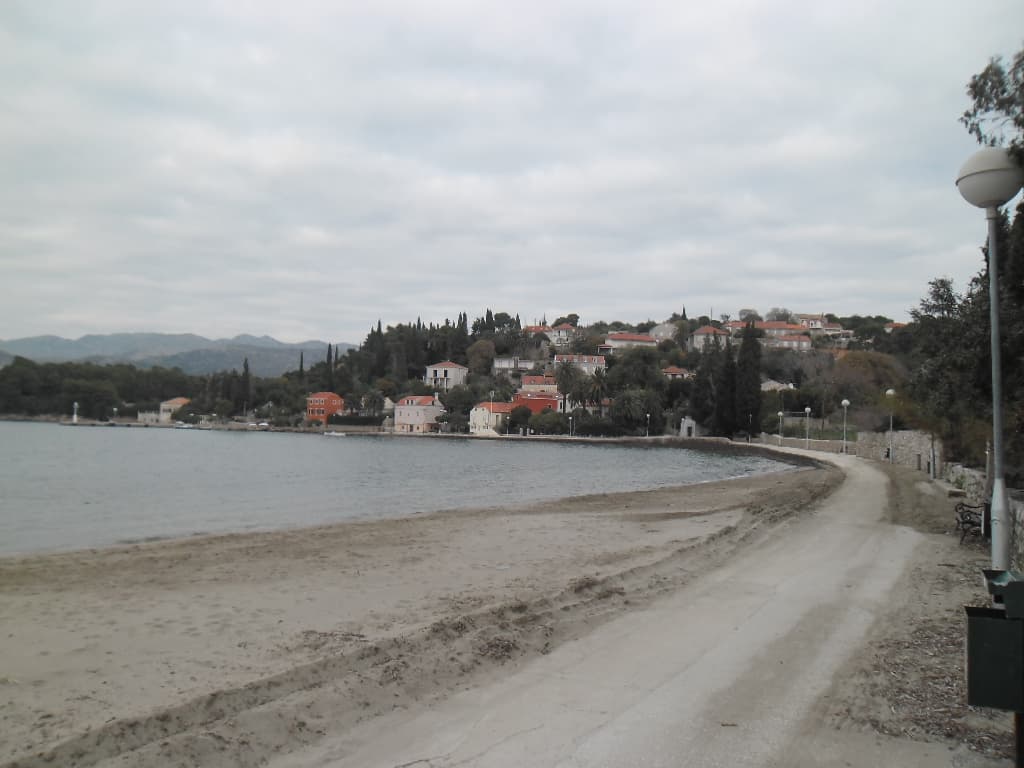
Swimming on Koločep is concentrated around the bays of Donje Čelo and Gornje Čelo, both reached on foot without needing a car. Jadrolinija characterises the Elafiti through sandy beaches, rocky coves and pine woods, while City of Dubrovnik documents for Donje Čelo provide for sunbeds and umbrellas on part of the shore in front of Villa Ruža and water-recreation equipment at another micro-location. Gornje Čelo likewise has planned kayak, canoe and pedal-boat activity. Because the island is small and largely free of conventional motor traffic, a beach day combines naturally with walking between the two main bays.
Things to do
Koločep is best explored on foot between Donje Čelo and Gornje Čelo, as City of Dubrovnik planning documents confirm the pedestrian link between the two settlements and motor traffic is restricted. In Donje Čelo, it is worth climbing towards Kaštio above the harbour before returning to the waterfront for swimming or water-equipment rental. The city’s maritime-domain plan provides for kayaks, canoes, pedal boats and similar equipment in Donje Čelo, with separate recreation allocations in Gornje Čelo. The day can end back at the harbour, where Jadrolinija’s 2026 services connect Koločep not only with Dubrovnik but also with Lopud and Suđurađ on Šipan.
Practical information
Practical information
The Koločep local council is based in Donje Čelo, and the City of Dubrovnik publishes local contacts and a 2026 work plan for the island. The key practical feature for visitors is the traffic regime: Jadrolinija’s 2026 tariff states that motor vehicles are prohibited across the island except by special permit and that there is no motor-vehicle parking on Koločep. Day-trip luggage should therefore be limited to what can comfortably be carried on foot from the harbour. The boat service operates year-round, but Jadrolinija notes that schedules may change, so the return departure should be checked before setting out across the island.
Getting there and around
Koločep relies on sea transport from Dubrovnik’s Gruž harbour. In 2026 Jadrolinija publishes a year-round timetable for the Dubrovnik–Koločep–Lopud–Suđurađ service linking the three inhabited Elafiti islands. On this route, a purchased ticket guarantees departure at the selected time under the operator’s rules. After disembarking, travel around Koločep continues on foot because Jadrolinija’s 2026 tariff explicitly states that motor traffic is prohibited except for specially permitted vehicles. Access to the island is therefore straightforward, but the boat timetable sets the rhythm of the entire day trip.
Frequently asked questions
Are cars allowed on Koločep?
Motor traffic is prohibited on Koločep except for vehicles with special permission.
Is there parking on Koločep?
No. Jadrolinija’s 2026 tariff explicitly states that motor-vehicle parking is not available on the island.
How do I reach Koločep from Dubrovnik?
Jadrolinija operates a year-round service linking Dubrovnik, Koločep, Lopud and Suđurađ on Šipan.
What is Kaštio on Koločep?
Kaštio is a historic fort above Donje Čelo harbour that served as a refuge for residents during pirate attacks.
Nearby

Ljubač, Dubrovnik
Village · Dalmatia – Dubrovnik

Related guides

Dubrovnik
Dubrovnik’s historic centre is organised around Stradun, yet its character changes within a few steps of that main street. At the western end beside Pile stand the Large Onofrio Fountain,…
Read the guide

Help improve this page
Spot something missing or wrong? Suggest a correction, add your photo or report a problem. Editors review every suggestion before it is published.
Photo credits
- Koločep — Chiqui Teo · Public domain · Wikimedia Commons
- Ljubač, Dubrovnik, Zaton, Dubrovnik-Neretva County, Sutvrač, Ingalo Beach, President Beach — August Dominus · CC BY-SA 3.0 · Wikimedia Commons
- Osojnik, Dubrovnik, Pobrežje, Dubrovnik,