Podravska Moslavina
About this place
Podravska Moslavina occupies the right bank of the Drava at the western edge of Osijek-Baranja County, beside Croatia’s border with Hungary. The village stands at 106 metres above sea level, 15 kilometres west of Donji Miholjac and 26 kilometres northeast of Slatina. Written sources record it as Monoslav in 1397, Moslow in 1413 and Monoslo in 1470, revealing a long history in the Drava borderlands. Its principal landmark is the late-Baroque parish church of the Nativity of the Blessed Virgin Mary, built in 1789 and distinguished by a 32-metre bell tower. Inside are Hefner organs dating from 1895, a specific reason to look beyond the exterior. The surrounding countryside belongs to the Middle Drava section of the Natura 2000 network, recognised for its river habitats, species and birdlife. Rather than offering large museums or a busy visitor circuit, Podravska Moslavina rewards a quiet half-day combining its historic church, level agricultural landscape and the natural setting of the Drava.
Podravska Moslavina belongs to the flat Drava corridor, with its northern boundary also forming Croatia’s border with Hungary. Its position 60 kilometres from Osijek and between Donji Miholjac and Slatina gives it the character of a small peripheral centre, while arable farming and livestock remain visible in the surrounding landscape. The historical names Monoslav, Moslow and Monoslo predate the present form, and the settlement was linked to the Valpovo estate from the early fifteenth century. Today, the village skyline is defined by the 32-metre tower of the Church of the Nativity of the Blessed Virgin Mary.
Things to see
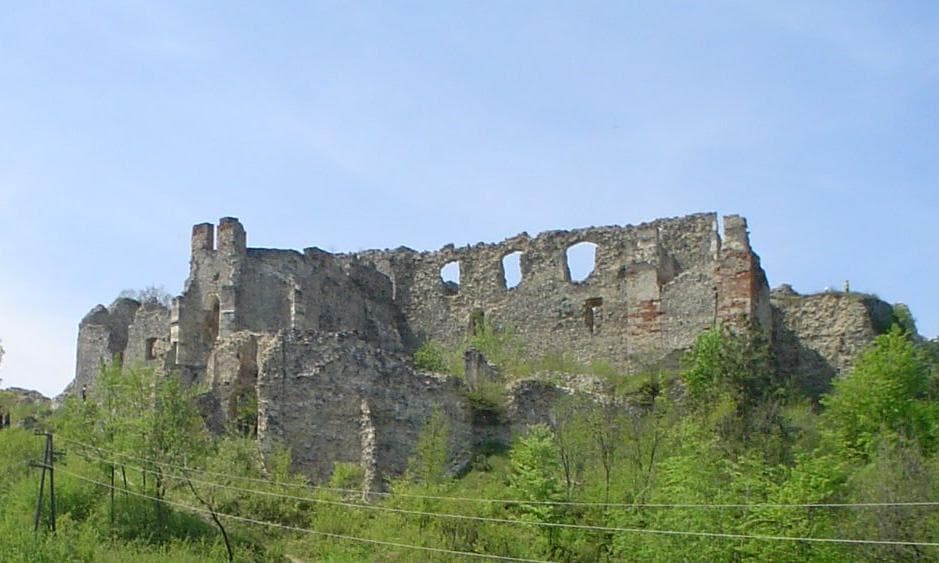

Pejačević Manor
Landmark · Našice
Baroque-revival style structure in Našice
34 km from Podravska Moslavina

Orahovica Monastery
Landmark · Duzluk
Serbian Orthodox monastery in Croatia
34 km from Podravska Moslavina

Stays
No stays listed here yet
Things to do
Start at the parish church of the Nativity of the Blessed Virgin Mary, built in 1789 in the late-Baroque style. After viewing its 32-metre tower, look inside for the Hefner organ installed in 1895. A walk through the level village then connects this religious landmark with a farming landscape shaped by grain cultivation and livestock. Finish towards the Drava corridor, part of the Middle Drava Natura 2000 area; any riverside outing should follow accessible local tracks and respect the sensitivity of the river habitats.
Tours and activities
AdAd · partner offers: GetYourGuideThe partner handles booking, payment and support. StayBravo may earn a commission on bookings made through these links.How we choose offersGetYourGuide offers are selected and ordered by GetYourGuide based on the name of the nearest larger town or national park; we do not influence their selection and do not use data about you.GetYourGuide · Podravska Moslavina
We show GetYourGuide offers once you allow their cookies.
Practical information
Getting there and around
Podravska Moslavina lies 15 kilometres west of Donji Miholjac, 26 kilometres northeast of Slatina and roughly 60 kilometres from Osijek. Its road position between Donji Miholjac and Slatina makes it easy to combine with other stops along the Podravina corridor, while a car is useful for reaching the municipality’s outer areas and the Drava landscape. As the river runs close to the Hungarian border here, a trip towards the bank should not be treated as an international crossing; cross-border travel must use an official road checkpoint.
Frequently asked questions
How tall is the church tower in Podravska Moslavina?
The bell tower of the Church of the Nativity of the Blessed Virgin Mary is 32 metres high.
Which organ is housed in the parish church?
The church houses a Hefner organ dating from 1895.
When was the settlement first recorded?
Podravska Moslavina was first recorded in 1397 under the name Monoslav.
Nearby
Podravska Moslavina
Open in OpenStreetMap(opens in a new tab)Smaller places
straight-line distance
Related guides

Osijek
Tvrđa and the centre around the main square are distinct starting points for understanding Osijek. The former emphasises the fortified historic quarter and Baroque architecture; the latter…
Read the guide

Vukovar
A cultural visit to Vukovar has several separate centres of gravity. Eltz Palace and the City Museum address the city and its inhabitants across different periods. Vučedol reaches much…
Read the guide

Stubičke Toplice
Stubičke Toplice derives almost its entire identity from thermal water and the Zagorje landscape. There is no large urban historic core; green spaces, bathing facilities and traces of the…
Read the guide
Slavonski Brod
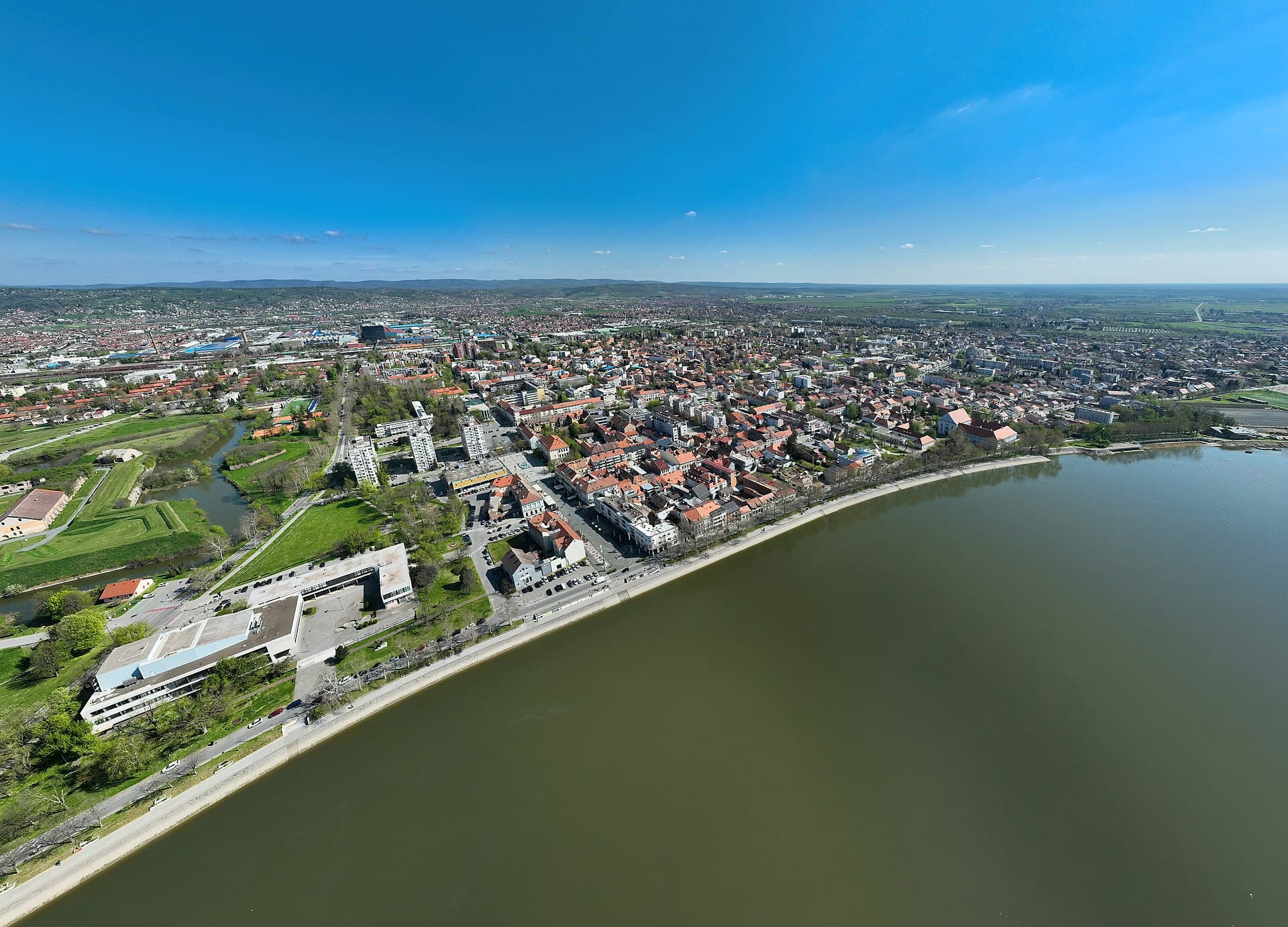
Slavonski Brod developed around one of the major crossings of the Sava, and that border and transport role left a strong mark on the city. Brod Fortress represents the eighteenth-century…
Read the guide
Know Podravska Moslavina? Correct us
Tell us in your own words what is not accurate. We check right away.Do not enter personal data. Corrections are checked by the StayBravo AI assistant; changes to the description are approved by an editor. Use the form instead
Do you know Podravska Moslavina?
Help the guests who come after you.
Help us complete
Nothing is published without an editor’s review.Report illegal content
Photo credits: Kapelna, Ivanovo, Viljevo — Plamen (CC BY-SA 4.0) · Ružica grad — Lorelay Rory Gilmore (Public domain) · Pejačević Manor, Orahovica Monastery — Flammard (CC BY-SA 3.0) · Prandau-Normann Castle — Roko Poljak (CC BY-SA 4.0) · Osijek — Rp031 (CC BY-SA 4.0) · Vukovar — Bybbisch94, Christian Gebhardt (CC BY-SA 4.0) · Stubičke Toplice — MOs810 (CC BY-SA 4.0) · Slavonski Brod — Petar Milošević (CC BY-SA 4.0)