
Mohovo
About this place
Mohovo is a small Srijem village within the City of Ilok, set between the slopes of Fruška Gora and the Danube. Its visitor appeal comes not from a large historic centre but from fossil discoveries that earned it the name “Valley of Mammoths”. Bones of a woolly mammoth and woolly rhinoceros were uncovered in an orchard in 2012, and subsequent investigations also identified remains of hyena, wild horse and bison. These animals belonged to the Pleistocene megafauna that inhabited this steppe landscape more than 15,000 years ago. A life-size mammoth sculpture now greets visitors in central Mohovo, while the permanent exhibition “Fossils from the Valley of Mammoths in Mohovo” presents the village’s finds inside the community hall. The local Valley of Mammoths association expands the story through workshops, exhibitions and Mammothfest. Mohovo also belongs to Ilok’s vineyard-and-river landscape, making the village a natural companion to the Ilok Town Museum in Odescalchi Castle, whose natural-history collection includes mammoth tusks and part of a steppe-elephant skeleton.
Mohovo is one of the settlements administered by the City of Ilok, together with Bapska, Šarengrad, Radoš and Ilok itself. It lies in western Srijem, in the landscape between the Danube and the rolling slopes of Fruška Gora. The modern nickname “Valley of Mammoths” stems from a 2012 discovery in an orchard, where fragments of woolly mammoth and rhinoceros were found in loess deposits roughly 130–150 centimetres below ground. Further fossil locations emerged later, while the mammoth sculpture in the village centre has turned Mohovo’s palaeontological story into its most recognisable symbol.
Things to see

Šarengradska utvrda
Landmark · Šarengrad
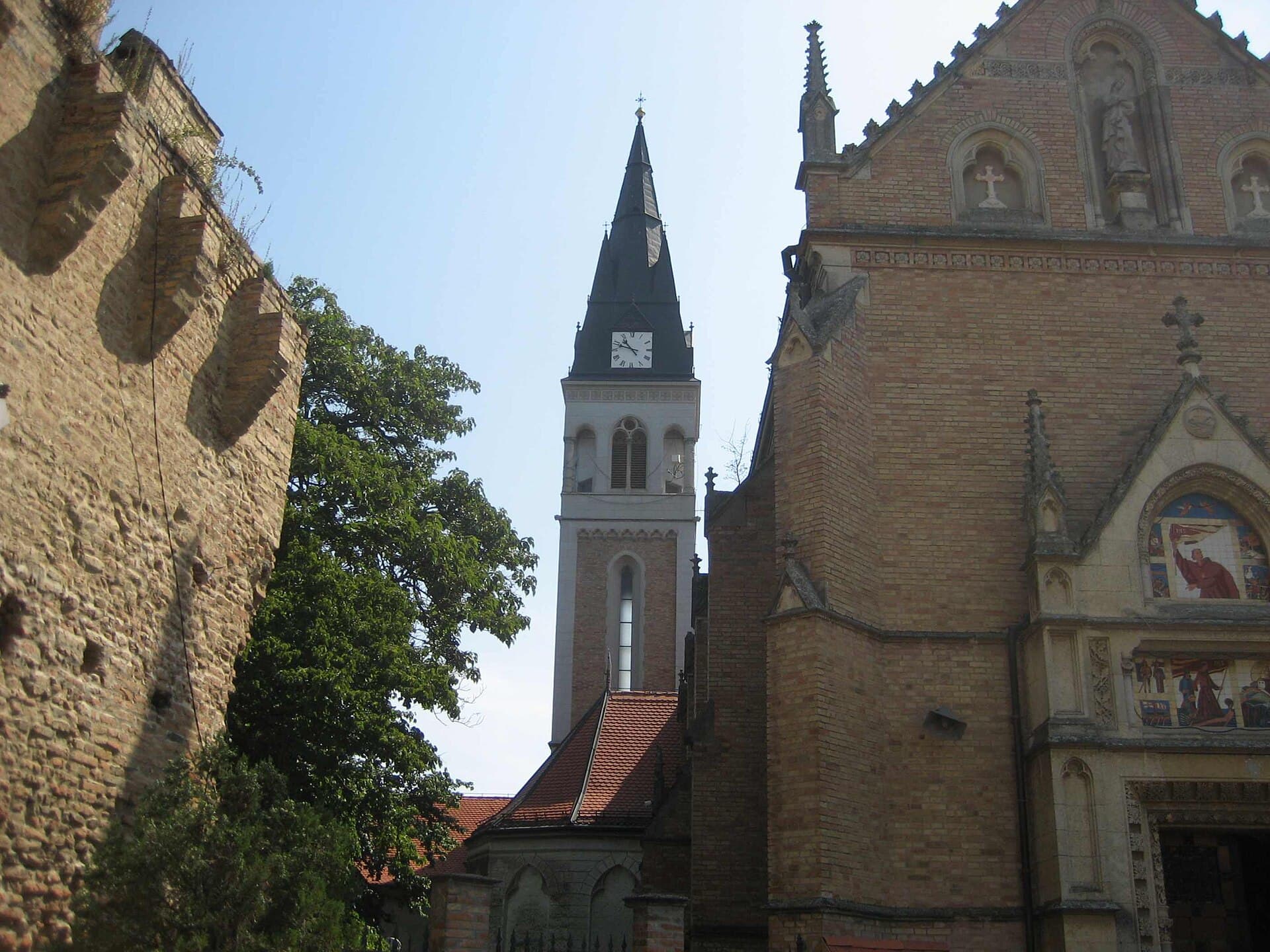
Šarengrad Fortress is the ruin of a medieval stronghold above Danube-side Šarengrad, built in 1420 on the site of the older burg Athya.
5 km from Mohovo


Stays
No stays listed here yet
Things to do
Start a Mohovo visit at the life-size woolly mammoth sculpture, installed in the village centre in 2022. Continue to the exhibition “Fossils from the Mammoth Valley in Mohovo” at the community hall, which presents Ice Age megafauna finds from the village area. The story began in 2012 with the discovery of woolly mammoth and woolly rhinoceros remains in an orchard; later finds included hyena, wild horse and bison. For a fuller programme, follow Mammothfest: its sixth edition runs from 9 to 11 October 2026 and includes an exhibition on Mohovo’s Pleistocene megafauna.
Tours and activities
AdAd · partner offers: GetYourGuideThe partner handles booking, payment and support. StayBravo may earn a commission on bookings made through these links.How we choose offersGetYourGuide offers are selected and ordered by GetYourGuide based on the name of the nearest larger town or national park; we do not influence their selection and do not use data about you.GetYourGuide · Vukovar
We show GetYourGuide offers once you allow their cookies.
Practical information
Getting there and around
Mohovo stands on the Vukovar–Ilok road, making a car the simplest way to reach the village from either town. The mammoth sculpture is beside this road in the centre, so a short visit does not require complicated navigation through the settlement. One practical detail affects local travel planning: the municipal company Kom-Ilok discontinued its taxi service for Ilok, Bapska, Šarengrad and Mohovo on 23 July 2025. Visitors continuing to the Ilok Town Museum or other sites around Ilok should therefore keep their own vehicle or arrange transport in advance.
Frequently asked questions
Why is Mohovo called the Valley of Mammoths?
The name refers to woolly-mammoth fossils and other Pleistocene megafauna discovered in Mohovo since 2012.
Where is Mohovo’s mammoth?
The life-size mammoth sculpture stands in the village centre beside the Vukovar–Ilok road.
Is there a fossil exhibition in Mohovo?
Yes. The community hall houses the permanent exhibition “Fossils from the Valley of Mammoths in Mohovo”.
Nearby
Mohovo
Open in OpenStreetMap(opens in a new tab)Larger towns
straight-line distance
Related guides

Osijek
Tvrđa and the centre around the main square are distinct starting points for understanding Osijek. The former emphasises the fortified historic quarter and Baroque architecture; the latter…
Read the guide

Vukovar
A cultural visit to Vukovar has several separate centres of gravity. Eltz Palace and the City Museum address the city and its inhabitants across different periods. Vučedol reaches much…
Read the guide

Stubičke Toplice
Stubičke Toplice derives almost its entire identity from thermal water and the Zagorje landscape. There is no large urban historic core; green spaces, bathing facilities and traces of the…
Read the guide
Slavonski Brod
Slavonski Brod developed around one of the major crossings of the Sava, and that border and transport role left a strong mark on the city. Brod Fortress represents the eighteenth-century…
Read the guide
Know Mohovo? Correct us
Tell us in your own words what is not accurate. We check right away.Do not enter personal data. Corrections are checked by the StayBravo AI assistant; changes to the description are approved by an editor. Use the form instead
Do you know Mohovo?
Help the guests who come after you.
Help us complete
Nothing is published without an editor’s review.Report illegal content
Photo credits: Mohovo, Opatovac, Lovas, Sotin — Roberta F. (CC BY-SA 3.0) · Lovas — slovas (CC BY-SA 3.0) · Šarengrad — Shabicht (CC0) · Tompojevci, Mikluševci, Tovarnik, Ilača, Bokšić, Tompojevci, Čakovci, Church of St. Nicholas, Church of St. George — MirkoS18 (CC BY-SA 4.0) · Šarengradska utvrda — Pudelek (Marcin Szala) (CC BY-SA 3.0) · Ilok Castle — Modzzak (Public domain) · Osijek — Rp031 (CC BY-SA 4.0) · Vukovar — Bybbisch94, Christian Gebhardt (CC BY-SA 4.0) · Stubičke Toplice — MOs810 (CC BY-SA 4.0) · Slavonski Brod — Petar Milošević (CC BY-SA 4.0)