
Glina
About this place
Glina stands in the Banovina region where the Maja flows into the River Glina, 22 kilometres south-west of Petrinja and 35 kilometres from Sisak. Its orderly central street plan developed beside a bastioned earthwork built in 1735–36, before the town became the headquarters of the First Ban’s Regiment. At its heart is Jelačić Park, covering 13,585 square metres and containing 167 trees, including double rows of plane trees and horse chestnuts. Josip Jelačić ordered the eastern avenue planted while serving in Glina as a colonel between 1841 and early 1848. The town also has a defining connection with Croatia’s national anthem: in 1846, Josip Runjanin set Antun Mihanović’s poem “Horvatska domovina” to music here. The restored House of the Croatian Anthem in Kneza Branimira Street recalls that event through conserved 19th-century decoration and a staircase railing shaped with a treble-clef motif. Glina is best explored on foot, linking the park, formal street grid, anthem house and memorial sites shaped by Banovina’s difficult history.
Glina is a deliberately planned Military Frontier town whose intersecting central streets still reflect the layout created beside its 18th-century fort. The Croatian Parliament met here in 1737, and Glina later became the headquarters of the First Ban’s Regiment. The River Glina and its tributary, the Maja, define the town’s lowland position at roughly 113 metres above sea level. Classical-era houses, frontier history and the local story of Josip Runjanin and the Croatian anthem distinguish its centre from the surrounding Banovina countryside.
Things to see

Čuntić grad
Landmark · Donja Mlinoga
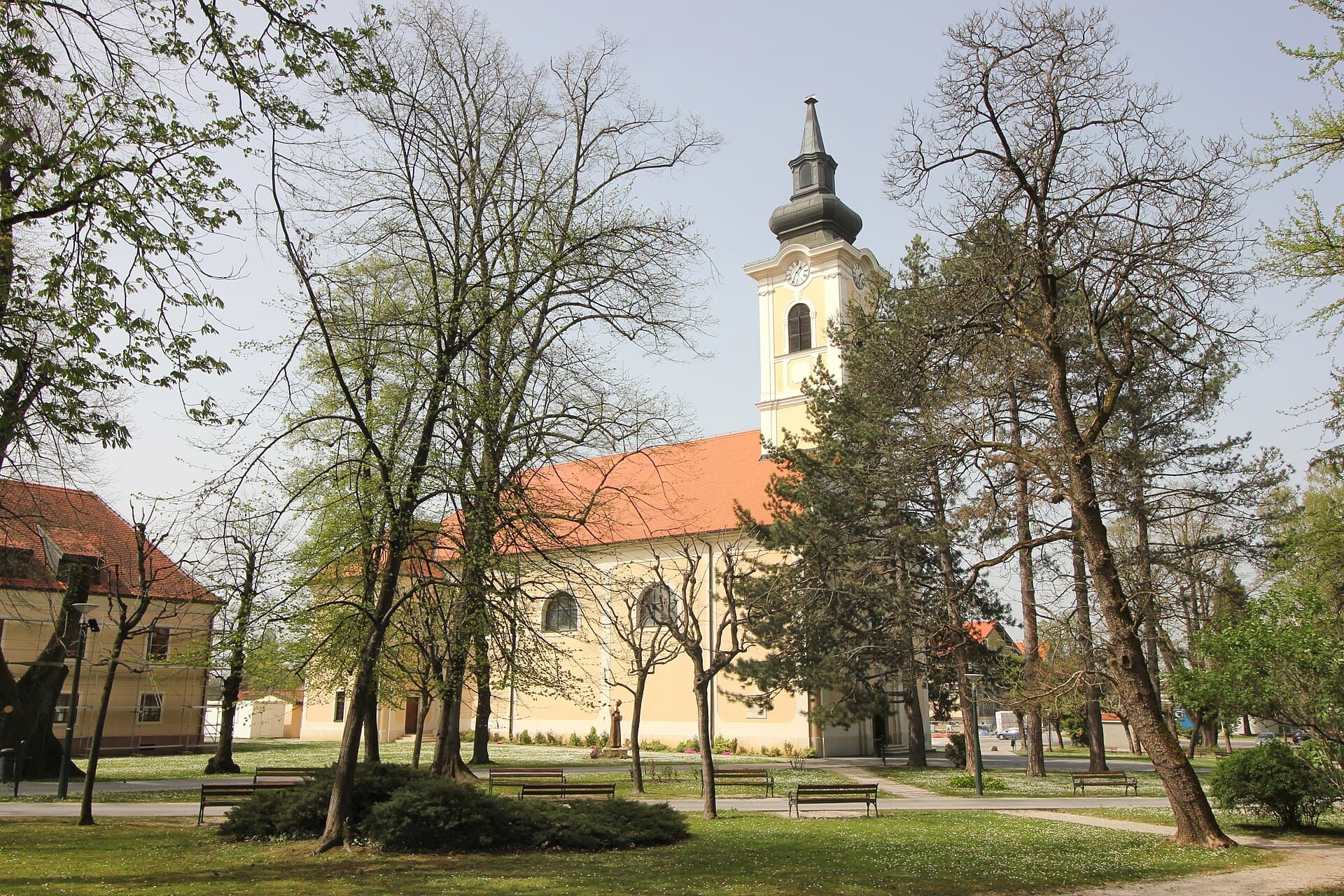
Čuntić Castle, also known as Čuntić Tower, is a circular defensive tower built in 1551 on the slopes of Hrastovica Hill.
15 km from Glina
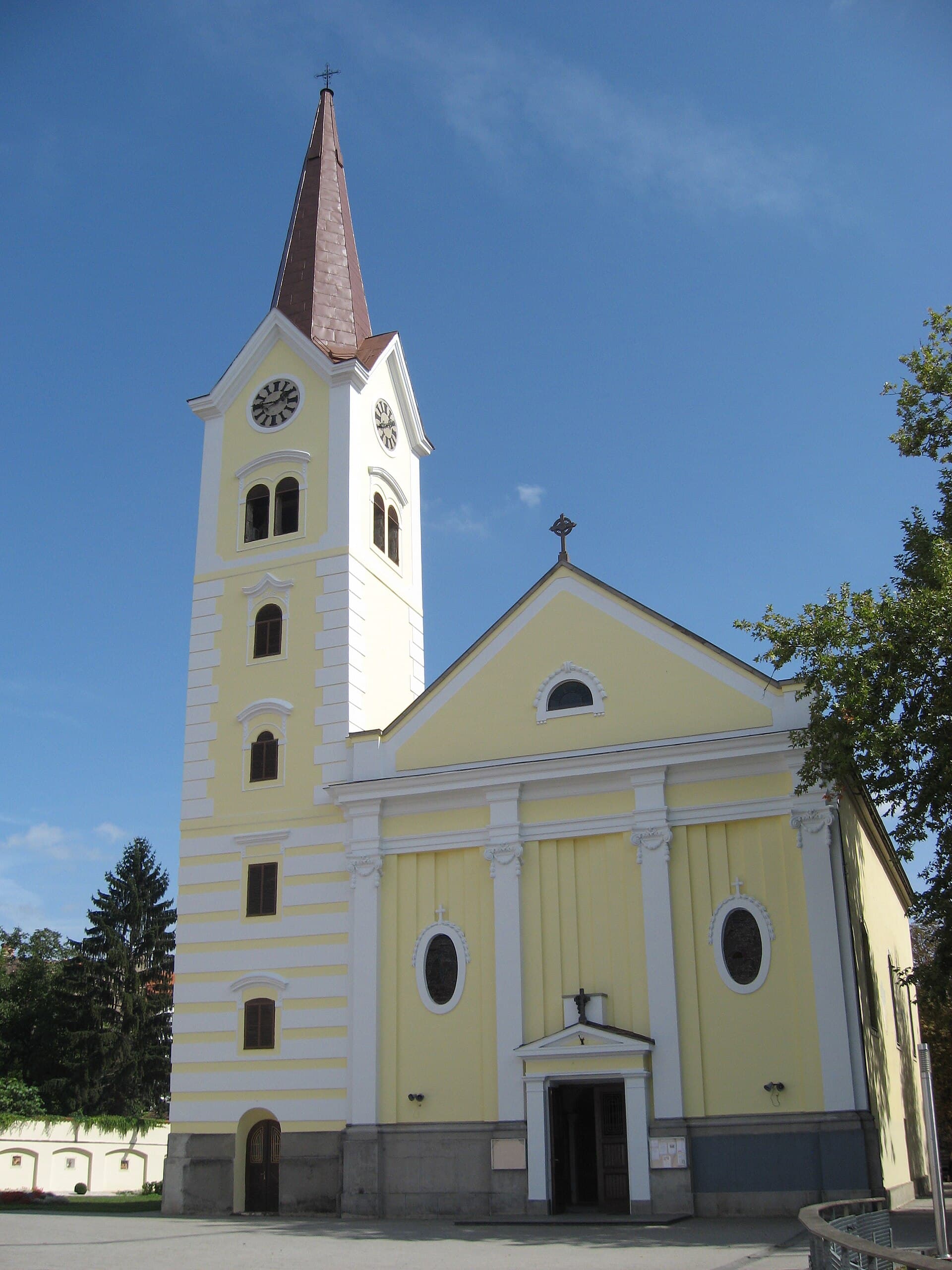
St. Lawrence church in Petrinja
Landmark · Petrinja
church building in Petrinja, Croatia
18 km from Glina

Stays nearby
- Holiday home
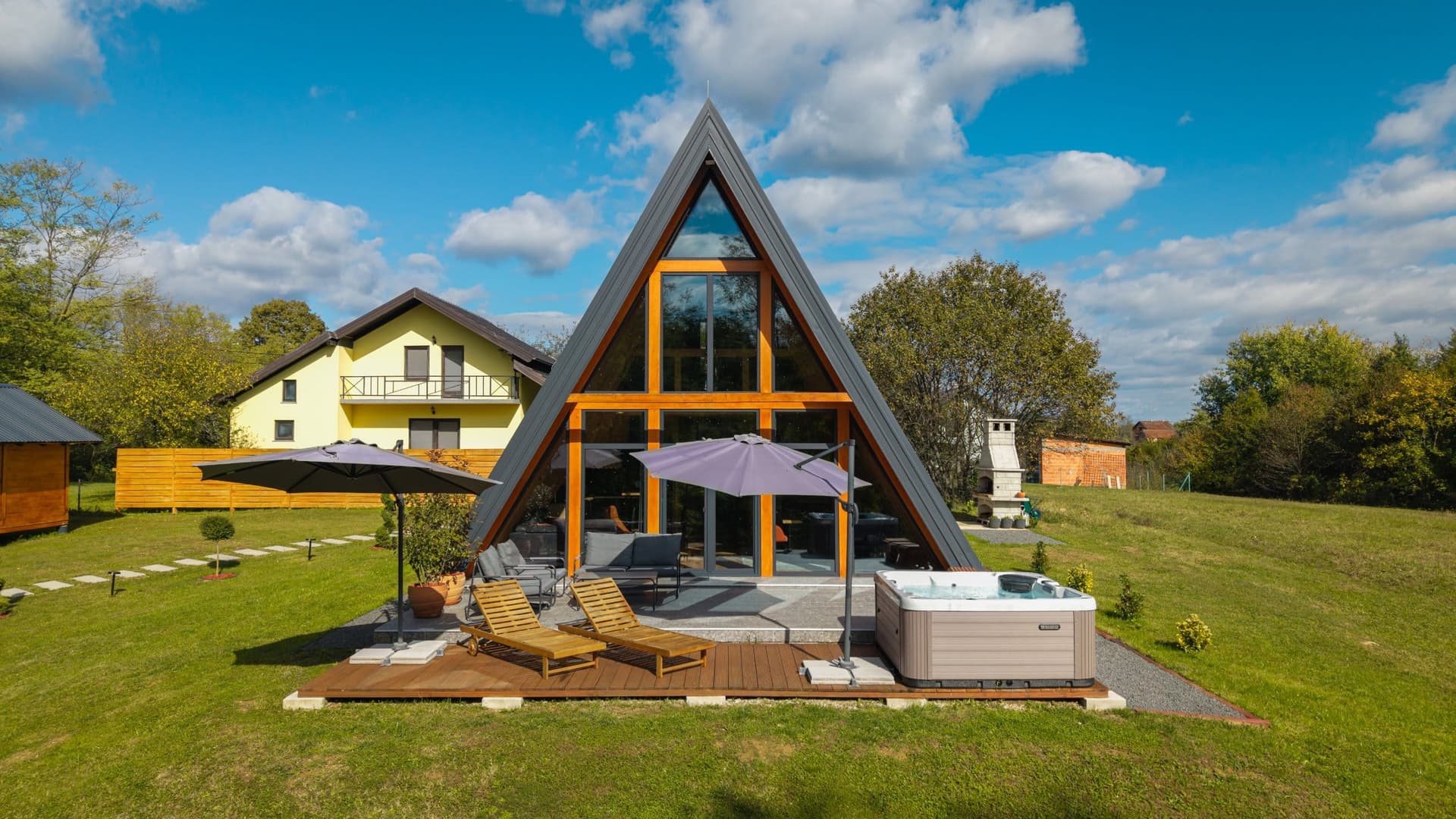 11 km from Glina
Be the first to list here
Guests looking for this place only see stays nearby for now. No commission, and enquiries come straight to you.
List your accommodation
Things to do
Start in Jelačić Park, where the eastern avenue of plane trees recalls the years when Josip Jelačić commanded in Glina. Continue to the House of the Croatian Anthem at 13 Kneza Branimira Street; its restoration preserved 19th-century wall painting, stone stairs and a treble-clef railing. From there, walk to Hrvatski dom, where Antun Augustinčić’s sculpture “Mother and Child” stands outside, and pause at the memorial site of the former Orthodox Church of the Nativity of the Virgin. Finish beside the River Glina, the waterway that gave both the town and its wider area their name.
Tours and activities
AdAd · partner offers: Viator, GetYourGuideThe partner handles booking, payment and support. StayBravo may earn a commission on bookings made through these links.How we choose offersWe choose offers based on the page you are viewing: the partner destination for this place or the nearest one (with its distance), and on a sight page only offers that mention it. We show offers rated at least 4.3 with at least 10 reviews, without multi-day tours or pure transfers, ordered by rating adjusted for the number of reviews and then by the partner’s order. We do not use data about you, and the commission does not affect the order.GetYourGuide offers are selected and ordered by GetYourGuide based on the name of the nearest larger town or national park; we do not influence their selection and do not use data about you.GetYourGuide · Sisak
We show GetYourGuide offers once you allow their cookies.
Viator
Nearest destination: Zagreb (54 km)
Communism & Croatian Homeland War Tour (opens in a new tab)
Explore the turbulent 20th century in Croatia in a entertaining way combining historical facts and personal experiences. You will find out more about Croatia’s relations with neighbouring countries…
Rated 5 out of 5 · 1,561 reviews· 2 h
Free cancellation
from €39
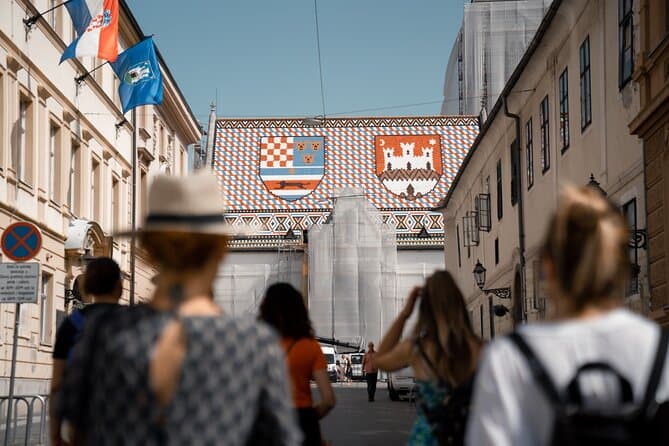
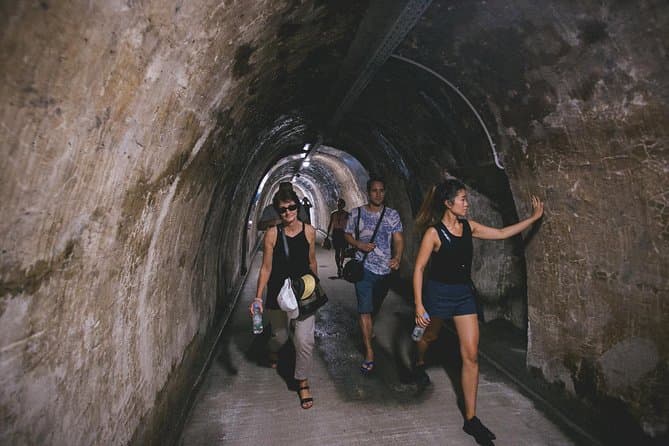
Zagreb Highlights: Old Town, WWII tunnels, Funicular & Tastings (opens in a new tab)
Zagreb Highlights keeps groups small, up to 16 people, so you get a genuinely personal experience with your licensed local guide. In 2 hours, you'll cover the city's must-see landmarks, descend into…
Rated 5 out of 5 · 1,227 reviews· 2 h
Free cancellation
from €20
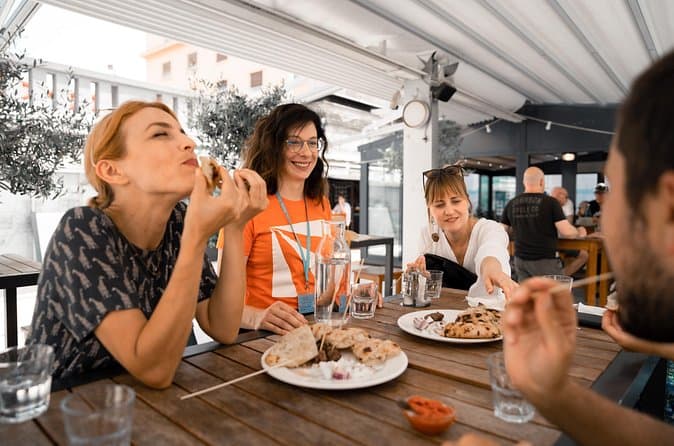
Zagreb Food Tour: Local Dishes & City Stories (opens in a new tab)
Join a small-group food tour of Zagreb, and spend 3 hours tasting authentic local dishes at some of the city's best food spots. From savoury street food to traditional pastries and local liquor…
Rated 5 out of 5 · 296 reviews· 3 h
Free cancellation
from €79
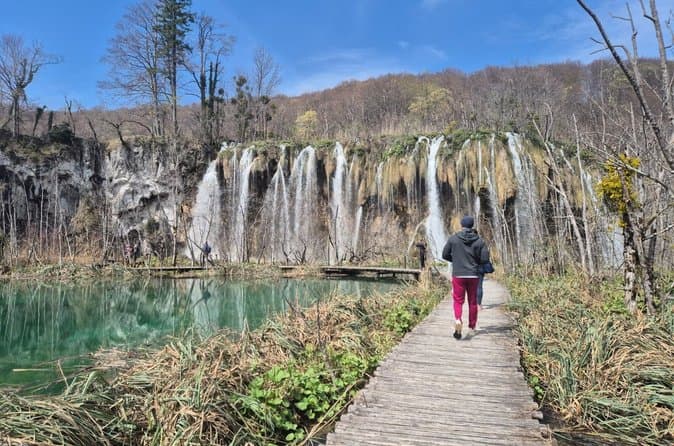
Plitvice Lakes Guided Day Tour from Zagreb (opens in a new tab)
Explore the beautiful Plitvice Lakes National Park on this day tour from Zagreb. Located at the top of Croatia’s Adriatic region, in the Dinaric Alps, this UNESCO-listed site is one of the must-see…
Rated 4.9 out of 5 · 526 reviews· 11 h
Free cancellation
from €65
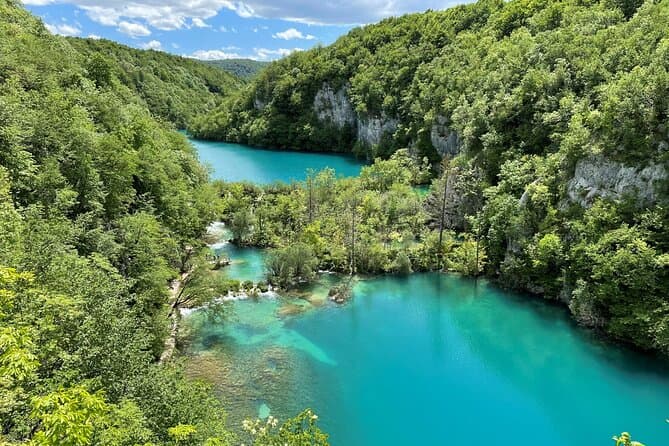
Plitvice Lakes with Ticket & Rastoke Guided Tour from Zagreb (opens in a new tab)
Escape the city and immerse yourself in Croatia’s most stunning natural wonder—Plitvice Lakes National Park, a UNESCO World Heritage site. This full-day guided tour from Zagreb includes entry…
Rated 4.9 out of 5 · 1,045 reviews· 10 h
Free cancellation
from €75
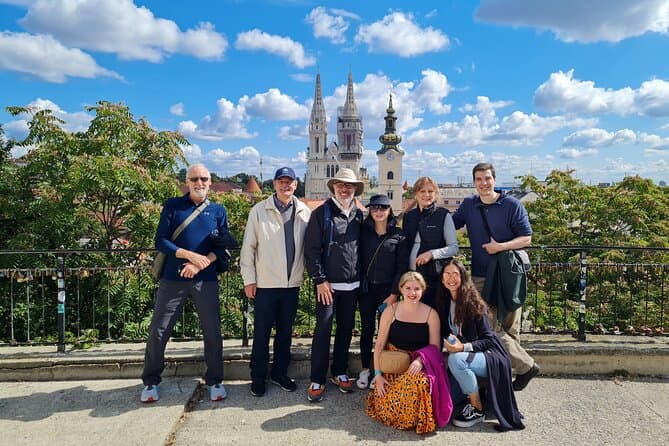
Walking tour of Zagreb (opens in a new tab)
Get your walking shoes on and take a stroll with us as we show you the highlights of our wonderful city. We have the local insights and handy tips to leave you wanting to explore some more. We will…
Rated 4.9 out of 5 · 513 reviews· 2–3 h
Free cancellation
from €20
Practical information
Getting there and around
Glina is a road junction connecting Petrinja and Sisak to the north-east, Karlovac to the west, and Dvor and the Bosnian border to the south-east. It lies 22 kilometres from Petrinja and 35 kilometres from Sisak, which is the usual onward hub for rail connections and larger regional services. The principal road through town forms part of the Karlovac–Glina–Dvor–Novi Grad corridor. Once in Glina, the compact centre makes it practical to walk between Jelačić Park, the House of the Croatian Anthem and Hrvatski dom.
Frequently asked questions
Where did Josip Runjanin compose the anthem’s melody?
In 1846, Runjanin set Mihanović’s poem “Horvatska domovina” to music in Glina; it later became Croatia’s national anthem.
How many trees are in Jelačić Park?
The 13,585-square-metre park contains 167 trees, notably plane trees and horse chestnuts.
What can visitors see at the House of the Croatian Anthem?
Its restoration preserved 19th-century painted decoration, stone stairs and the entrance portal, while the staircase railing incorporates a treble clef.
Nearby
Related guides

Osijek
Tvrđa and the centre around the main square are distinct starting points for understanding Osijek. The former emphasises the fortified historic quarter and Baroque architecture; the latter…
Read the guide

Vukovar
A cultural visit to Vukovar has several separate centres of gravity. Eltz Palace and the City Museum address the city and its inhabitants across different periods. Vučedol reaches much…
Read the guide

Stubičke Toplice
Stubičke Toplice derives almost its entire identity from thermal water and the Zagorje landscape. There is no large urban historic core; green spaces, bathing facilities and traces of the…
Read the guide
Slavonski Brod
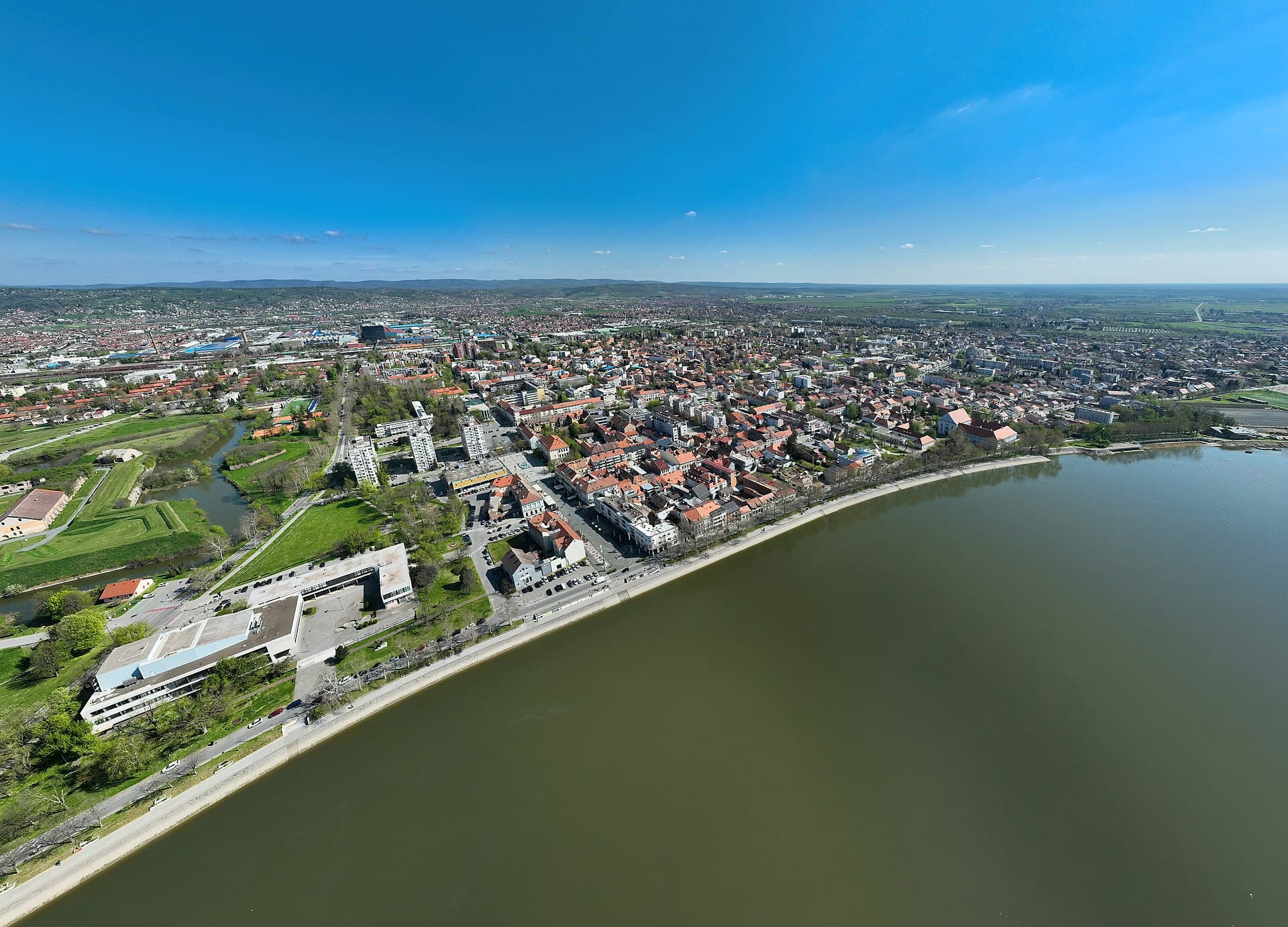
Slavonski Brod developed around one of the major crossings of the Sava, and that border and transport role left a strong mark on the city. Brod Fortress represents the eighteenth-century…
Read the guide
Know Glina? Correct us
Tell us in your own words what is not accurate. We check right away.Do not enter personal data. Corrections are checked by the StayBravo AI assistant; changes to the description are approved by an editor. Use the form instead
Do you know Glina?
Help the guests who come after you.
Help us complete
Nothing is published without an editor’s review.Report illegal content
Photo credits: Glina — Petar Milošević (CC BY 4.0) · Čuntić grad — Zdenko Franic (Public domain) · St. Lawrence church in Petrinja — Julian Nyča (CC BY-SA 4.0) · Gvozdansko Castle — Pdluke (CC BY-SA 3.0) · Sisak Cathedral — Andres rus (CC BY-SA 3.0) · Kuća za odmor Green Zen — IVICA ŠKRINJARIĆ (courtesy of the property owner) · Osijek — Rp031 (CC BY-SA 4.0) · Vukovar — Bybbisch94, Christian Gebhardt (CC BY-SA 4.0) · Stubičke Toplice — MOs810 (CC BY-SA 4.0) · Slavonski Brod — Petar Milošević (CC BY-SA 4.0)