
Bednja
About this place
Bednja lies in the north-western corner of Hrvatsko Zagorje, enclosed by Trakošćan, Ravna Gora, Macelj, Strahinjščica and Ivančica. The river that gave the village its name was first recorded in 1321, while Bednja’s parish appears in documents from 1440. The centre is marked by the parish Church of the Assumption, and the wider district is known for its distinctive local speech and centuries-long connection with the Trakošćan estate. A few kilometres from the village stands Trakošćan Castle, founded in the late thirteenth century to watch the road from Ptuj into the Bednja valley. The Drašković family acquired the estate in the sixteenth century, while the castle’s present Romantic appearance and landscaped grounds took shape during a nineteenth-century rebuilding. Its museum, founded in 1954, displays furniture, paintings, weapons and other objects ranging from the Renaissance to Historicism. Ravna Gora rises above the valley and can be reached on marked trails from Trakošćan and nearby villages, with mountain huts and the Chapel of the Three Kings along its ridge. Bednja thus combines a quiet municipal centre and rare linguistic heritage with two powerful excursion anchors: Trakošćan’s museum landscape and the wooded, rocky paths of Ravna Gora.
Bednja is the municipal centre on the upper reaches of the river bearing the same name, in a district shaped for centuries by the Trakošćan estate and the Drašković family. The river Bednja was documented in 1321 and the parish in 1440; older records alternated between references to the Trakošćan and Bednja parishes. The area’s human history reaches much further back: stone axes found at Brezova Gora, Cvetlin and Jazbina indicate Neolithic settlement, while Bronze Age and Celtic material has been discovered at Želimor. Everyday identity in Bednja is strongly marked by its distinctive local speech, now treated as one of the municipality’s principal cultural assets. Bednja village is separate from nearby Trakošćan, but together with the castle, Ravna Gora and the river valley it forms one coherent cultural landscape.
Things to see


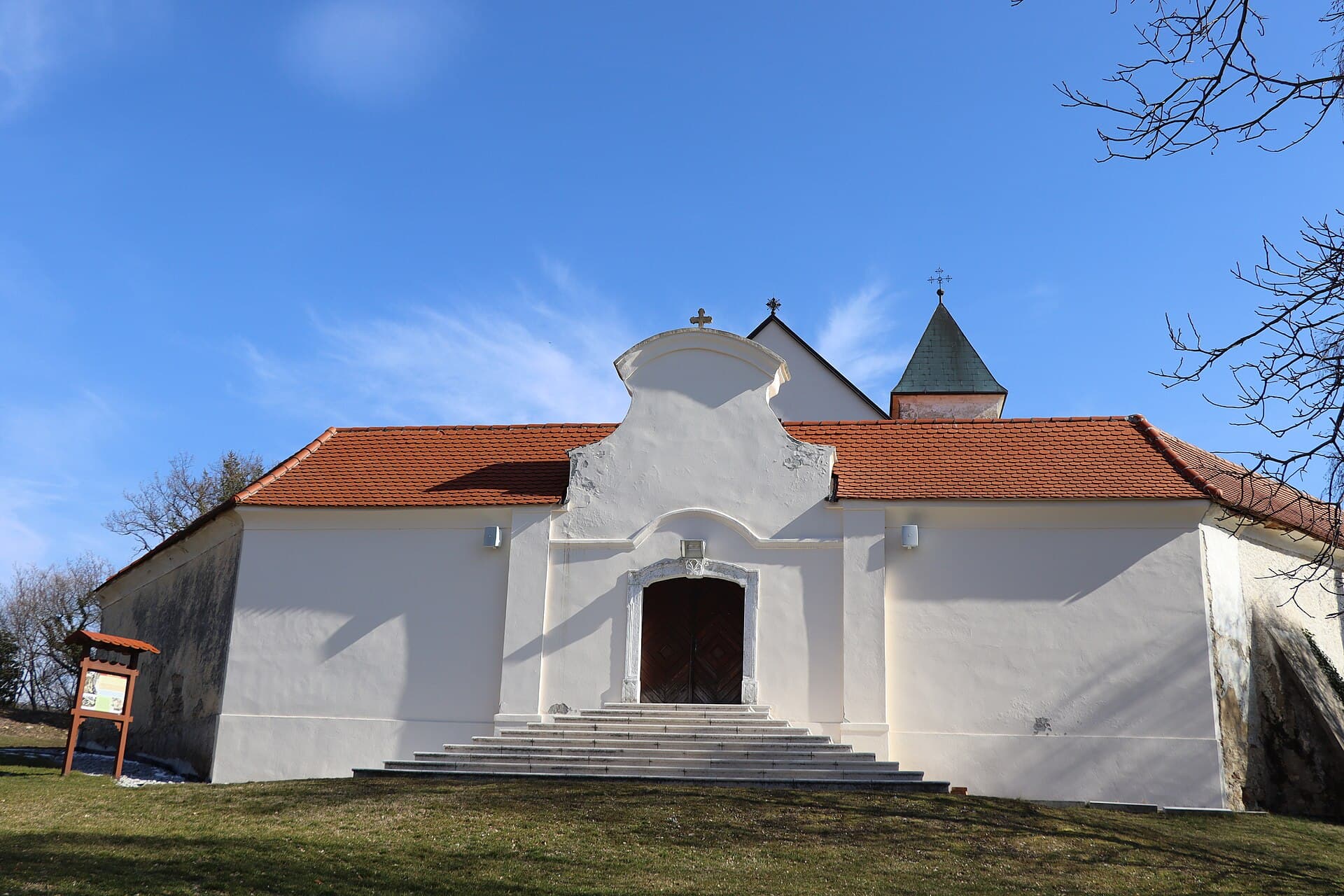
Church St Mary of Jerusalem
Landmark · Trški Vrh
church building in Trški Vrh, Croatia
11 km from Bednja
Stays further afield
- Apartment
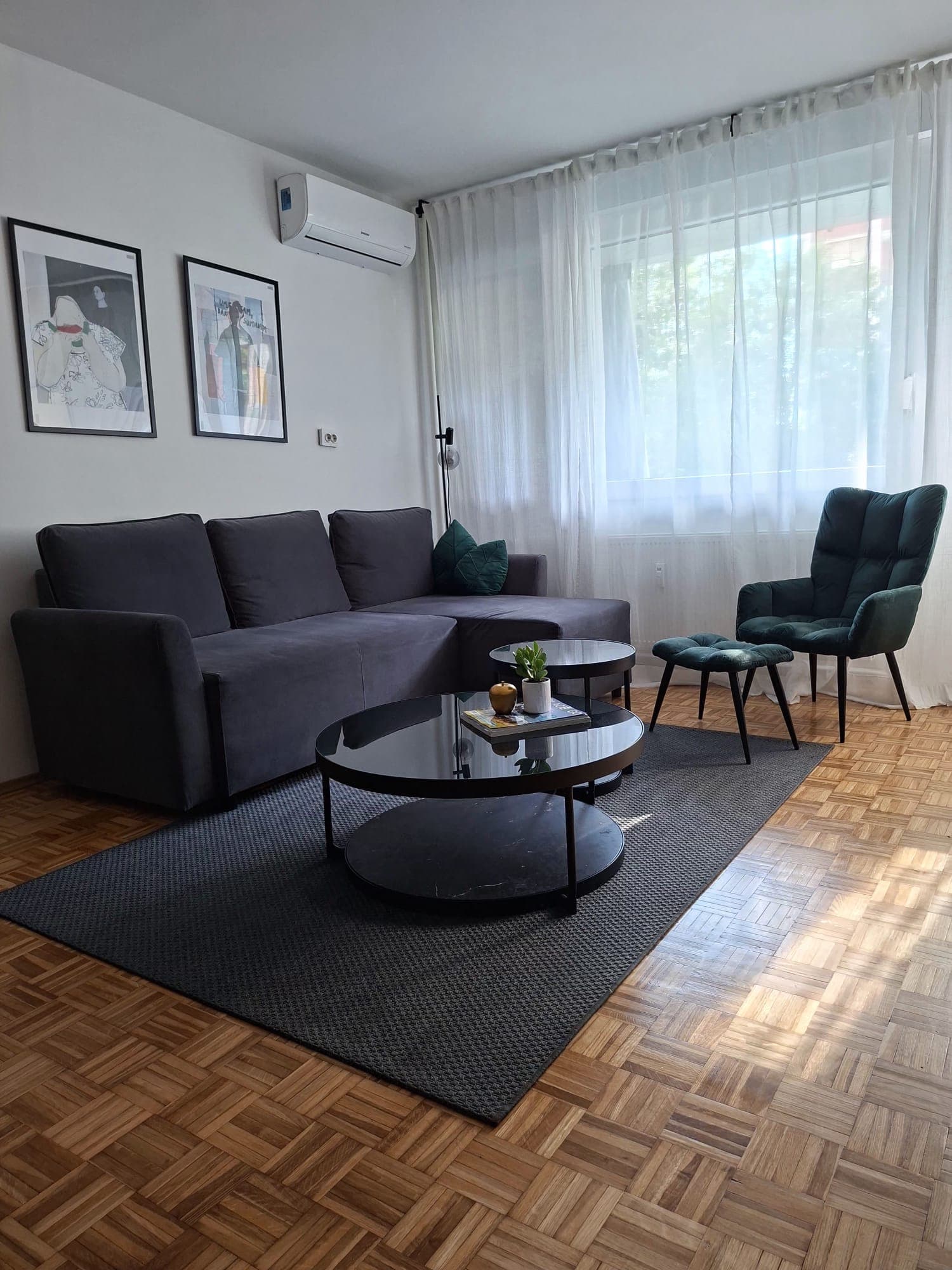 46 km from Bednja
- Holiday home
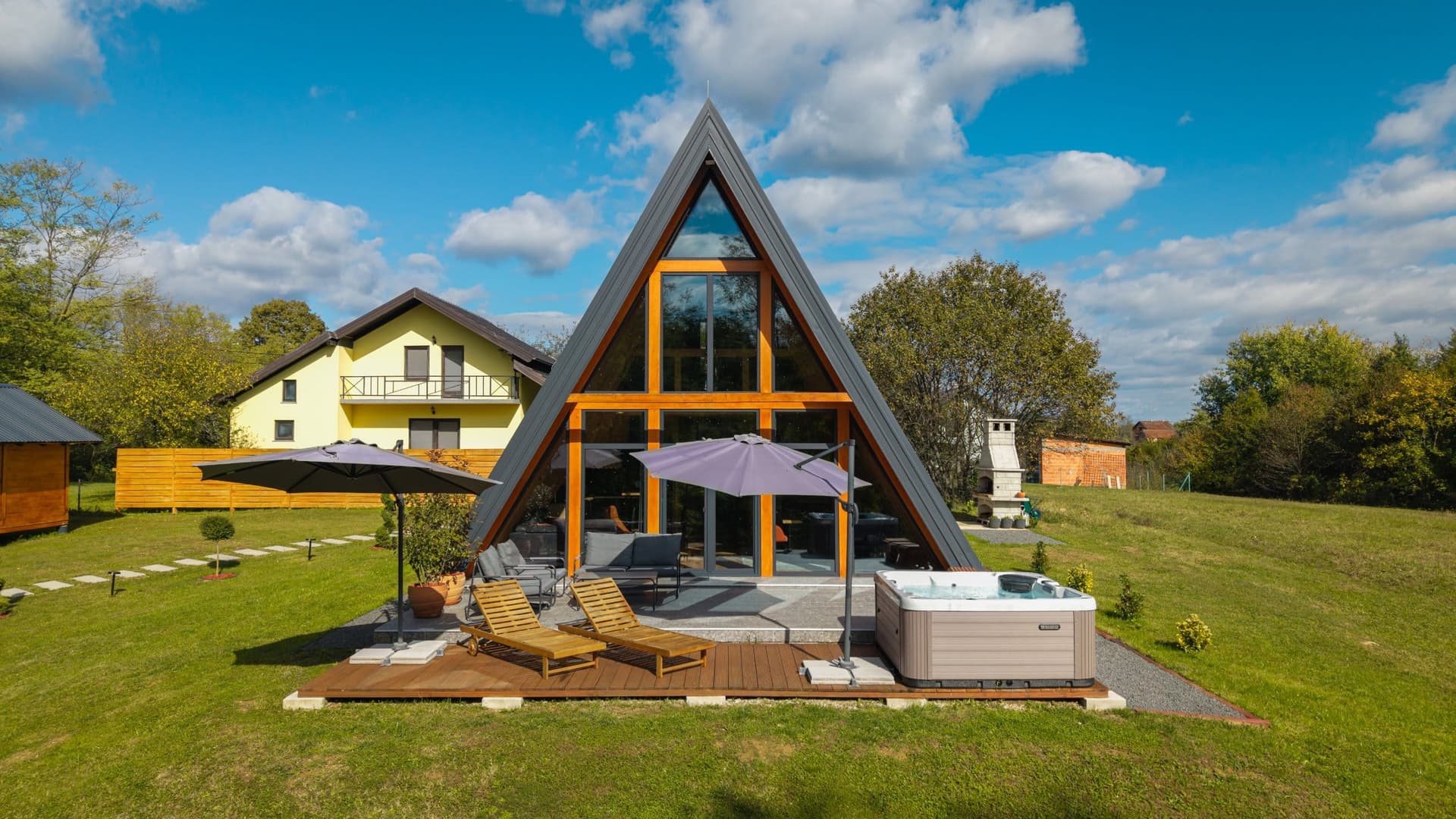 Topusko · 104 km from Bednja
Be the first to list here
Guests looking for this place only see stays nearby for now. No commission, and enquiries come straight to you.
List your accommodation
Things to do
Begin the morning in Bednja at the parish Church of the Assumption, then continue to Trakošćan to see museum collections displayed in the castle’s original rooms. Weapons, Drašković family portraits, furniture and Historicist interiors fill the building, while the park forest and lake reveal the estate’s nineteenth-century Romantic transformation. For a waterside walk, use the accessible section of the lake path and follow signs around the stretch closed because of a landslide. A more strenuous continuation climbs from Trakošćan through Vrbanići to Ravna Gora; the local mountaineering society gives a walking time of about two hours to the ridge, where Pusti Duh hut, the Chapel of the Three Kings and Filićev Dom stand close together. This sequence combines Bednja’s religious heritage, the castle interior and the mountain landscape in a single day.
Tours and activities
AdAd · partner offers: Viator, GetYourGuideThe partner handles booking, payment and support. StayBravo may earn a commission on bookings made through these links.How we choose offersWe choose offers based on the page you are viewing: the partner destination for this place or the nearest one (with its distance), and on a sight page only offers that mention it. We show offers rated at least 4.3 with at least 10 reviews, without multi-day tours or pure transfers, ordered by rating adjusted for the number of reviews and then by the partner’s order. We do not use data about you, and the commission does not affect the order.GetYourGuide offers are selected and ordered by GetYourGuide based on the name of the nearest larger town or national park; we do not influence their selection and do not use data about you.GetYourGuide · Krapina
We show GetYourGuide offers once you allow their cookies.
Viator
Nearest destination: Zagreb (46 km)
Communism & Croatian Homeland War Tour (opens in a new tab)
Explore the turbulent 20th century in Croatia in a entertaining way combining historical facts and personal experiences. You will find out more about Croatia’s relations with neighbouring countries…
Rated 5 out of 5 · 1,561 reviews· 2 h
Free cancellation
from €39
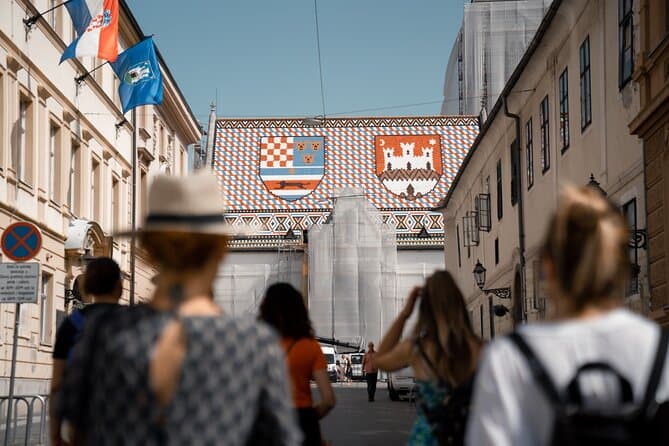
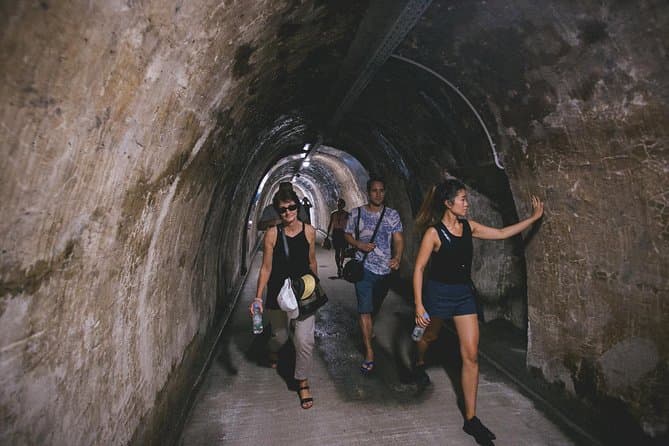
Zagreb Highlights: Old Town, WWII tunnels, Funicular & Tastings (opens in a new tab)
Zagreb Highlights keeps groups small, up to 16 people, so you get a genuinely personal experience with your licensed local guide. In 2 hours, you'll cover the city's must-see landmarks, descend into…
Rated 5 out of 5 · 1,227 reviews· 2 h
Free cancellation
from €20
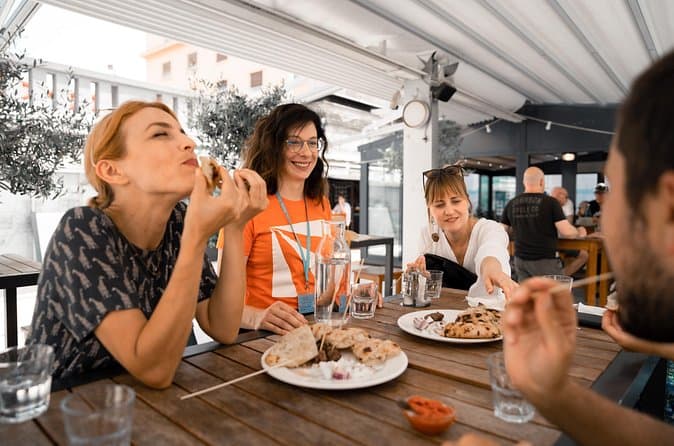
Zagreb Food Tour: Local Dishes & City Stories (opens in a new tab)
Join a small-group food tour of Zagreb, and spend 3 hours tasting authentic local dishes at some of the city's best food spots. From savoury street food to traditional pastries and local liquor…
Rated 5 out of 5 · 296 reviews· 3 h
Free cancellation
from €79
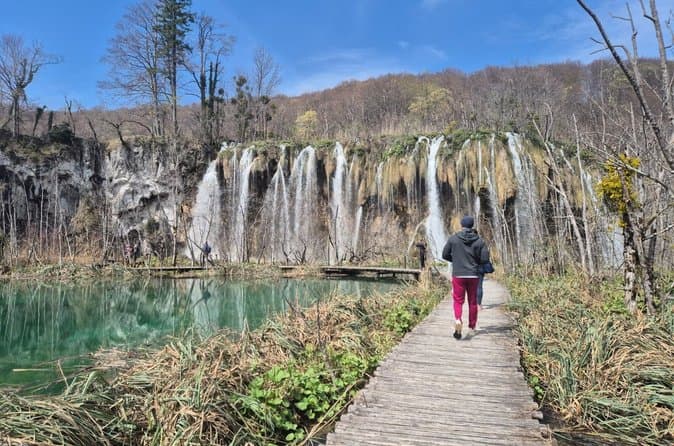
Plitvice Lakes Guided Day Tour from Zagreb (opens in a new tab)
Explore the beautiful Plitvice Lakes National Park on this day tour from Zagreb. Located at the top of Croatia’s Adriatic region, in the Dinaric Alps, this UNESCO-listed site is one of the must-see…
Rated 4.9 out of 5 · 526 reviews· 11 h
Free cancellation
from €65
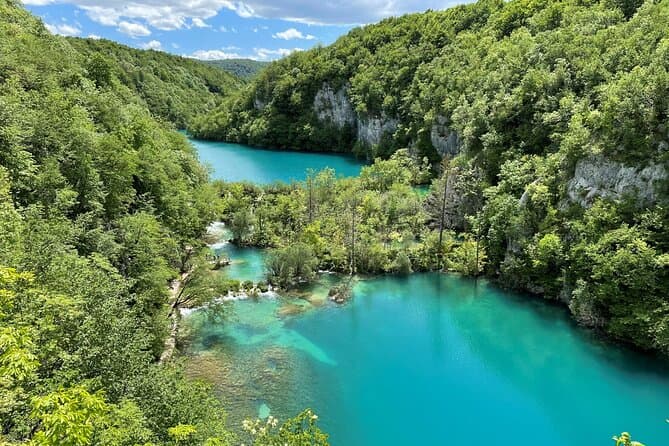
Plitvice Lakes with Ticket & Rastoke Guided Tour from Zagreb (opens in a new tab)
Escape the city and immerse yourself in Croatia’s most stunning natural wonder—Plitvice Lakes National Park, a UNESCO World Heritage site. This full-day guided tour from Zagreb includes entry…
Rated 4.9 out of 5 · 1,045 reviews· 10 h
Free cancellation
from €75
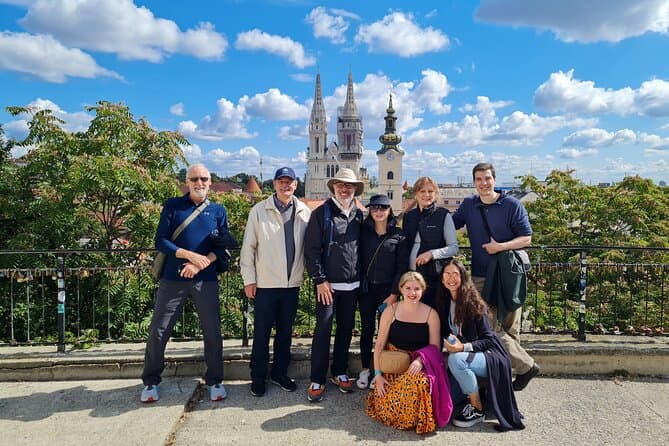
Walking tour of Zagreb (opens in a new tab)
Get your walking shoes on and take a stroll with us as we show you the highlights of our wonderful city. We have the local insights and handy tips to leave you wanting to explore some more. We will…
Rated 4.9 out of 5 · 513 reviews· 2–3 h
Free cancellation
from €20
Practical information
Getting there and around
Bednja lies on the road between Lepoglava and Trakošćan, so a car provides the simplest connection to the castle, Cvetlin and Ravna Gora trailheads. The Varaždin County tourism board places the Trakošćan–Bednja district about 40 kilometres from Varaždin and roughly 70 kilometres from Zagreb, close to the Zagreb–Maribor–Vienna motorway corridor. For a walking approach to Ravna Gora, the marked route starts at Trakošćan, passes through Vrbanići and takes about two hours to reach the ridge. Bednja has no railway station, so public-transport journeys require current bus connections through Ivanec or Lepoglava to be checked before departure. Trakošćan Castle’s address, Trakošćan 4, is a useful navigation point when continuing from central Bednja.
Frequently asked questions
When was Bednja first documented?
The River Bednja was first recorded in 1321, while the parish of Bednja appears in 1440.
How long is the hike from Trakošćan to Ravna Gora?
The marked Trakošćan–Vrbanići–Ravna Gora route takes about two hours to reach the ridge.
What can visitors see inside Trakošćan Castle?
The displays include weapons, Drašković family portraits, period furniture and furnished rooms spanning the Renaissance to Historicism.
Nearby
Bednja
Open in OpenStreetMap(opens in a new tab)Smaller places
straight-line distance
Related guides

Osijek
Tvrđa and the centre around the main square are distinct starting points for understanding Osijek. The former emphasises the fortified historic quarter and Baroque architecture; the latter…
Read the guide

Vukovar
A cultural visit to Vukovar has several separate centres of gravity. Eltz Palace and the City Museum address the city and its inhabitants across different periods. Vučedol reaches much…
Read the guide

Stubičke Toplice
Stubičke Toplice derives almost its entire identity from thermal water and the Zagorje landscape. There is no large urban historic core; green spaces, bathing facilities and traces of the…
Read the guide
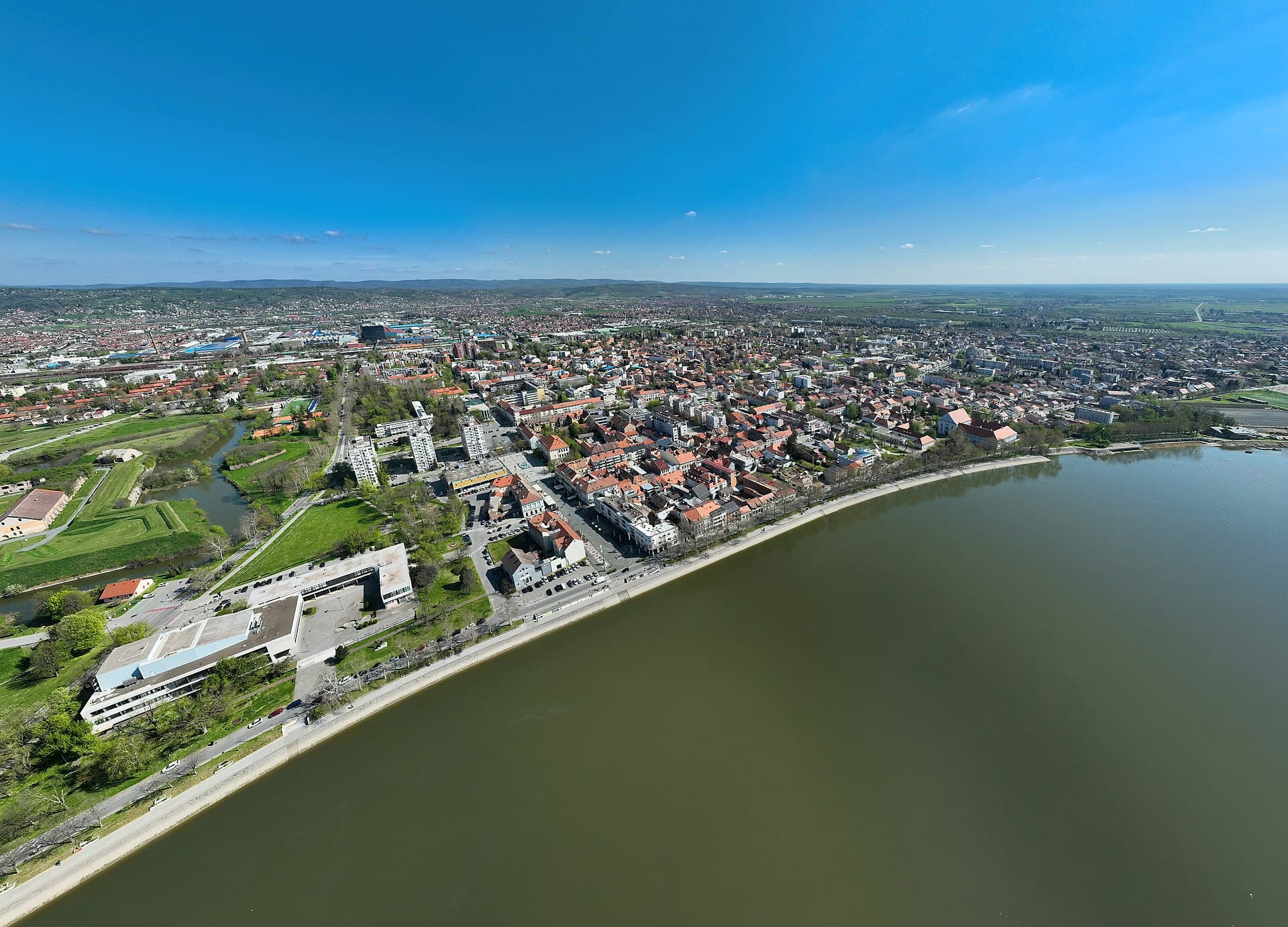
Slavonski Brod
Slavonski Brod developed around one of the major crossings of the Sava, and that border and transport role left a strong mark on the city. Brod Fortress represents the eighteenth-century…
Read the guide
Know Bednja? Correct us
Tell us in your own words what is not accurate. We check right away.Do not enter personal data. Corrections are checked by the StayBravo AI assistant; changes to the description are approved by an editor. Use the form instead
Do you know Bednja?
Help the guests who come after you.
Help us complete
Nothing is published without an editor’s review.Report illegal content
Photo credits: Bednja — Fraxinus (CC BY 3.0) · Lepoglava prison — Rosier-HR (CC BY-SA 3.0) · Vindija Cave — Tomislav Kranjcic (CC BY-SA 2.0) · Church St Mary of Jerusalem — Zeitblick (CC BY-SA 3.0) · Crkva sv. Marije Gorske (Majka Božja Gorska) — Marko Jukić -Majkl (CC BY-SA 4.0) · Book Me Apartman — Natalija Kirša (courtesy of the property owner) · Kuća za odmor Green Zen — IVICA ŠKRINJARIĆ (courtesy of the property owner) · Osijek — Rp031 (CC BY-SA 4.0) · Vukovar — Bybbisch94, Christian Gebhardt (CC BY-SA 4.0) · Stubičke Toplice — MOs810 (CC BY-SA 4.0) · Slavonski Brod — Petar Milošević (CC BY-SA 4.0)