About this place
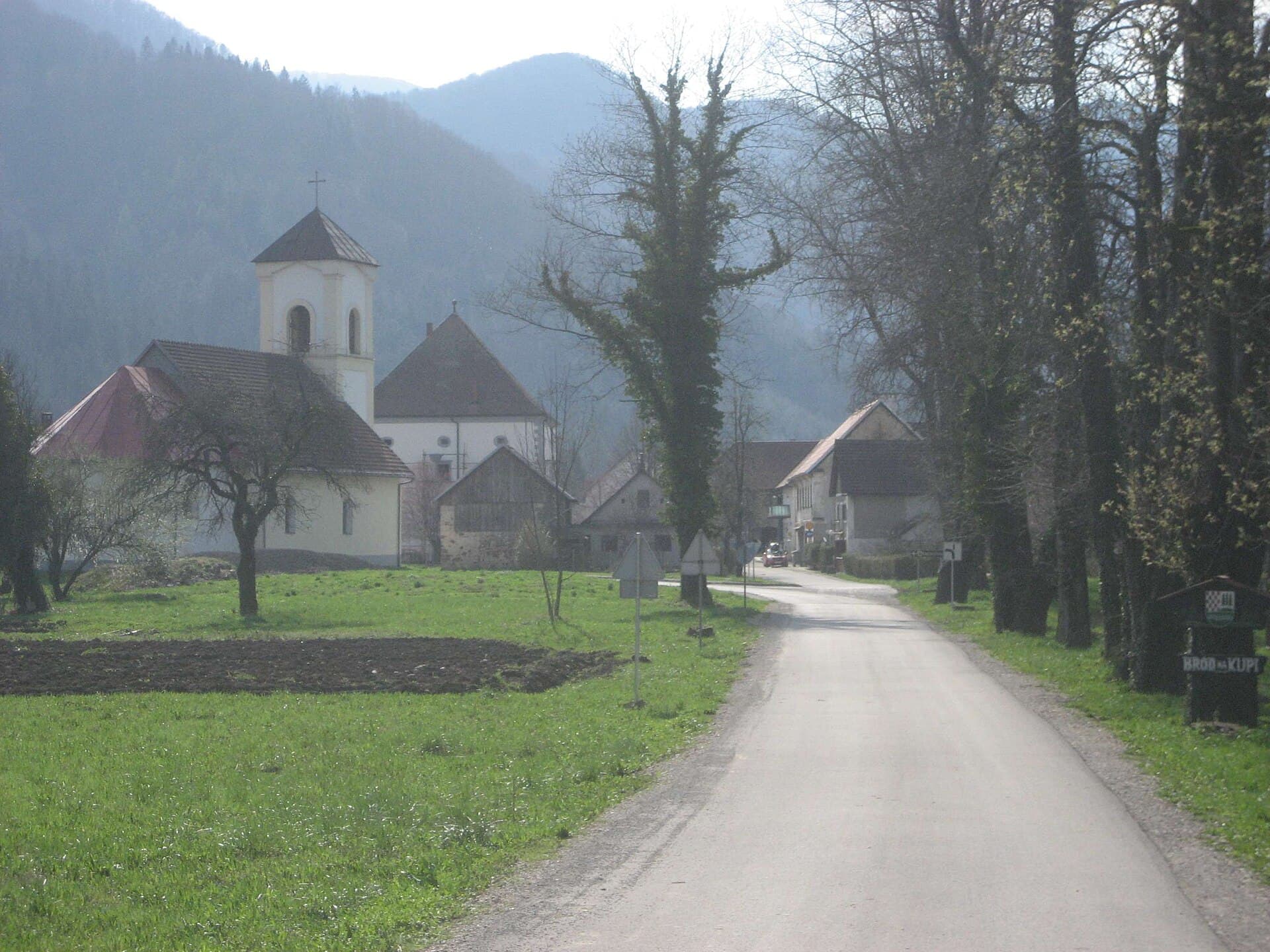
Brod na Kupi sits in the narrow Kupa Valley beside the Slovenian border and at the meeting point of the Kupa and Kupica rivers. The village centre is dominated by Zrinski Castle, built by Petar Zrinski in 1651 on the site of an older Frankopan stronghold. The restored multi-storey building now houses the natural-history exhibition “Wilderness with a View of the Sea” and an interpretation centre on the Routes of the Frankopans. Behind it stands the parish Church of St Mary Magdalene, erected in 1670 within the former fortified complex. Brod na Kupi is a river destination rather than a seaside resort: summer revolves around the cold Kupa, canoeing, rafting, swimming and sport fishing. An easy loop from the castle follows the Kupa to Vilinski Gaj and the mouth of the Kupica, crosses stone and suspension bridges, and returns to the village. The upper Kupa is also known as the Valley of Butterflies for its exceptional diversity of butterflies and moths. Its border position makes Brod na Kupi a compact historic centre, a base for river experiences and a gateway to forested Gorski Kotar.
Brod na Kupi is the largest settlement on the upper Kupa and a border and road junction towards Slovenia. It belongs to the Town of Delnice, yet its deep, warmer river valley feels distinct from the Delnice plateau. The Kupa and Kupica shape its scenery, recreation and fishing tradition, while Zrinski Castle gives the centre a strong historical focus. The upper Kupa is called the Valley of Butterflies because of its diversity of butterflies and moths, including two endemic subspecies associated with the valley’s geographical isolation. The combination of border crossing, two rivers and Zrinski–Frankopan heritage sets Brod na Kupi apart from higher mountain settlements elsewhere in Gorski Kotar.
Stays nearby
 Apartment
Apartmeni Klenovica.eu
Klenovica
40 km from Brod na Kupi
up to 4 guests · 1 bedroom
The host confirms the exact price for your dates and availability.
Things to see
Zrinski Castle dates from 1651, when Prince Petar Zrinski built it on the probable site of a 15th-century Frankopan fort. The present square-plan, multi-storey structure has a late-Renaissance portal, hipped roof and surviving evidence of defensive features. It houses the permanent natural-history exhibition “Wilderness with a View of the Sea” and a Routes of the Frankopans interpretation centre. The Church of St Mary Magdalene was added to the fortified complex in 1670; local tradition describes underground escape passages towards the church, the Kupa bank and Vučja Jama cave. The Kupa and Kupica rivers provide a natural counterpart to the imposing castle.

Župna crkva sv. Marije Magdalene u Brodu na Kupi
Landmark · Brod na Kupi
The Baroque Parish Church of St Mary Magdalene, built in 1670, is historically linked to the nearby Zrinski Castle in Brod na Kupi.
Beaches
Brod na Kupi’s bathing places are river sites, with cold water and conditions governed by the Kupa’s level. The Delnice tourist board specifically highlights Pritiske beach near Gusti Laz, where small rapids create a natural hydromassage effect. The river around Brod na Kupi is also used for canoeing and rafting, so swimmers should stay aware of organised launch and landing points. This is not a landscaped Adriatic beach: stones, current and changing depth make water shoes and a cautious entry sensible, especially after rain in the upper catchment.
Things to do
Start at Zrinski Castle, where “Wilderness with a View of the Sea” explores Gorski Kotar’s karst underground, forests, mountain weather and wildlife. Continue on the ground floor with the interpretation of how the Frankopan and Zrinski families related to nature, then visit the Church of St Mary Magdalene behind the castle. Afterwards, follow the easy route beside the Kupa towards Vilinski Gaj and the mouth of the Kupica, crossing the stone bridge, Zamost street and a suspension bridge. Reserve the warmer part of the day for swimming, canoeing or rafting on the Kupa, depending on river conditions and organised services.
Food and drink
The official Delnice tourism site identifies Hotel Mance, opposite the museum in Zrinski Castle, as the village’s dining stop. Its location makes lunch easy to combine with the “Wilderness with a View of the Sea” exhibition and the walk towards the mouth of the Kupica. The wider food context comes from the Kupa Valley itself: its rivers are associated with brown trout, grayling and chub, while the valley’s warmer microclimate supports old orchards, particularly heritage apple varieties. Availability of local river fish should be checked against the restaurant’s current menu.
Practical information
Practical information
Visitor information for the Brod area is provided by the Delnice Tourist Board at Lujzinska 47 in Delnice. Zrinski Castle lists the telephone numbers +385 51 629 302 and +385 51 553 669 and the email address [email protected]. Plan the museum before river activities because the exhibition follows its own opening hours and closes on specified public holidays. Canoeing, rafting and fishing on the Kupa require advance arrangements, and sport fishing requires a permit. Carry appropriate travel documents if continuing across the nearby border into Slovenia.
Frequently asked questions
What is inside Zrinski Castle?
The castle houses the natural-history exhibition “Wilderness with a View of the Sea” and a Routes of the Frankopans interpretation centre.
When was St Mary Magdalene’s Church built?
The church behind Zrinski Castle was built in 1670 within the fortified complex.
Where can you swim near Brod na Kupi?
The Delnice tourist board highlights the Pritiske river beach near Gusti Laz.
Is there an easy walk from the village centre?
An easy route runs from Zrinski Castle beside the Kupa to Vilinski Gaj and the Kupica confluence, returning across a suspension bridge.

Related guides
Rab
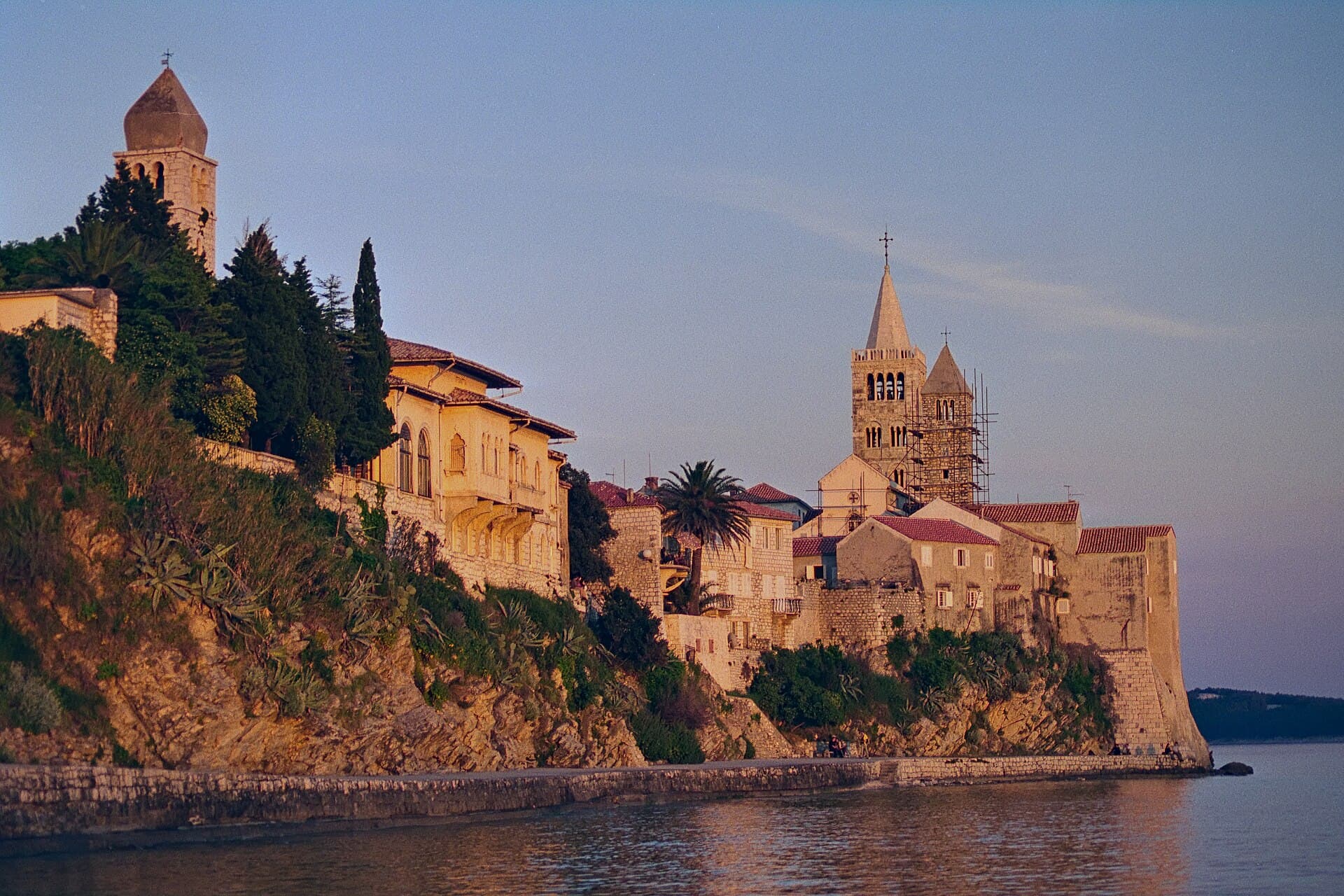
Rab's old town has a clear silhouette, but it rewards more than a postcard view. Its four towers mark distinct religious sites: the Assumption of Mary, St John the Evangelist, St Andrew and…
Read the guide
Help improve this page
Spot something missing or wrong? Suggest a correction, add your photo or report a problem. Editors review every suggestion before it is published.
Photo credits
- Brod na Kupi — Modzzak · CC BY-SA 3.0 · Wikimedia Commons
- Skrad — Martin Brož · CC BY 3.0 · Wikimedia Commons
- Kupjak — Martinarg · CC BY-SA 3.0 · Wikimedia Commons
- Župna crkva sv. Marije Magdalene u Brodu na Kupi — Lan Glad · CC BY-SA 4.0 · Wikimedia Commons
- Apartmeni Klenovica.eu — Apartmani Klenovica.eu · courtesy of the property owner