Korlat
About this place
Korlat is a village within the City of Benkovac, where the Ravni kotari lowlands meet the harsher terrain of Bukovica. Its modern identity is closely associated with the Korlat vineyard, established from 2005 on rocky scrubland beside the settlement. Covering about 110 hectares and rising to roughly 300 metres above sea level, it was planted with Merlot, Syrah, Cabernet Sauvignon, Cabernet Franc and Mourvèdre. The village also belongs to an older frontier landscape. After 1409, the boundary between Venetian territory and Croatian lands crossed the Benkovac area, placing Korlat among a chain of fortified positions. South of the village stand the remains of the 13th-century Romanesque Church of St Jerome, now a protected cultural site. Korlat is neither a seaside resort nor a conventional visitor centre; a worthwhile itinerary combines its vineyards and medieval remains with Benkovac, Kaštel Benković, Šopot, Kličevica, Nadin and Smilčić.
Korlat lies in the Benkovac hinterland, between the fields of Ravni kotari and the rockier edge of Bukovica. The village name is now best known through a large vineyard created by breaking up the surrounding limestone scrub. Work began in 2005, and roughly 530,000 vines—predominantly French red varieties—were planted across about 110 hectares. The highest plots reach approximately 300 metres and face towards the sea. Behind this modern wine landscape is a frontier history: in the 15th century Korlat remained on the Croatian side of the boundary with Venetian lands around Nadin and Biljane Gornje, prompting construction of a first-line border fortress.
Things to see

Crkva rođenja Blažene Djevice Marije u Novigradu
Landmark · Novigrad
The Parish Church of the Nativity of the Blessed Virgin Mary in Novigrad is a Neo-style stone church on a Latin-cross plan, noted for its transferred altar and votive statue of Our Lady of Sorrows.
11 km from Korlat

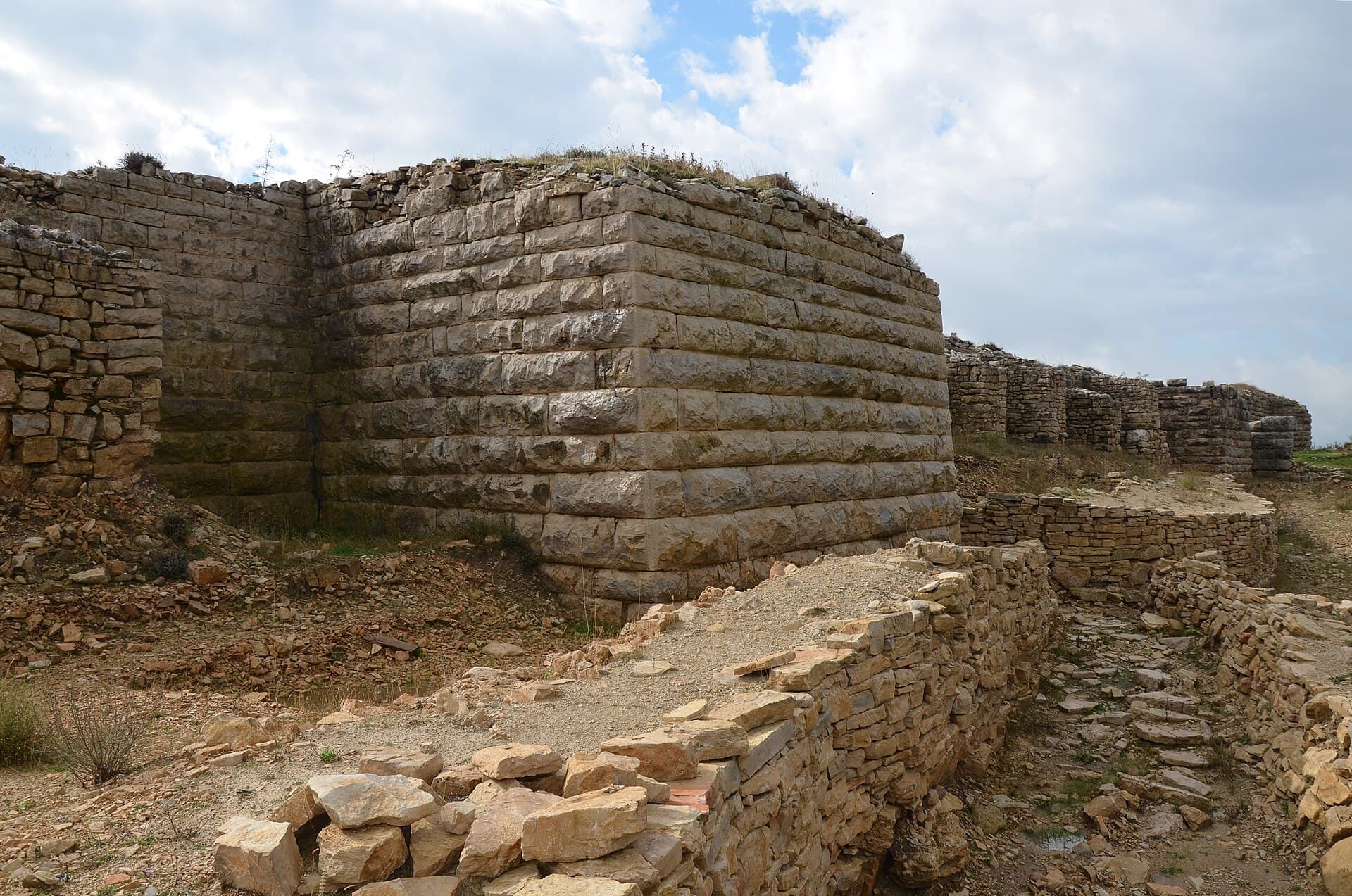
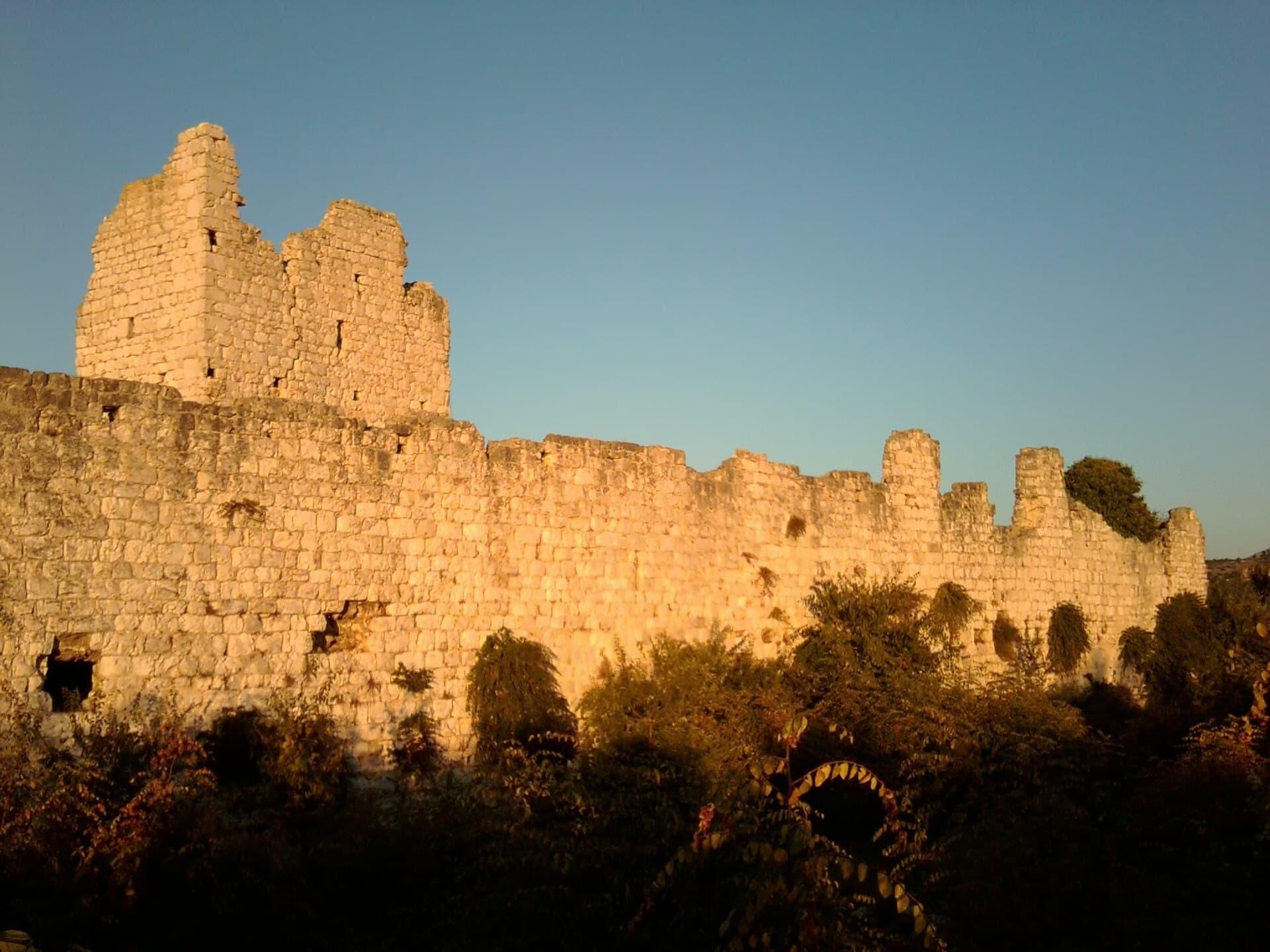
Stays nearby
- Villa
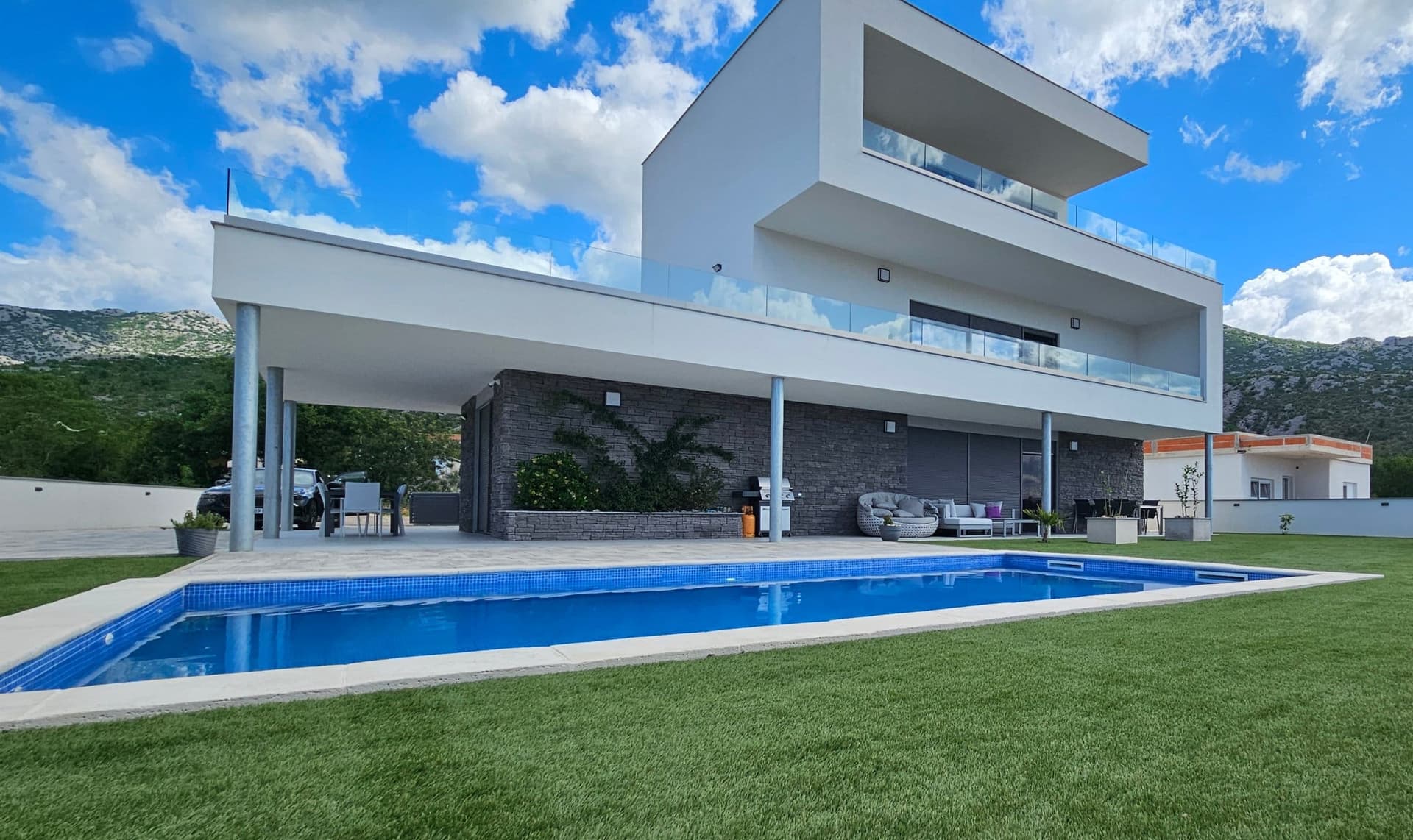 22 km from Korlat
- Apartment
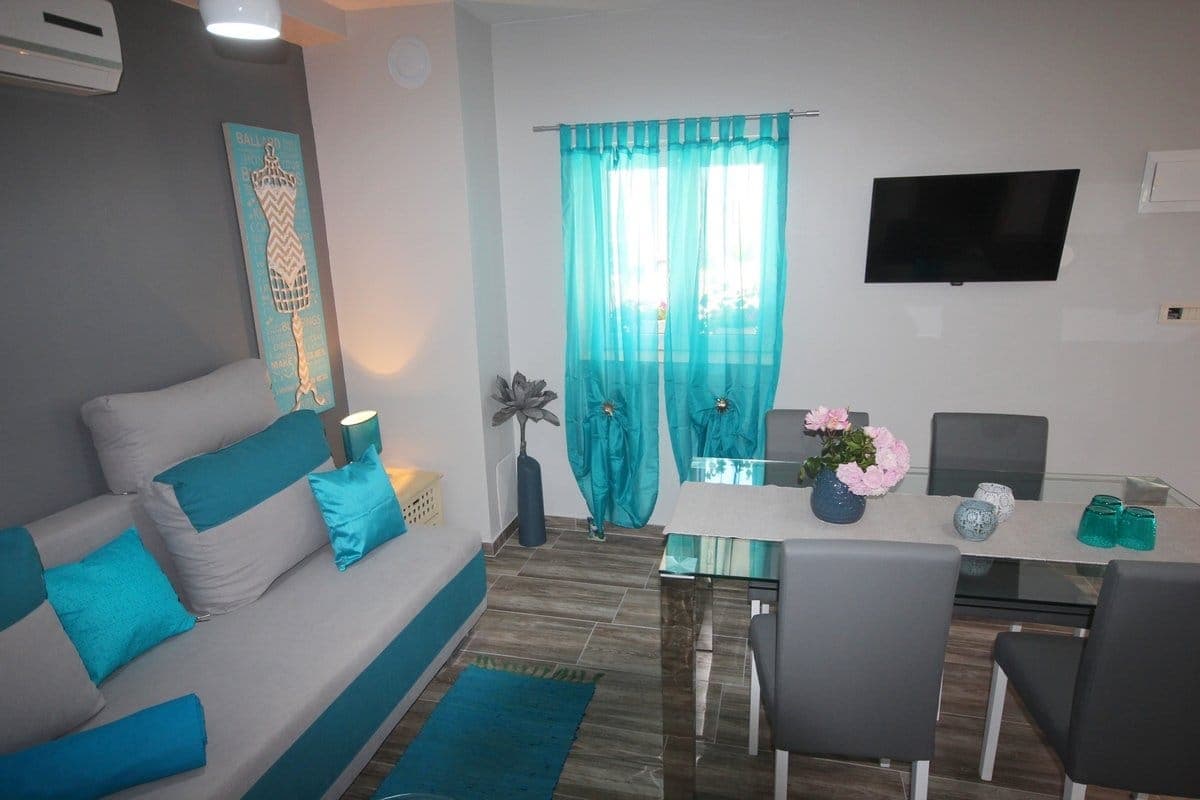 28 km from Korlat
Be the first to list here
Guests looking for this place only see stays nearby for now. No commission, and enquiries come straight to you.
List your accommodation
Things to do
Korlat is best explored as an inland route through a wine-growing and medieval landscape. Begin with the setting of the Korlat vineyard, whose rows climb over broken limestone towards an elevation of roughly 300 metres. South of the village, continue to the remains of St Jerome’s Church, a single-nave Romanesque building with a semicircular apse dating from the 13th century. The logical next stop is Benkovac and Kaštel Benković, followed by Šopot, Kličevica fortress, Nadin or Smilčić. This sequence closely follows the documented Cultural Route 1, which links Benkovac’s heritage sites with Nadin, Smilčić and the Korlat vineyards.
Tours and activities
AdAd · partner offers: Viator, GetYourGuideThe partner handles booking, payment and support. StayBravo may earn a commission on bookings made through these links.How we choose offersWe choose offers based on the page you are viewing: the partner destination for this place or the nearest one (with its distance), and on a sight page only offers that mention it. We show offers rated at least 4.3 with at least 10 reviews, without multi-day tours or pure transfers, ordered by rating adjusted for the number of reviews and then by the partner’s order. We do not use data about you, and the commission does not affect the order.GetYourGuide offers are selected and ordered by GetYourGuide based on the name of the nearest larger town or national park; we do not influence their selection and do not use data about you.Viator
Nearest destination: Zadar (26 km)
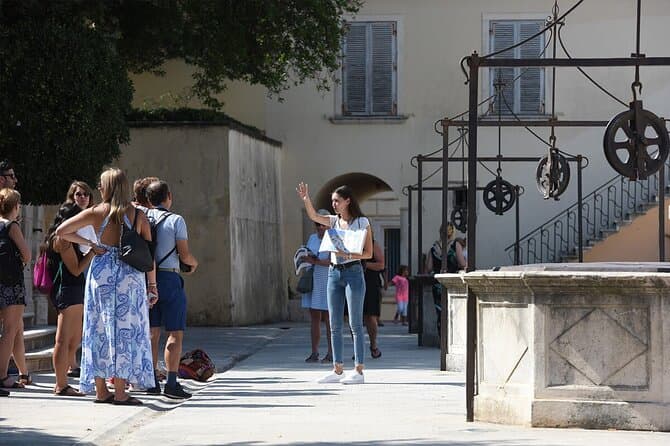
Zadar Highlights: Old Town, Sea Organ & Local Tastings (opens in a new tab)
A 2-hour small-group walk through Zadar's Old Town covering the city's top landmarks, the world-unique Sea Organ, and a tasting of local maraschino liqueur and cheese with a licensed local guide.
Rated 5 out of 5 · 478 reviews· 2 h
Free cancellation
from €20
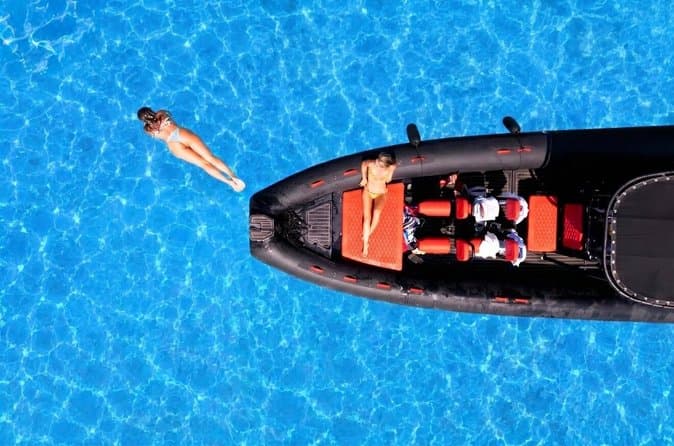
Zadar: Luxury Island Boat Tour, Snorkeling & Unlimited Wine (opens in a new tab)
Embark on an unforgettable adventure and explore the wonderful islands that adorn our Adriatic Sea. You have two types of tour, 4 hour with 3 stops and 3 hour with 2 stops. Explore the crystal clear…
Rated 5 out of 5 · 1,393 reviews· 4 h
Free cancellation
from €47
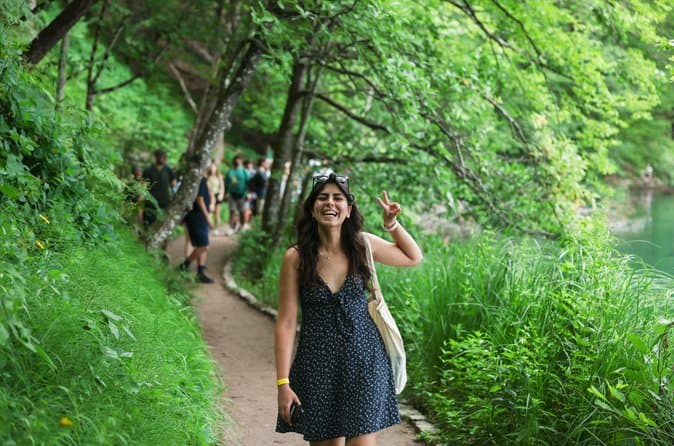
From Zadar Plitvice Lakes Guided Day Tour with Tickets (opens in a new tab)
Discover the UNESCO-listed Plitvice Lakes with a passionate local guide and enjoy one of the easiest ways to visit Croatia’s most iconic national park from Zadar. Travel through the scenic Croatian…
Rated 4.9 out of 5 · 1,689 reviews· 10 h
Free cancellation
from €45
Zadar: Romantic Luxury Sunset Boat Tour with Aperol Spritz (opens in a new tab)
We will start our tour from the oldest harbor in Zadar, Foša. After that we will cruise by the Zadar seafront and famous Sea Organs where thousands of people come every night to see world famous…
Rated 5 out of 5 · 330 reviews· 1.3 h
Free cancellation
from €25
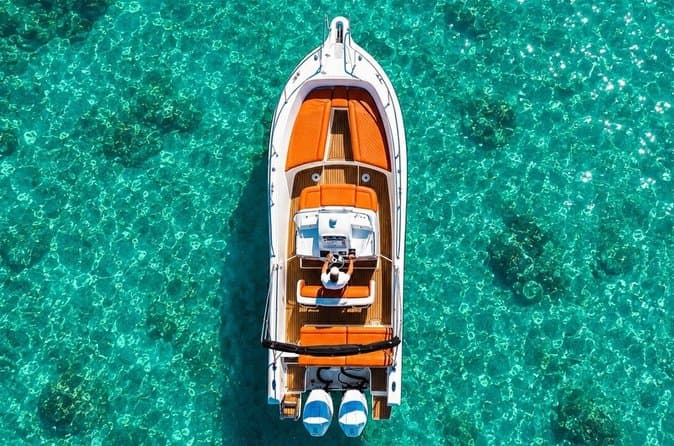
Zadar: Half Day Island Hopping Tour & Old Town Panoramic Cruise (opens in a new tab)
Step off the beaten path and discover the authentic soul of Dalmatia. On the islands, time moves slower and local traditions are still alive. Swim, snorkel, sunbathe, stroll through charming…
Rated 4.9 out of 5 · 418 reviews· 4 h
Free cancellation
from €19
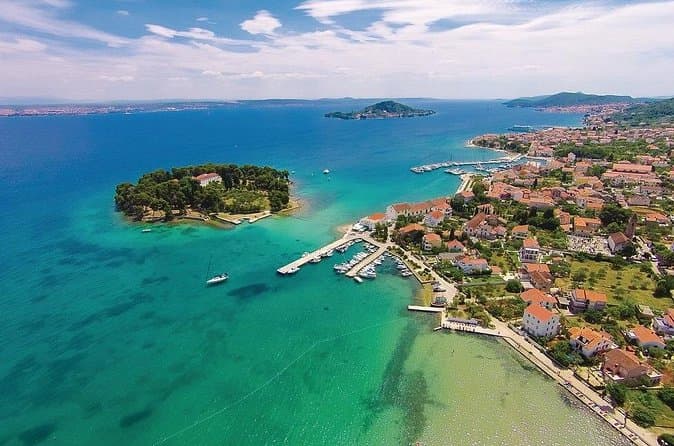
Private Sailing Tours in Zadar Archipelago (opens in a new tab)
We are a family business with a vision of presenting the beautiful nature and history of Zadar and Island Ugljan, Croatia. Sail away with us and absorb the sea breezes and panoramic views over Zadar…
Rated 5 out of 5 · 135 reviews· 4 h
Free cancellation
from €450
GetYourGuide · Biograd na Moru
We show GetYourGuide offers once you allow their cookies.
Practical information
Getting there and around
Korlat is reached through the Benkovac hinterland via county road Ž6023 and local road L63120. The latter runs towards Gornje Biljane, while Zadar County’s 2024 road-maintenance plan lists the Biljane–Korlat section as 9.5 kilometres long. With neither a railway station nor a confirmed scheduled bus service in the village, driving is the dependable option. Travellers approaching from Zadar will find Benkovac the practical local transport hub; anyone planning to continue to the Korlat vineyard should arrange both transport and the visit itself in advance.
Frequently asked questions
What is the Korlat vineyard known for?
Established from 2005 on rocky scrubland, the vineyard covers about 110 hectares and contains roughly 530,000 red-wine vines.
What lies south of Korlat village?
South of Korlat stand the protected remains of the 13th-century Romanesque Church of St Jerome.
Why was Korlat important in the 15th century?
Korlat stood on the Croatian side of the frontier with Venetian territory, and its fortress formed part of the first line of border positions.
Nearby
Korlat
Open in OpenStreetMap(opens in a new tab)straight-line distance
Related guides
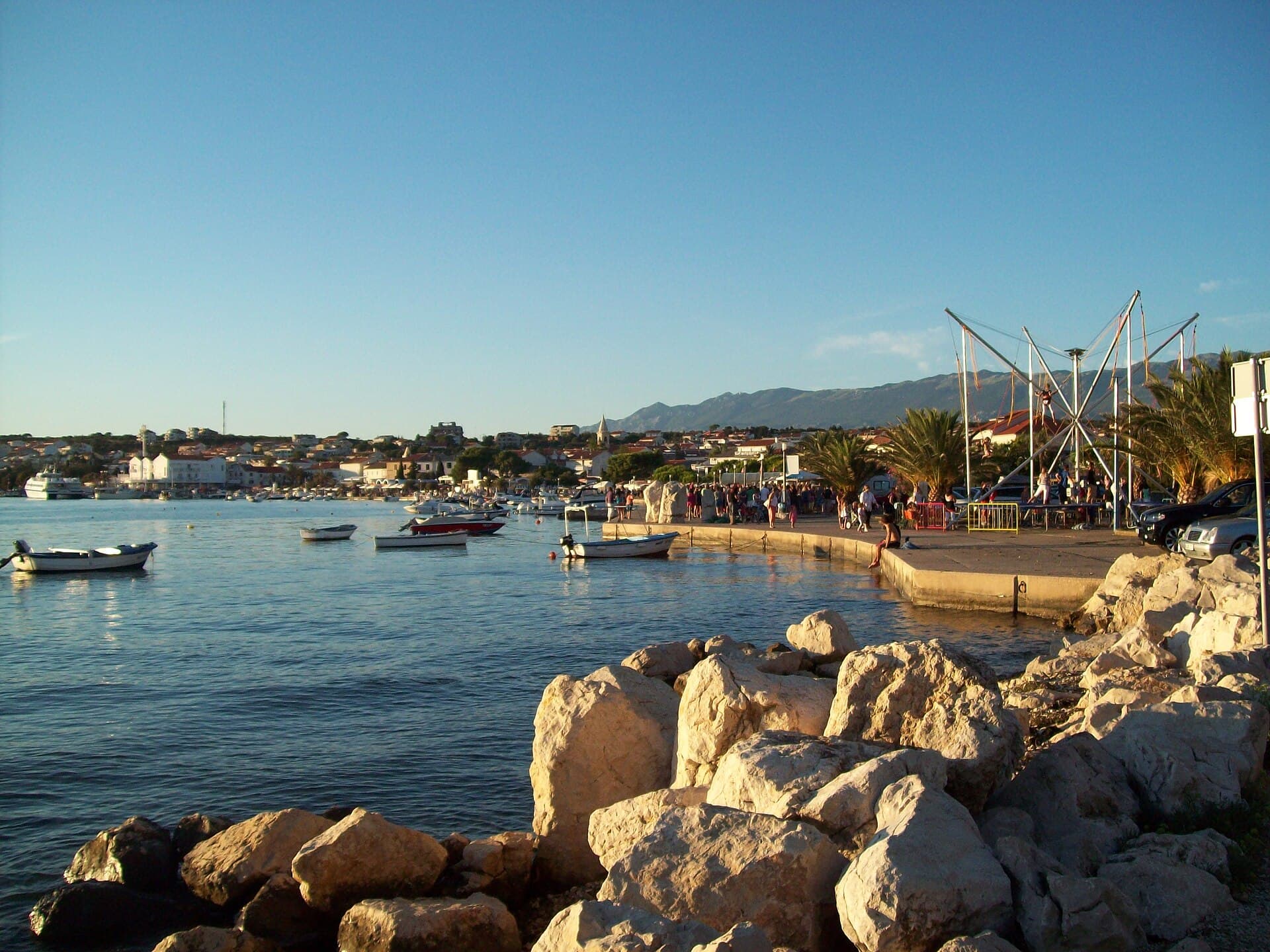
Novalja
Novalja curves around a bay on Pag’s western shore, with the waterfront, Trg Bazilike and streets around Mala crikva forming the centre. Landing places and restaurants line the water, while…
Read the guide
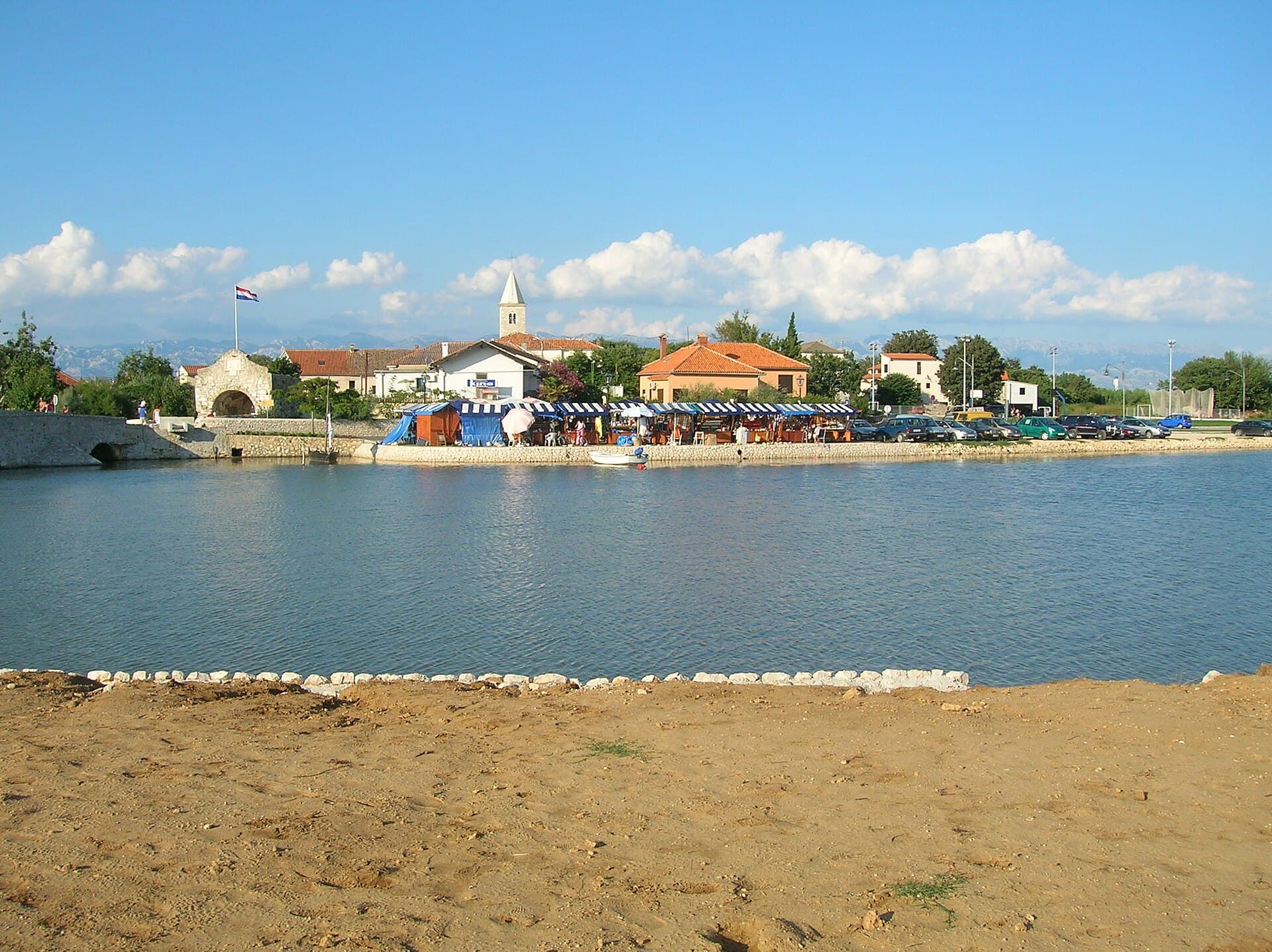
Nin
Nin’s historic centre occupies a low islet within a lagoon, connected to the mainland by bridges. Crossing into the centre creates a different first impression from arriving in nearby…
Read the guide
Pakoštane
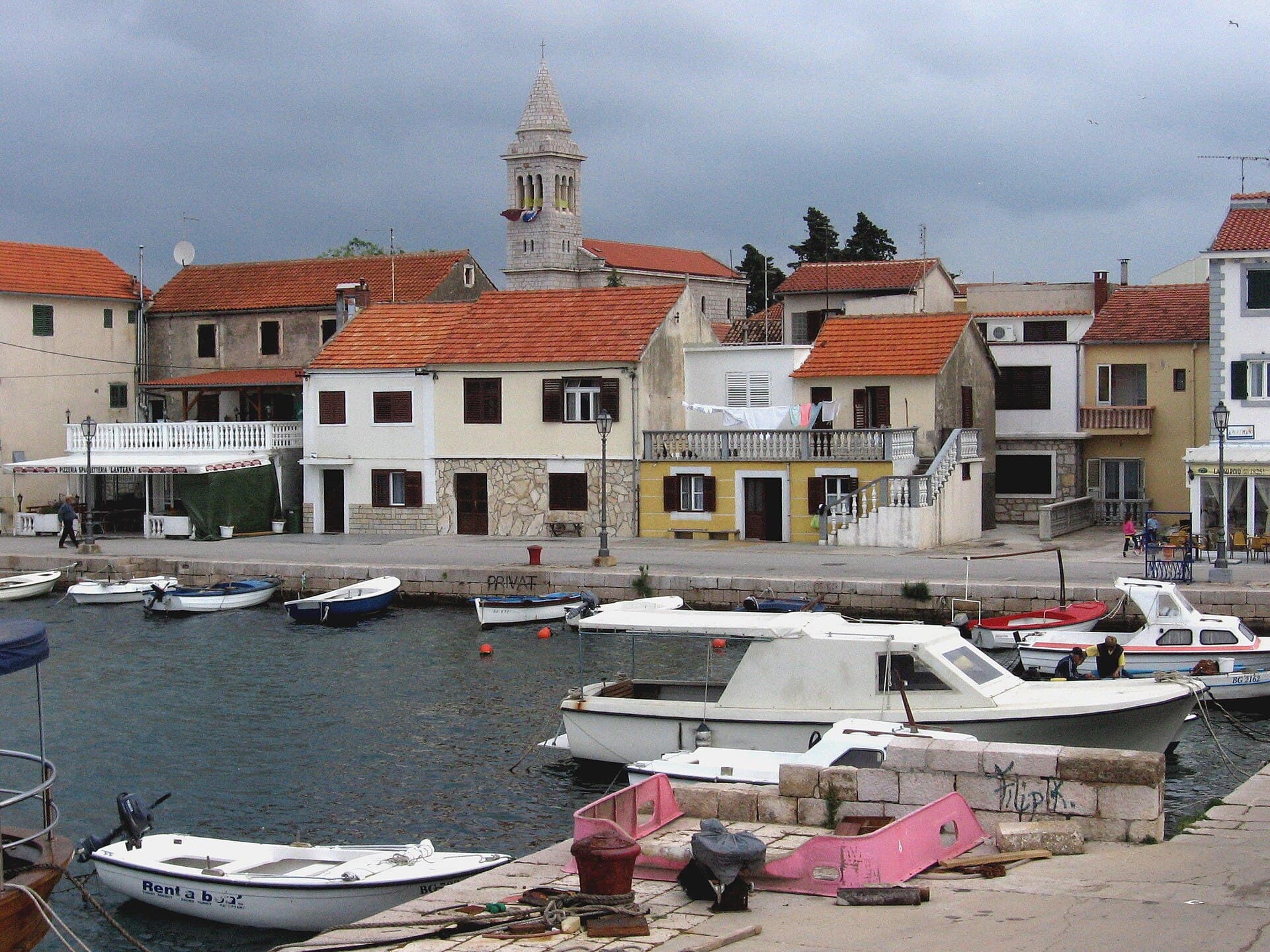
Pakoštane occupies a narrow strip between the Adriatic and Lake Vrana, allowing visitors to move from a Dalmatian waterfront to the reeds of an ornithological reserve within minutes. The…
Read the guide
Pag
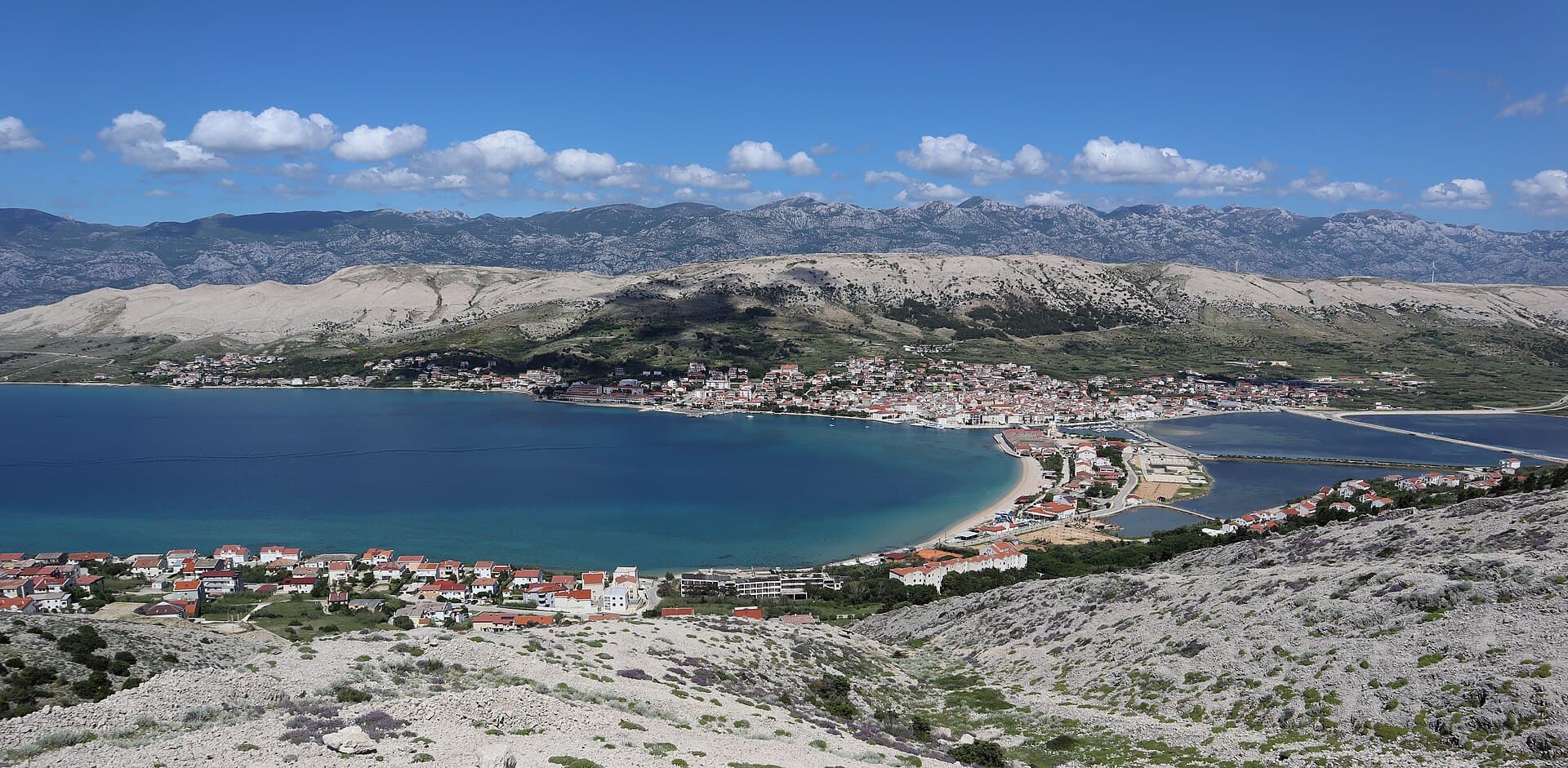
Pag is a planned stone town whose orderly street grid converges on Petar Krešimir IV Square, the Collegiate Church of the Assumption and the Rector’s Palace. The settlement moved to its…
Read the guide
Know Korlat? Correct us
Tell us in your own words what is not accurate. We check right away.Do not enter personal data. Corrections are checked by the StayBravo AI assistant; changes to the description are approved by an editor. Use the form instead
Do you know Korlat?
Help the guests who come after you.
Help us complete
Nothing is published without an editor’s review.Report illegal content
Photo credits: Smilčić — SpeedyGonsales (CC BY-SA 3.0) · Donji Karin — Zmaj123 (CC BY-SA 4.0) · Šopot — Roberta F. (CC BY-SA 3.0) · Gornja Jagodnja — Mocira (CC BY-SA 4.0) · Crkva rođenja Blažene Djevice Marije u Novigradu — Silverije (CC BY-SA 4.0) · Novigrad Castle — Tiberio at Hungarian Wikipedia (CC BY-SA 3.0) · Asseria — Carole Raddato from FRANKFURT, Germany (CC BY-SA 2.0) · Priory of Vrana — Bojovnik (CC BY-SA 4.0) · Villa Slatki — Saša Slatki (courtesy of the property owner) · Apartmani Rustica — Zdenko Dusevic (courtesy of the property owner) · Novalja — JoeTimBlackMax (CC BY-SA 3.0) · Nin — Amphisbène (CC BY 2.5) · Pakoštane — Roman Klementschitz, Wien (CC BY-SA 3.0) · Pag — Palauenc05 (CC BY-SA 4.0)