Klek
About this place
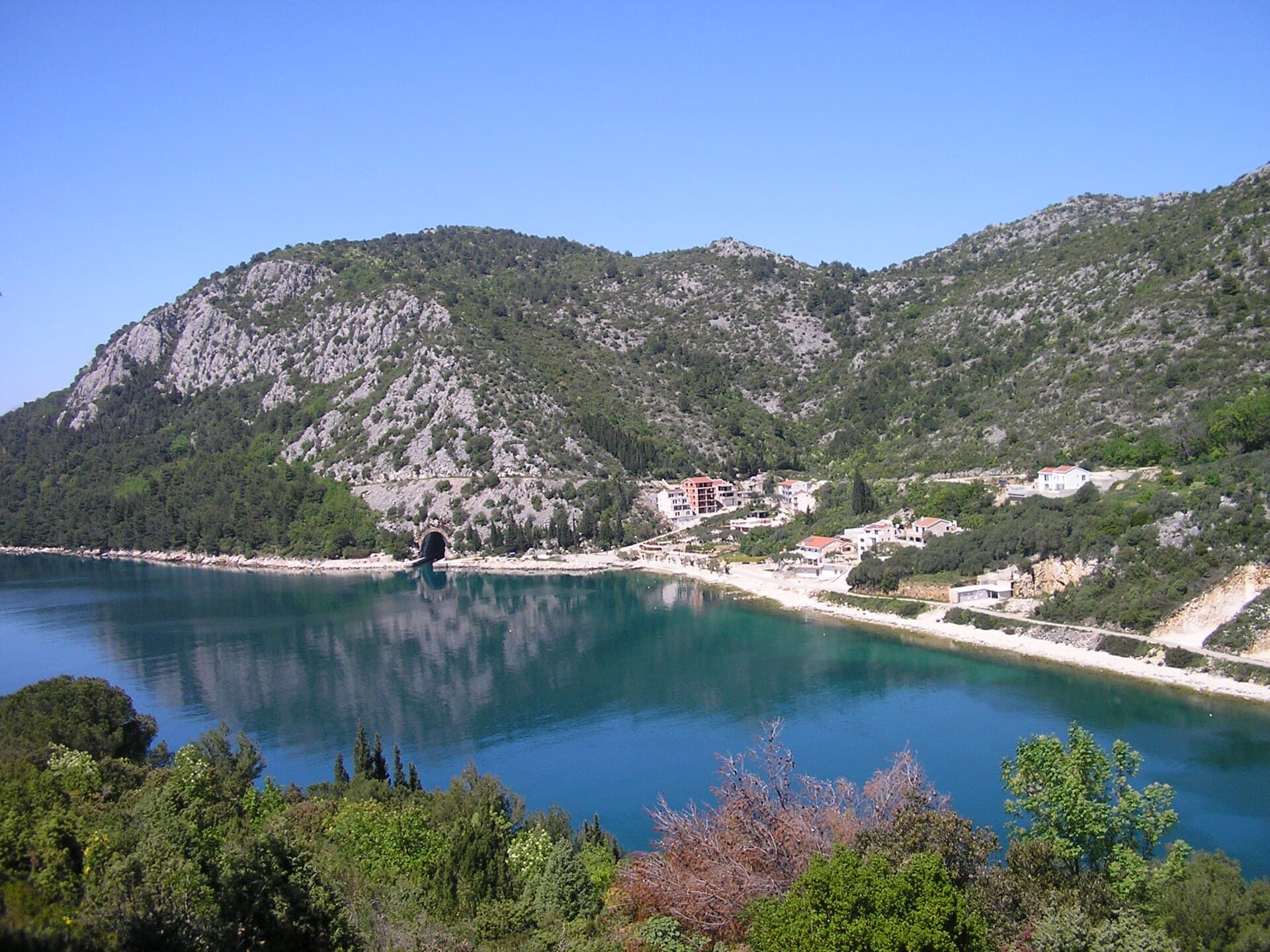
Klek is a coastal settlement in Slivno Municipality, set on the north-western side of Klek–Neum Bay close to the border with Bosnia and Herzegovina. The Croatian Encyclopaedia places it 25 kilometres from Metković and six kilometres from Neum. Today’s holiday village developed beside a pebble shoreline, but the slopes immediately behind it preserve an unusually dense defensive landscape. Smrdan Grad, built in 1688 to defend Venetian territory against Ottoman forces, rises above the coast, while the square Nonković Tower stands lower down. Municipal planning documents list Smrdan Grad with the Church of Our Lady, Nonković Tower and the Greblje cemetery with stećak tombstones as protected cultural properties. The local tourist board identifies pebble-covered Rajska Beach as Klek’s main swimming spot. Klek therefore suits travellers who want to combine an early swim with a short heritage walk, while the Neretva Valley, Ston and Pelješac are accessible by road. The tourist office is at Plaža 1, conveniently positioned in the seaside part of the settlement.
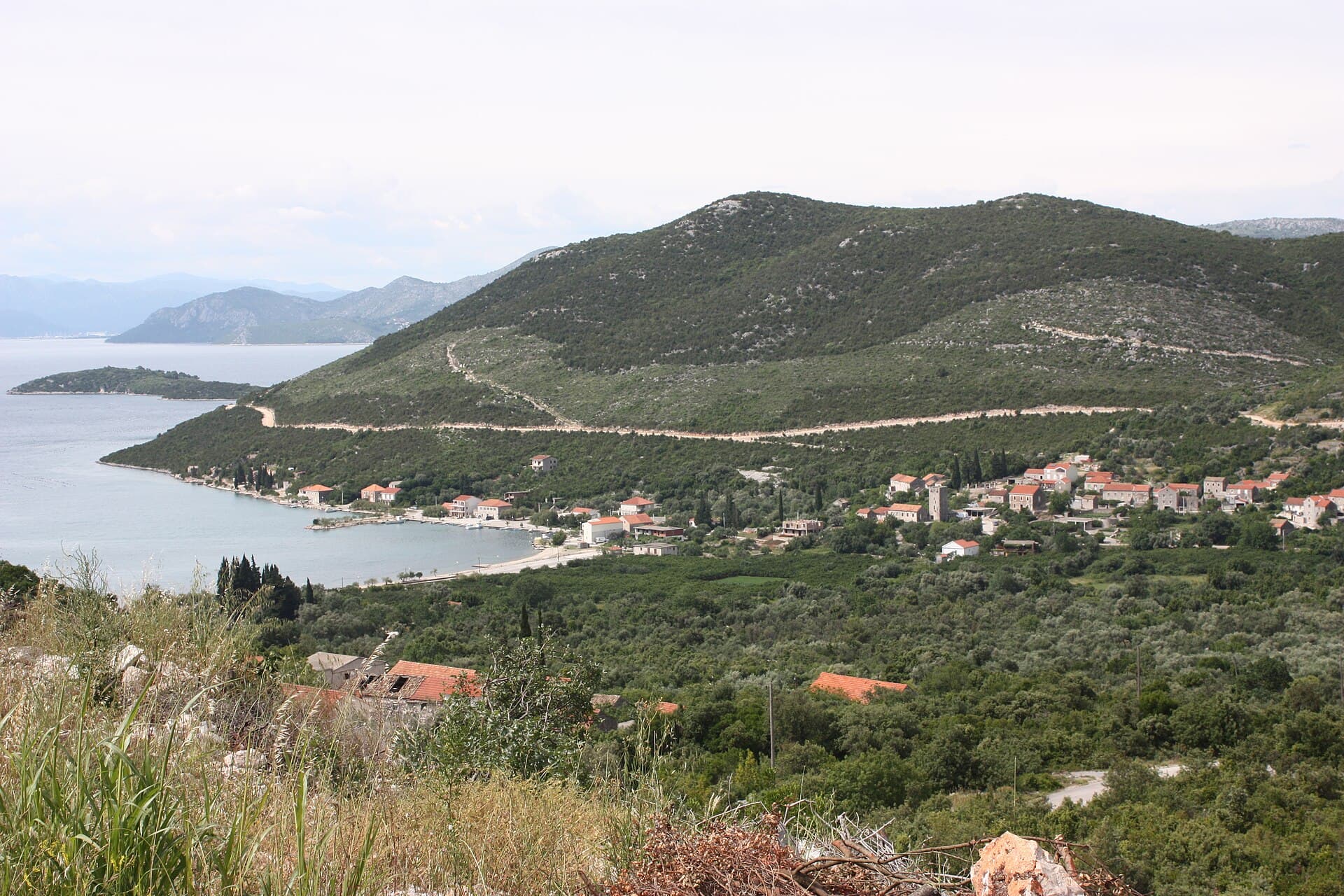
Klek occupies a narrow meeting point between the sea, the steep Slivno hinterland and the international border near Neum. It now serves as the tourism hub of Slivno Municipality, yet its position reflects centuries of control over coastal routes between the Neretva area and Dubrovnik territory. The Croatian Encyclopaedia records 177 residents in 2021 and notes the traditional cultivation of olives alongside the more recent tourism economy. Pebble swimming areas define the waterfront, while Smrdan Grad, Nonković Tower and nearby stećak tombstones give Klek a historical dimension that is not immediately apparent from the holiday zone.
Stays nearby
 Apartment
Apartmeni Klenovica.eu
Klenovica
Klenovica, 323 km from Klek
up to 4 guests · 1 bedroom
The host confirms the exact price for your dates and availability.
Things to see
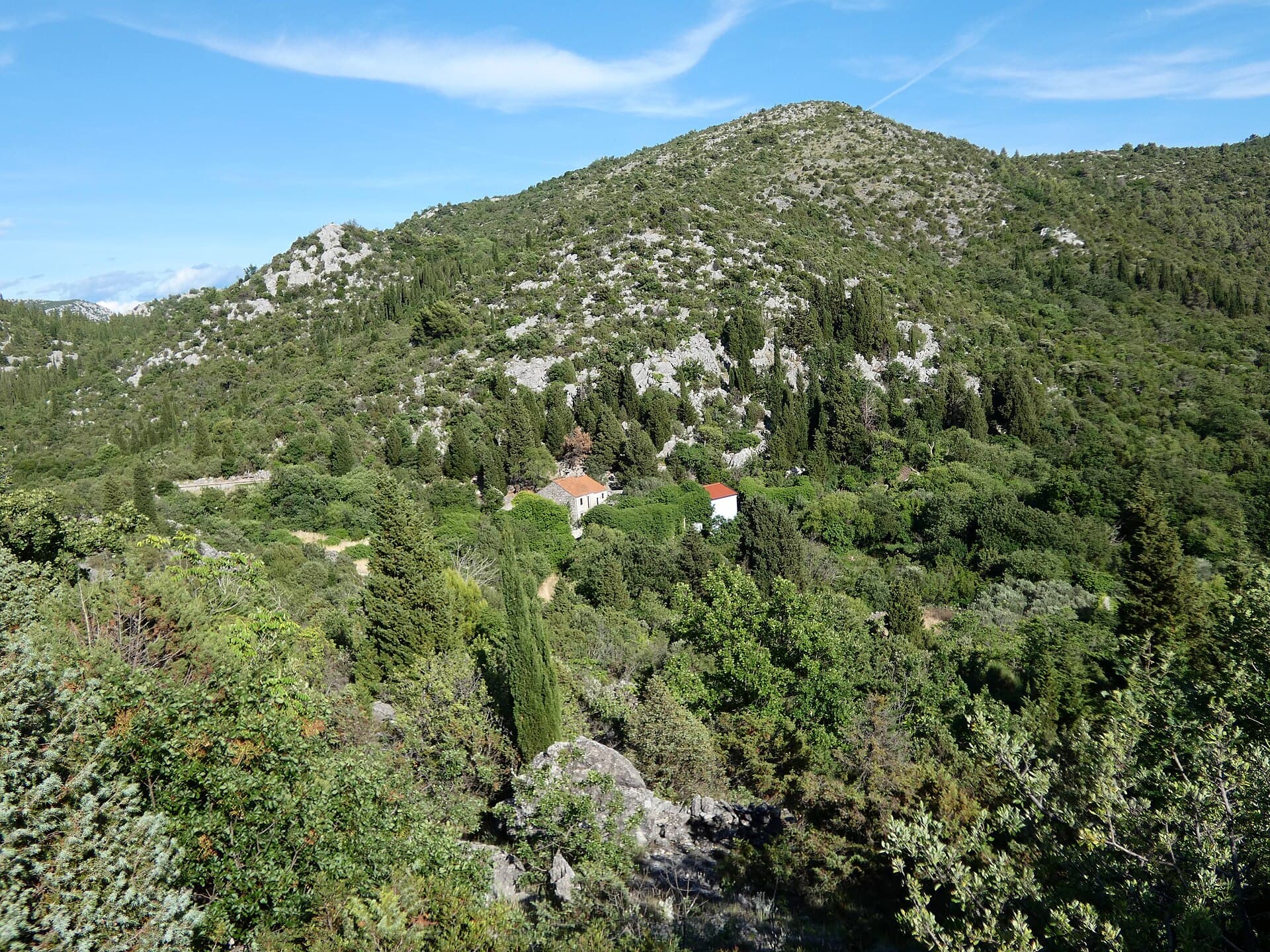
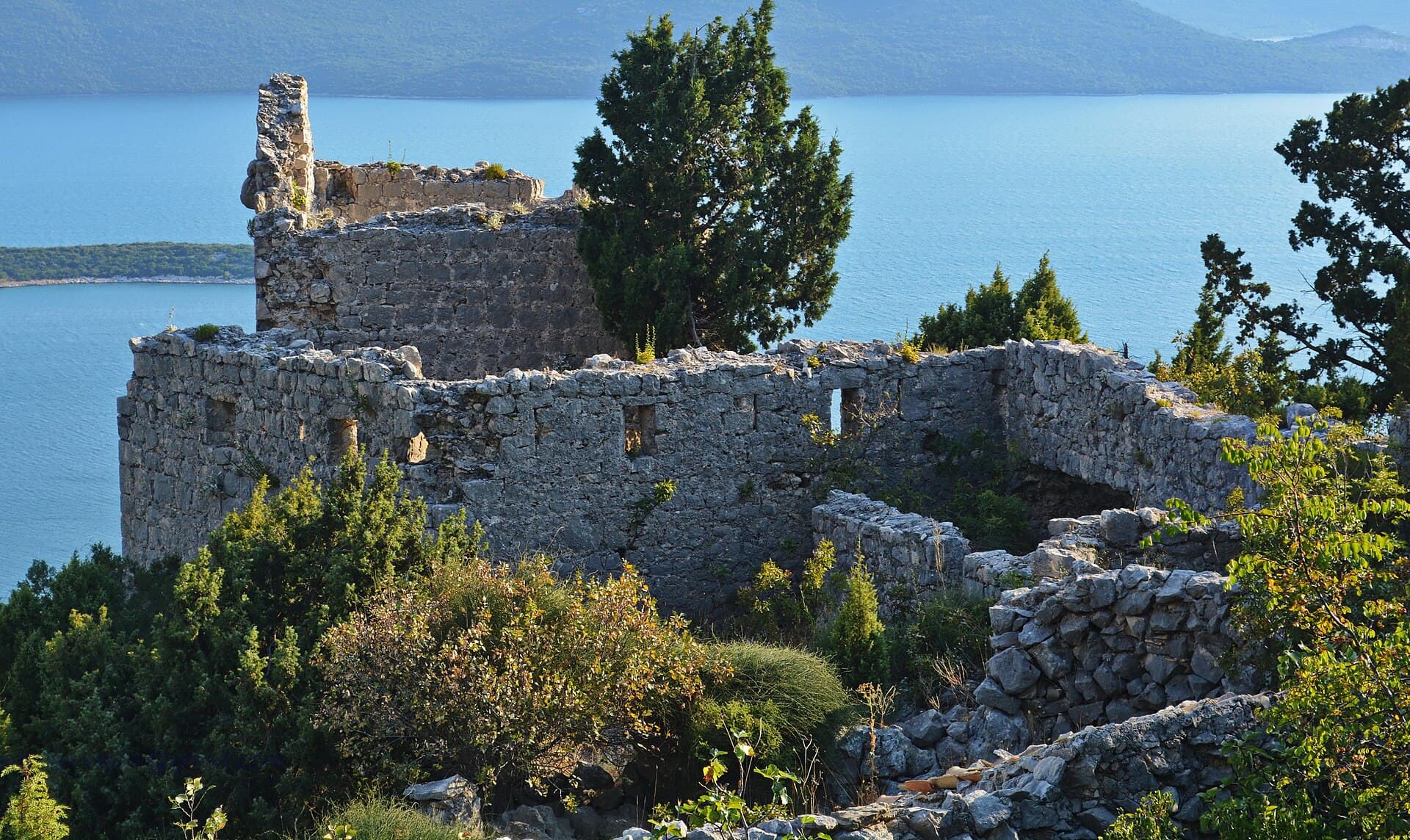
Smrdan Grad is Klek’s defining landmark: built in 1688, the defensive complex includes square and round towers and a Baroque chapel, and was used by the Nonković commanders to defend Venetian territory. Lower on the slope, Nonković Tower is a separate square fortification. Municipal planning records classify both sites as protected cultural properties, together with the Greblje cemetery and its stećak tombstones near Prović. These medieval grave markers are not decorative trail features, so visitors should neither climb on nor move the stones. Together, the sites form an unusually legible defensive and memorial landscape above the modern resort.
Beaches
The Slivno tourist board identifies Rajska Beach as Klek’s principal pebble swimming area. Its position beside the visitor quarter makes it easy to alternate between the water, the promenade and nearby accommodation without using a car. Further pebble stretches continue along Klek, while the enclosed bay feels different from the more exposed shores towards the Neretva estuary. Water shoes and personal sun protection are useful around midday, and families can remain near the central section with everyday services. The tourist office at Plaža 1 is located directly in the waterfront zone.
Bathing water quality nearby
- Klek · 336 mexcellent · season 2025
- Duboka · 1.8 kmexcellent · season 2025
- Komarna · 2.2 kmexcellent · season 2025
Source: European Environment Agency (EEA); data from Croatian authorities. · bathing water profile
Practical information
Practical information
The Slivno Municipality tourist board has its main office at Plaža 1, 20356 Klek; the published telephone number is +385 (0)20 691 336. It provides local information on the shoreline, Smrdan Grad and the other settlements of the Slivno Riviera. Klek lies only six kilometres north-west of Neum, so travellers continuing through the border crossing should carry the documents required to enter Bosnia and Herzegovina. For journeys within Croatia towards Pelješac, the road network serving Pelješac Bridge provides an alternative that avoids the Neum corridor.
Getting there and around
Klek sits on the road corridor between the Neretva Valley, Neum and the approaches to Pelješac. The Croatian Encyclopaedia gives distances of 25 kilometres to Metković and six kilometres to Neum. Intercity coaches on the Metković–Dubrovnik corridor may serve coastal stops, but departures from Klek should be checked for the specific travel date with the operator or station; Metković bus station publishes 020/680-074 for timetable enquiries. Travel towards Dubrovnik no longer necessarily requires the Neum transit, as Pelješac Bridge and its approach roads maintain the route within Croatia.
Frequently asked questions
When was Smrdan Grad built?
The Smrdan Grad defensive complex was built in 1688 to protect Venetian territory against Ottoman forces.
Are the Greblje stećci protected?
Yes. The municipal spatial plan lists the Greblje cemetery with stećak tombstones near Prović as a protected cultural property.
Where is Klek’s tourist office?
The main Slivno Municipality tourist office is at Plaža 1, 20356 Klek.
How far is Klek from Neum?
The Croatian Encyclopaedia places Klek six kilometres north-west of Neum.
Nearby
Duboka, Slivno
Village · Dalmatia – Dubrovnik

Related guides

Dubrovnik
Dubrovnik’s historic centre is organised around Stradun, yet its character changes within a few steps of that main street. At the western end beside Pile stand the Large Onofrio Fountain,…
Read the guide

Help improve this page
Spot something missing or wrong? Suggest a correction, add your photo or report a problem. Editors review every suggestion before it is published.
Photo credits
- Duboka, Slivno, Slivno, Lovorje, Badžula, Greblje necropolis — Ma▀▄Ga · CC BY 3.0 · Wikimedia Commons
- Komarna — User: (WT-shared) Matulini at wts wikivoyage · Public domain · Wikimedia Commons
- Zavala, Slivno — Ma▀▄Ga · CC BY 4.0 · Wikimedia Commons