
Drače, Janjina
About this place
Drače is a coastal settlement in Janjina municipality, set on Pelješac’s northern shore beside the sheltered waters locally known as Malo more and about two kilometres from Janjina. It grew from Janjina’s harbour, recorded under the name Drače in 1843, with the first permanent families arriving near the end of the 19th century. The village contains the Chapel of St Nicholas from 1882 and the Church of St Roch, built in 1936 on the centenary of a vow to the protector against plague. Drače faces the calmer side of the peninsula, unlike the more exposed coast around Žuljana and Trstenik, and small bathing spots sit directly along the settlement. Marked cycling and walking routes lead from Drače towards Janjina, Sreser and Crkvice through olive groves and Pelješac vineyards. This setting makes it easy to combine a morning swim with exploration inland. Road access comes via the Pelješac Bridge and its approach roads towards the D414 corridor. The Janjina municipal tourist office is based in Drače itself, at Drače 80.
Drače began as Janjina’s harbour on Malo more, between Sreser and the historic inlet of Sutvid. The port appears under its current name in 1843, but a permanent settlement took shape only after captains Miho and Ivo Bjelovučić arrived in 1895. Its maritime origin remains visible in the linear arrangement along the shore. The Chapel of St Nicholas, dated 1882, predates permanent settlement, while the 1936 Church of St Roch commemorates a vow made a century earlier to the protector against plague. Drače now belongs to Janjina municipality, whose tourist office operates at Drače 80. The small harbour, village bathing shore and immediate connection with inland Janjina define Drače as a quiet maritime gateway to central Pelješac.
Things to see
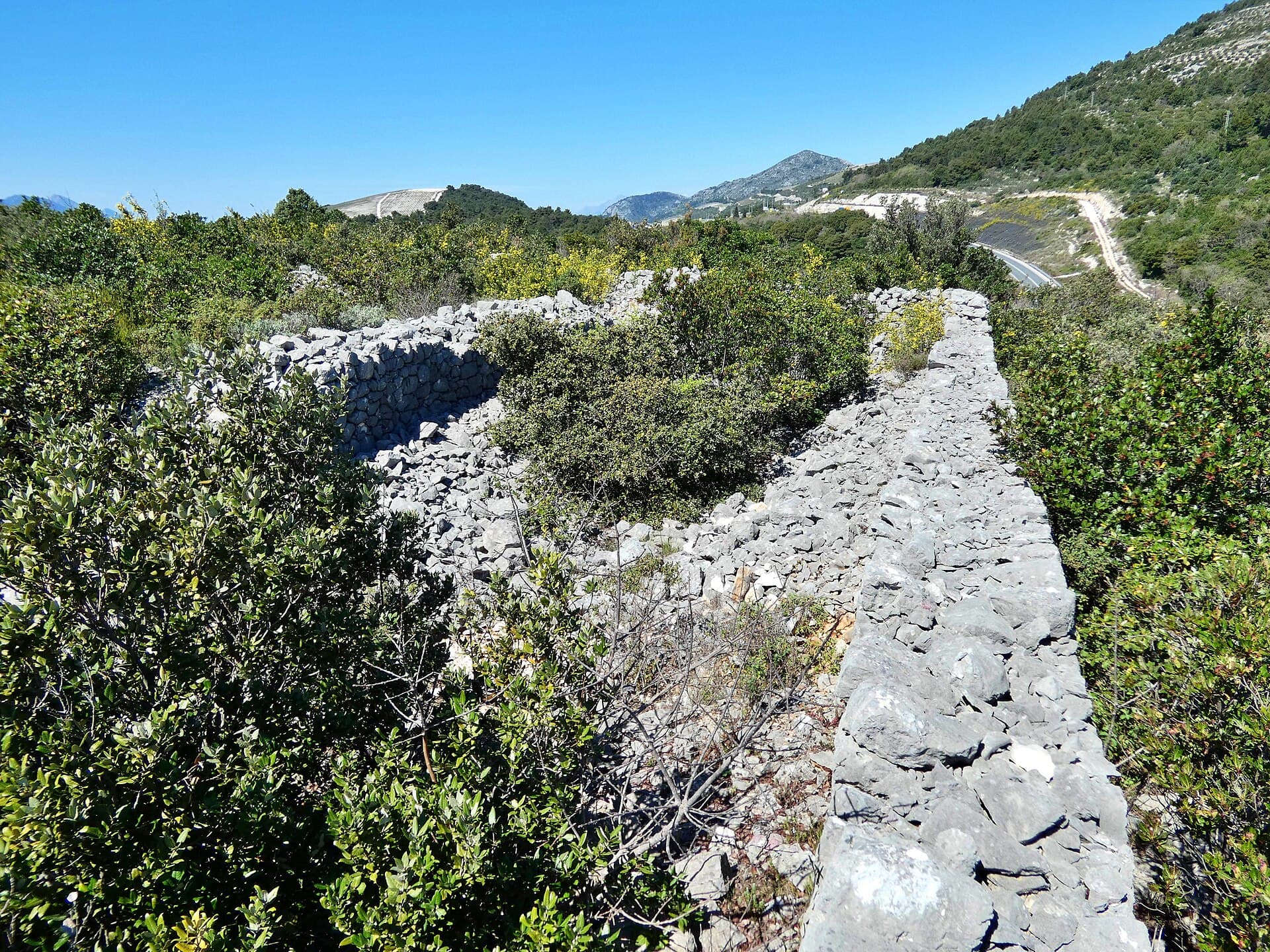
Category:Komarna fort
Landmark · Komarna
The Austrian fort on Glavica above Komarna preserves a gun position that once controlled the entrance to Neum–Klek Bay.
7 km from Drače, Janjina
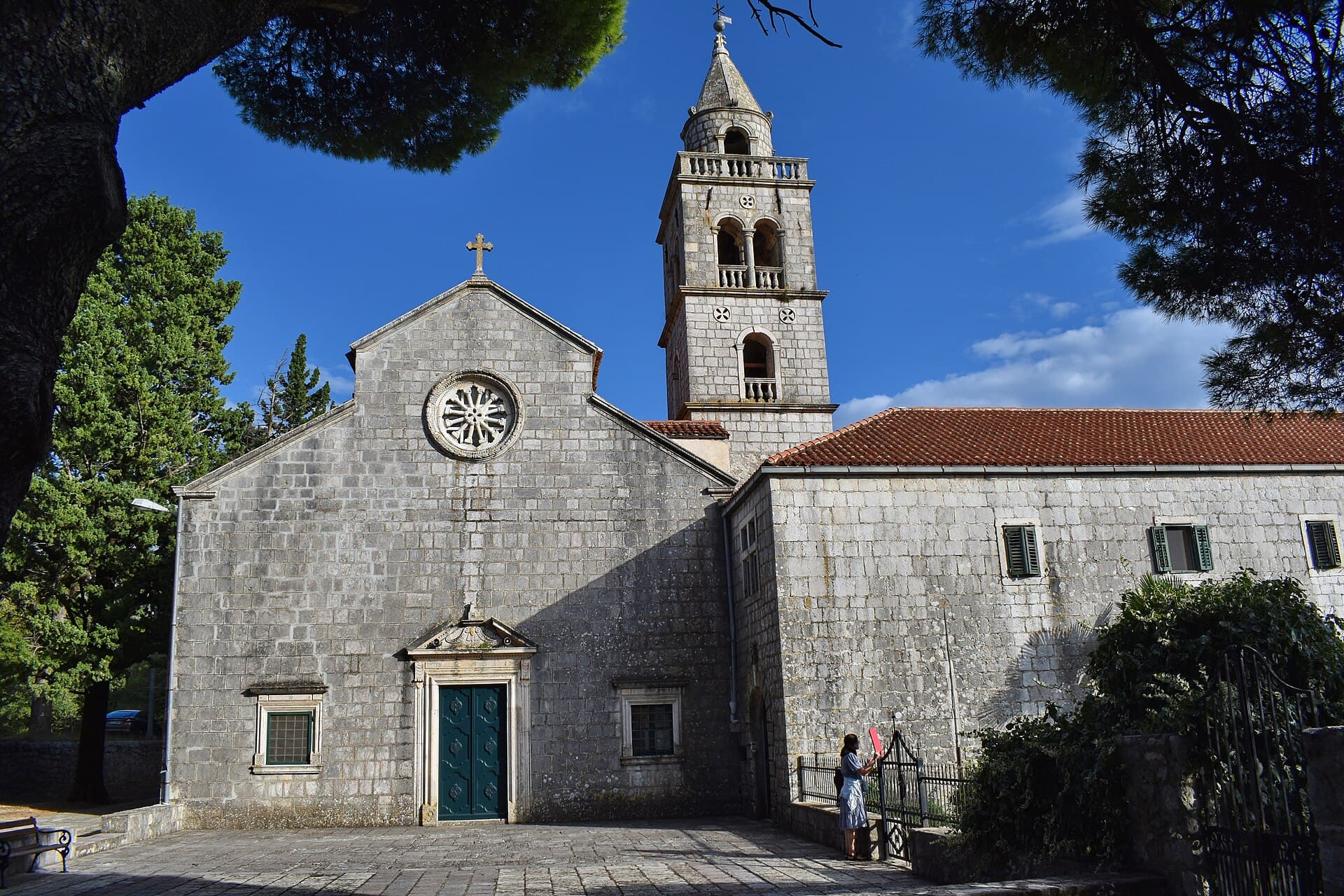
Franciscan monastery, Kuna Pelješka
Landmark · Kuna Pelješka
The Franciscan Monastery of Our Lady of Loreto, known as Delorita, is a religious and artistic landmark of Kuna Pelješka.
9 km from Drače, Janjina
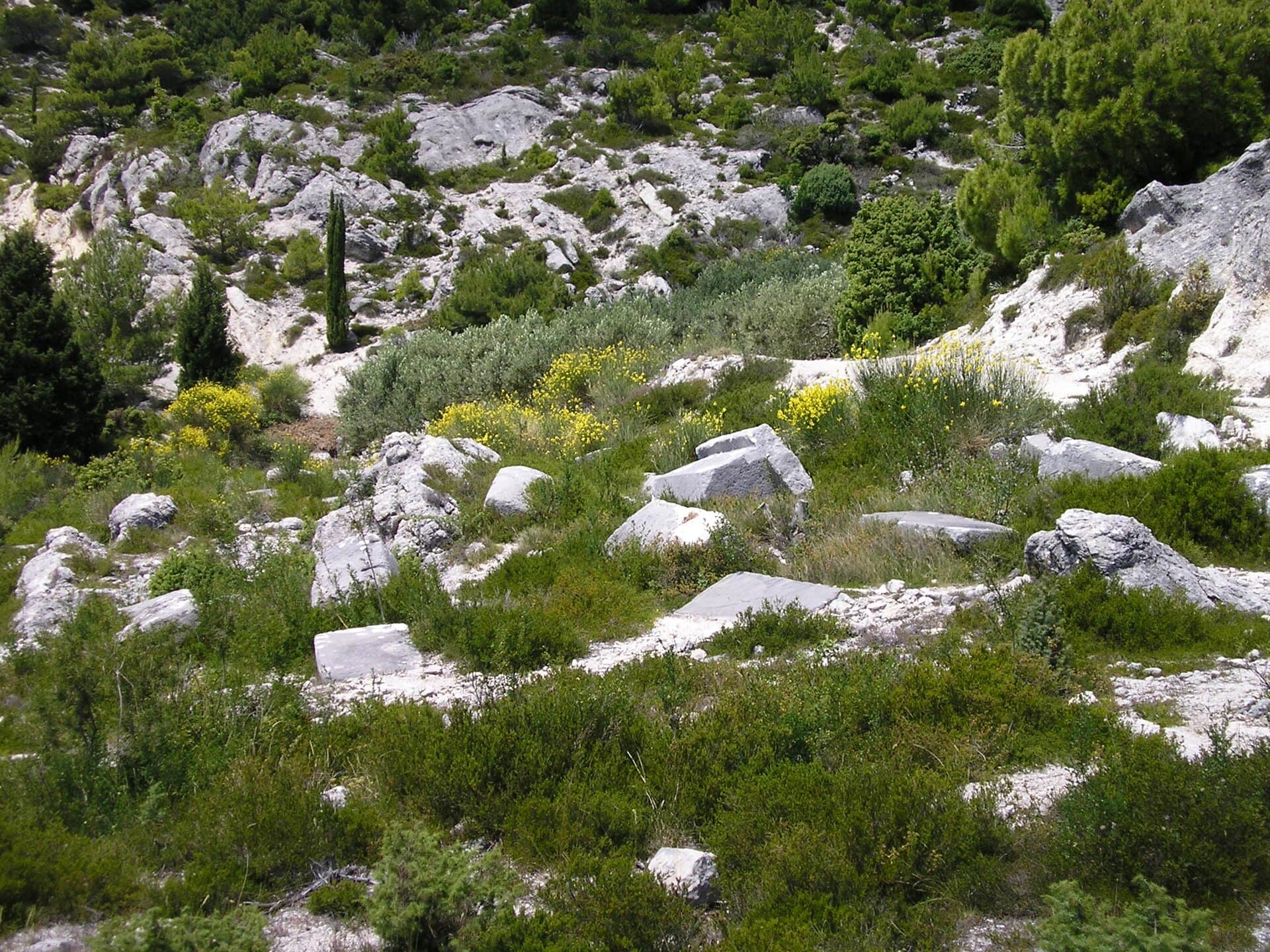
Greblje necropolis
Landmark · Klek
The Greblje stećci necropolis is a late-medieval burial ground on the slopes of Mount Orlovac, north of the village of Provića.
9 km from Drače, Janjina
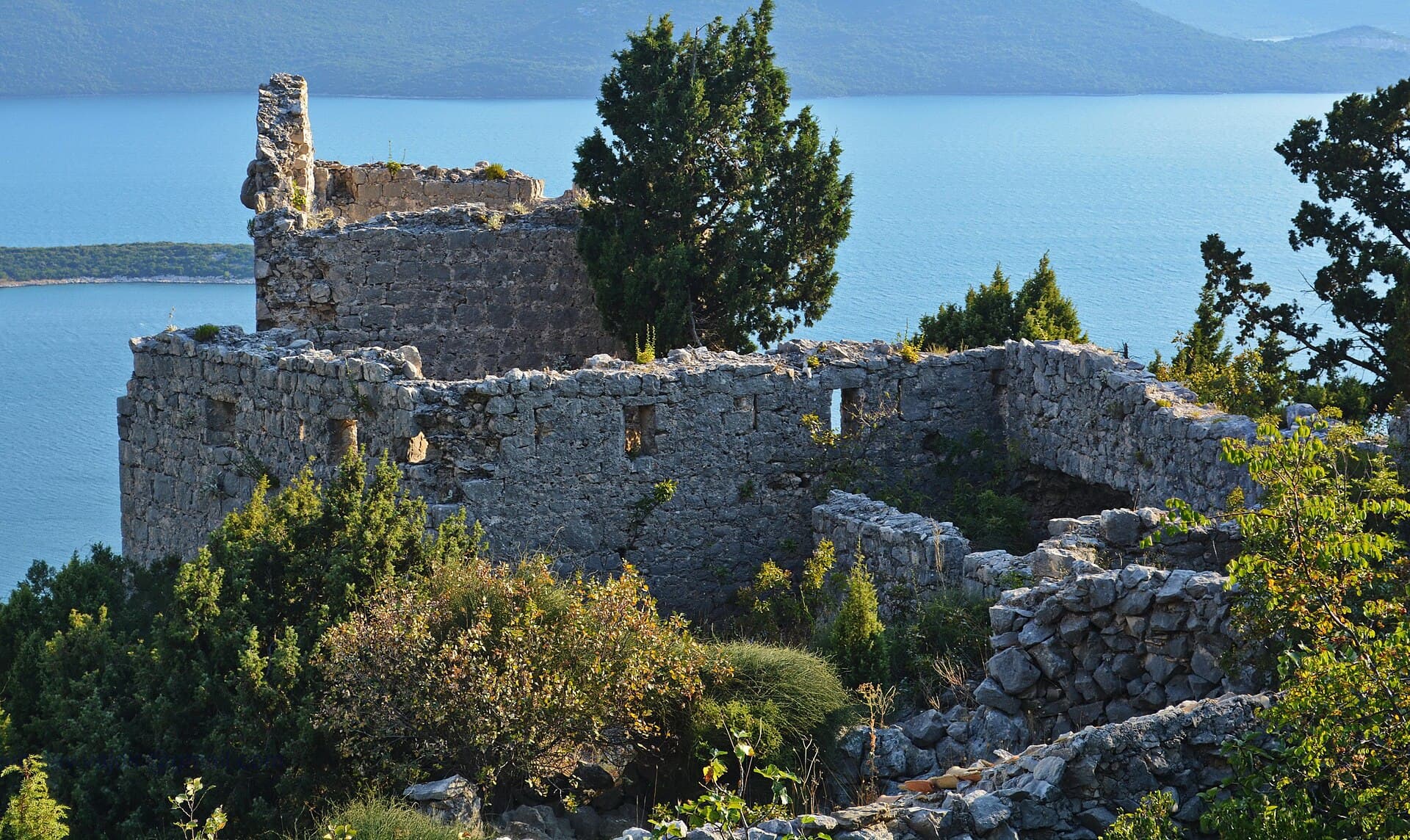
Smrdan grad
Landmark · Klek
Smrdan Grad is a defensive complex from 1688 on the hillside above Klek.
10 km from Drače, Janjina
Stays nearby
- Apartment
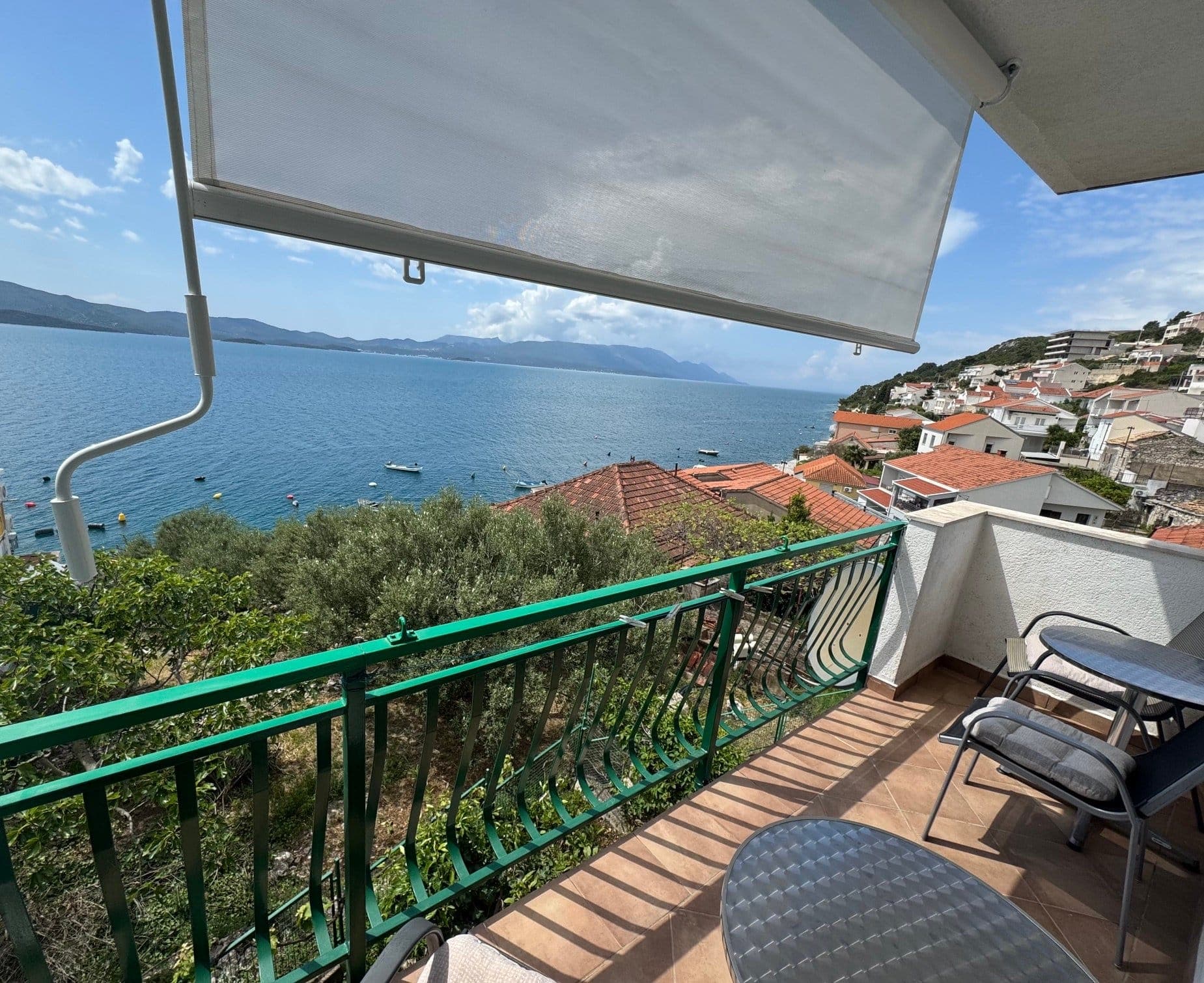 7 km from Drače, Janjina
- Apartment
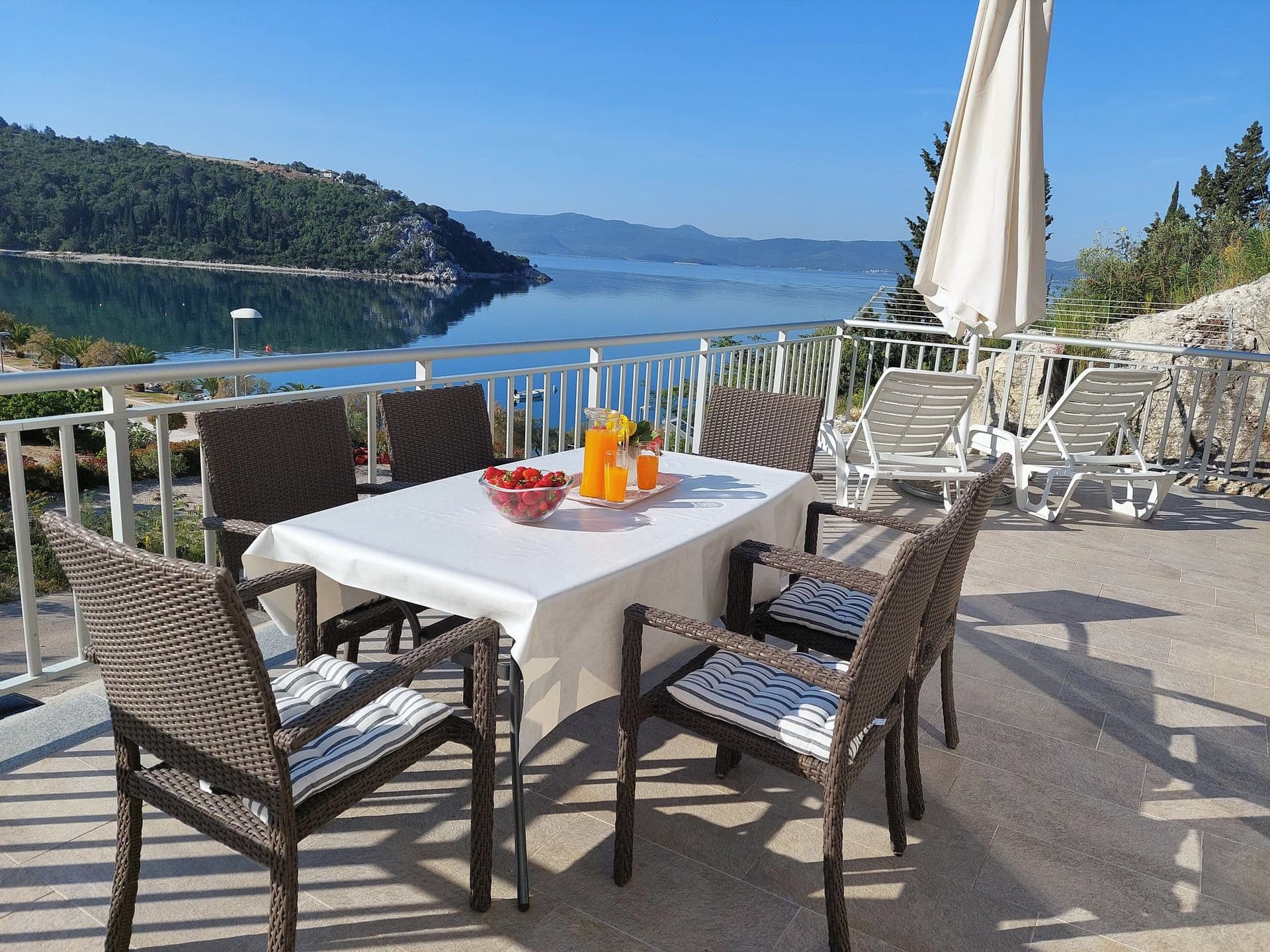 14 km from Drače, Janjina
Apartman Frana DeLux - prvi red do mora, plaža 20 m
Opuzen
up to 6 guests · 2 bedrooms
from €100 / night
Check availability
Be the first to list here
Guests looking for this place only see stays nearby for now. No commission, and enquiries come straight to you.
List your accommodation
Beaches
Bathing in Drače centres on small pebble and prepared shoreline sections beside houses, apartments and the local harbour, so reaching the sea does not require a separate drive. This northern coast faces the more enclosed Malo more, a markedly different setting from Pelješac’s southern shore exposed to the open Adriatic. Local visitor material explicitly identifies a pebble beach, while municipal planning documents count beaches among Janjina’s core visitor infrastructure. For a change of scenery, follow the coast towards Sreser or historic Sutvid Bay between Drače and Luka in Dubrava. These village beaches should not be expected to provide the extensive services of a large resort beach. Water shoes are useful on pebbles and rocky entries, and portable shade helps where buildings or coastal vegetation do not screen the sun.
Bathing water quality nearby
- Drače · 136 mexcellent
- Bratkovice · 803 mnot classified
- Sreser · 1.9 kmexcellent
Source: European Environment Agency (EEA); data from Croatian authorities. · bathing water profile
Things to do
Start a Drače morning with a walk around the small harbour, then seek out the 1882 Chapel of St Nicholas and the Church of St Roch, completed in 1936. After a swim beside the village, head towards Janjina, roughly two kilometres away, as the seafront gives way to olive groves and vineyards. Marked cycling and walking trails connect Drače with Janjina, Sreser and Crkvice, allowing the distance to match the available time. The Sreser direction follows Pelješac’s northern shore, while the climb towards Janjina better explains the relationship between the port and its parent settlement. For a longer outing, continue towards the Ston area or west into central Pelješac’s wine-growing villages. Return to Drače in the late afternoon for a quieter swim in Malo more.
Tours and activities
AdAd · partner offers: Viator, GetYourGuideThe partner handles booking, payment and support. StayBravo may earn a commission on bookings made through these links.How we choose offersWe choose offers based on the page you are viewing: the partner destination for this place or the nearest one (with its distance), and on a sight page only offers that mention it. We show offers rated at least 4.3 with at least 10 reviews, without multi-day tours or pure transfers, ordered by rating adjusted for the number of reviews and then by the partner’s order. We do not use data about you, and the commission does not affect the order.GetYourGuide offers are selected and ordered by GetYourGuide based on the name of the nearest larger town or national park; we do not influence their selection and do not use data about you.GetYourGuide · Korčula
We show GetYourGuide offers once you allow their cookies.
Viator
Nearest destination: Korčula (26 km)
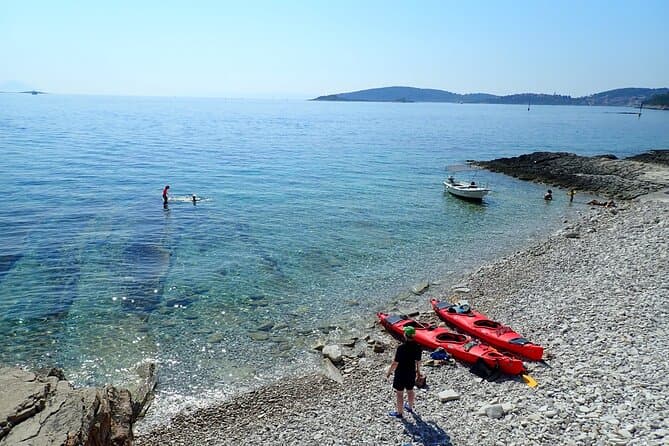
Bits of History - Half day kayak Tour with Wine delight (opens in a new tab)
Spirit of Korkyra is a small, family-run business - not a franchise. Boris and Ivka built it from scratch, and Ivka grew up right here in Lumbarda. We take you to places bigger tours can't reach…
Rated 5 out of 5 · 205 reviews· 5 h
Free cancellation
from €65
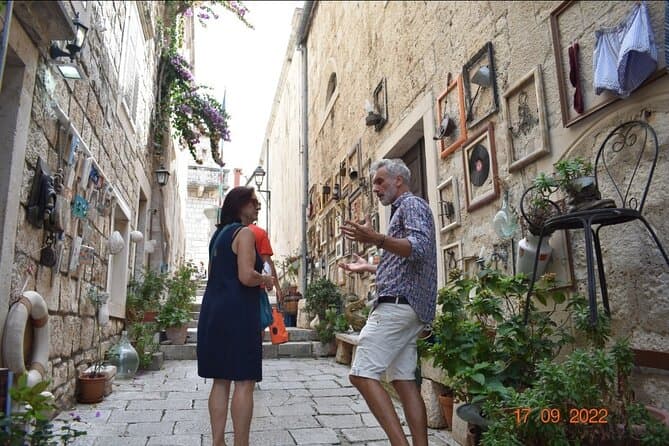
1 Hour Private Walking Tour in Korcula (opens in a new tab)
Korčula is a wonderful place to visit! History, art and present day life tell the story of a town sculpted in white stone 1000 years ago. You'll also hear about Marco Polo and his complicated and…
Rated 5 out of 5 · 103 reviews· 1 h
Free cancellation
from €35
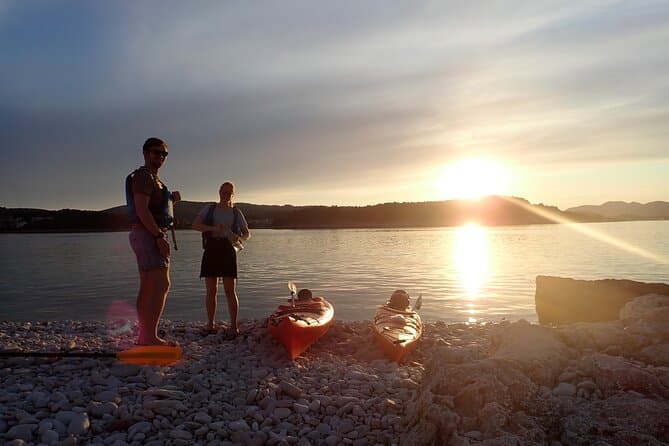
Lumbarda-Sunset Kayaking Experience with picnic: Wine and Sweets (opens in a new tab)
Spirit of Korkyra is a small, family-run business - not a franchise. Boris and Ivka built it from scratch, and Ivka grew up right here in Lumbarda. We time this tour to end golden hour on the water…
Rated 5 out of 5 · 62 reviews· 3.5 h
Free cancellation
from €65
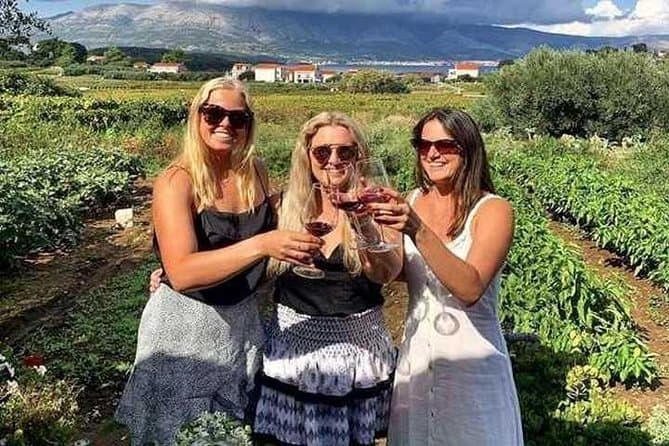
Wine tour Korčula - private tour (opens in a new tab)
Our excursion starts at the view point of Korčula, where you can take a couple of photos. The first vinyards we are going to visit are situated in Lumbarda and are famous for Grk, an autochtonous…
Rated 4.9 out of 5 · 27 reviews· 3–4 h
Free cancellation
from €151.31
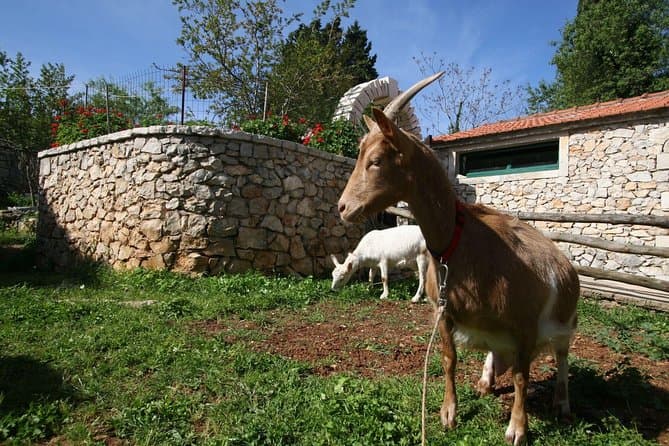
Korcula Island Mountain E Bike Private tour with lunch (opens in a new tab)
Enjoy a half-day mountain E- bike private tour on Korcula Island. Explore roads full of olive trees and vineyards. Visit a Local Winery for a wine tasting. Swim in one of the secluded beaches and…
Rated 5 out of 5 · 20 reviews· 4 h
Free cancellation
from €180
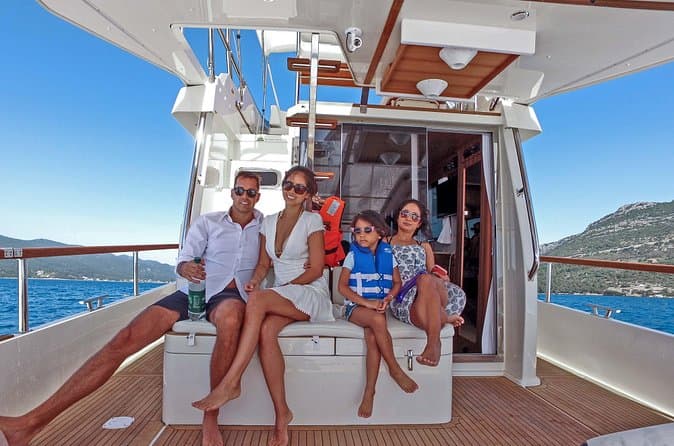
Mljet National park Private Yacht Excursion from Korcula Island (opens in a new tab)
This is a Yacht Tour to the island of Mljet from Korcula. The National Park is famous for its two salt sea lakes and the 12th-century Benedictine monastery. Travel on a luxury yacht at intimate…
Rated 5 out of 5 · 18 reviews· 6 h
Free cancellation
from €700
Practical information
Getting there and around
Drače is linked by road to central Pelješac, while the northern approach to the peninsula uses the Pelješac Bridge and its access sections towards the D414. Croatia’s maritime transport ministry identifies the D8 and D414 as the bridge’s connections with the surrounding road network. From the main corridor, a local road descends towards Janjina and Drače on the northern coast. A car is useful for combining the village with Ston, the wine-growing interior and western Pelješac. Walkers and cyclists travelling between Drače and Janjina can use the marked local network that continues towards Sreser and Crkvice. The tourist office at Drače 80 is the nearest official point for local directions. Bus passengers should verify the timetable and stop for their year of travel, as services to small Pelješac settlements are not equally frequent throughout the year.
Frequently asked questions
When did Drače become a permanent settlement?
Drače was recorded as Janjina’s harbour in 1843, while its first permanent residents arrived in 1895.
Can you cycle from Drače to Janjina?
Yes; a marked cycling and walking network links Drače with Janjina and continues towards Sreser and Crkvice.
Where is the tourist office for Drače?
The Janjina Municipal Tourist Board is located in the village itself at Drače 80.
Nearby
Drače, Janjina
Open in OpenStreetMap(opens in a new tab)straight-line distance
Related guides
Dubrovnik
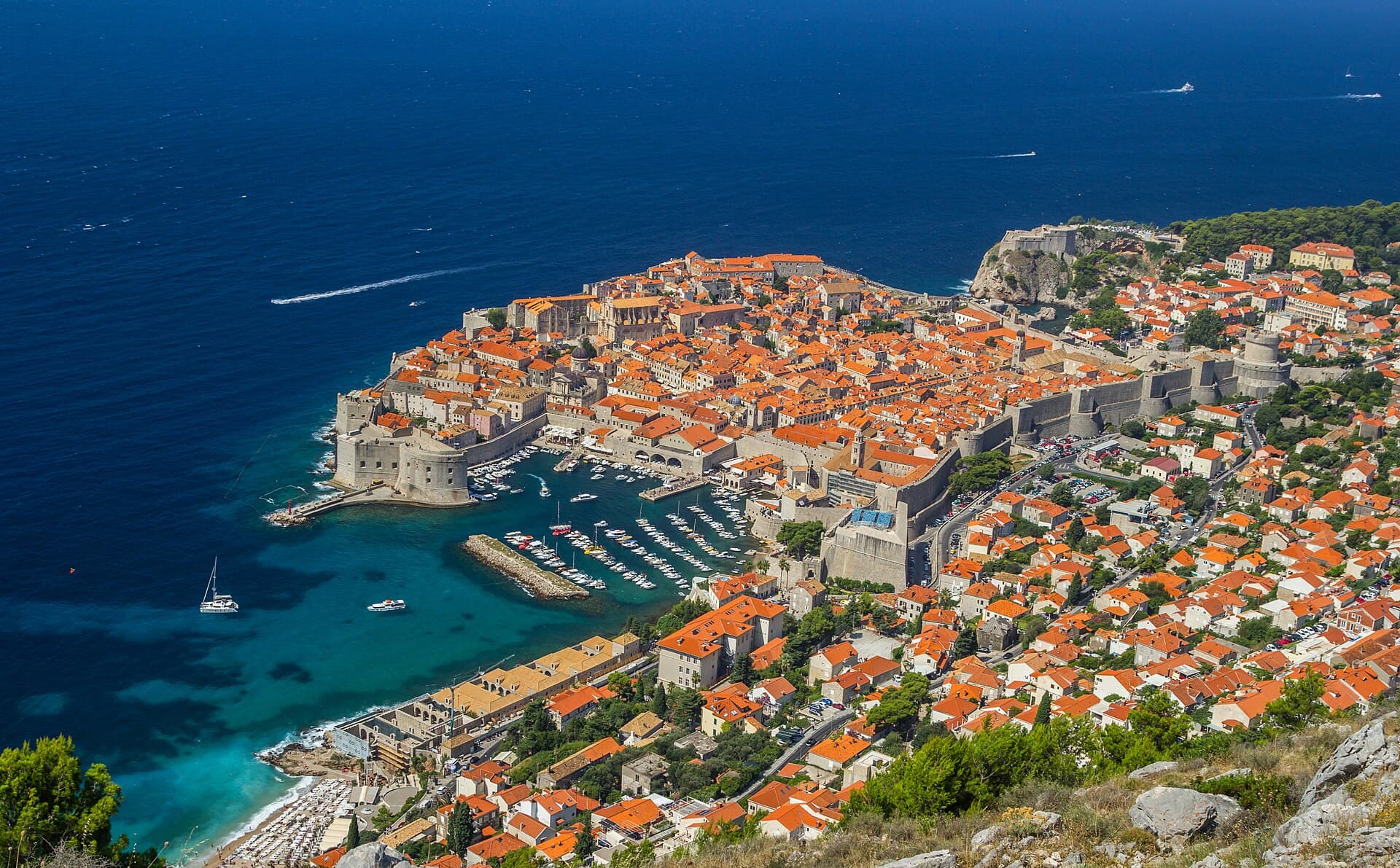
Dubrovnik’s historic centre is organised around Stradun, yet its character changes within a few steps of that main street. At the western end beside Pile stand the Large Onofrio Fountain,…
Read the guide

Orebić
Orebić is the main settlement of south-western Pelješac and has been tied to seafaring for centuries. Captains’ houses and gardens along the coastal area recall the period when Orebić…
Read the guide
Blato, Korčula
Blato is not a seaside centre but a historic inland settlement in western Korčula’s fertile interior, while its municipality reaches Prigradica on the north coast and Prižba, Gršćica,…
Read the guide
Vela Luka
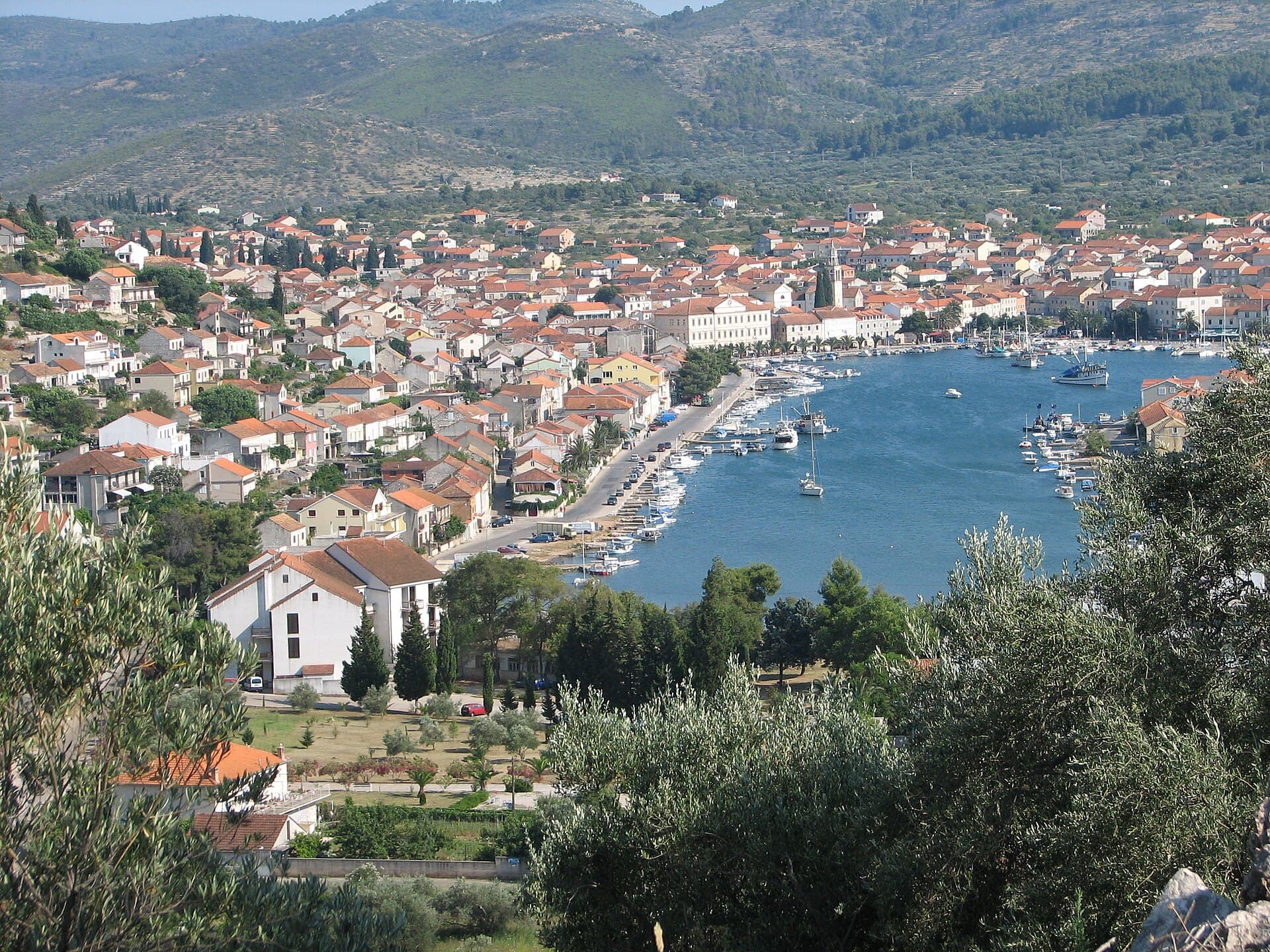
Vela Luka grew at the head of a deep bay on western Korčula, where a long waterfront links the harbour, the centre around St Joseph’s Church and the former shipbuilding area. Its maritime…
Read the guide
Know Drače, Janjina? Correct us
Tell us in your own words what is not accurate. We check right away.Do not enter personal data. Corrections are checked by the StayBravo AI assistant; changes to the description are approved by an editor. Use the form instead
Do you know Drače, Janjina?
Help the guests who come after you.
Help us complete
Nothing is published without an editor’s review.Report illegal content
Photo credits: Drače, Janjina — Quahadi Añtó 06:41, 26 April 2010 (UTC) (CC BY-SA 3.0) · Janjina — Aqwis (CC BY-SA 3.0) · Sreser — Quahadi Añtó 09:52, 5 December 2011 (UTC) (CC BY-SA 3.0) · Žuljana — F.Krikava, Znojmo (CC BY-SA 3.0) · Osobjava — Quahadi Añtó 07:02, 6 December 2011 (UTC) (CC BY-SA 3.0) · Dubrava — Martin Brož (CC BY 3.0) · Komarna — User: (WT-shared) Matulini at wts wikivoyage (Public domain) · Brijesta — Bracodbk (CC BY-SA 3.0) · Duboka, Slivno, Mihalj, Greblje necropolis — Ma▀▄Ga (CC BY 3.0) · Pijavičino — Quahadi Añtó 13:33, 21 December 2011 (UTC) (CC BY-SA 3.0) · Category:Komarna fort — Ma▀▄Ga (CC BY 4.0) · Franciscan monastery, Kuna Pelješka — Miroslav.vajdic (CC BY-SA 4.0) · Smrdan grad — Miroslav Vajdic from Zagreb, Croatia (CC BY-SA 2.0) · Apartmani Stella — Zvjezdana Bebić (courtesy of the property owner) · Apartman Frana DeLux - prvi red do mora, plaža 20 m — Ivan Mador (courtesy of the property owner) · Dubrovnik — Zysko serhii (CC BY-SA 4.0) · Orebić — Quahadi Añtó 11:23, 15 January 2011 (UTC) (CC BY 3.0) · Blato, Korčula — d.graso (CC BY 3.0) · Vela Luka — Wojtkow (CC BY-SA 4.0)