
Brsečine
About this place
Brsečine is a tiny Dubrovnik-coast village set above the Koločep Channel, 22 kilometres northwest of Dubrovnik beside the Adriatic Highway. Its 84 residents recorded in the 2021 census give the village a markedly slower rhythm than the walled city. Houses, olive trees and traces of older vineyards descend towards a cove containing the 16th-century summer residence of Dubrovnik’s Zuzorić family. Higher above the water stands the fortified 17th-century Ohmučević-Bizzaro estate with St Anne’s Church, while St George’s Church belongs to the village itself. The principal place for a swim is Veliki žali, a broad beach beside the coastal road between Brsečine and Trsteno; it pairs naturally with a visit to Trsteno’s historic arboretum. Brsečine consequently works best as a quiet base for travellers who want the sea and the former country-estate landscape while treating Dubrovnik as a day trip. Libertas route 35 provides the public-transport link: in the operator’s published 2026 timetable, buses run daily between Dubrovnik and Brsečine via Zaton and Orašac.
Brsečine was not built around a waterfront promenade: most of the village clings to the slope and the Adriatic Highway above the Koločep Channel. That setting creates a striking division between stone houses and cultivated terraces overhead and the small cove below. Country estates once owned by Dubrovnik noble families define much of its identity—the 16th-century Zuzorić residence stands by the water, whereas the fortified 17th-century Ohmučević-Bizzaro complex occupies higher ground. St George’s Church and the remains of St Stephen’s Chapel add further historical texture. With only 84 residents in the 2021 census, Brsečine remains one of the distinctly small settlements within the administrative area of Dubrovnik.
Things to see


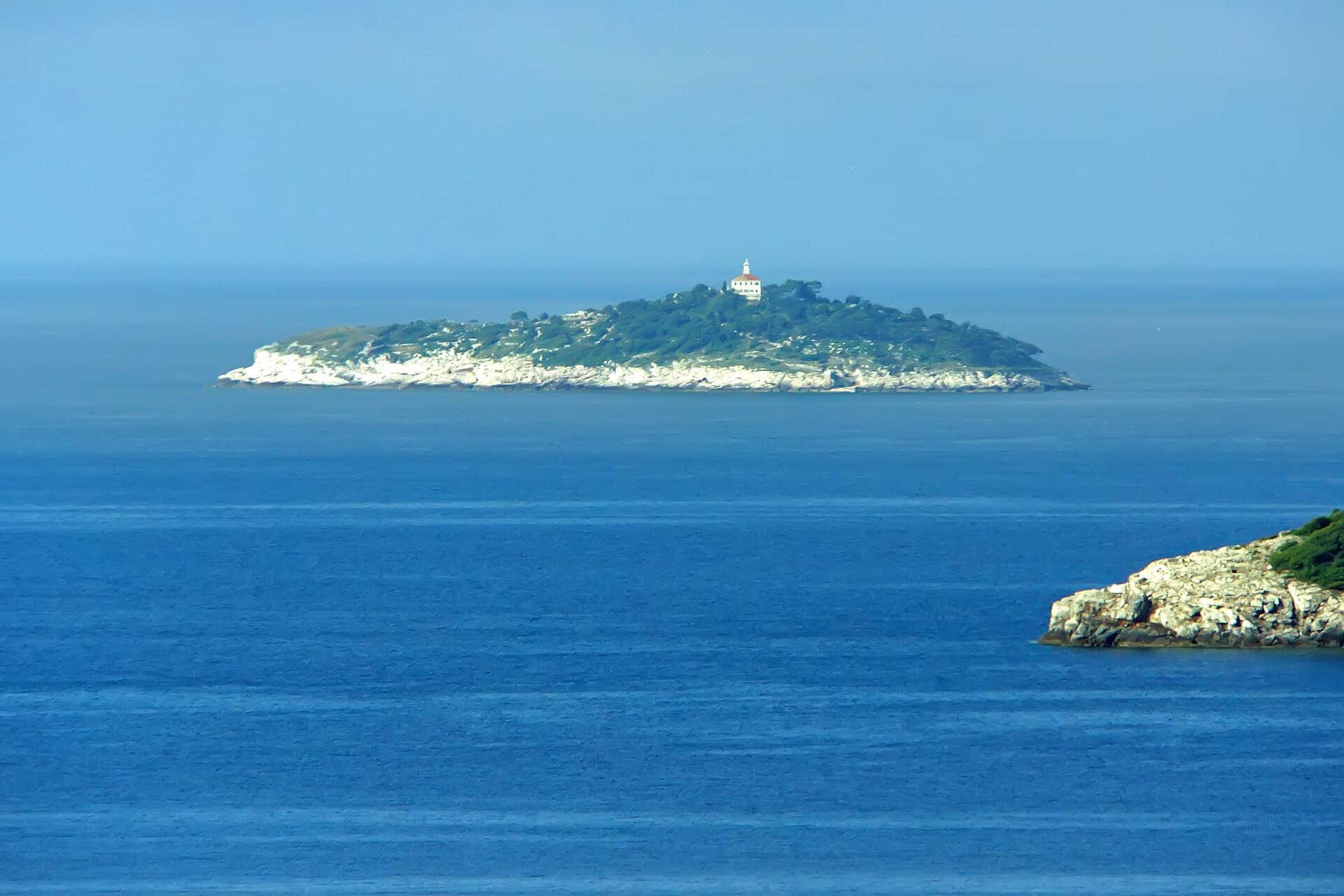
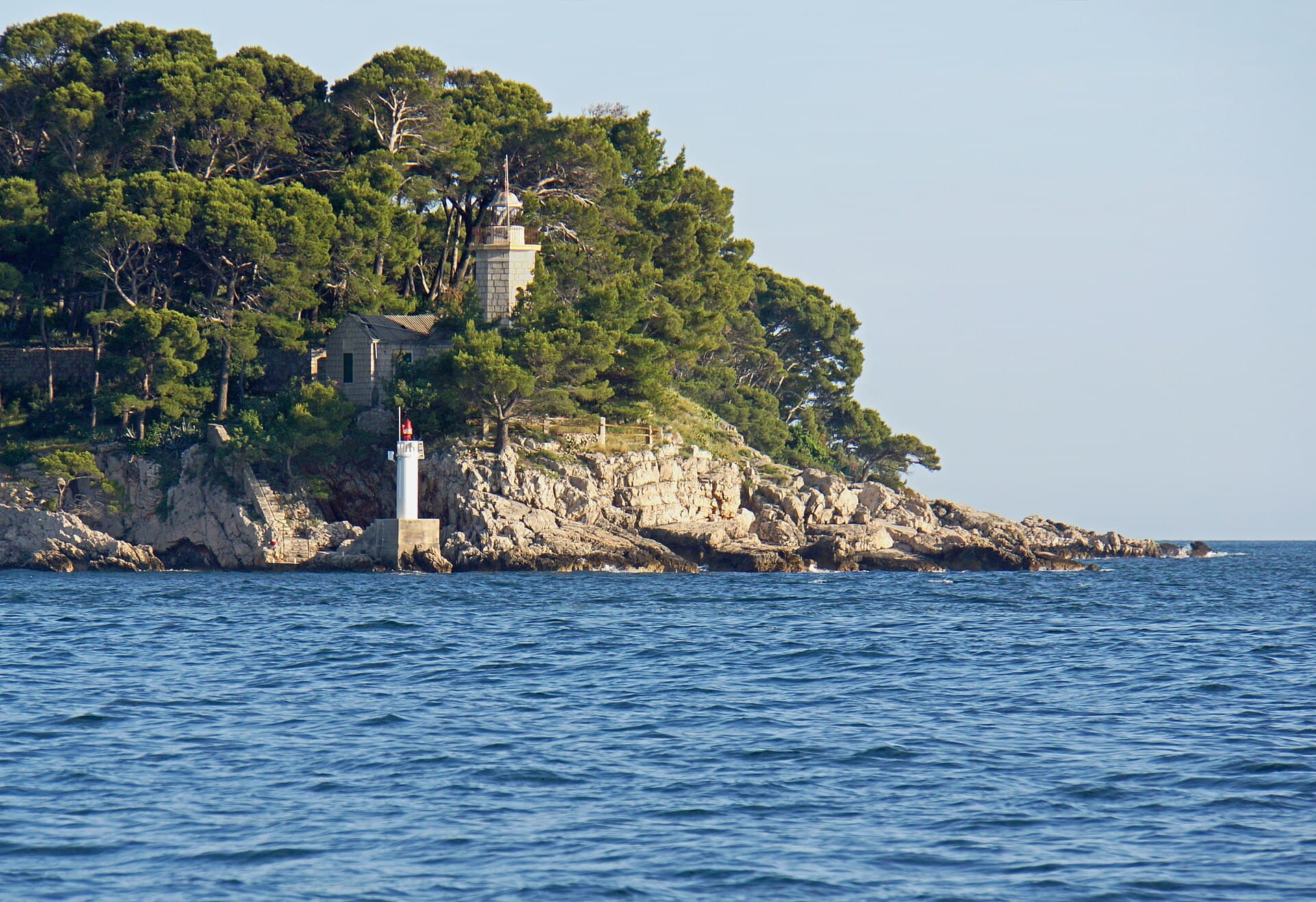
Sutvrač
Landmark · Lopud
Sutvrač is a Spanish fortress from 1563 on Lopud’s highest ridge.
5 km from Brsečine
Stays further afield
- Apartment
 41 km from Brsečine
- Apartment
 42 km from Brsečine
- Apartment
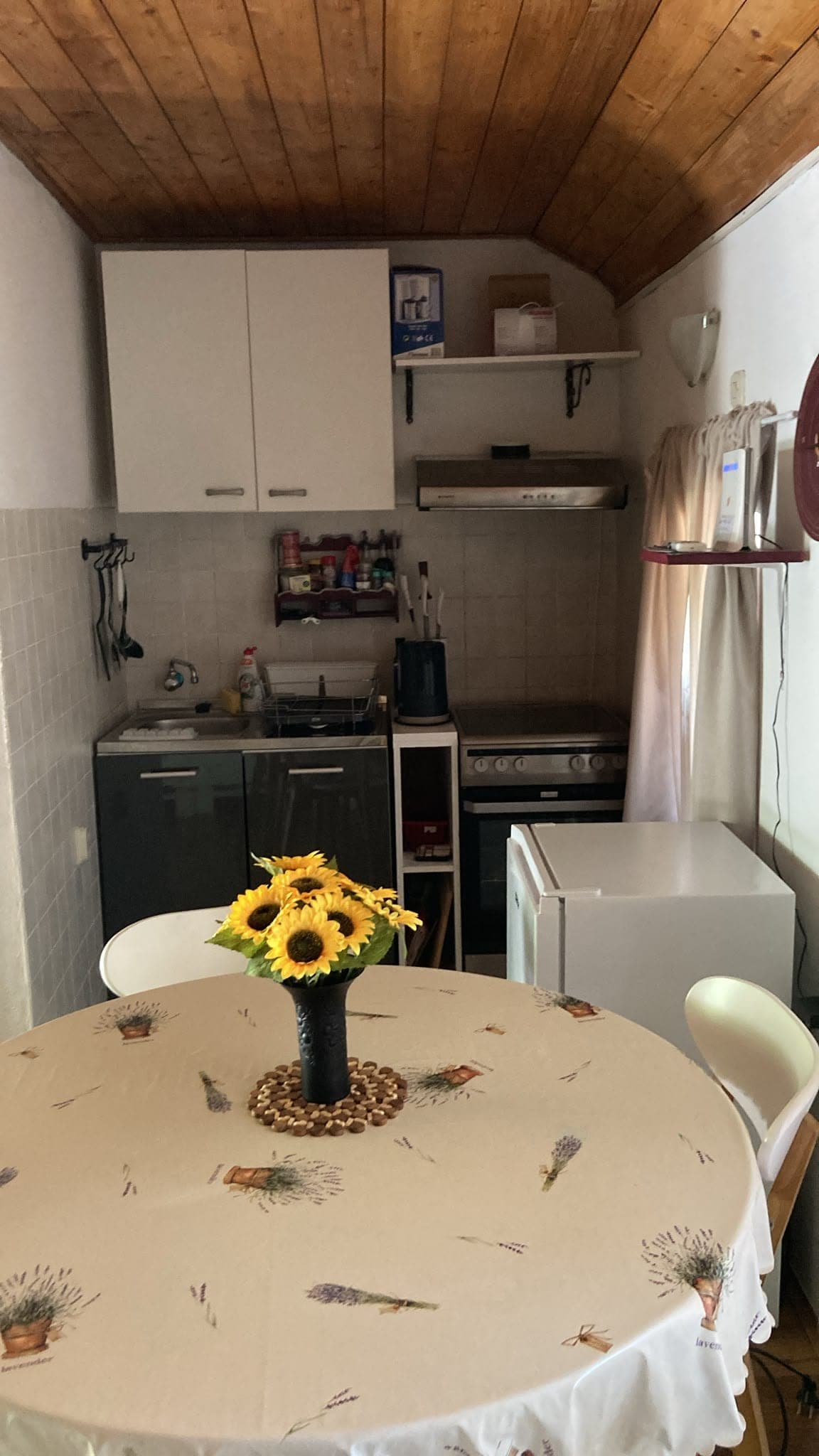 42 km from Brsečine
- Apartment
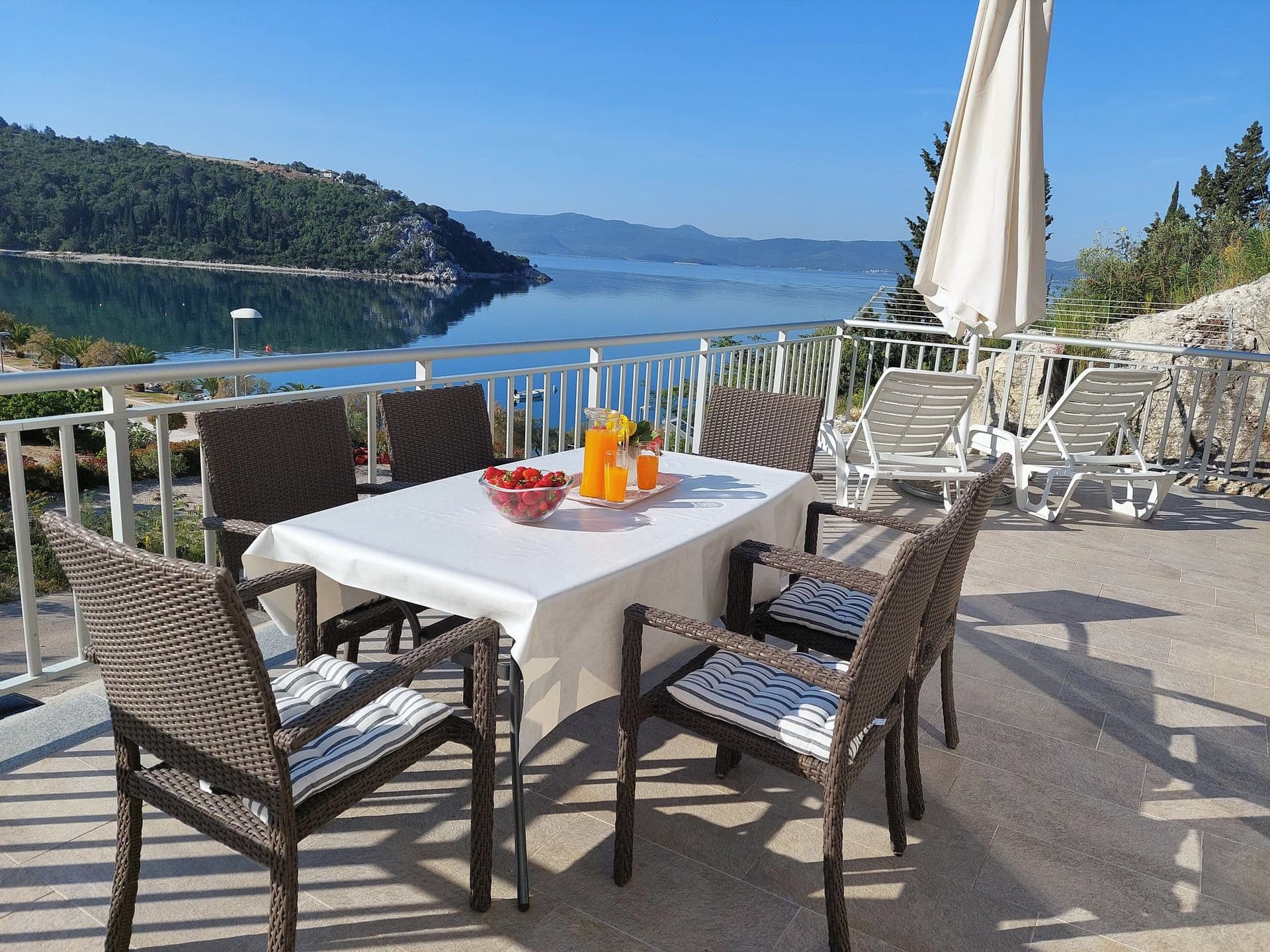 45 km from Brsečine
Apartman Frana DeLux - prvi red do mora, plaža 20 m
Opuzen
up to 6 guests · 2 bedrooms
from €100 / night
Check availability
- Apartment
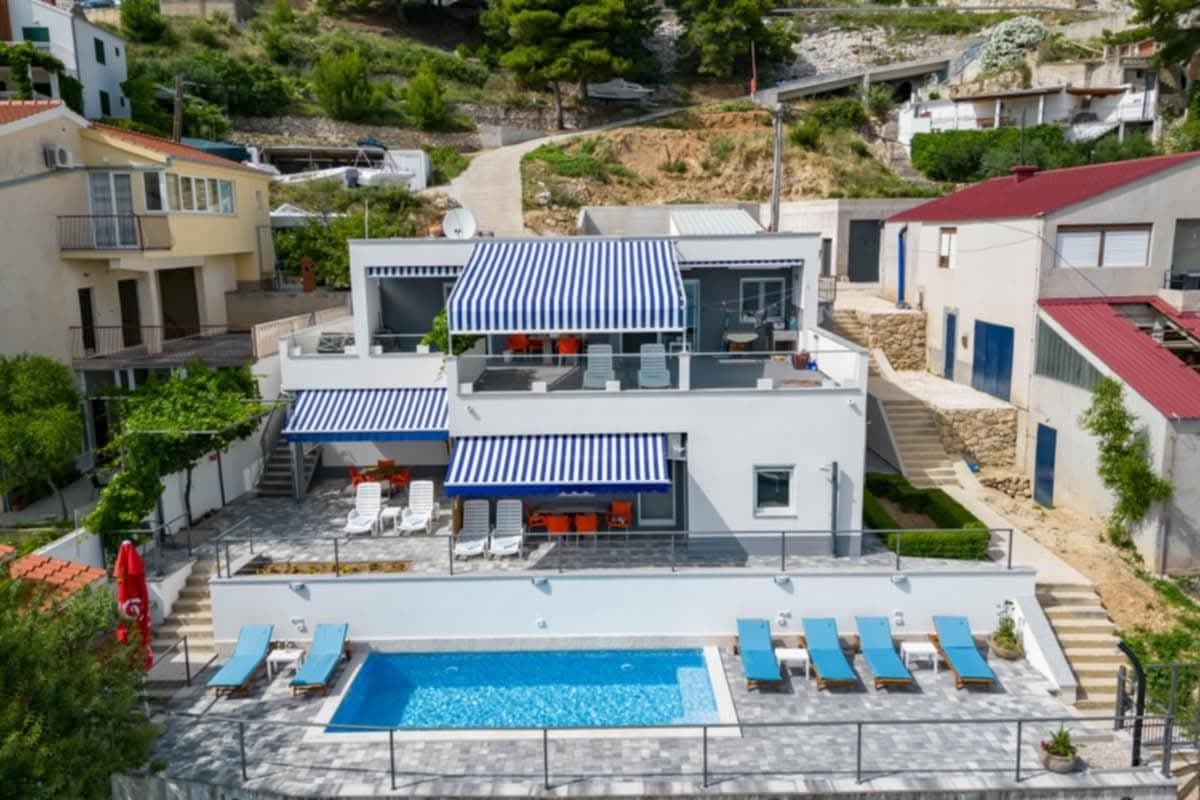 Čelina, Omiš · 124 km from Brsečine
Be the first to list here
Guests looking for this place only see stays nearby for now. No commission, and enquiries come straight to you.
List your accommodation
Beaches
Veliki žali is the principal bathing spot associated with Brsečine, lying beside the coastal road towards Trsteno rather than within the hillside village centre. It faces a broad sweep of the Koločep Channel, while the surrounding shore combines pebbles, rocks and Mediterranean vegetation. Road access is therefore considerably more practical than walking down from upper Brsečine, particularly when facing the uphill return. The village’s own cove is smaller and distinguished historically by the 16th-century Zuzorić summer residence, making Veliki žali the more natural choice for an extended beach stay. Its position close to Trsteno also makes it easy to combine swimming with the arboretum in a single day.

Bathing water quality nearby
- Uvala Brsečine · 600 mexcellent
- Veliki Žali · 2.0 kmexcellent
Source: European Environment Agency (EEA); data from Croatian authorities. · bathing water profile
Things to do
Begin in upper Brsečine at St George’s Church, then look down towards the Koločep Channel and the cove containing the Zuzorić summer residence. Descend separately for a swim at Veliki žali, since the shore and the hillside village do not form a single compact centre. Later, continue to nearby Trsteno and walk through the Renaissance garden of Trsteno Arboretum, whose grounds include the Gučetić-Gozze residence, a historic olive grove and the Baroque Neptune fountain dating from 1736. Established as an arboretum in 1948 on an older noble estate, its collections of Mediterranean and exotic plants provide a very different experience from a morning spent on the Brsečine coast.
Tours and activities
AdAd · partner offers: Viator, GetYourGuideThe partner handles booking, payment and support. StayBravo may earn a commission on bookings made through these links.How we choose offersWe choose offers based on the page you are viewing: the partner destination for this place or the nearest one (with its distance), and on a sight page only offers that mention it. We show offers rated at least 4.3 with at least 10 reviews, without multi-day tours or pure transfers, ordered by rating adjusted for the number of reviews and then by the partner’s order. We do not use data about you, and the commission does not affect the order.GetYourGuide offers are selected and ordered by GetYourGuide based on the name of the nearest larger town or national park; we do not influence their selection and do not use data about you.GetYourGuide · Dubrovnik
We show GetYourGuide offers once you allow their cookies.
Viator
Nearest destination: Dubrovnik (14 km)
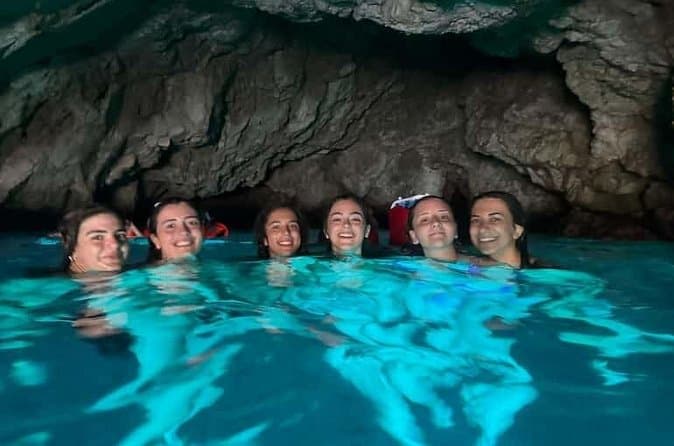
Dubrovnik: 7 Caves & Blue Cave Speedboat Tour (4h) (opens in a new tab)
Explore the famous Blue Cave and hidden sea caves on a small-group speedboat tour (max 8 guests) from Dubrovnik. Enjoy more time for swimming, snorkeling, and photo stops, plus complimentary drinks…
Rated 5 out of 5 · 1,967 reviews· 4 h
Free cancellation
from €60
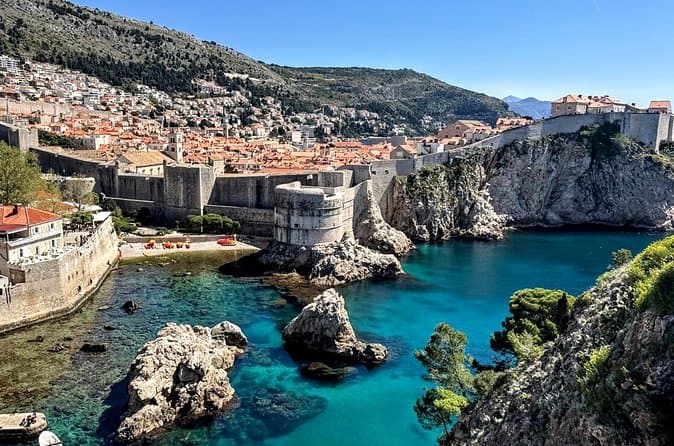
Game of Thrones and Old City Walking Tour in Dubrovnik (opens in a new tab)
Discover Dubrovnik & King's Landing – Two Experiences in One! Explore Dubrovnik's fascinating history and iconic Game of Thrones filming locations on an unforgettable 3-hour walking tour through the…
Rated 5 out of 5 · 965 reviews· 2.5–3 h
Free cancellation
from €33
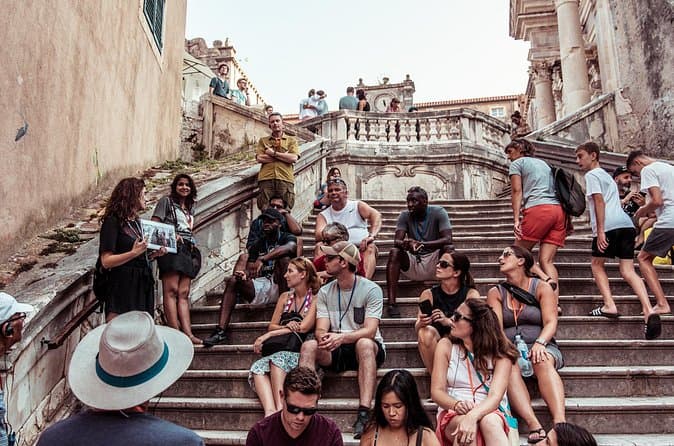
Dubrovnik: Game of Thrones Walking Tour (opens in a new tab)
Meet the real King's Landing! This tour is guided by a licensed tour guide (by the Croatian Ministry of Tourism), fluent in English (or Spanish, depending which language you book) and a Game of…
Rated 5 out of 5 · 1,930 reviews· 2 h
Free cancellation
from €25
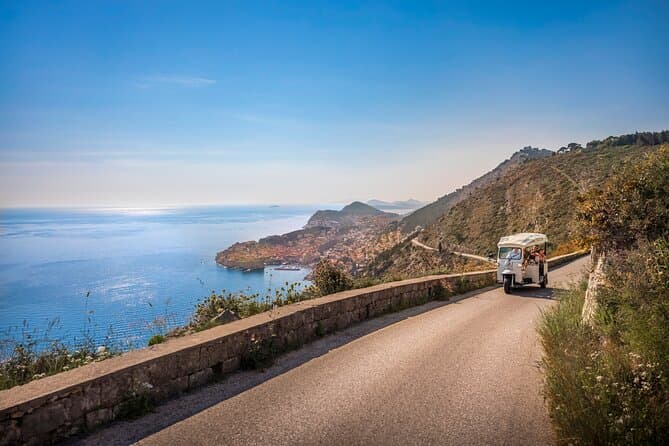
E-Tuk Tuk Tour in Dubrovnik (opens in a new tab)
This tour is ideal for the guests that want to avoid crowds. In this electric Tuk Tuk tour, we will go to the main viewpoints which are not accessible for the bigger vehicles. It is environmentally…
Rated 5 out of 5 · 1,920 reviews· 1.8 h
Free cancellation
from €40
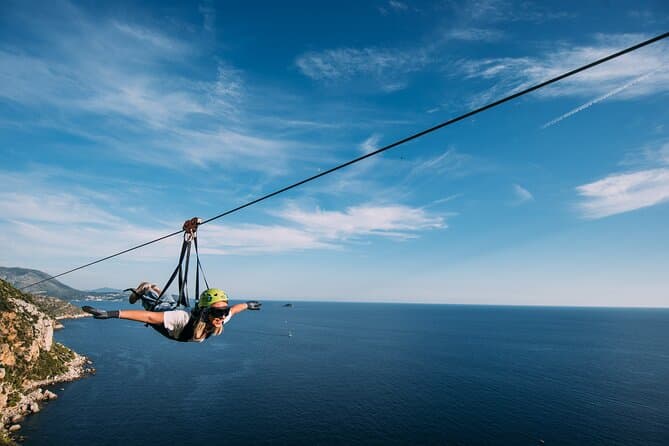
Dubrovnik Superman Zipline: 900m Over Adriatic Sea (opens in a new tab)
If you're searching for adrenaline and unique experience this is an activity for you. This 900 metres long Zipline is located on the Adriatic Sea, only 4 km from the Old town Dubrovnik. The superman…
Rated 5 out of 5 · 692 reviews· 1.3 h
Free cancellation
from €50
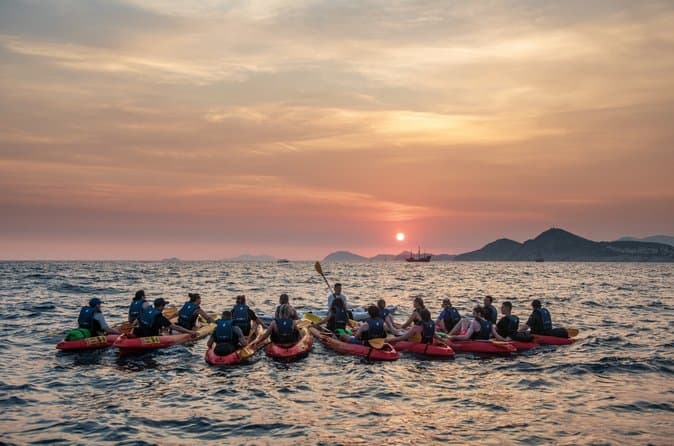
Dubrovnik: Sunset Kayaking & Snorkeling with water &wine (opens in a new tab)
Enjoy Dubrovnik's top summer activity and experience beautiful local natural and historical heritage in this 2 or 3 hour guided sea kayaking tour from the seaside. This tour features informative…
Rated 5 out of 5 · 1,231 reviews· 3 h
Free cancellation
from €40
Practical information
Getting there and around
Brsečine stands on the Adriatic Highway, 22 kilometres northwest of Dubrovnik, so a car gives the most direct access to the village, Veliki žali and nearby Trsteno. Public transport is provided by Libertas route 35 between Dubrovnik and Brsečine, running daily via Zaton and Orašac in the timetable available in 2026. The published schedule lists six departures in each direction, although it should be checked again shortly before travelling because the operator notes that times may change. The bus serves the upper settlement along the highway; reaching some sections of the shore still involves descending the steep slope on foot and climbing back afterwards.
Frequently asked questions
How far is Brsečine from Dubrovnik?
Brsečine lies 22 kilometres northwest of Dubrovnik on the Adriatic Highway.
Is there a bus to Brsečine?
In the timetable available in 2026, Libertas route 35 links Dubrovnik and Brsečine daily via Zaton and Orašac.
What stands in Brsečine Cove?
The cove contains the 16th-century summer residence of Dubrovnik’s Zuzorić family.
Nearby
Brsečine
Open in OpenStreetMap(opens in a new tab)Larger towns
straight-line distance
Related guides
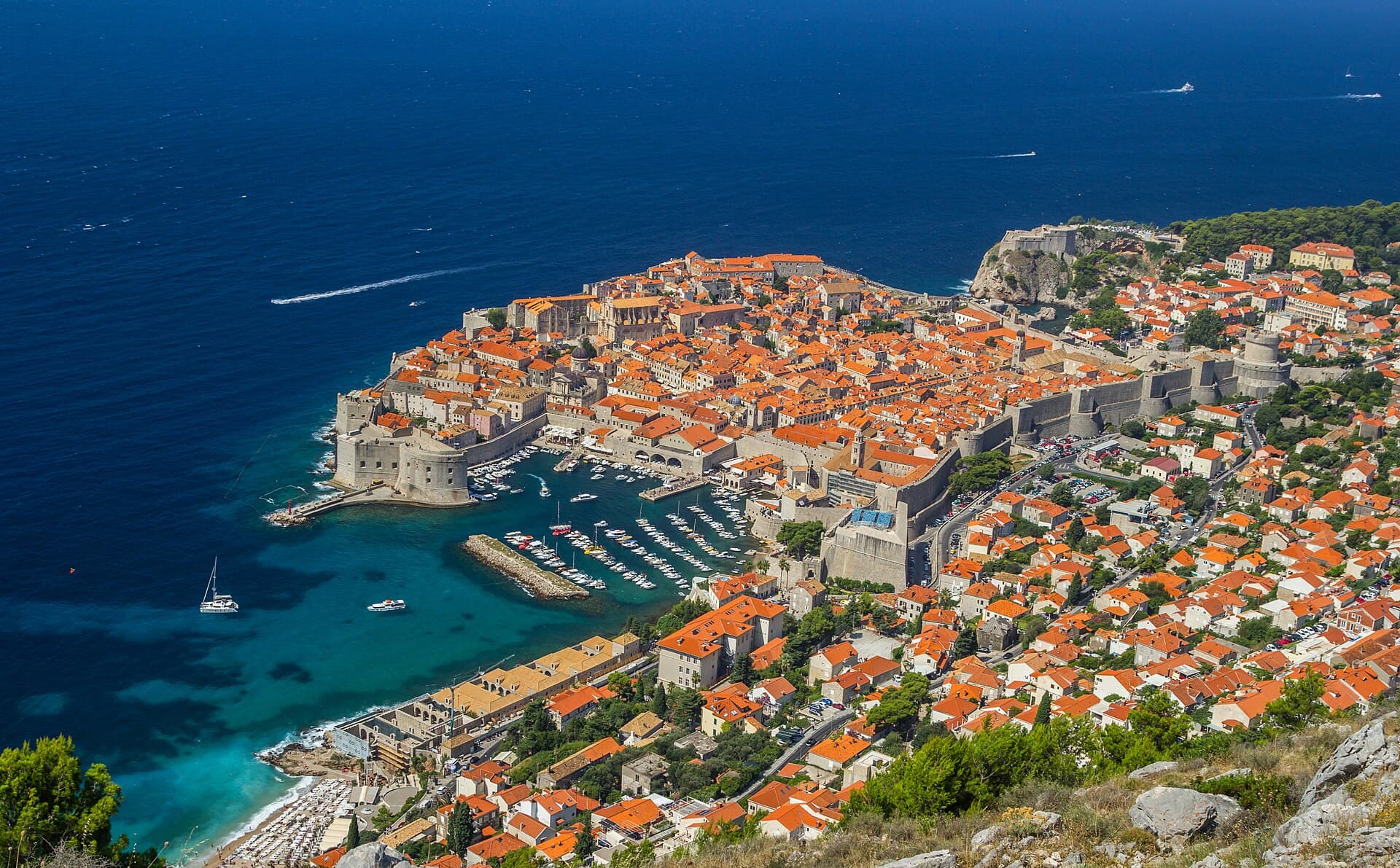
Dubrovnik
Dubrovnik’s historic centre is organised around Stradun, yet its character changes within a few steps of that main street. At the western end beside Pile stand the Large Onofrio Fountain,…
Read the guide

Orebić
Orebić is the main settlement of south-western Pelješac and has been tied to seafaring for centuries. Captains’ houses and gardens along the coastal area recall the period when Orebić…
Read the guide
Blato, Korčula
Blato is not a seaside centre but a historic inland settlement in western Korčula’s fertile interior, while its municipality reaches Prigradica on the north coast and Prižba, Gršćica,…
Read the guide
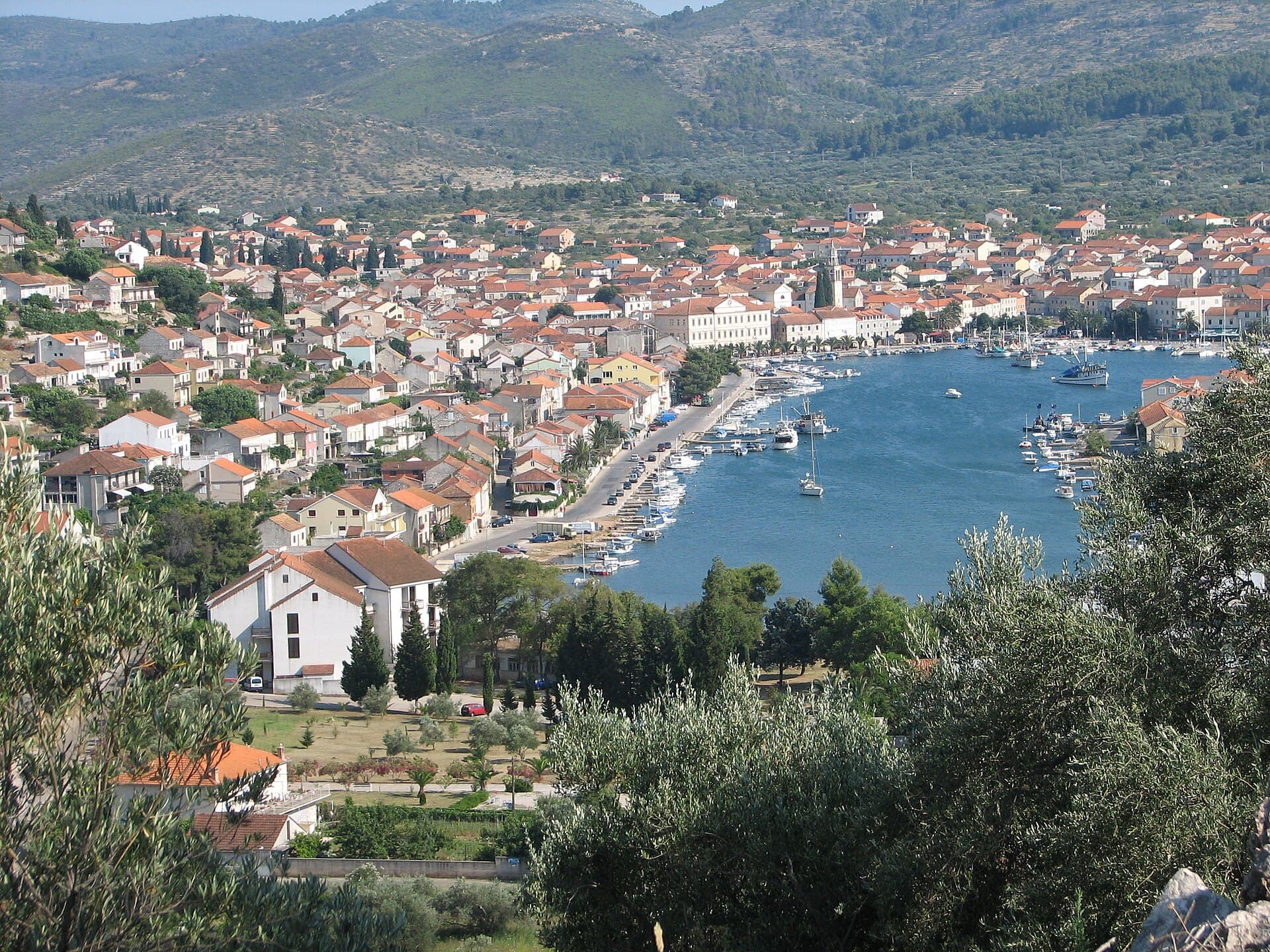
Vela Luka
Vela Luka grew at the head of a deep bay on western Korčula, where a long waterfront links the harbour, the centre around St Joseph’s Church and the former shipbuilding area. Its maritime…
Read the guide
Know Brsečine? Correct us
Tell us in your own words what is not accurate. We check right away.Do not enter personal data. Corrections are checked by the StayBravo AI assistant; changes to the description are approved by an editor. Use the form instead
Do you know Brsečine?
Help the guests who come after you.
Help us complete
Nothing is published without an editor’s review.Report illegal content
Photo credits: Brsečine — Quahadi Añtó 16:27, 17 January 2015 (UTC) (CC BY-SA 3.0) · Trsteno — Modzzak (Public domain) · Suđurađ, Ljubač, Dubrovnik, Sutvrač — August Dominus (CC BY-SA 3.0) · Trsteno Arboretum — Pudelek (Marcin Szala) (CC BY-SA 3.0) · Sveti Andrija Lighthouse, Daksa Lighthouse — Dennis G. Jarvis (CC BY-SA 2.0) · Veliki žali Beach — Bracodbk (CC BY-SA 3.0) · Apartmani Stella — Zvjezdana Bebić (courtesy of the property owner) · Apartman Cypress, Apartmani Kamena kuća — Jelena Pecar (courtesy of the property owner) · Apartman Frana DeLux - prvi red do mora, plaža 20 m — Ivan Mador (courtesy of the property owner) · Villa Sara — Sara Stanic (courtesy of the property owner) · Dubrovnik — Zysko serhii (CC BY-SA 4.0) · Orebić — Quahadi Añtó 11:23, 15 January 2011 (UTC) (CC BY 3.0) · Blato, Korčula — d.graso (CC BY 3.0) · Vela Luka — Wojtkow (CC BY-SA 4.0)