About this place
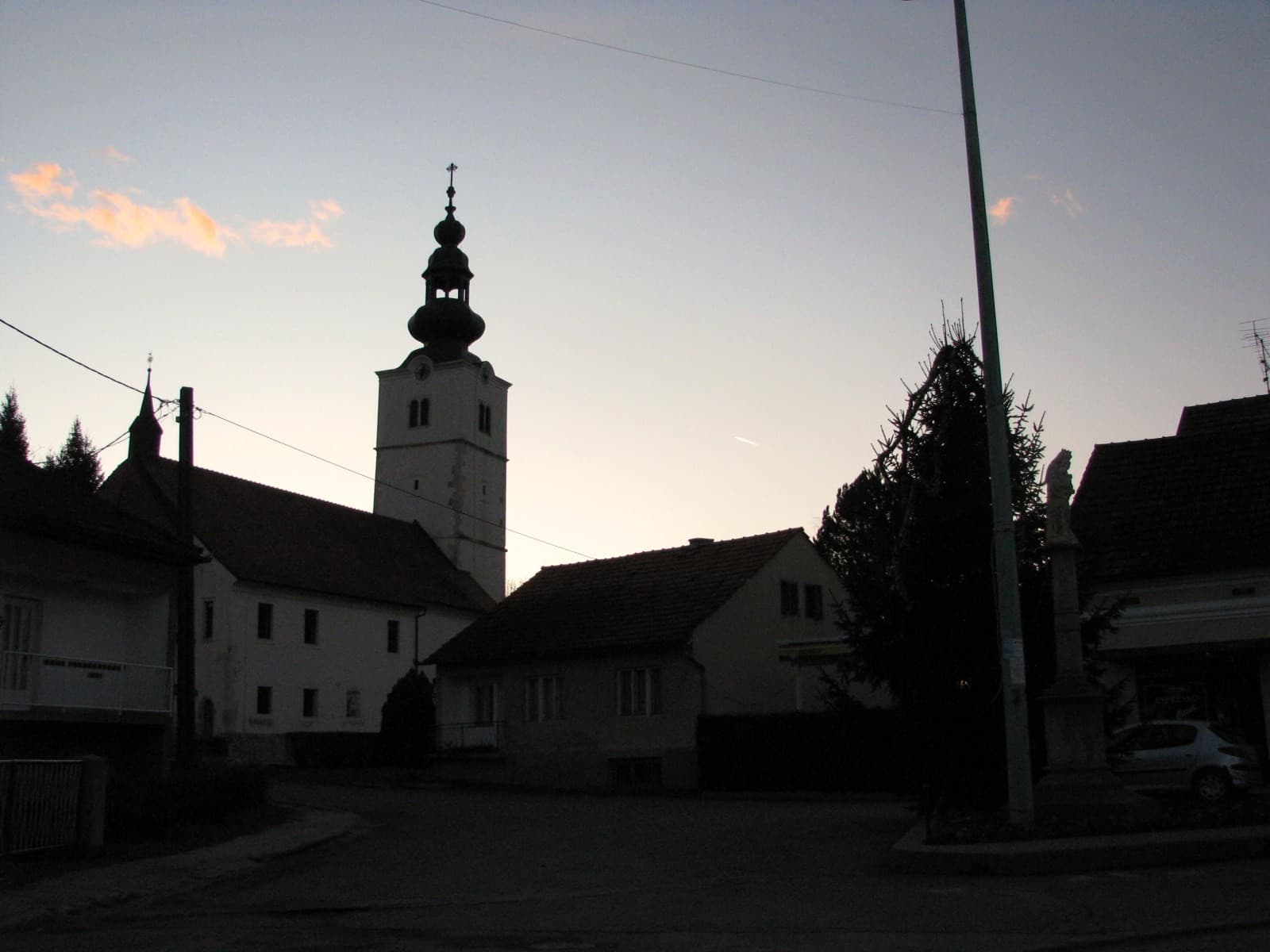
Sveti Juraj na Bregu takes its identity from the hilltop parish church of St George, the defining landmark of western Međimurje’s rolling landscape. The present Baroque church and its enclosed cinktor were built between 1733 and 1748 on a site associated with an earlier church dating to 1334. Standing at 292 metres above sea level, the complex is crowned by a 45-metre side bell tower visible across much of Međimurje. Its best-preserved feature is the complete arcaded enclosure, with cylindrical corner towers, conical roofs and an imposing stone portal; inside are frescoes, wall paintings and Baroque altars. The village of Sveti Juraj na Bregu should not be confused with nearby Lopatinec, the official municipal seat, although the church and surrounding slopes visually bind the neighbouring settlements together. Walking is the most rewarding way to read this terrain: Međimurje’s official hiking selection specifically lists the Sveti Juraj na Bregu trail, linking the area’s sacred heritage with views over the wine-growing hills.
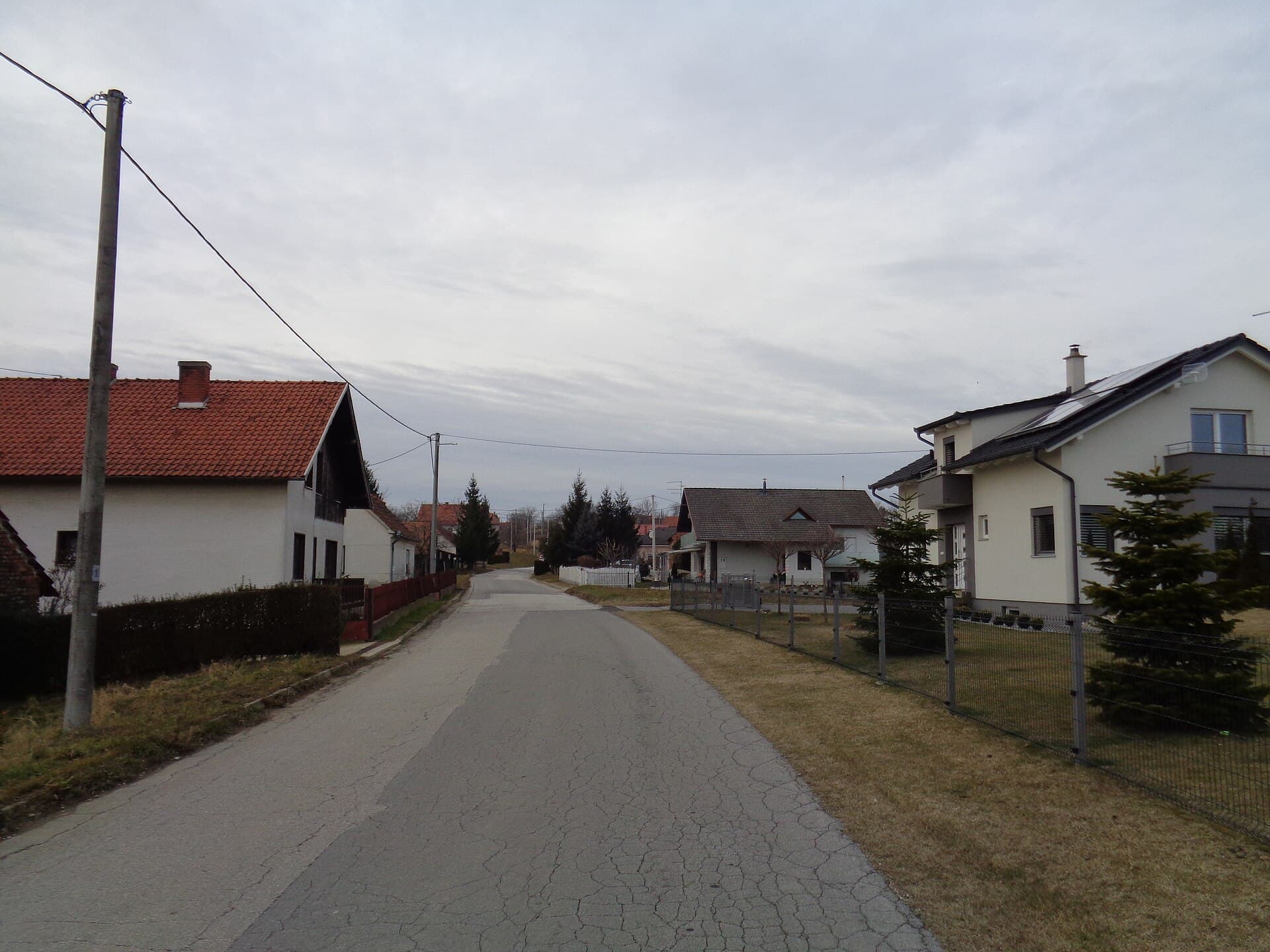
The character of Sveti Juraj na Bregu comes from its position on the eastern slopes of Mohokos and the church complex rising 292 metres above sea level. The Baroque Church of St George was built from 1733 to 1748, while records place an earlier church on the site in 1334. An arcaded cinktor completely encloses the courtyard and follows the sloping ground; cylindrical towers with conical roofs give the ensemble an almost fortified profile. The village belongs to a municipality officially administered from Lopatinec, explaining why both place names occur in addresses and descriptions of the church area.
Stays nearby
 Apartment
Apartmeni Klenovica.eu
Klenovica
Klenovica, 190 km from Sveti Juraj na Bregu
up to 4 guests · 1 bedroom
Check availability
Things to see


Beaches

Things to do
Start by walking around the Church of St George to see how the cinktor’s arcades follow the hillside and seal off the courtyard. Its stone portal leads towards a façade articulated by statue niches, while frescoes, Baroque altars and figures on the high altar define the interior. From the church complex, continue onto the marked Sveti Juraj na Bregu trail, one of the routes promoted by the regional tourist board. The climb, views towards the Međimurje plain and the ever-present 45-metre bell tower give the walk a landmark that remains unmistakably local throughout.
Practical information
Getting there and around
The municipality’s main road links Čakovec with Štrigova and the border crossing towards Razkrižje in Slovenia, so Sveti Juraj na Bregu fits most naturally into a driving itinerary through western Međimurje. A local road climbs towards the church between the surrounding settlements, with the final visit best completed on foot. Travellers arriving by rail can use Čakovec as their gateway: HŽPP’s 2026 information lists services from Čakovec towards Varaždin, Lendava, Središče and Ormož. The remaining journey from Čakovec station to Sveti Juraj na Bregu requires road transport.
Frequently asked questions
How tall is St George’s bell tower?
The side bell tower is 45 metres high, and the church complex stands at 292 metres above sea level.
Is there a marked walking route?
The Međimurje tourist board lists the Sveti Juraj na Bregu trail among its recommended walking routes.
What stands out about the enclosure around St George’s Church?
The church enclosure features arcades, cylindrical towers with conical roofs and a stone entrance portal.
How tall is the bell tower of St George’s Church?
The church’s side bell tower is 45 metres high.
Nearby

Gornji Mihaljevec
Village · Central Croatia

Related guides
Tuhelj
The population of the municipality has fallen from a peak of 3,780 in 1971 to 2,043 in 2021, and 61 people were lost in the last census decade alone. Eleven settlements, from Banska Gorica…
Read the guide

Help improve this page
Spot something missing or wrong? Suggest a correction, add your photo or report a problem. Editors review every suggestion before it is published.
Photo credits
- Sveti Juraj na Bregu, Vučetinec, Pleškovec, Sveta Jelena, Sveti Martin na Muri — Silverije · CC BY-SA 3.0 · Wikimedia Commons
- Gornji Mihaljevec, Zasadbreg, Frkanovec