Marija Bistrica
About this place
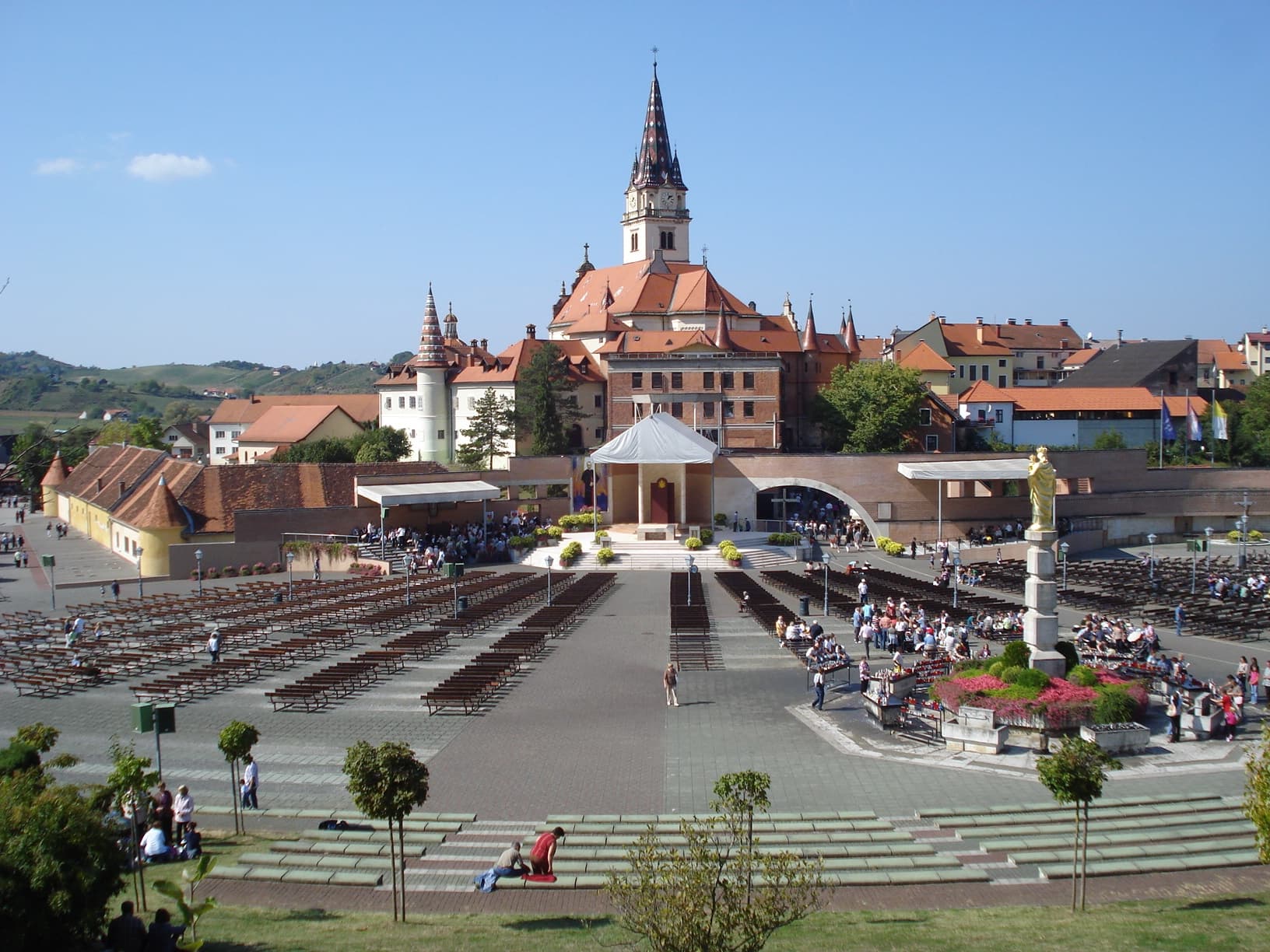
Marija Bistrica lies on Medvednica’s northern slopes, 32 kilometres north-east of Zagreb, and its daily rhythm revolves around Croatia’s National Shrine of Our Lady of Bistrica. The basilica houses a late-15th-century Gothic wooden Madonna and Child, now known as the Black Madonna; its rediscovery in 1684 accelerated the shrine’s growth as a pilgrimage centre. Hermann Bollé reconstructed the complex between 1878 and 1883, combining Gothic, Baroque and Renaissance references, and the church received the title of minor basilica in 1923. The Calvary rises behind the shrine: its first four life-size marble stations were installed in 1943, with later stations created by major Croatian sculptors. Local pilgrimage culture also survives through licitar hearts, wooden toys, medica and gvirc produced by Bistrica’s traditional honey-cake and candle makers. From Pope John Paul II Square, a short walk continues to the sculpture park on the Vinski Vrh road, about 500 metres away. Pope John Paul II’s visit on 3 October 1998, when he beatified Alojzije Stepinac, remains the defining event in the town’s modern history.
Marija Bistrica developed at an elevation of 191 metres on Medvednica’s northern side, beside the historic road linking Sesvete and Zagorje through Kašina and Laz. Bistrica was first recorded in 1209, while the present name became established as the Marian shrine expanded during the 18th century. The basilica, arcaded enclosure, Calvary and open-air church form a pilgrimage precinct far more prominent than an ordinary village square. Traditional licitar and honey-cake workshops, candle making and carved wooden toys give Marija Bistrica a distinctive craft identity beyond its religious celebrations.
Things to see
The Basilica of Our Lady of Bistrica contains a Gothic wooden Madonna and Child that was hidden in a church wall during the Ottoman threat and rediscovered in 1684. Hermann Bollé reshaped the complex from 1878 to 1883, combining Gothic, Baroque and German Renaissance elements. The first four life-size Carrara-marble stations on the Calvary were installed in 1943; later works were created by Kruno Bošnjak, Ante Orlić, Marija Ujević, Stanko Jančić, Josip Poljan and Ante Starčević. Another marked site recalls where Pope John Paul II beatified Alojzije Stepinac in 1998.

Hellenbach Castle in Marija Bistrica
Landmark · Hum Bistrički
Hellenbach Castle is a neoclassical country house of 1786, set in parkland near Marija Bistrica.
2 km from Marija Bistrica

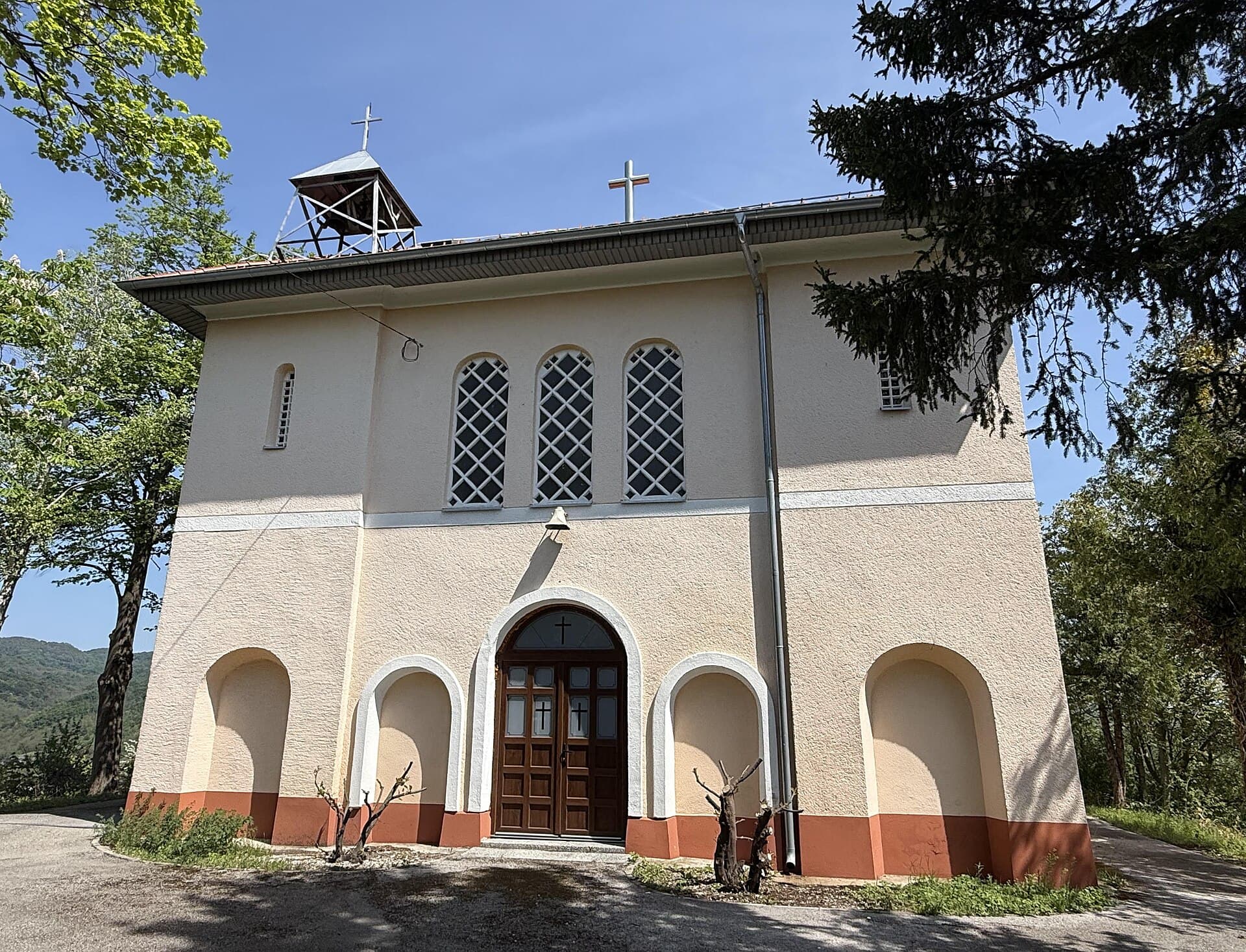
Christ the King Chapel, Zagreb (Glavnica Gornja)
Landmark · Blaguša
chapel in Zagreb, Croatia
8 km from Marija Bistrica
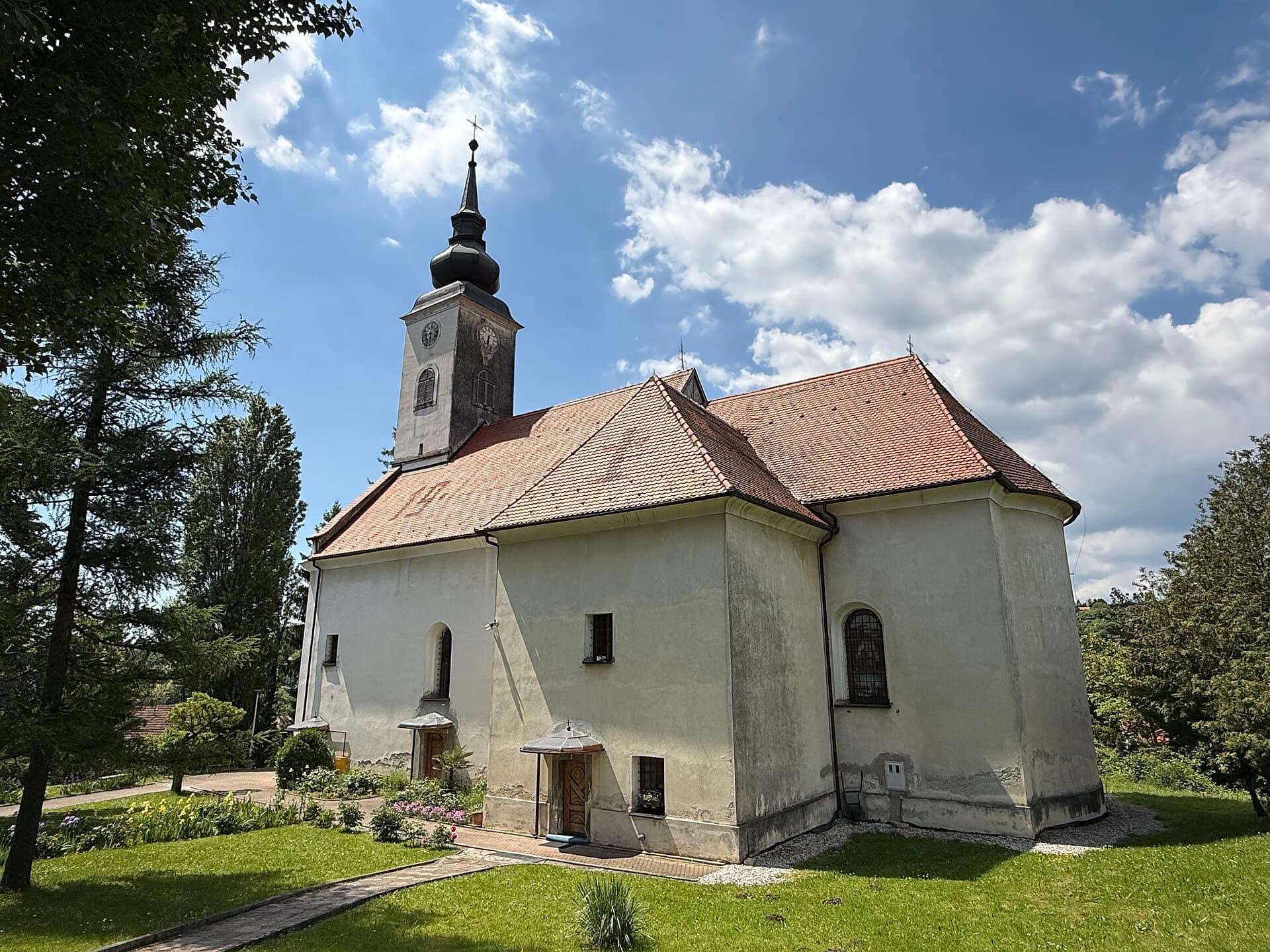
Church of the Holy Trinity in Moravče, Zagreb
Landmark · Moravče
church building in Zagreb, Croatia
8 km from Marija Bistrica
Stays nearby
- Apartment
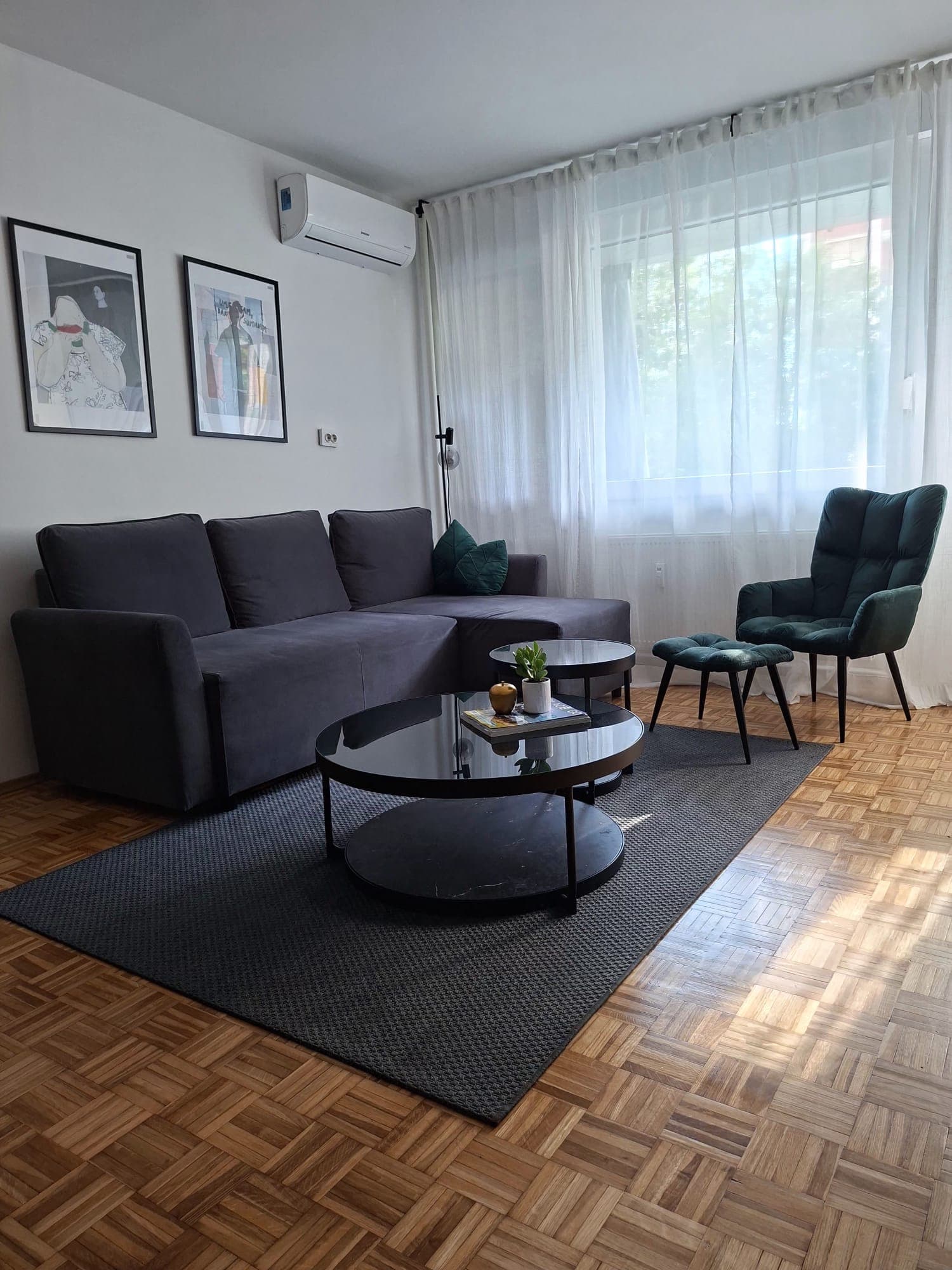 24 km from Marija Bistrica
Be the first to list here
Guests looking for this place only see stays nearby for now. No commission, and enquiries come straight to you.
List your accommodation
Things to do
Begin at the Shrine of Our Lady of Bistrica, home to the venerated Gothic Black Madonna, then take in the church façade and the forecourt on Pope John Paul II Square. Continue up the Calvary on the adjoining hill: its creation began in 1938 at Alojzije Stepinac’s initiative and was completed in 1990. Back in the centre, visit the Ethnographic Collection of Licitar Craft and look for a licitar heart or a wooden toy—two local traditions inscribed on UNESCO’s Representative List. This route joins the pilgrimage setting with the crafts that give Bistrica its distinctive character.
Food and drink
Dining in Marija Bistrica is rooted in Zagorje cooking, local wine and sweets associated with pilgrimage days. Bistricza and Academia operate within Hotel Kaj on Zagrebačka Street, presenting regional dishes in a hotel-restaurant setting. Bistro i pizzeria Bistrica is on Kralja Tomislava Street near the pilgrimage precinct, while Dobro nam došel prijatel is located on Nova cesta. Micak Winery in Hum Bistrički connects a meal with the municipality’s vineyard landscape. For flavours specific to the shrine town, seek out gvirc, medica and honey cakes from Marija Bistrica’s traditional honey-cake makers.
Tours and activities
AdAd · partner offers: Viator, GetYourGuideThe partner handles booking, payment and support. StayBravo may earn a commission on bookings made through these links.How we choose offersWe choose offers based on the page you are viewing: the partner destination for this place or the nearest one (with its distance), and on a sight page only offers that mention it. We show offers rated at least 4.3 with at least 10 reviews, without multi-day tours or pure transfers, ordered by rating adjusted for the number of reviews and then by the partner’s order. We do not use data about you, and the commission does not affect the order.GetYourGuide offers are selected and ordered by GetYourGuide based on the name of the nearest larger town or national park; we do not influence their selection and do not use data about you.Viator
Nearest destination: Zagreb (23 km)
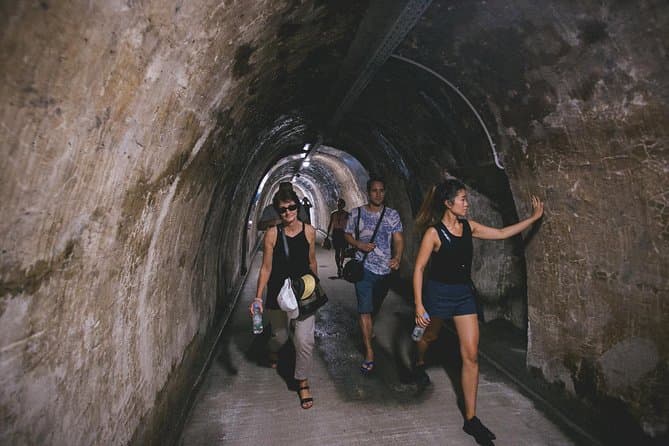
Communism & Croatian Homeland War Tour (opens in a new tab)
Explore the turbulent 20th century in Croatia in a entertaining way combining historical facts and personal experiences. You will find out more about Croatia’s relations with neighbouring countries…
Rated 5 out of 5 · 1,561 reviews· 2 h
Free cancellation
from €39
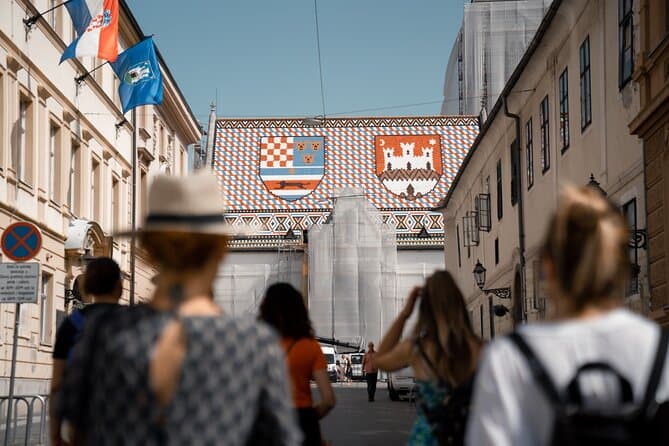
Zagreb Highlights: Old Town, WWII tunnels, Funicular & Tastings (opens in a new tab)
Zagreb Highlights keeps groups small, up to 16 people, so you get a genuinely personal experience with your licensed local guide. In 2 hours, you'll cover the city's must-see landmarks, descend into…
Rated 5 out of 5 · 1,227 reviews· 2 h
Free cancellation
from €20
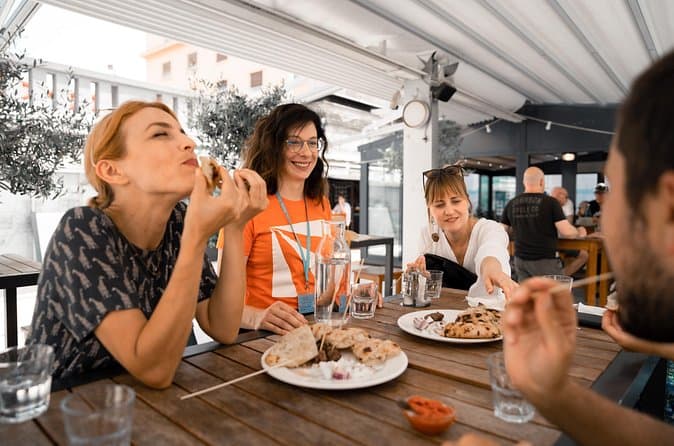
Zagreb Food Tour: Local Dishes & City Stories (opens in a new tab)
Join a small-group food tour of Zagreb, and spend 3 hours tasting authentic local dishes at some of the city's best food spots. From savoury street food to traditional pastries and local liquor…
Rated 5 out of 5 · 296 reviews· 3 h
Free cancellation
from €79
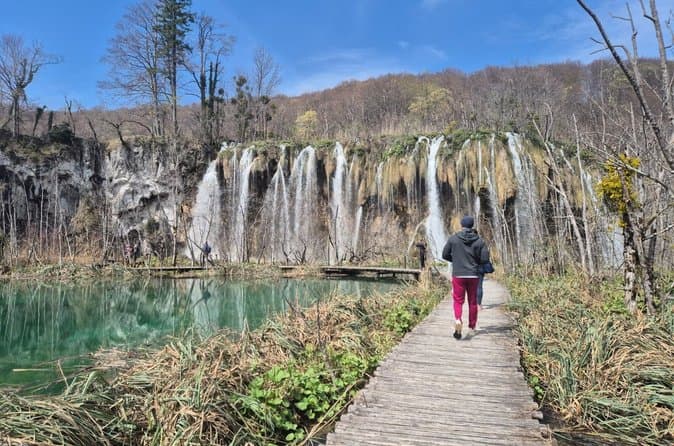
Plitvice Lakes Guided Day Tour from Zagreb (opens in a new tab)
Explore the beautiful Plitvice Lakes National Park on this day tour from Zagreb. Located at the top of Croatia’s Adriatic region, in the Dinaric Alps, this UNESCO-listed site is one of the must-see…
Rated 4.9 out of 5 · 526 reviews· 11 h
Free cancellation
from €65
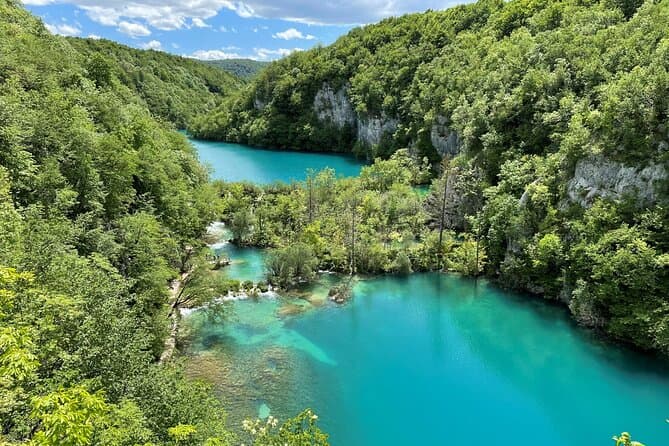
Plitvice Lakes with Ticket & Rastoke Guided Tour from Zagreb (opens in a new tab)
Escape the city and immerse yourself in Croatia’s most stunning natural wonder—Plitvice Lakes National Park, a UNESCO World Heritage site. This full-day guided tour from Zagreb includes entry…
Rated 4.9 out of 5 · 1,045 reviews· 10 h
Free cancellation
from €75
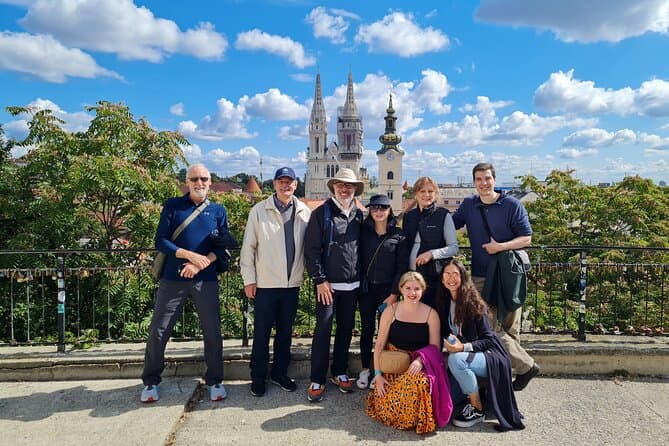
Walking tour of Zagreb (opens in a new tab)
Get your walking shoes on and take a stroll with us as we show you the highlights of our wonderful city. We have the local insights and handy tips to leave you wanting to explore some more. We will…
Rated 4.9 out of 5 · 513 reviews· 2–3 h
Free cancellation
from €20
GetYourGuide · Zagreb
We show GetYourGuide offers once you allow their cookies.
Practical information
Practical information
In 2026, the Marija Bistrica Tourist Board is temporarily based inside the municipal building at Trg pape Ivana Pavla II 34 and lists 099 707 3308 as its contact number. The basilica is an active shrine, so sightseeing must accommodate Masses, confessions, processions and major pilgrimages. Public toilets are available below the church, behind Hotel Kaj and beside the open-air church. Firm footwear is useful on the Calvary, while the longer route linking roadside crosses and chapels includes woodland, unpaved tracks and asphalt.
Getting there and around
Marija Bistrica is 32 kilometres north-east of Zagreb and six kilometres south-east of Zlatar Bistrica. The traditional road approach from Zagreb runs through Sesvete, Kašina and Laz on Medvednica’s northern side. Krapina-Zagorje County’s bus system lists Hanžeks, based in nearby Selnica, among local operators, but departures should be checked for the intended travel date. Zlatar Bistrica provides a more useful rail connection than the shrine settlement itself, so a train journey normally requires a final road transfer. A car or organised pilgrimage coach is more practical for reaching Vinski Vrh and the outlying chapels.
Frequently asked questions
How far is Marija Bistrica from Zagreb?
The Croatian Encyclopaedia places Marija Bistrica 32 kilometres north-east of Zagreb.
When did the church become a basilica?
Pope Pius XI granted it the title of minor basilica in 1923.
How far is the sculpture park from the square?
The sculpture park is about 500 metres from the main square, beside the tourist road towards Vinski Vrh.
What is Bistrica gvirc?
Gvirc is an aromatic honey-based drink associated with the town’s traditional honey-cake and candle-making craft.
When was the statue of Our Lady of Bistrica found?
The statue was found for the second time on 15 July 1684, after which Marija Bistrica developed as a pilgrimage destination.
When was Bistrica’s Calvary completed?
Work began in 1938 and the Calvary was completed in 1990.
What can visitors see in the licitar craft collection?
The collection presents the licitar craft for which Marija Bistrica is especially known.
Which Bistrica traditions are on UNESCO’s list?
Licitar craft and traditional wooden children’s toys are included on UNESCO’s Representative List.
Nearby
Marija Bistrica
Open in OpenStreetMap(opens in a new tab)Smaller places
straight-line distance
Related guides

Osijek
Tvrđa and the centre around the main square are distinct starting points for understanding Osijek. The former emphasises the fortified historic quarter and Baroque architecture; the latter…
Read the guide

Vukovar
A cultural visit to Vukovar has several separate centres of gravity. Eltz Palace and the City Museum address the city and its inhabitants across different periods. Vučedol reaches much…
Read the guide

Stubičke Toplice
Stubičke Toplice derives almost its entire identity from thermal water and the Zagorje landscape. There is no large urban historic core; green spaces, bathing facilities and traces of the…
Read the guide
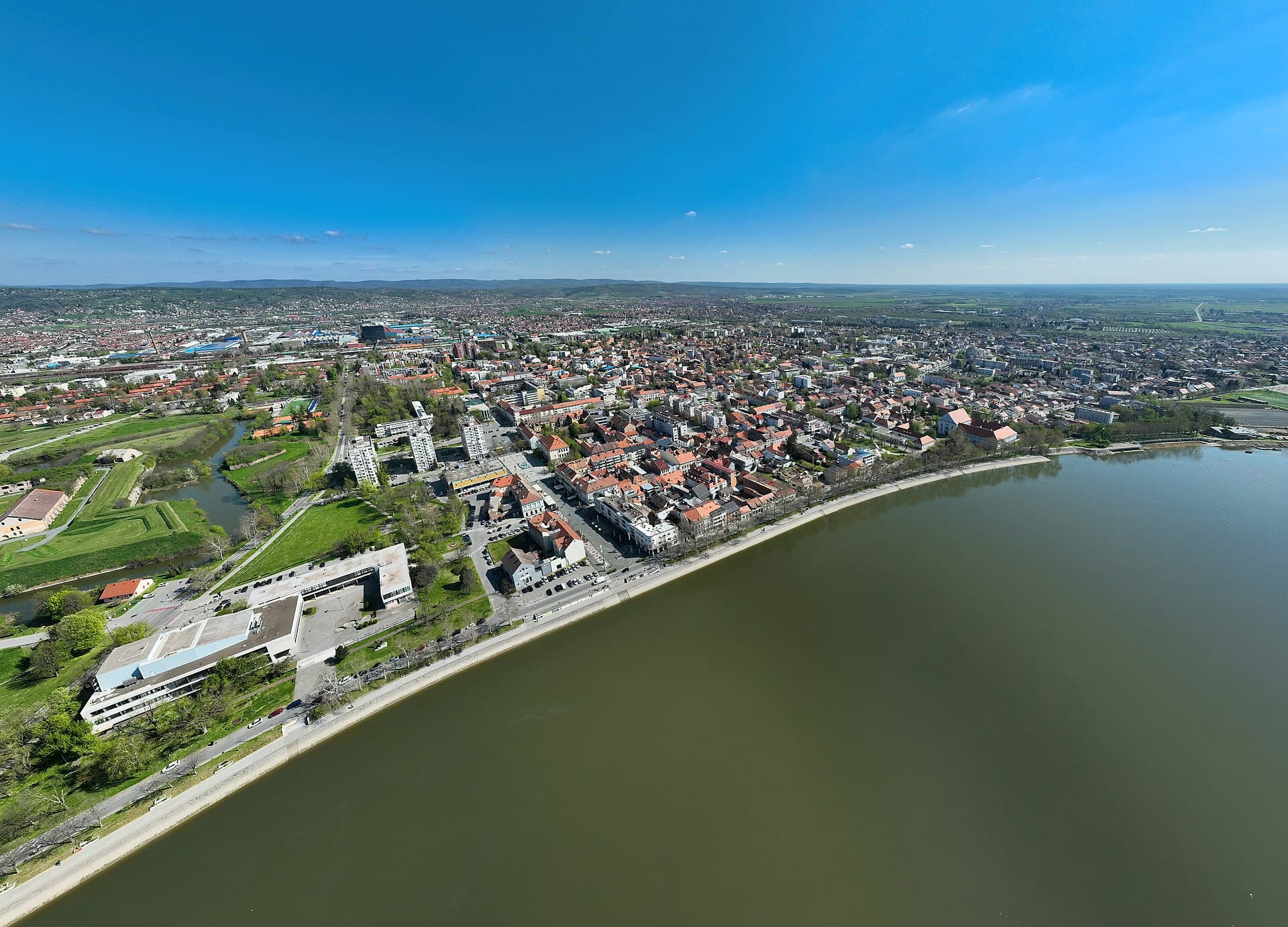
Slavonski Brod
Slavonski Brod developed around one of the major crossings of the Sava, and that border and transport role left a strong mark on the city. Brod Fortress represents the eighteenth-century…
Read the guide
Know Marija Bistrica? Correct us
Tell us in your own words what is not accurate. We check right away.Do not enter personal data. Corrections are checked by the StayBravo AI assistant; changes to the description are approved by an editor. Use the form instead
Do you know Marija Bistrica?
Help the guests who come after you.
Help us complete
Nothing is published without an editor’s review.Report illegal content
Photo credits: Marija Bistrica, Hellenbach Castle in Marija Bistrica, Museum of Peasant Revolts — Silverije (CC BY-SA 3.0) · Tugonica — Andres rus (CC BY-SA 3.0) · Šagudovec — Šagudovec (CC BY 3.0) · Laz Bistrički — Slavko Stepanić (CC BY-SA 3.0) · Christ the King Chapel, Zagreb (Glavnica Gornja) — Baltabar (CC0) · Church of the Holy Trinity in Moravče, Zagreb — Baltabar (CC BY 4.0) · Book Me Apartman — Natalija Kirša (courtesy of the property owner) · Osijek — Rp031 (CC BY-SA 4.0) · Vukovar — Bybbisch94, Christian Gebhardt (CC BY-SA 4.0) · Stubičke Toplice — MOs810 (CC BY-SA 4.0) · Slavonski Brod — Petar Milošević (CC BY-SA 4.0)