
Lug, Bilje
About this place
Lug is a Baranja village in the Municipality of Bilje, seven kilometres north of Bilje and on the edge of Kopački rit Nature Park. Before the Danube shifted away from the village in the 17th century, fishing and river trade shaped local life. Today, ground paprika is Lug’s defining product and the focus of Paprikafest. At its 17th edition in 2026, central Lug hosted more than 60 stalls, with paprika producers occupying half of them. Expert panels judge both sweet and hot varieties, linking a farm product with Baranja cooking. Hungarian music is part of the programme, reflecting the village’s strong Hungarian cultural presence. Lug also works as a starting point for Kopački rit, yet its local signature differs from fishing-oriented Kopačevo: paprika is the key marker here. Streets named Novi red, Ritska and Crkvena reveal the village’s lowland layout. A visit is best paired with local paprika tasting and an exploration of the wetlands along the settlement’s edge.
Lug stands apart within the Municipality of Bilje through its position beside Kopački rit and its history beside a former Danube course. The municipal inventory places the village seven kilometres north of Bilje and records that the Danube ran by it until the 17th century, explaining Lug’s older links with fishing and river trade. Today the village is best known for paprika: Paprikafest brings producers of ground sweet and hot seasoning paprika to its centre. Crkvena Street, Ritska Street and Novi red form part of its municipally recorded street network, and their names retain links to the church, the wetlands and the lowland line of houses.
Things to see

Esterhazy castle in Darda
Landmark · Darda
Esterházy Castle in Darda is a three-winged Baroque and Neoclassical residence by Lake Đola, shaped during the 18th and early 19th centuries.
8 km from Lug, Bilje
 Nature park
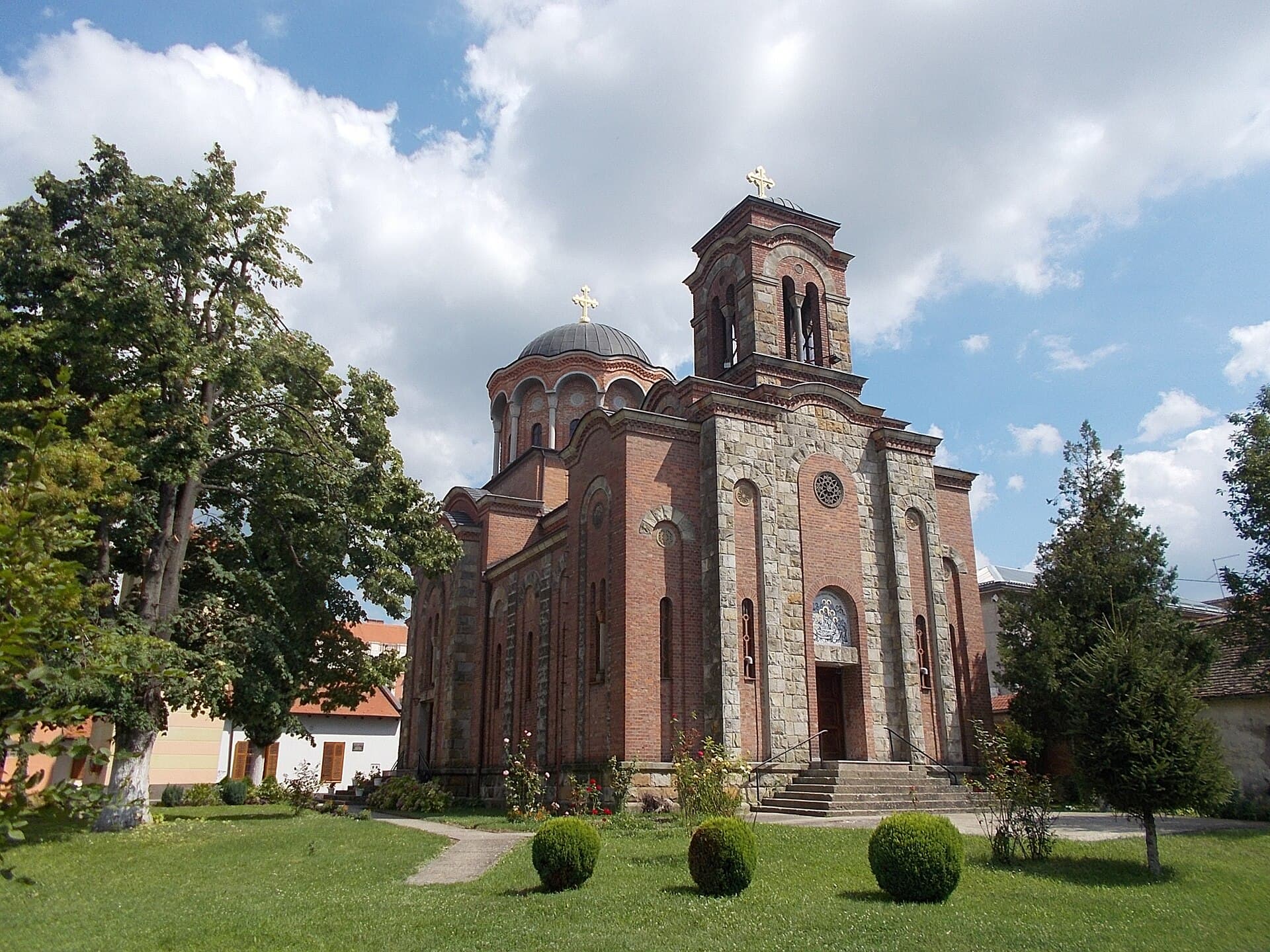
Church of the Dormition of the Mother of God
Landmark · Podravlje, Osijek
church in Osijek, Croatia
12 km from Lug, Bilje

St. Roch Chapel in Donji Grad (Osijek)
Landmark · Podravlje, Osijek
chapel in Osijek, Croatia
12 km from Lug, Bilje
Stays
No stays listed here yet
Things to do
In Lug, a visit is best built around paprika: during Paprikafest 2026, more than 60 stalls turned the village centre into a meeting place for producers, cooks and visitors. The event judges ground sweet and hot paprika, while the Baranja Cup features a fish-paprika stew competition. From the centre, follow Ritska Street towards the edge of Kopački rit, as Lug is one of the gateways to the nature park. Return via Crkvena Street for a simple cross-section of the village network recorded in municipal documents. This sequence connects the product for which Lug is known with the wetland landscape beginning beside the settlement.
Tours and activities
AdAd · partner offers: GetYourGuideThe partner handles booking, payment and support. StayBravo may earn a commission on bookings made through these links.How we choose offersGetYourGuide offers are selected and ordered by GetYourGuide based on the name of the nearest larger town or national park; we do not influence their selection and do not use data about you.GetYourGuide · Osijek
We show GetYourGuide offers once you allow their cookies.
Practical information
Getting there and around
Lug developed beside one of the Municipality of Bilje’s principal transport corridors, making a car the practical way to combine the village with Bilje, Kopačevo and Tikveš. The regional tourist board lists Lug among Bilje municipality’s eight settlements and places the municipal area about five kilometres from Osijek; that figure refers to the edge of the municipality rather than to Lug itself. Travellers attempting a public-transport combination can first reach Bilje: a timetable published on 4 September 2026 showed hourly departures between Bilje and Osijek’s Gajev trg from 05:05 until 23:05 on weekdays and Saturdays. As that published schedule does not establish a through service to Lug, the final section should be arranged separately and the current local connection checked before departure. This makes advance planning particularly important for a same-day visit to Lug and Tikveš.
Frequently asked questions
What is Lug best known for?
Lug is known for growing and milling red spice paprika, celebrated locally at Paprikafest.
What is judged at Paprikafest?
Paprikafest judges ground sweet and hot seasoning paprika.
How far is Lug from Bilje?
Lug is seven kilometres north of Bilje.
Which street leads towards the wetlands?
Ritska Street in Lug takes its name from the wetlands and forms part of the village’s officially recorded network.
Nearby
Lug, Bilje
Open in OpenStreetMap(opens in a new tab)Smaller places
straight-line distance
Related guides

Osijek
Tvrđa and the centre around the main square are distinct starting points for understanding Osijek. The former emphasises the fortified historic quarter and Baroque architecture; the latter…
Read the guide

Vukovar
A cultural visit to Vukovar has several separate centres of gravity. Eltz Palace and the City Museum address the city and its inhabitants across different periods. Vučedol reaches much…
Read the guide

Stubičke Toplice
Stubičke Toplice derives almost its entire identity from thermal water and the Zagorje landscape. There is no large urban historic core; green spaces, bathing facilities and traces of the…
Read the guide
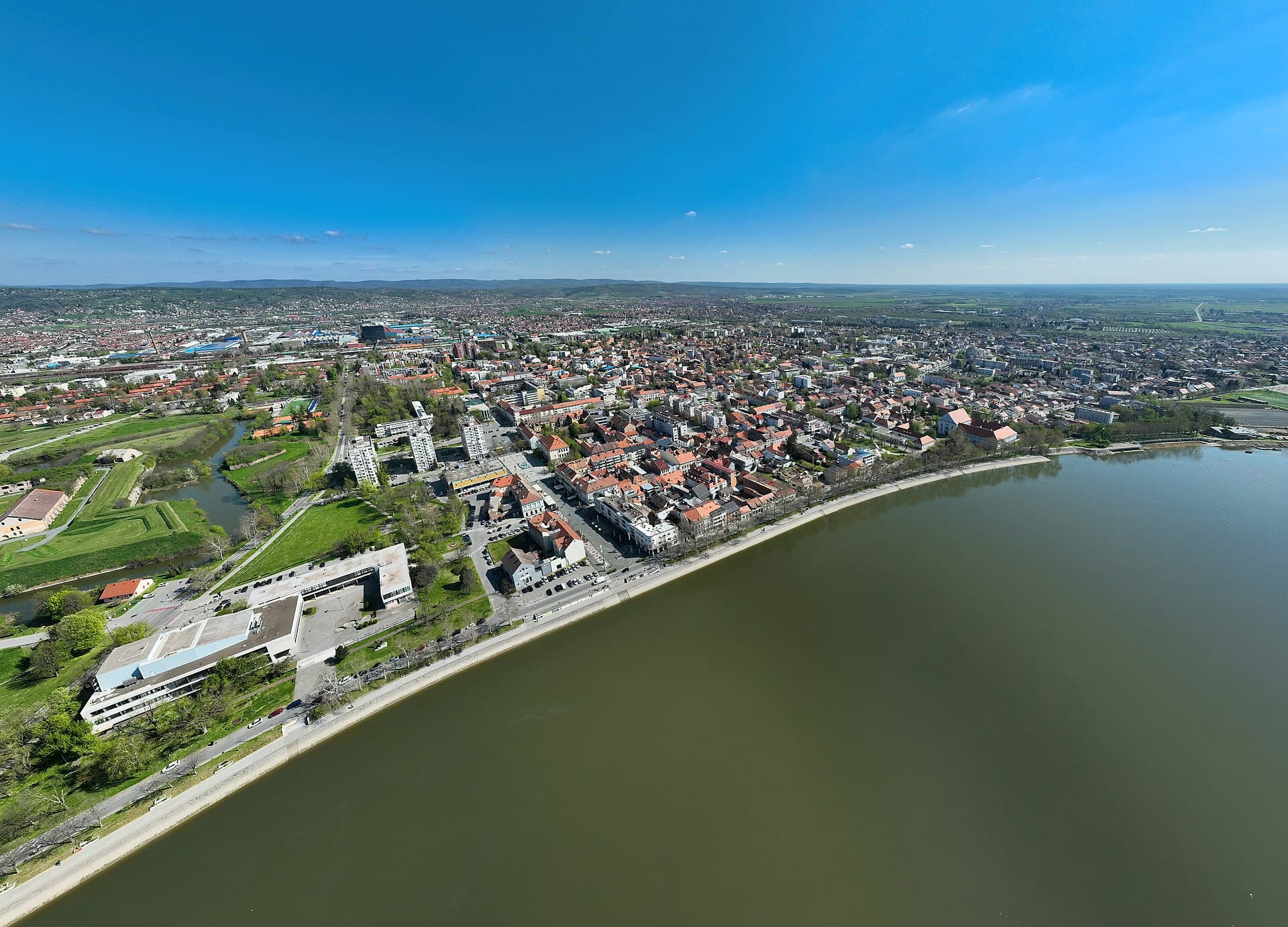
Slavonski Brod
Slavonski Brod developed around one of the major crossings of the Sava, and that border and transport role left a strong mark on the city. Brod Fortress represents the eighteenth-century…
Read the guide
Know Lug, Bilje? Correct us
Tell us in your own words what is not accurate. We check right away.Do not enter personal data. Corrections are checked by the StayBravo AI assistant; changes to the description are approved by an editor. Use the form instead
Do you know Lug, Bilje?
Help the guests who come after you.
Help us complete
Nothing is published without an editor’s review.Report illegal content
Photo credits: Lug, Bilje — Donatus Darko Tepert (CC BY-SA 3.0) · Grabovac, Čeminac — IvanOS (CC BY-SA 3.0) · Vardarac — Tórizs (CC BY-SA 3.0) · Bilje — rom@nski photo (CC BY 2.0) · Kopačevo — Szajci (CC BY-SA 4.0) · Darda — Biljanabekic (CC BY-SA 2.5) · Kopački Rit Nature Park — Misalalic (CC BY-SA 4.0) · Church of the Dormition of the Mother of God — Plamen (CC BY-SA 4.0) · St. Roch Chapel in Donji Grad (Osijek) — Zeljkaz80 (CC BY-SA 4.0) · Osijek — Rp031 (CC BY-SA 4.0) · Vukovar — Bybbisch94, Christian Gebhardt (CC BY-SA 4.0) · Stubičke Toplice — MOs810 (CC BY-SA 4.0) · Slavonski Brod — Petar Milošević (CC BY-SA 4.0)