
Lekenik
About this place
Lekenik is a Turopolje settlement and municipal centre, positioned at 101 metres above sea level beside the Zagreb–Sisak road and railway. It lies about 20 kilometres north-west of Sisak, where the Turopolje plain meets the approaches to the Vukomeričke gorice, a setting long associated with forestry, farming and transport. The place name appears in a 1217 charter issued by King Andrew concerning the nearby Dužica estate; medieval documents record variants including Lihcinnihc, Lekanucz and Lakynyk. Modern Lekenik was formed in 1953 by merging Erded Lekenik with Turopoljski Lekenik. SOS Children’s Village Lekenik, founded in 1992 as the first institution of its kind in Croatia, is central to the town’s contemporary identity. Thirteen traditional residential buildings have been recorded within Lekenik itself, allowing visitors to spot characteristic Turopolje timber architecture without leaving the settlement. The railway provides direct access from Zagreb and Sisak, while nearby Letovanić adds the Škofač Ethnographic Collection, whose more than 2,000 objects fill three traditional wooden čardak houses.
Lekenik’s character is closely tied to transport: both the Zagreb–Sisak railway and the Velika Gorica–Sisak road pass through the settlement, with Sisak 20 kilometres to the south-east. Historic Lekenik is first documented in 1217, but the present settlement dates from the 1953 merger of Erded Lekenik and Turopoljski Lekenik. Surrounding woodland and the timber trade stimulated its growth, once supporting both a forest road and a narrow industrial railway. Traditional Turopolje houses, raised čardak homes and farm buildings remain part of the local landscape; a conservation survey recorded thirteen traditional residential buildings in Lekenik. The community’s modern identity is particularly associated with SOS Children’s Village, opened here in 1992.
Things to see
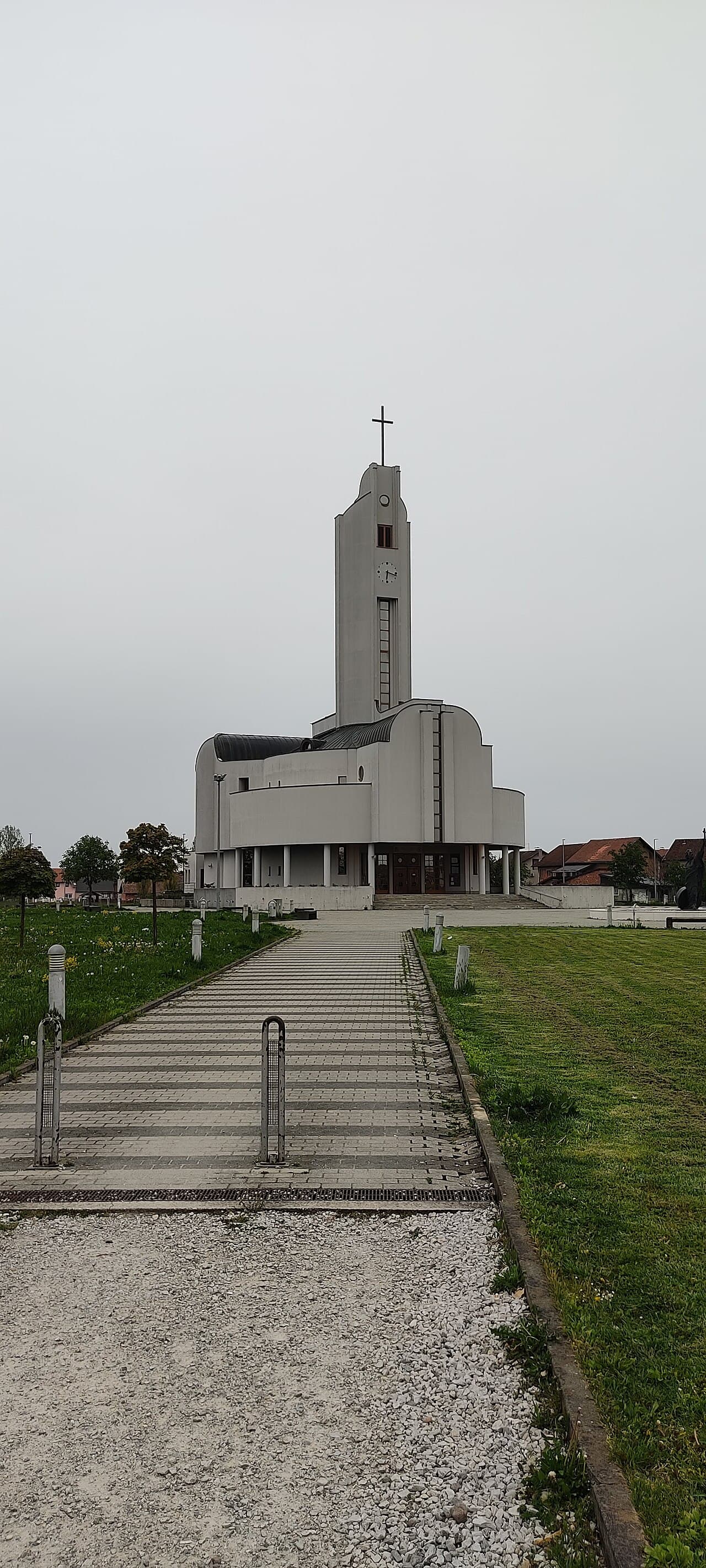


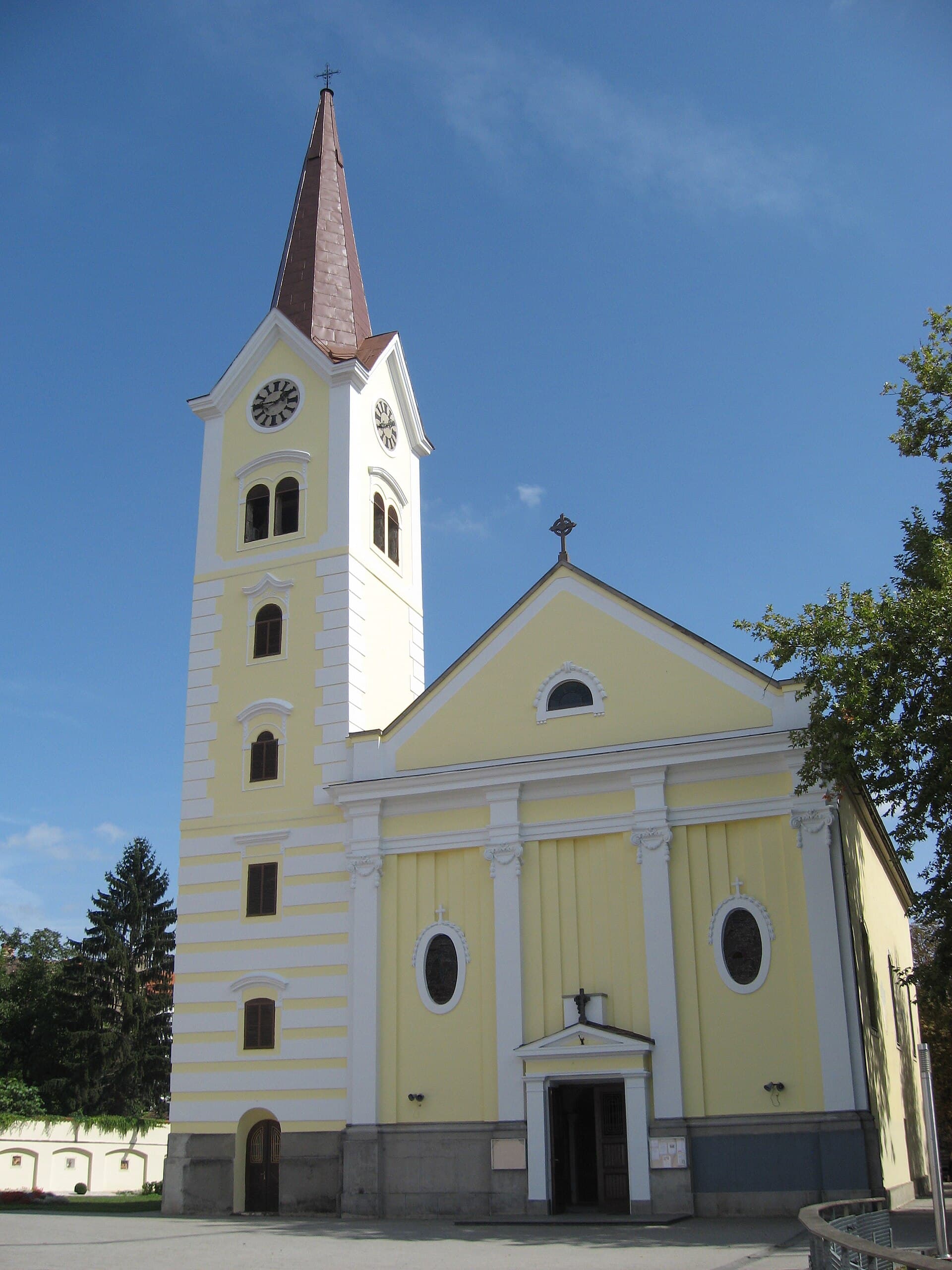
Stays further afield
- Apartment
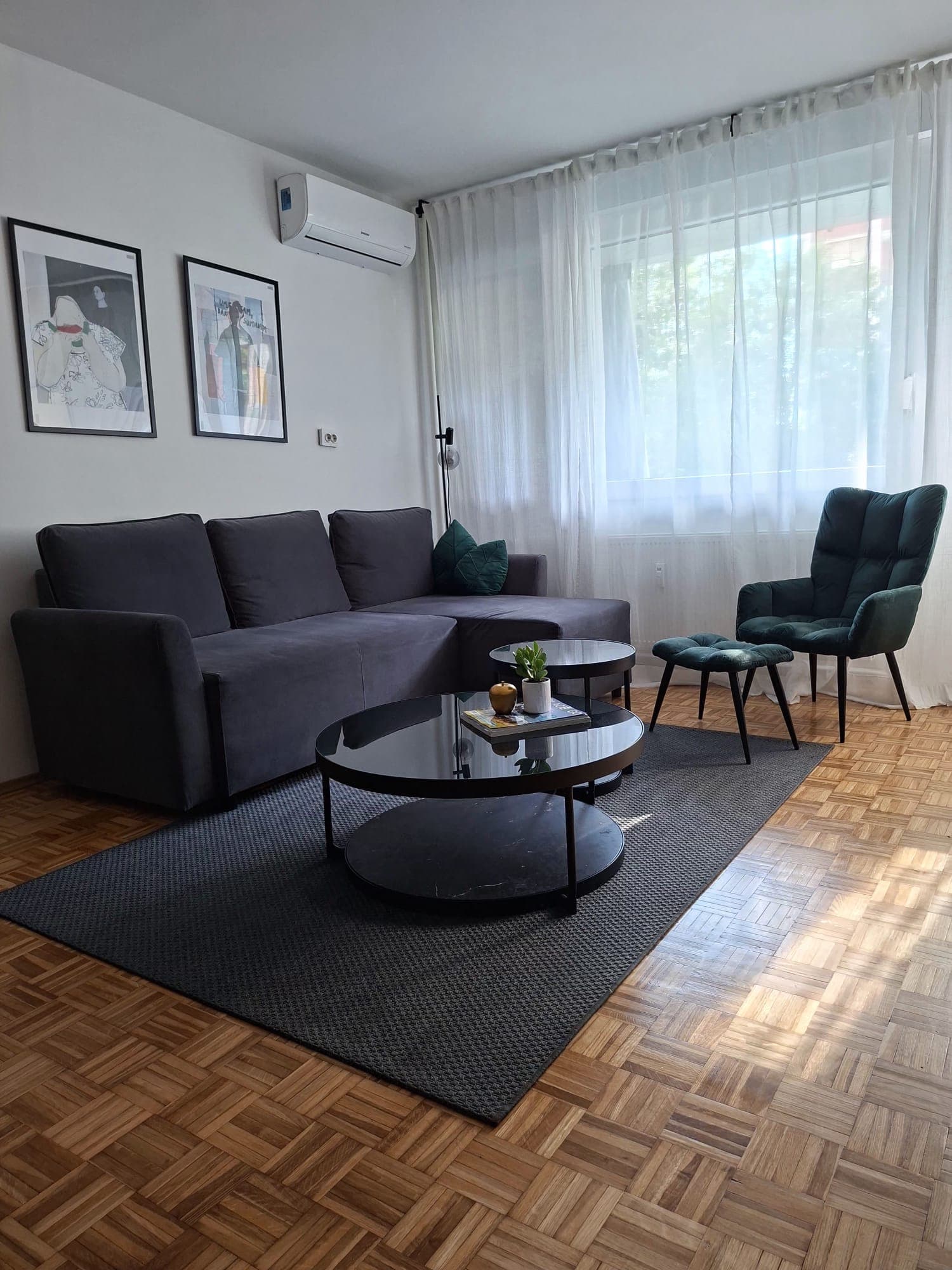 32 km from Lekenik
- Holiday home
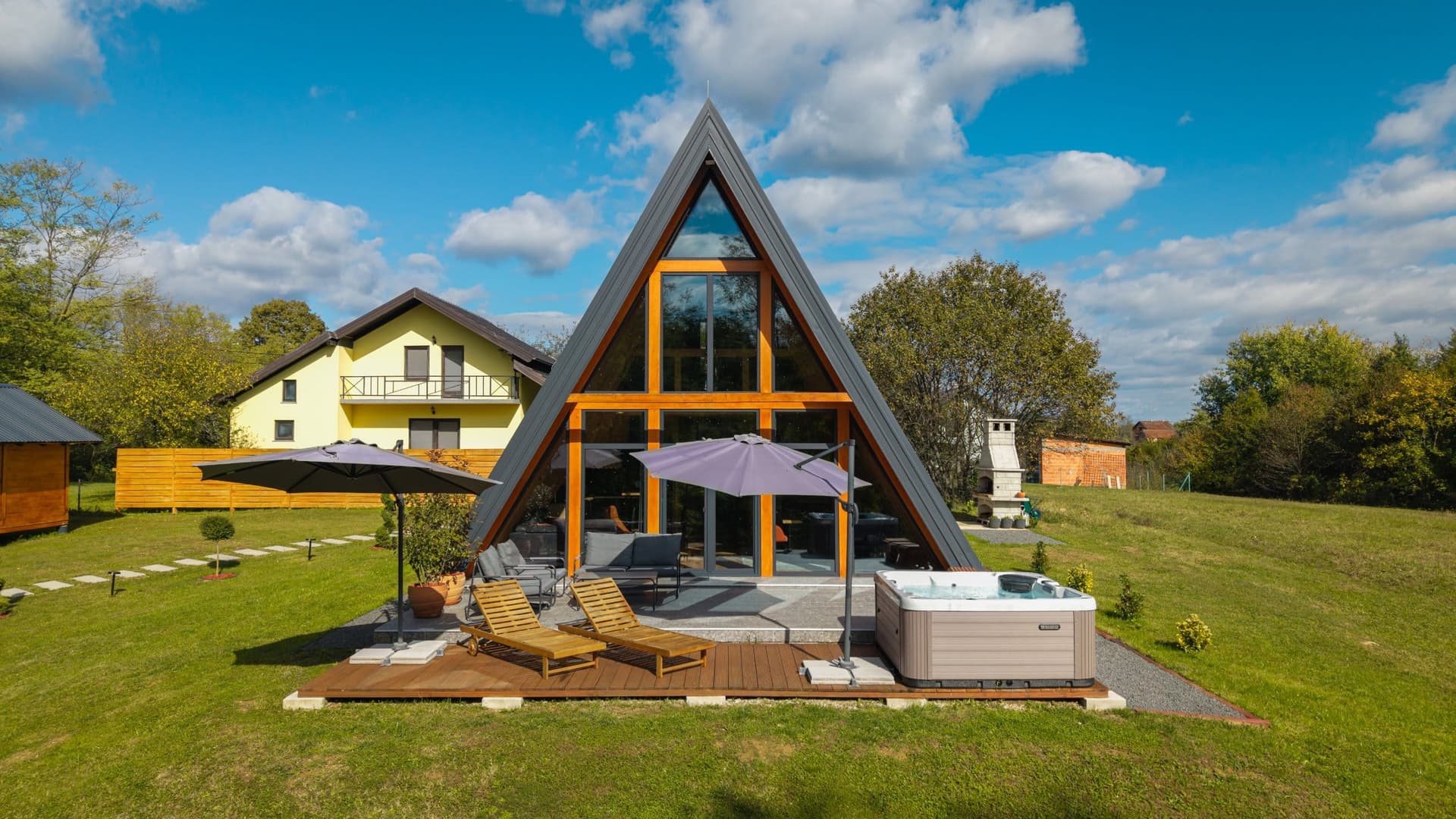 37 km from Lekenik
Be the first to list here
Guests looking for this place only see stays nearby for now. No commission, and enquiries come straight to you.
List your accommodation
Things to do
Start in Lekenik by looking for surviving wooden houses built in the Turopolje tradition, including single-storey hiže and raised čardak homes with porches. Link the walk with the old school building, constructed in 1895 and opened at the beginning of 1896 following the intervention of cultural administrator Izidor Kršnjavi. Treat the 1992 SOS Children’s Village as an important local institution rather than a conventional visitor attraction. For a fuller half-day outing, continue to Letovanić beside the Kupa, where the Škofač Ethnographic Collection holds more than 2,000 objects in three wooden čardak houses. One building recreates a household from roughly a century ago, and a visit should be arranged directly with the collection’s host.
Tours and activities
AdAd · partner offers: Viator, GetYourGuideThe partner handles booking, payment and support. StayBravo may earn a commission on bookings made through these links.How we choose offersWe choose offers based on the page you are viewing: the partner destination for this place or the nearest one (with its distance), and on a sight page only offers that mention it. We show offers rated at least 4.3 with at least 10 reviews, without multi-day tours or pure transfers, ordered by rating adjusted for the number of reviews and then by the partner’s order. We do not use data about you, and the commission does not affect the order.GetYourGuide offers are selected and ordered by GetYourGuide based on the name of the nearest larger town or national park; we do not influence their selection and do not use data about you.GetYourGuide · Sisak
We show GetYourGuide offers once you allow their cookies.
Viator
Nearest destination: Zagreb (32 km)
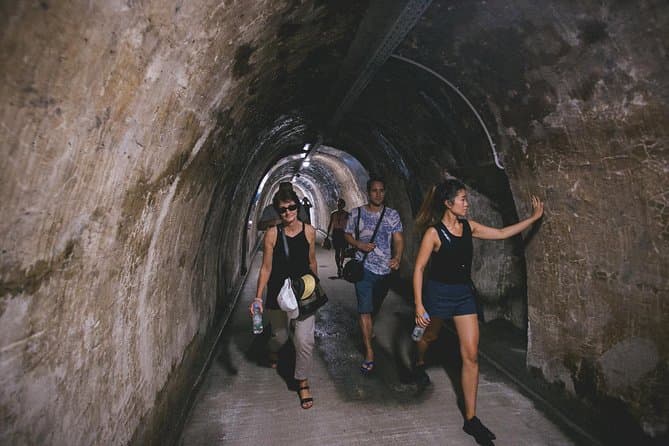
Communism & Croatian Homeland War Tour (opens in a new tab)
Explore the turbulent 20th century in Croatia in a entertaining way combining historical facts and personal experiences. You will find out more about Croatia’s relations with neighbouring countries…
Rated 5 out of 5 · 1,561 reviews· 2 h
Free cancellation
from €39
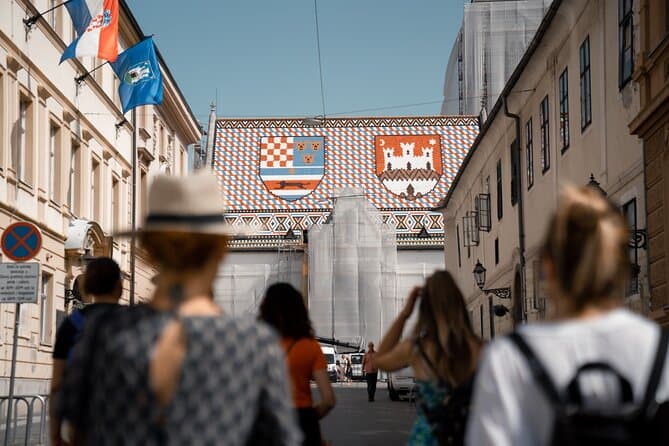
Zagreb Highlights: Old Town, WWII tunnels, Funicular & Tastings (opens in a new tab)
Zagreb Highlights keeps groups small, up to 16 people, so you get a genuinely personal experience with your licensed local guide. In 2 hours, you'll cover the city's must-see landmarks, descend into…
Rated 5 out of 5 · 1,227 reviews· 2 h
Free cancellation
from €20
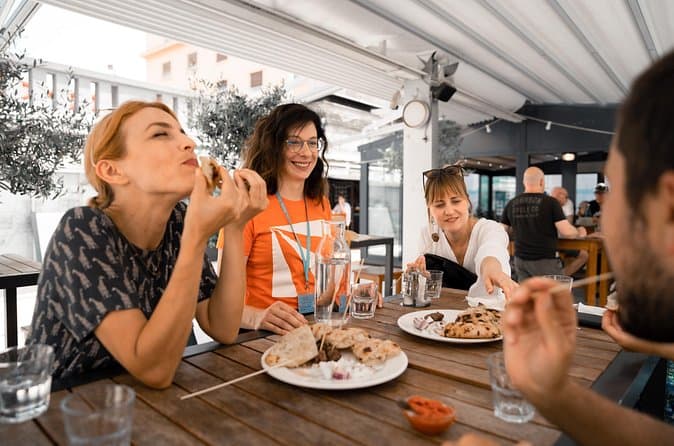
Zagreb Food Tour: Local Dishes & City Stories (opens in a new tab)
Join a small-group food tour of Zagreb, and spend 3 hours tasting authentic local dishes at some of the city's best food spots. From savoury street food to traditional pastries and local liquor…
Rated 5 out of 5 · 296 reviews· 3 h
Free cancellation
from €79
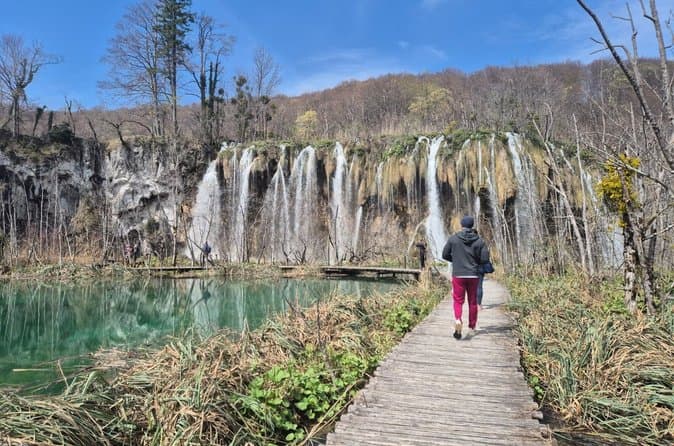
Plitvice Lakes Guided Day Tour from Zagreb (opens in a new tab)
Explore the beautiful Plitvice Lakes National Park on this day tour from Zagreb. Located at the top of Croatia’s Adriatic region, in the Dinaric Alps, this UNESCO-listed site is one of the must-see…
Rated 4.9 out of 5 · 526 reviews· 11 h
Free cancellation
from €65
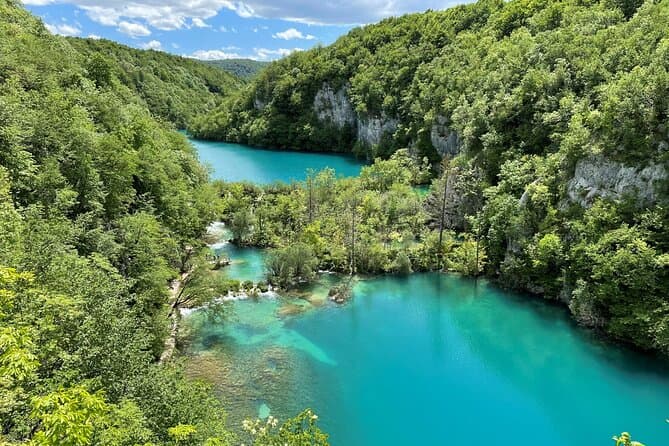
Plitvice Lakes with Ticket & Rastoke Guided Tour from Zagreb (opens in a new tab)
Escape the city and immerse yourself in Croatia’s most stunning natural wonder—Plitvice Lakes National Park, a UNESCO World Heritage site. This full-day guided tour from Zagreb includes entry…
Rated 4.9 out of 5 · 1,045 reviews· 10 h
Free cancellation
from €75
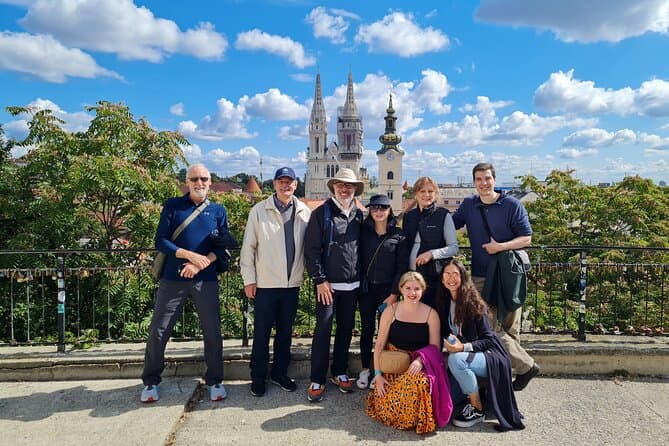
Walking tour of Zagreb (opens in a new tab)
Get your walking shoes on and take a stroll with us as we show you the highlights of our wonderful city. We have the local insights and handy tips to leave you wanting to explore some more. We will…
Rated 4.9 out of 5 · 513 reviews· 2–3 h
Free cancellation
from €20
Practical information
Getting there and around
Lekenik has its own station on the Zagreb–Sisak railway, making the train the most direct public transport option. HŽPP’s timetable covering 13 April to 12 December 2026 lists numerous daily calls; one example leaves Zagreb Central Station at 09:03, reaches Lekenik at 09:37 and arrives in Sisak at 09:54. The 2025/2026 national timetable remains valid until 12 December 2026, with further amendments taking effect on 5 October 2026. By road, Lekenik is approached along the Velika Gorica–Sisak corridor. Its position 20 kilometres north-west of Sisak makes onward travel practical in either direction, with the railway and main road running through the same broad transport axis.
Frequently asked questions
When was Lekenik first recorded?
Lekenik was recorded in 1217 in King Andrew’s charter confirming the Zagreb Chapter’s ownership of the Dužica estate.
Does Lekenik have a railway station?
Lekenik has a station on the Zagreb–Sisak line, served by multiple daily trains in HŽPP’s 2026 timetable.
What can visitors see in Letovanić?
The Škofač Ethnographic Collection in Letovanić displays more than 2,000 objects across three wooden čardak houses, including a reconstructed century-old household.
Nearby
Lekenik
Open in OpenStreetMap(opens in a new tab)Smaller places
straight-line distance
Related guides

Osijek
Tvrđa and the centre around the main square are distinct starting points for understanding Osijek. The former emphasises the fortified historic quarter and Baroque architecture; the latter…
Read the guide

Vukovar
A cultural visit to Vukovar has several separate centres of gravity. Eltz Palace and the City Museum address the city and its inhabitants across different periods. Vučedol reaches much…
Read the guide

Stubičke Toplice
Stubičke Toplice derives almost its entire identity from thermal water and the Zagorje landscape. There is no large urban historic core; green spaces, bathing facilities and traces of the…
Read the guide
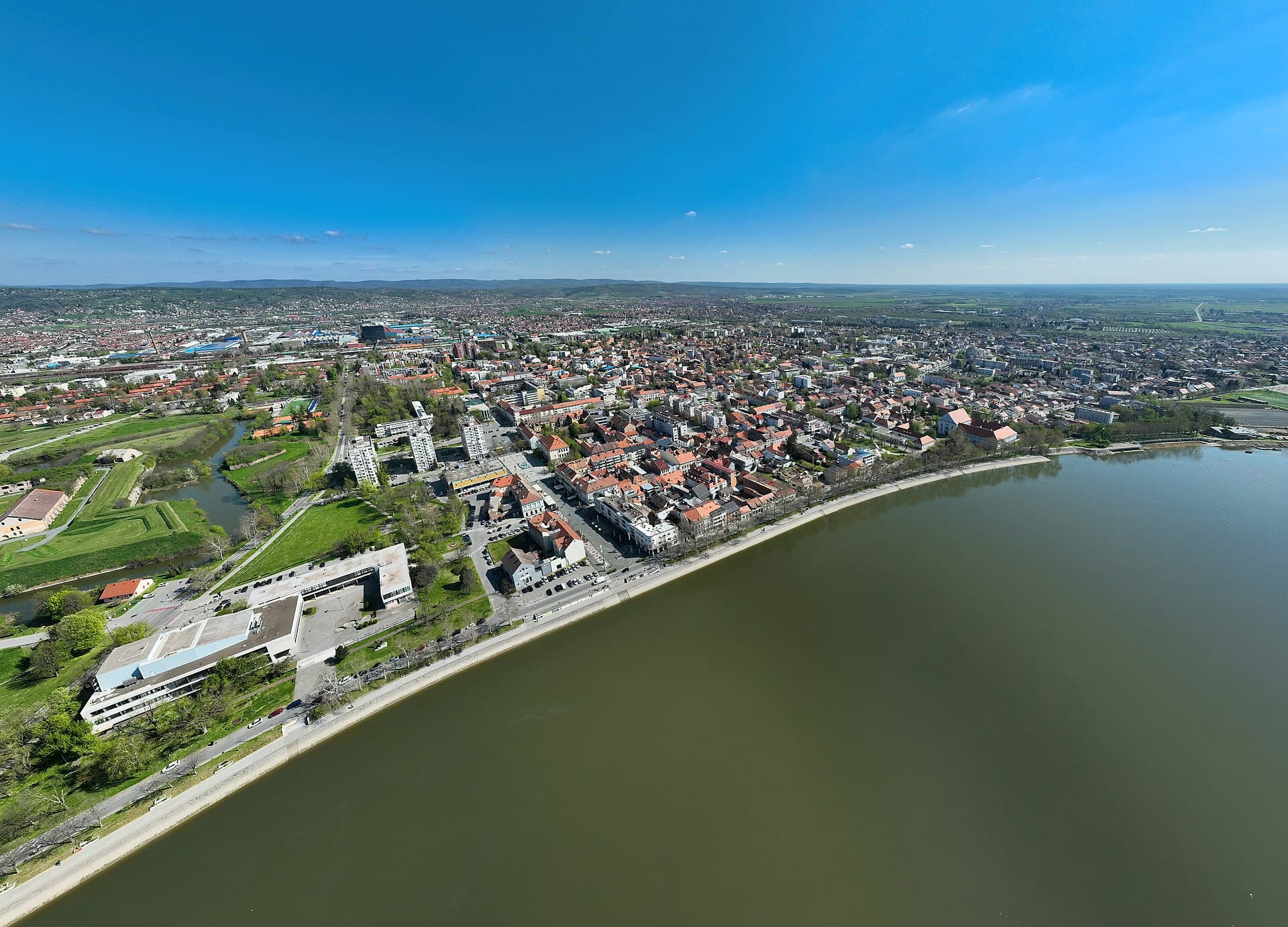
Slavonski Brod
Slavonski Brod developed around one of the major crossings of the Sava, and that border and transport role left a strong mark on the city. Brod Fortress represents the eighteenth-century…
Read the guide
Know Lekenik? Correct us
Tell us in your own words what is not accurate. We check right away.Do not enter personal data. Corrections are checked by the StayBravo AI assistant; changes to the description are approved by an editor. Use the form instead
Do you know Lekenik?
Help the guests who come after you.
Help us complete
Nothing is published without an editor’s review.Report illegal content
Photo credits: Lekenik — Manfred Kopka (CC BY-SA 4.0) · Črnkovec — Ex13 (CC BY-SA 3.0) · Poljana Čička — Vedran V (CC BY-SA 3.0) · St. Quirinus Basilica — Antonio Pillon (CC BY-SA 4.0) · Sisak Fortress — Mihovilhrgovic (CC BY-SA 3.0) · Siscia — Darko Tepert Donatus (CC BY-SA 3.0) · Sisak Cathedral — Andres rus (CC BY-SA 3.0) · Book Me Apartman — Natalija Kirša (courtesy of the property owner) · Kuća za odmor Green Zen — IVICA ŠKRINJARIĆ (courtesy of the property owner) · Osijek — Rp031 (CC BY-SA 4.0) · Vukovar — Bybbisch94, Christian Gebhardt (CC BY-SA 4.0) · Stubičke Toplice — MOs810 (CC BY-SA 4.0) · Slavonski Brod — Petar Milošević (CC BY-SA 4.0)