
Krapinske Toplice
About this place
Krapinske Toplice grew around thermal springs in the Toplički potok valley, 17 kilometres southwest of Krapina and about 46 kilometres from Zagreb. Four hyperthermal mineral springs reach roughly 39–41°C, with water containing calcium, magnesium and bicarbonate. The village now combines a specialist rehabilitation hospital, the Magdalena and Akromion clinics and the Aquae Vivae water park. Its historic layers are most visible in Jakob’s Bath, marked with a Croatian coat of arms and the year 1862, the 1855–56 parish church of the Holy Trinity and St Mary Magdalene’s Chapel on Zašat hill. Jakob Badl acquired the springs and developed the Bathing House and several baths during the 1860s, establishing the settlement as an organised spa. A visit can combine swimming, a short heritage walk and the ascent to the chapel. Krapina, Zabok, Tuheljske Toplice and Zagorje’s castles provide straightforward road excursions.
Krapinske Toplice developed not around a fortress or market square but beside warm springs aligned along the Krapina thermal fault. The source system yields about 80 litres per second, with the principal springs naturally reaching roughly 39–40°C. Organised spa development accelerated under Jakob Badl, who built a 75-room Bathing House in 1861 and Jakob’s, Mary’s and the Public Bath in 1862–63. That medical tradition continues through the specialist rehabilitation hospital and the Magdalena and Akromion clinics. Aquae Vivae adds recreational bathing to a settlement whose urban form and everyday identity remain closely tied to thermal water, rehabilitation and specialist medicine.
Things to see
Jakob’s Bath bears the clearest emblem of local spa history: a Croatian coat of arms, the date 1862, a spring motif and the motto “For the honour of the homeland and the benefit of humanity.” The parish church of the Holy Trinity rose in 1855–56 on an older church site and contains four side altars and an Ebner organ dating from 1860. St Mary Magdalene’s Chapel, built on Zašat in 1874 beside the Badl mausoleum, occupies a hill where restoration work uncovered a Late Bronze Age settlement. Aquae Vivae is the contemporary continuation of the bathing tradition, while the historic hospital and bath buildings show how Krapinske Toplice expanded around its springs.

Crkva sv. Križa u Svetom Križu Začretje
Landmark · Sveti Križ Začretje
The Parish Church of the Exaltation of the Holy Cross in Sveti Križ Začretje has medieval roots, while its present form largely dates from the 17th and 18th centuries.
5 km from Krapinske Toplice

Museum of Neandertals in Krapina
Museum · Tkalci
Beside Hušnjakovo Hill, the Museum of Krapina Neanderthals traces a journey from the origins of life to the Krapina Neanderthals.
8 km from Krapinske Toplice

Crkva sv. Nikole (Krapina)
Landmark · Krapina
St Nicholas’ Parish Church in Krapina is a Neo-Gothic church of 1901–03, built in place of an earlier Gothic parish church.
8 km from Krapinske Toplice

Stays further afield
- Apartment
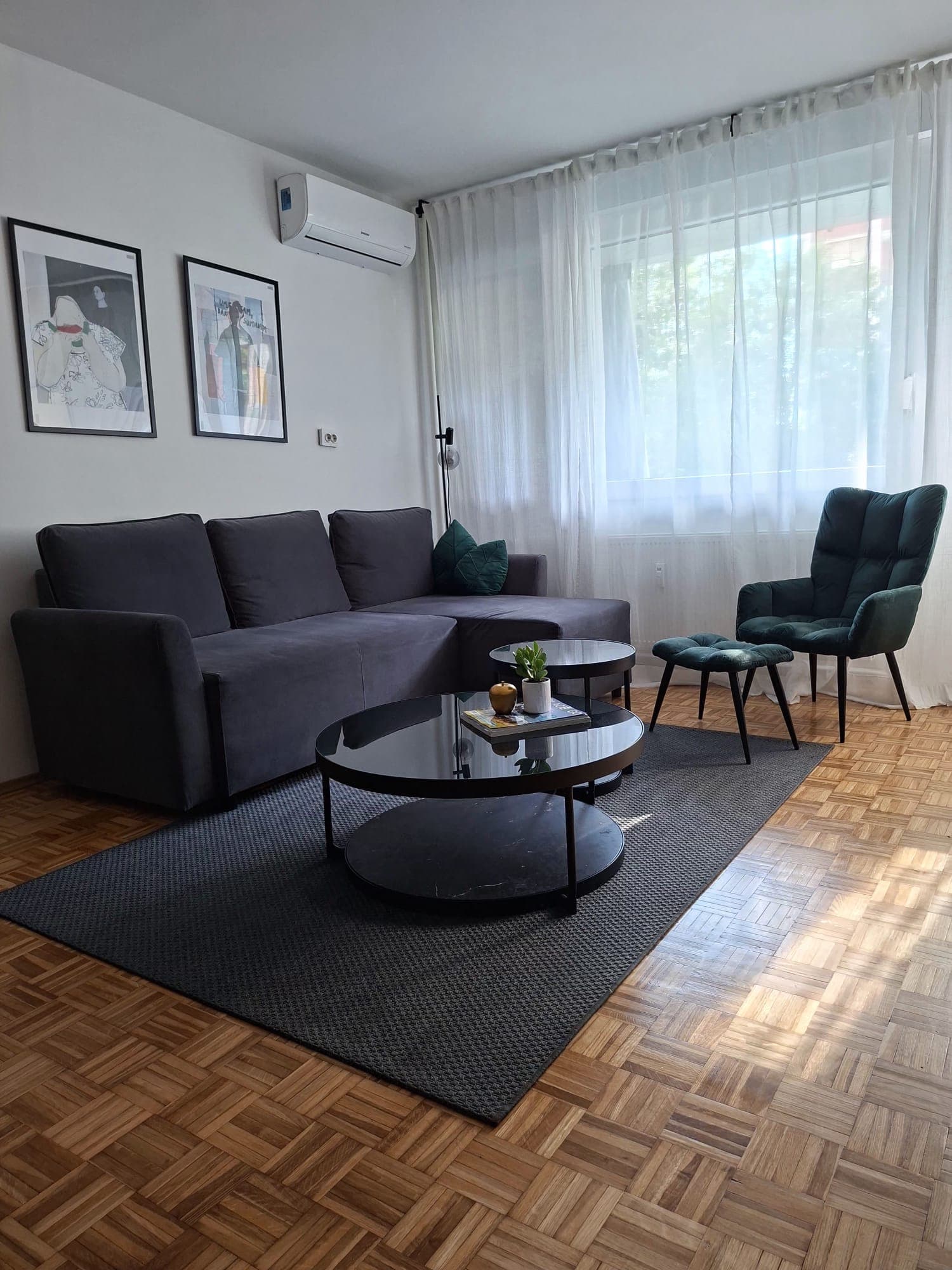 33 km from Krapinske Toplice
- Holiday home
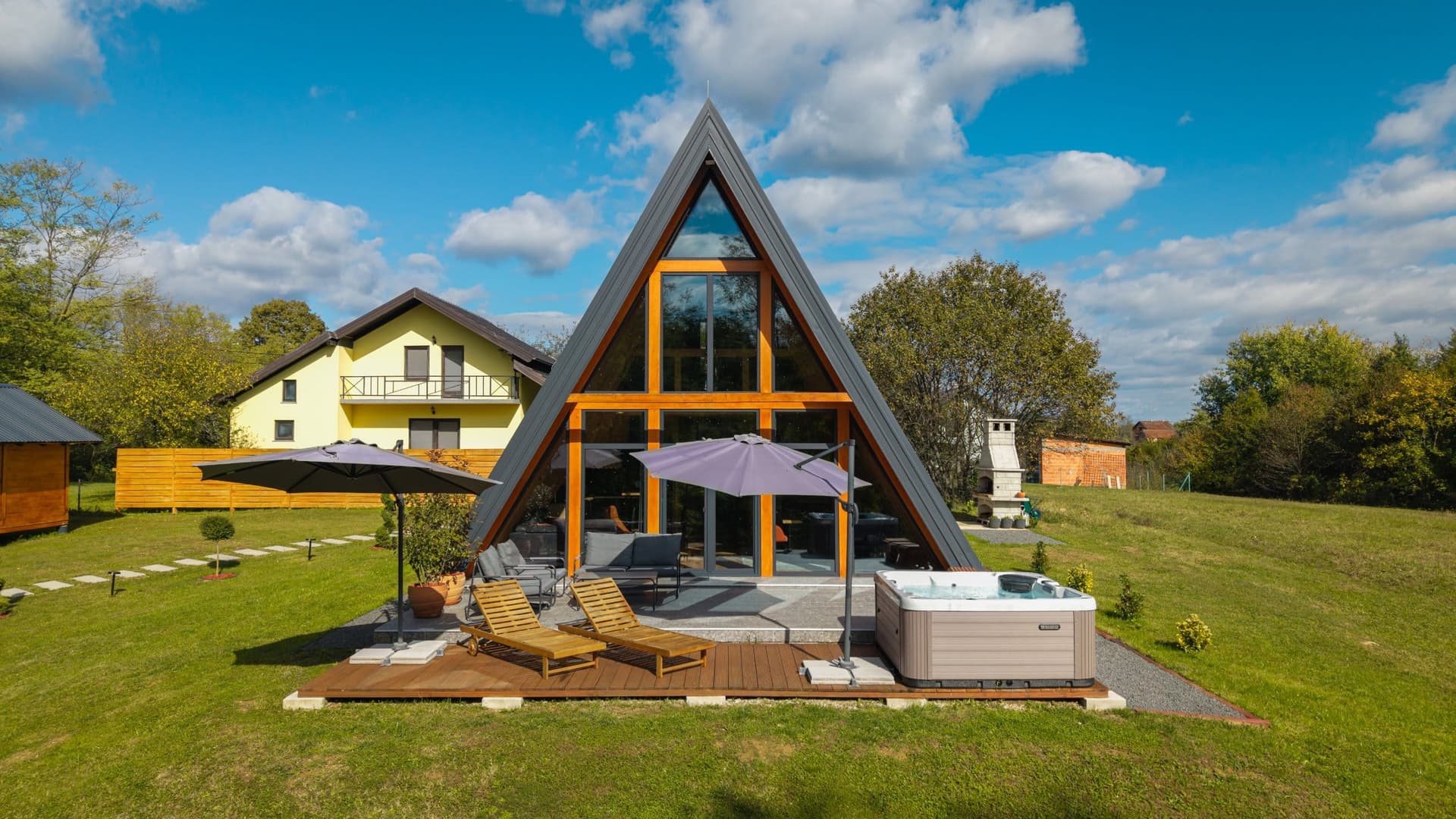 89 km from Krapinske Toplice
Be the first to list here
Guests looking for this place only see stays nearby for now. No commission, and enquiries come straight to you.
List your accommodation
Things to do
Begin with a swim at Aquae Vivae, where thermal water supplies indoor and outdoor recreational facilities. Afterwards, walk through the centre to the historic spa buildings and find the Croatian coat of arms dated 1862 on Jakob’s Bath. Continue to the neoclassical parish church of the Holy Trinity, built in 1855–56 and furnished with an 1860 organ by Tyrolean maker Josef Ebner. For a more active finish, climb Zašat hill to St Mary Magdalene’s Chapel and the Badl family mausoleum. Reserve dinner at Villa Magdalena, whose restaurant and elevated setting look across the surrounding Zagorje hills.
Food and drink
The gourmet restaurant at Villa Magdalena, Mirna ulica 1, is Krapinske Toplice’s most distinctive dining address. Its kitchen reworks Zagorje ingredients and familiar recipes with contemporary techniques, using local staples such as štrukli, pumpkin, duck, crackling, fresh cheese and pumpkin-seed oil. Seasonal tasting menus make it more than a convenient hotel meal after the pools. The restaurant’s hillside position overlooks the surrounding Zagorje landscape, while its wine list includes more than fifty Croatian labels. Booking directly is advisable for a tasting menu or evening table, particularly at weekends and when the spa town is hosting a programme.
Tours and activities
AdAd · partner offers: Viator, GetYourGuideThe partner handles booking, payment and support. StayBravo may earn a commission on bookings made through these links.How we choose offersWe choose offers based on the page you are viewing: the partner destination for this place or the nearest one (with its distance), and on a sight page only offers that mention it. We show offers rated at least 4.3 with at least 10 reviews, without multi-day tours or pure transfers, ordered by rating adjusted for the number of reviews and then by the partner’s order. We do not use data about you, and the commission does not affect the order.GetYourGuide offers are selected and ordered by GetYourGuide based on the name of the nearest larger town or national park; we do not influence their selection and do not use data about you.GetYourGuide · Krapina
We show GetYourGuide offers once you allow their cookies.
Viator
Nearest destination: Zagreb (33 km)
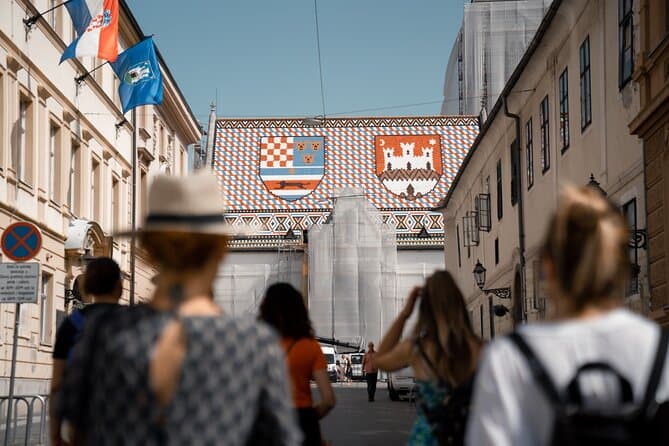
Communism & Croatian Homeland War Tour (opens in a new tab)
Explore the turbulent 20th century in Croatia in a entertaining way combining historical facts and personal experiences. You will find out more about Croatia’s relations with neighbouring countries…
Rated 5 out of 5 · 1,561 reviews· 2 h
Free cancellation
from €39
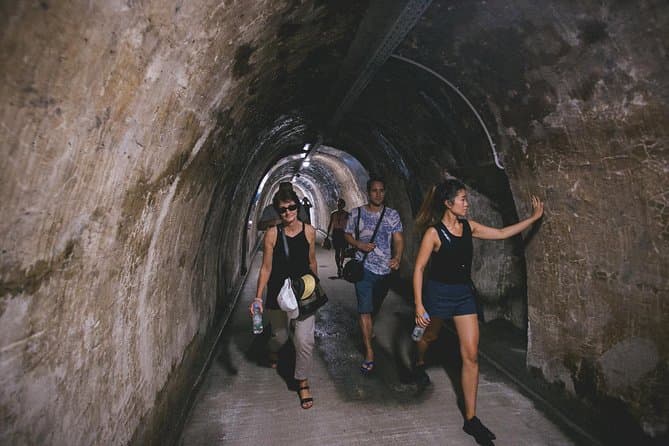
Zagreb Highlights: Old Town, WWII tunnels, Funicular & Tastings (opens in a new tab)
Zagreb Highlights keeps groups small, up to 16 people, so you get a genuinely personal experience with your licensed local guide. In 2 hours, you'll cover the city's must-see landmarks, descend into…
Rated 5 out of 5 · 1,227 reviews· 2 h
Free cancellation
from €20
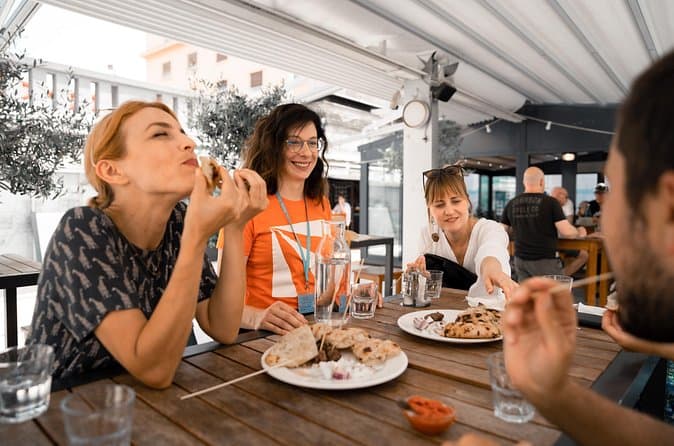
Zagreb Food Tour: Local Dishes & City Stories (opens in a new tab)
Join a small-group food tour of Zagreb, and spend 3 hours tasting authentic local dishes at some of the city's best food spots. From savoury street food to traditional pastries and local liquor…
Rated 5 out of 5 · 296 reviews· 3 h
Free cancellation
from €79
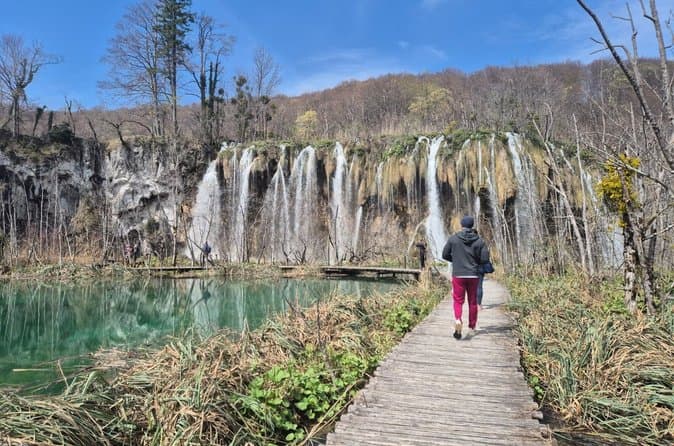
Plitvice Lakes Guided Day Tour from Zagreb (opens in a new tab)
Explore the beautiful Plitvice Lakes National Park on this day tour from Zagreb. Located at the top of Croatia’s Adriatic region, in the Dinaric Alps, this UNESCO-listed site is one of the must-see…
Rated 4.9 out of 5 · 526 reviews· 11 h
Free cancellation
from €65
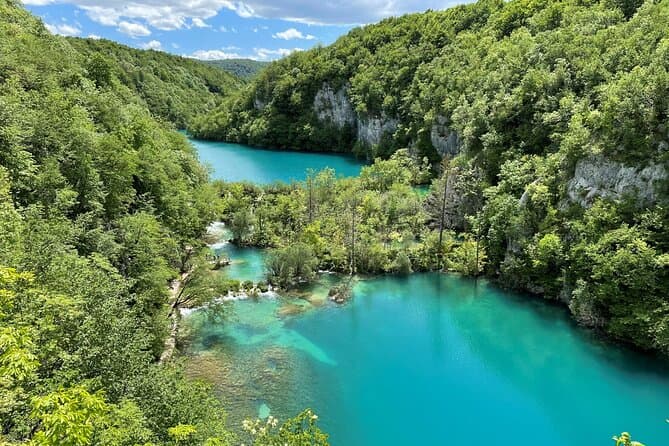
Plitvice Lakes with Ticket & Rastoke Guided Tour from Zagreb (opens in a new tab)
Escape the city and immerse yourself in Croatia’s most stunning natural wonder—Plitvice Lakes National Park, a UNESCO World Heritage site. This full-day guided tour from Zagreb includes entry…
Rated 4.9 out of 5 · 1,045 reviews· 10 h
Free cancellation
from €75
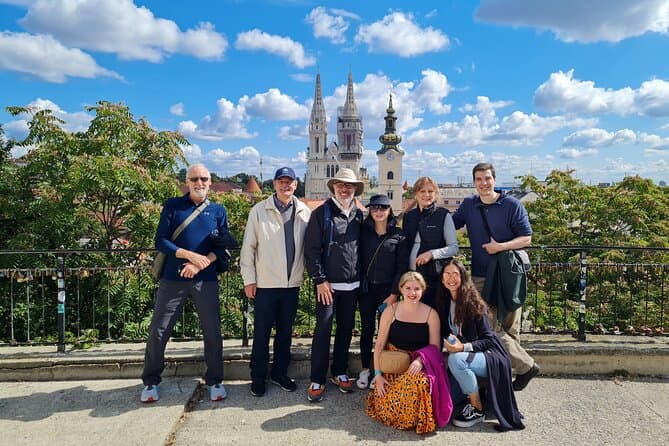
Walking tour of Zagreb (opens in a new tab)
Get your walking shoes on and take a stroll with us as we show you the highlights of our wonderful city. We have the local insights and handy tips to leave you wanting to explore some more. We will…
Rated 4.9 out of 5 · 513 reviews· 2–3 h
Free cancellation
from €20
Practical information
Practical information
Aquae Vivae stands at Antuna Mihanovića 1a in the central spa district, close to the medical and historic bathing facilities. Swimwear, non-slip sandals and a towel are basic equipment for the water park, while the climb to St Mary Magdalene’s Chapel calls for shoes suitable for a slope. Natural spring water emerges at roughly 39–41°C, but individual pool temperatures are set by the operator and should not be confused with the source temperature. The rehabilitation hospital, Magdalena and Akromion are medical institutions, so their treatments and appointments are separate from an Aquae Vivae admission ticket. Current bathing conditions should be confirmed directly with the water park.
Getting there and around
Krapinske Toplice has no railway station, so scheduled public transport means taking the bus. The county timetable lists Presečki route 509 from Krapina Nova to Krapinske Toplice, a 14-kilometre run calling at Velika Ves, Pačetina and Hršak Breg. Presečki’s regional network also links the spa town with Zabok, Zlatar, Pregrada and smaller communities across Hrvatsko Zagorje. Zabok is the practical interchange for passengers continuing by rail. Some departures operate only on working or school days, making a date-specific timetable check essential rather than relying on a generic weekday schedule.
Frequently asked questions
What is the natural temperature of the thermal water?
The main springs emerge at roughly 39–41°C, although individual pool temperatures may be lower.
What does the inscription on Jakob’s Bath mean?
Beside the date 1862 is a motto meaning “For the honour of the homeland and the benefit of humanity,” associated with Badl’s spa development.
Does Krapinske Toplice have a railway station?
The village has no railway station; visitors use buses or make a connection via Zabok.
Where is St Mary Magdalene’s Chapel?
The 1874 chapel stands on Zašat hill beside the Badl mausoleum and a prehistoric settlement site.
Which route links Krapina Nova and Krapinske Toplice?
Presečki Grupa operates route 509 between Krapina Nova and Krapinske Toplice in the county timetable.
Is there a bus to Zabok?
The county portal lists routes 644 and 645 between Krapinske Toplice and Zabok.
Who operates the route to Zabok?
The county portal lists the Krapinske Toplice–Zabok routes under Presečki Grupa.
Where can timetable changes be checked?
For local services, use Krapina-Zagorje County’s official bus portal, which publishes operators and timetables.
Nearby
Krapinske Toplice
Open in OpenStreetMap(opens in a new tab)straight-line distance
Related guides

Osijek
Tvrđa and the centre around the main square are distinct starting points for understanding Osijek. The former emphasises the fortified historic quarter and Baroque architecture; the latter…
Read the guide

Vukovar
A cultural visit to Vukovar has several separate centres of gravity. Eltz Palace and the City Museum address the city and its inhabitants across different periods. Vučedol reaches much…
Read the guide

Stubičke Toplice
Stubičke Toplice derives almost its entire identity from thermal water and the Zagorje landscape. There is no large urban historic core; green spaces, bathing facilities and traces of the…
Read the guide
Slavonski Brod
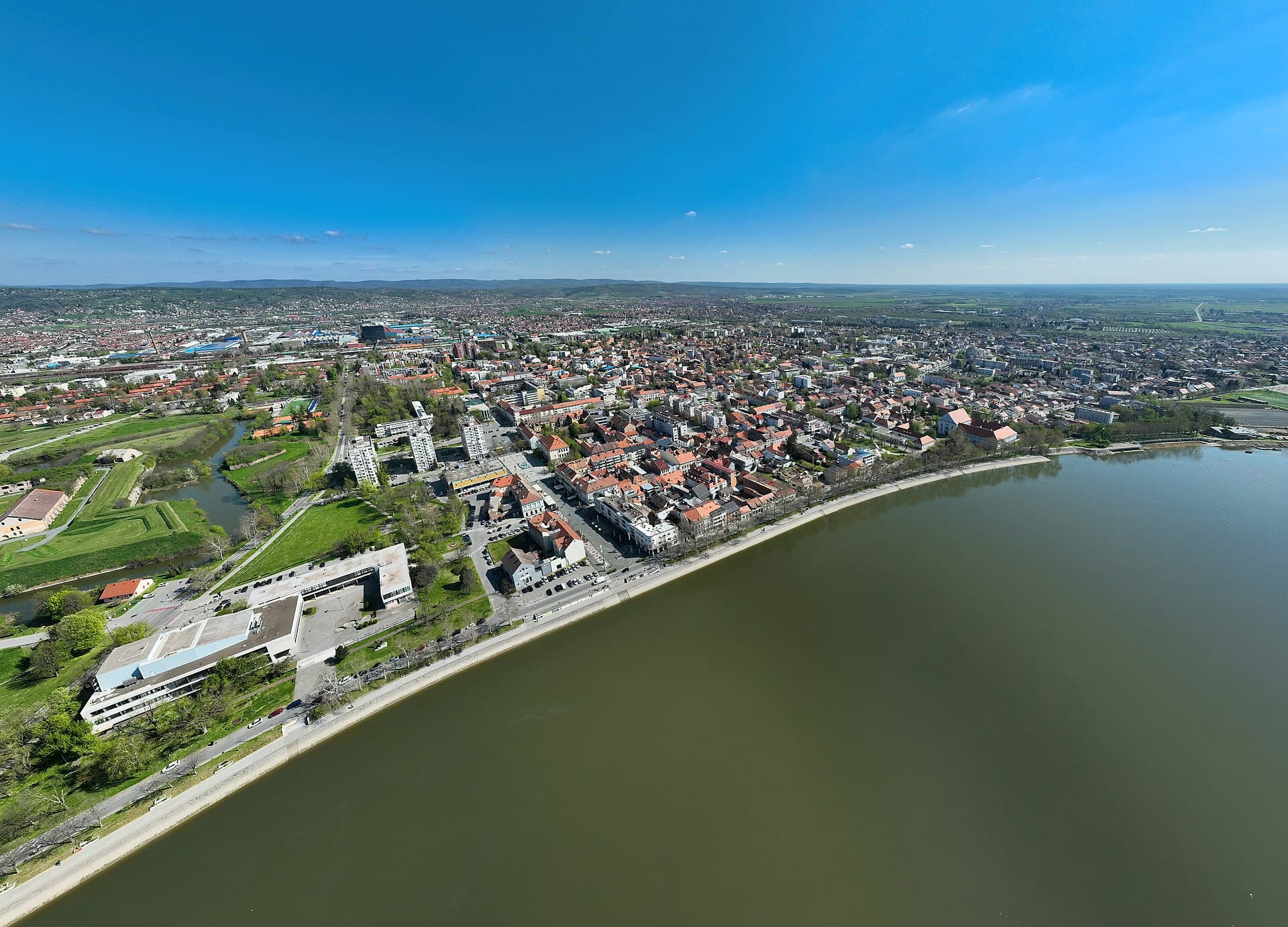
Slavonski Brod developed around one of the major crossings of the Sava, and that border and transport role left a strong mark on the city. Brod Fortress represents the eighteenth-century…
Read the guide
Know Krapinske Toplice? Correct us
Tell us in your own words what is not accurate. We check right away.Do not enter personal data. Corrections are checked by the StayBravo AI assistant; changes to the description are approved by an editor. Use the form instead
Do you know Krapinske Toplice?
Help the guests who come after you.
Help us complete
Nothing is published without an editor’s review.Report illegal content
Photo credits: Krapinske Toplice, Klokovec — Sandor Bordas (CC BY-SA 3.0) · Crkva sv. Križa u Svetom Križu Začretje — Vitek (CC BY-SA 4.0) · Museum of Neandertals in Krapina — Zeljko.filipin (CC BY-SA 3.0) · Crkva sv. Nikole (Krapina) — Zeitblick (CC BY-SA 3.0) · Krapina — Divna Jaksic (Public domain) · Book Me Apartman — Natalija Kirša (courtesy of the property owner) · Kuća za odmor Green Zen — IVICA ŠKRINJARIĆ (courtesy of the property owner) · Osijek — Rp031 (CC BY-SA 4.0) · Vukovar — Bybbisch94, Christian Gebhardt (CC BY-SA 4.0) · Stubičke Toplice — MOs810 (CC BY-SA 4.0) · Slavonski Brod — Petar Milošević (CC BY-SA 4.0)