Gradište
About this place
Gradište is a small Slavonian village below Krndija, beside the road connecting Požega and Našice. It belongs administratively to the City of Kutjevo and recorded 94 residents in the 2021 census. The name recalls a wooden fort built around 1413, when Gradište served as the centre of an estate governed by the Szécsényi family. In 1483 it was recorded as an oppidum, or market town, evidence of a wider late-medieval role that contrasts with the village’s present size. The Church of St Nicholas appeared in records from 1332, 1347 and 1413, and its ruins remained visible until the early 18th century. Gradište also contains an Orthodox chapel dedicated to the Nativity of the Mother of God, registered as a religious monument. Today the village offers an entry point to eastern Kutjevo country, between Krndija’s lower slopes and the vineyards surrounding Kutjevo. The castle, historic wine cellar and vineyard walking routes at Kutjevo extend a visit, while in 2026 public bus line 16 connects Gradište with Bektež, Kutjevo and Požega.
Gradište is defined by its position beneath Krndija’s southern slopes and beside the Požega–Našice road, with Kutjevo serving as its administrative centre. The village took its name from a wooden fort built around 1413 on an estate governed by the Szécsényi family. Its designation as a market town in 1483 reflects the former importance of an estate extending towards Londža, Poreč, Ciglenik, Duboka and Sapna. The old Church of St Nicholas, documented during the 14th and 15th centuries, no longer forms part of the village scene; its ruins survived until 1702. The Orthodox Chapel of the Nativity of the Mother of God remains Gradište’s identifiable religious monument.
Things to see
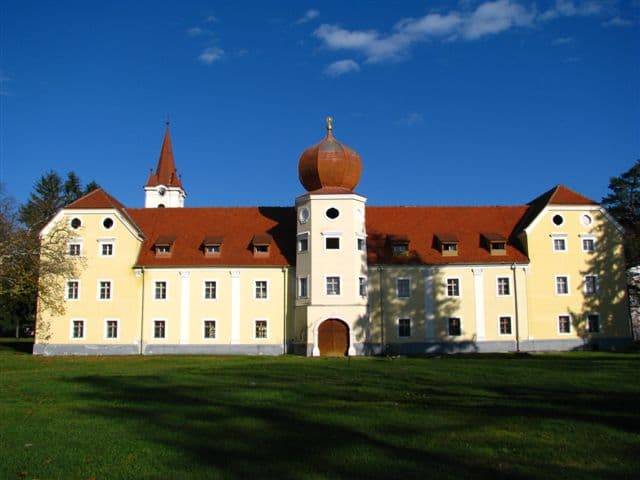
Kutjevo Abbey
Landmark · Venje
Kutjevo Castle is the Baroque part of a historic complex established on the site of a Cistercian abbey founded in 1232.
10 km from Gradište


Stays
No stays listed here yet
Things to do
Start in Gradište at the Chapel of the Nativity of the Mother of God, the village’s surviving religious landmark beneath Krndija. A walk along the settlement’s main road then puts its modest present scale in striking contrast with its recorded status as a market town in 1483. Continue to Kutjevo, where the region’s wine heritage is tied to a medieval Cistercian abbey, a castle and a historic cellar. The local Walk & Run Wine Trail passes vineyards before reaching the turn towards the Mlaka mountain hut. Hikers can instead follow the marked Kutjevo–Dobra Voda route on Krndija, a 4.7-kilometre trail usually allotted about ninety minutes.
Tours and activities
AdAd · partner offers: GetYourGuideThe partner handles booking, payment and support. StayBravo may earn a commission on bookings made through these links.How we choose offersGetYourGuide offers are selected and ordered by GetYourGuide based on the name of the nearest larger town or national park; we do not influence their selection and do not use data about you.GetYourGuide · Požega
We show GetYourGuide offers once you allow their cookies.
Practical information
Getting there and around
Gradište stands on the Požega–Našice road, east of Kutjevo and directly below Krndija’s slopes. In the Požega-Slavonia County public transport network for 2026, the village is the terminus of AureaBus line 16, Požega–Kutjevo–Bektež–Gradište. The service passes through Požega, Jakšić, Šumanovci, Kutjevo and Bektež, providing a public-transport option from the county capital. Its published timetable distinguishes weekday and Sunday services, so departures should be checked on the AureaBus website shortly before travelling. A car remains more practical for combining Gradište with Kutjevo’s vineyards, Krndija’s hiking access points and an onward journey towards Našice.
Frequently asked questions
How did Gradište get its name?
The name derives from a wooden fort built around 1413, when the village served as the centre of an estate governed by the Szécsényi family.
Is there a bus to Gradište?
In 2026, Gradište is the terminus of AureaBus line 16 from Požega via Kutjevo and Bektež.
Which chapel stands in the village?
Gradište contains the Orthodox Chapel of the Nativity of the Mother of God, recorded as a religious monument.
Nearby
Gradište
Open in OpenStreetMap(opens in a new tab)straight-line distance
Related guides

Osijek
Tvrđa and the centre around the main square are distinct starting points for understanding Osijek. The former emphasises the fortified historic quarter and Baroque architecture; the latter…
Read the guide

Vukovar
A cultural visit to Vukovar has several separate centres of gravity. Eltz Palace and the City Museum address the city and its inhabitants across different periods. Vučedol reaches much…
Read the guide

Stubičke Toplice
Stubičke Toplice derives almost its entire identity from thermal water and the Zagorje landscape. There is no large urban historic core; green spaces, bathing facilities and traces of the…
Read the guide
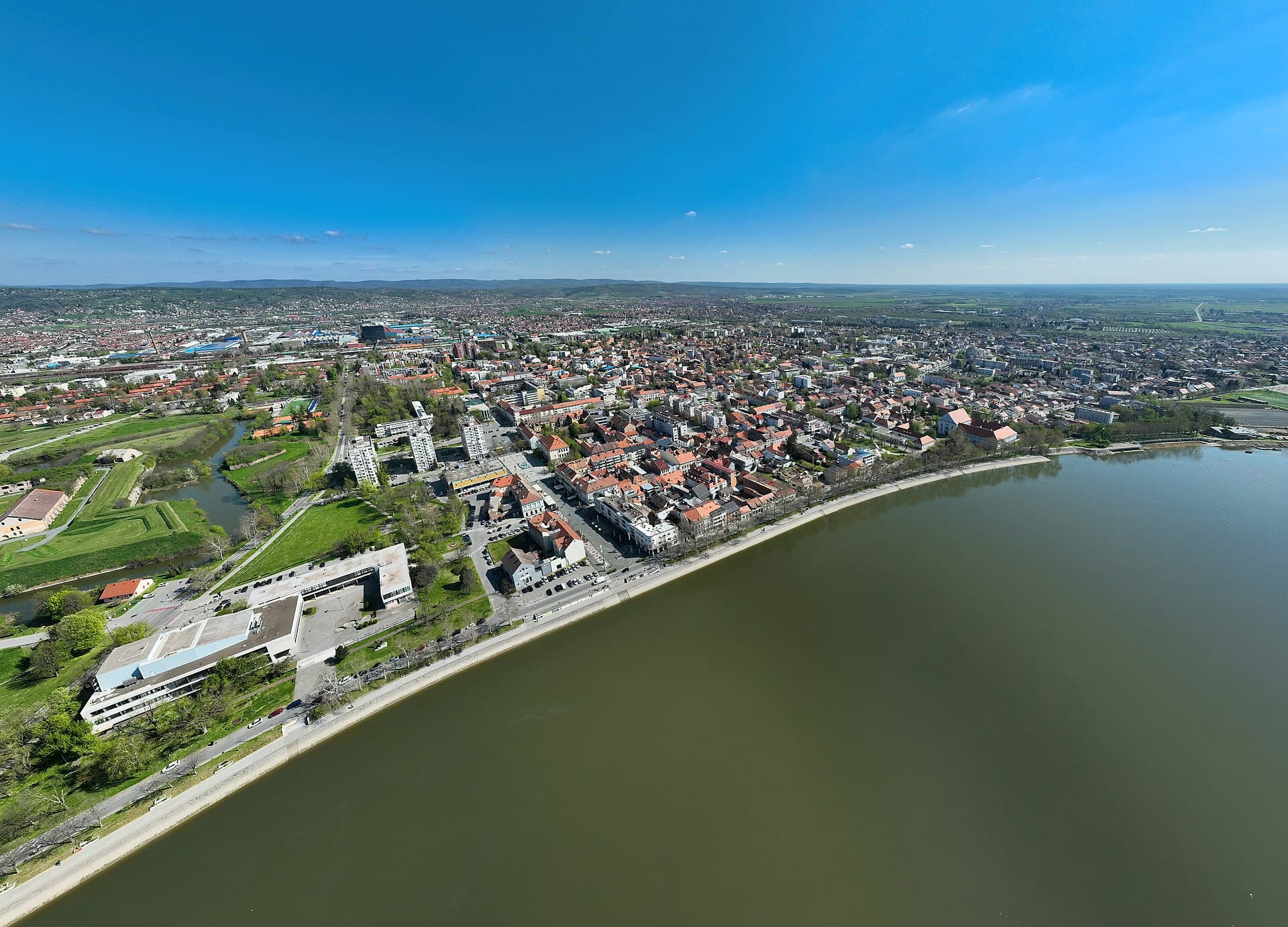
Slavonski Brod
Slavonski Brod developed around one of the major crossings of the Sava, and that border and transport role left a strong mark on the city. Brod Fortress represents the eighteenth-century…
Read the guide
Know Gradište? Correct us
Tell us in your own words what is not accurate. We check right away.Do not enter personal data. Corrections are checked by the StayBravo AI assistant; changes to the description are approved by an editor. Use the form instead
Do you know Gradište?
Help the guests who come after you.
Help us complete
Nothing is published without an editor’s review.Report illegal content
Photo credits: Bektež — Robert Ruff (CC BY 3.0) · Kula — Sokac121 (CC BY-SA 3.0) · Kutjevo Abbey — Dalibor Ribičić (CC BY-SA 4.0) · Orahovica Monastery, Pejačević Manor — Flammard (CC BY-SA 3.0) · Ružica grad — Lorelay Rory Gilmore (Public domain) · Osijek — Rp031 (CC BY-SA 4.0) · Vukovar — Bybbisch94, Christian Gebhardt (CC BY-SA 4.0) · Stubičke Toplice — MOs810 (CC BY-SA 4.0) · Slavonski Brod — Petar Milošević (CC BY-SA 4.0)