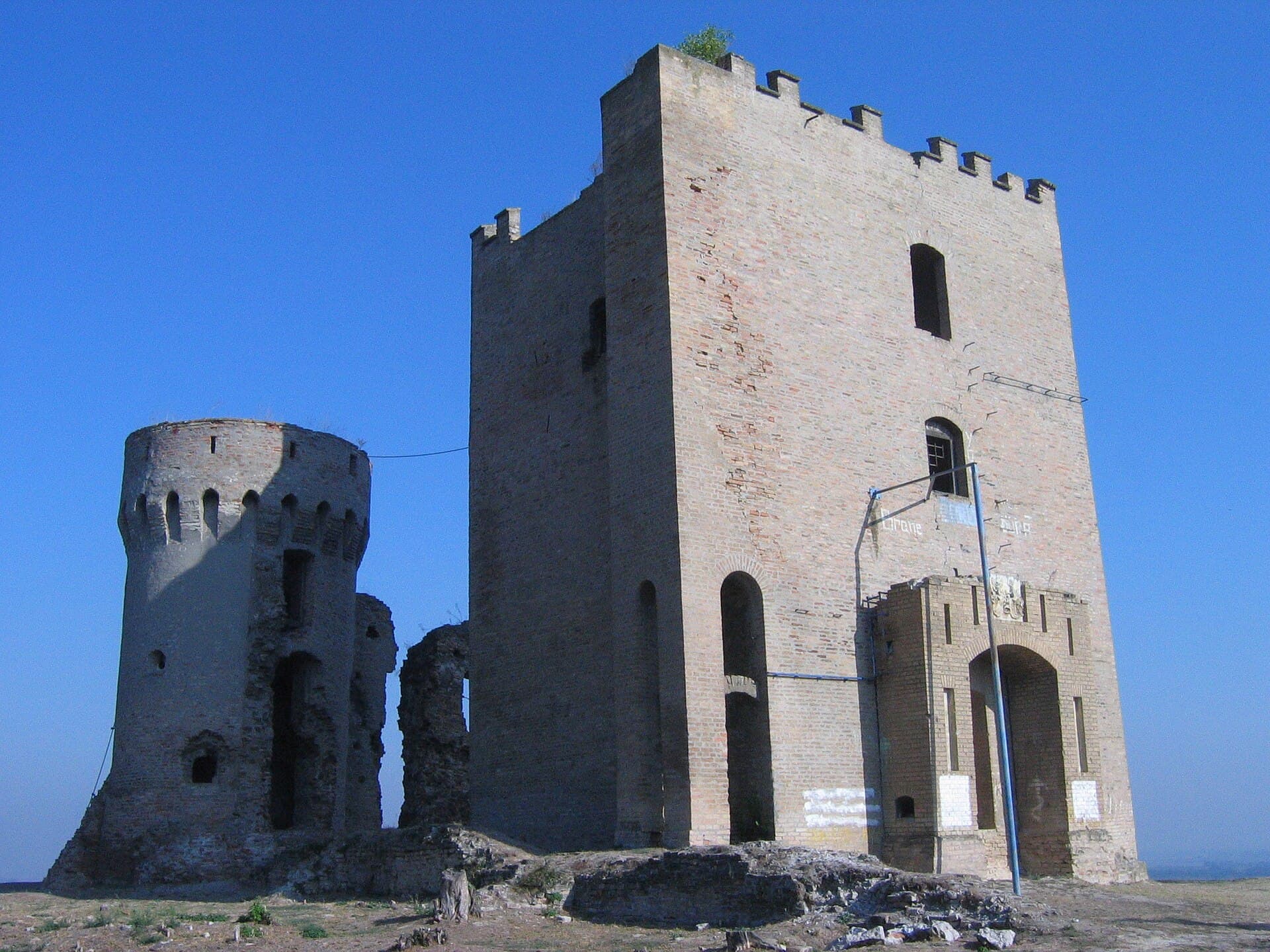
Erdut
About this place
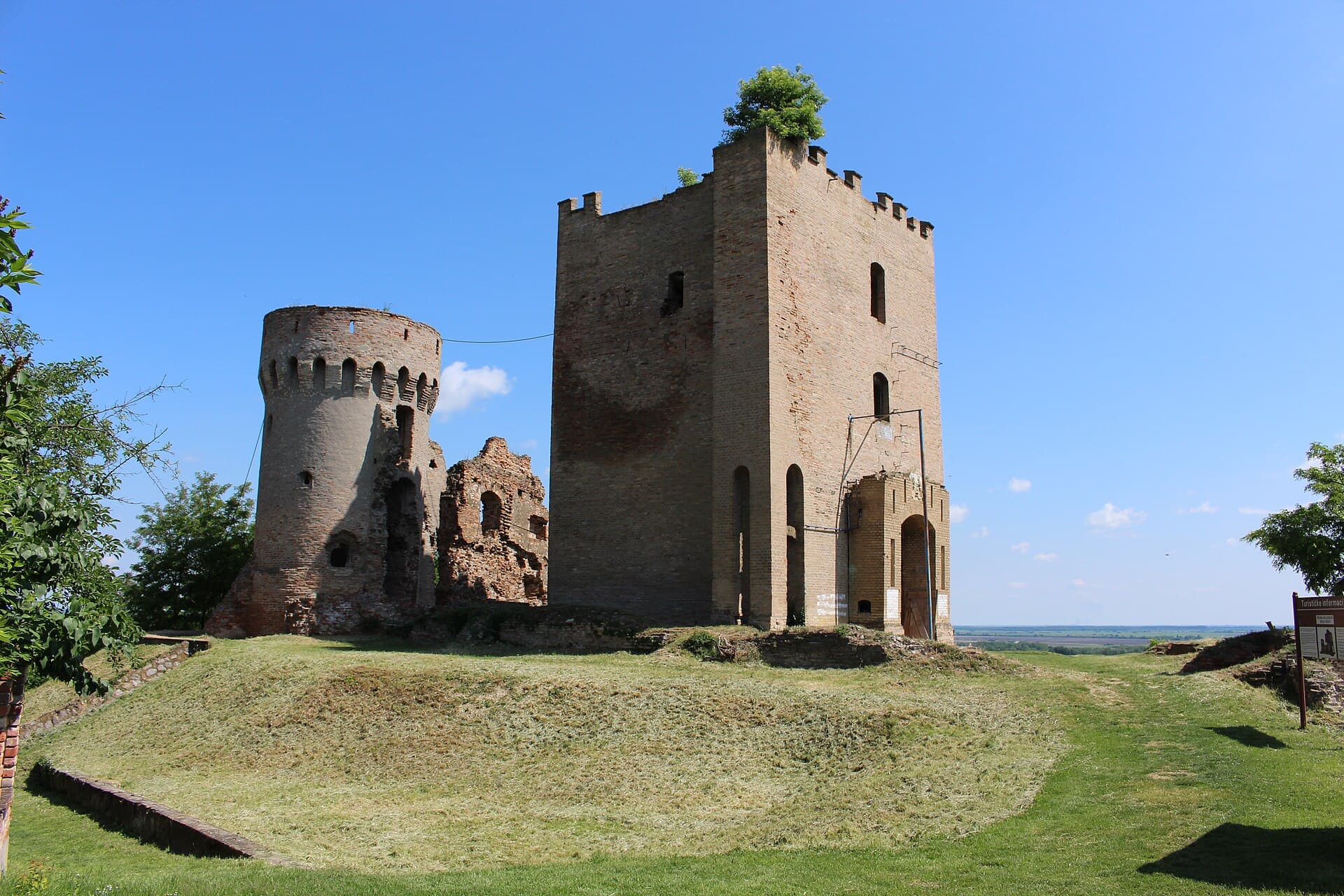
Erdut occupies a loess promontory above the Danube at Croatia’s far eastern edge, compressing vineyards, steep river bluffs and the remains of a medieval fortress into a remarkably small area. First recorded in 1335, the village is marked by a round tower overlooking the river, the most conspicuous survivor of a fortified settlement dating from the late 15th century. Below it, Danube backwaters border a nature trail whose viewpoints are associated with white-tailed eagles and purple herons. Erdut’s second defining story unfolds at the Old Cellar, dated 1730, and the Adamovich-Cseh manor developed by a wine-growing family during the 19th century. Inside the cellar, a 75,000-litre oak barrel remains in use for local Graševina wine. Wine and heritage therefore shape the natural order of a visit: begin at the tower and its view across the Vojvodina plain, then descend towards the manor, cellar and vine-covered walkway known locally as the klanter. Unlike a typical lowland Slavonian village, Erdut reveals itself vertically, from vineyards on the loess plateau to the Danube flowing far below.
Erdut’s identity comes not only from its Danube bluff but also from centuries as a border settlement. It occupies the plateau of Erdut Hill, about 37 kilometres east of Osijek, while its outlying hamlets include Novi Erdut, Erdutska Skela, Ada and Podunavlje. Recorded in 1335 as Erdöd or Erdewd, it later served as a market town, fortified centre and Ottoman district seat. On 12 November 1995, Erdut hosted the signing of the Basic Agreement that initiated the peaceful reintegration of Croatia’s Danube region. The village therefore brings together medieval control of the river, the legacy of landed estates and a decisive diplomatic conclusion to the Croatian War of Independence.
Things to see
Erdut Tower is the best-preserved element of the fortified town dating from the late 15th century. Round and three storeys high, it occupies a loess rise about 70 metres above the Danube. Nearby stands the protected Adamovich-Cseh manor, developed from a smaller residence built in the mid-19th century and enlarged by later owners. The wine complex also contains the Old Cellar of 1730 and a 75,000-litre barrel made from Slavonian oak, still used to mature Graševina. Two further landmarks on Erdut’s local heritage route are the Church of All Saints and the Church of St Archangel Gabriel, reflecting the settlement’s layered religious history.

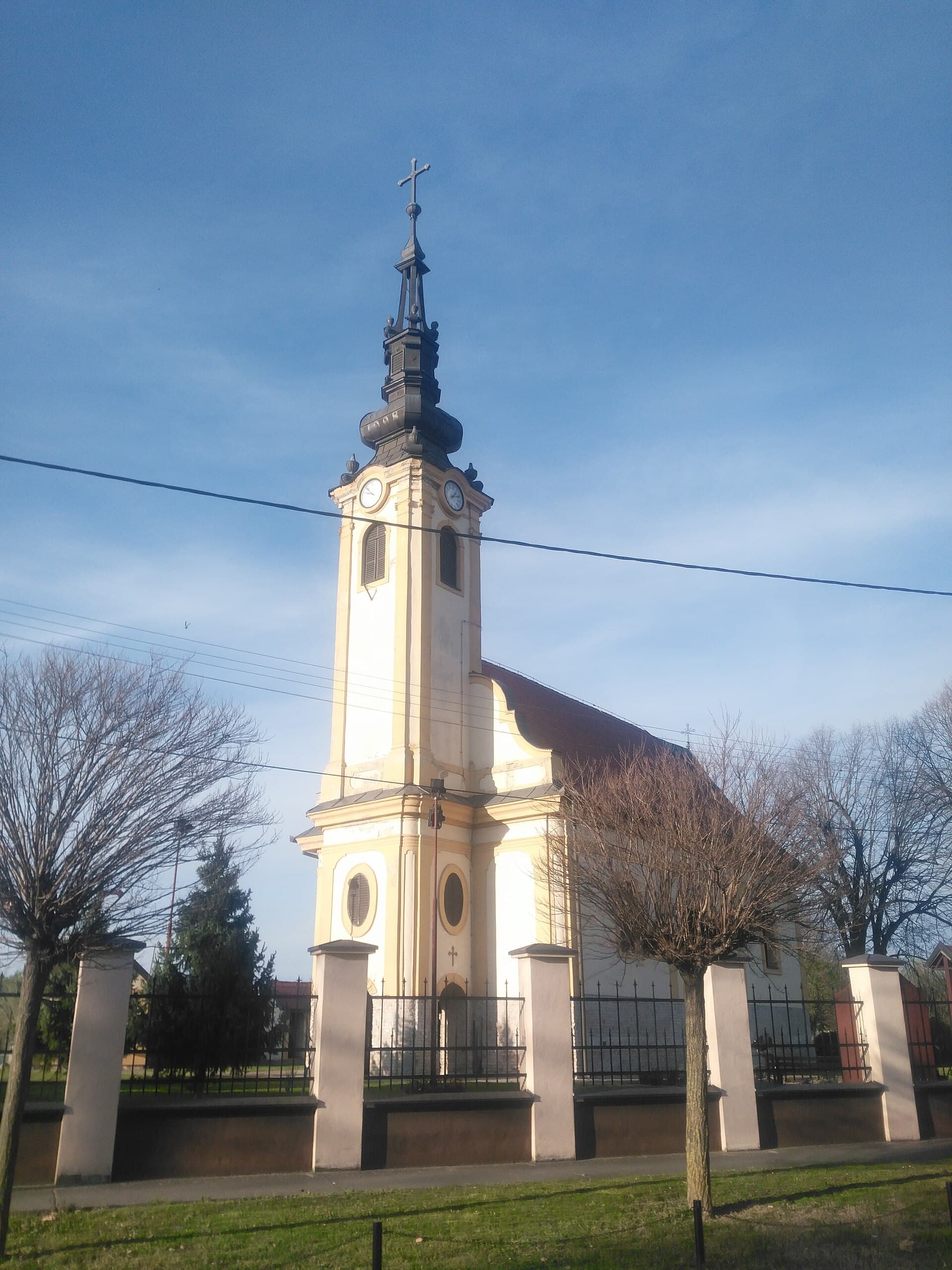
Church of the Transfer of the relics of the Holy Father Nicholas, Bijelo Brdo
Landmark · Bijelo Brdo
church in Osijek-Baranja County, Croatia
15 km from Erdut

Stays
No stays listed here yet
Things to do
Start at Erdut Tower, where the high loess edge immediately explains the relationship between the village, its vineyards and the Danube. Continue to the Adamovich-Cseh manor and the Old Cellar of 1730; the guided programme run by Erdutski vinogradi includes the Great Barrel and a wine tasting. Tours are currently offered to groups of at least 14 and should be arranged in advance. From the cellar, follow the vine-covered klanter to the viewpoint, then extend the walk down the Steps of Health towards the Erdut protected-landscape trail. Finish at one of the wine estates in the Erdut district, sampling Graševina or another variety grown on slopes overlooking the Danube.
Tours and activities
AdAd · partner offers: GetYourGuideThe partner handles booking, payment and support. StayBravo may earn a commission on bookings made through these links.How we choose offersGetYourGuide offers are selected and ordered by GetYourGuide based on the name of the nearest larger town or national park; we do not influence their selection and do not use data about you.GetYourGuide · Vukovar
We show GetYourGuide offers once you allow their cookies.
Practical information
Practical information
Visitor information for Erdut is provided by the Erdut Municipality Tourist Board, which also covers Dalj, Aljmaš and Bijelo Brdo. A tour of Erdutski vinogradi should be booked before arrival: the current programme accepts groups of at least 14, with either a three- or five-wine tasting. Shoes suitable for loess slopes and steps are advisable for the tower, viewpoints and nature trail, particularly after rain. The municipal profile lists a general and dental clinic as well as a post office in Erdut, while Dalj and Osijek provide a wider range of everyday services.
Frequently asked questions
Can visitors enter Erdut’s wine cellar?
Erdutski vinogradi runs guided visits covering the Old Cellar, Great Barrel and manor, currently for pre-booked groups of at least 14 people.
How large is Erdut’s Great Barrel?
The Slavonian-oak barrel holds 75,000 litres, roughly 100,000 bottles, and remains in use for maturing Erdut Graševina.
What can be seen from Erdut Tower?
The tower’s position on the high loess bank overlooks the Danube, its backwaters and the Vojvodina plain beyond.
Which is the oldest cellar in the Erdut wine district?
The Old Cellar at Erdutski vinogradi dates from 1730 and is presented as the wine district’s oldest cellar.
Where does Vina Erdut Wine & Walk start?
The 2025 Wine & Walk gathering point was the Vina Erdut complex at Trg Branka Hercega 1.
Was a bus organised from Osijek in 2025?
A free bus from Osijek was organised for Wine & Walk 2025.
When was Wine & Bike Tour Erdut 2025 held?
The main Wine & Bike Tour Erdut programme took place on Saturday, 6 September 2025.
What did the Wine & Bike Tour programme include?
The 2025 edition combined a wine-and-bike race, open cellars and live music.
How many wineries joined Wine & Walk 2025?
Seven wineries from the Erdut wine district joined the spring 2025 Wine & Walk.
Nearby
Erdut
Open in OpenStreetMap(opens in a new tab)Larger towns
Smaller places
straight-line distance
Related guides

Osijek
Tvrđa and the centre around the main square are distinct starting points for understanding Osijek. The former emphasises the fortified historic quarter and Baroque architecture; the latter…
Read the guide

Vukovar
A cultural visit to Vukovar has several separate centres of gravity. Eltz Palace and the City Museum address the city and its inhabitants across different periods. Vučedol reaches much…
Read the guide

Stubičke Toplice
Stubičke Toplice derives almost its entire identity from thermal water and the Zagorje landscape. There is no large urban historic core; green spaces, bathing facilities and traces of the…
Read the guide
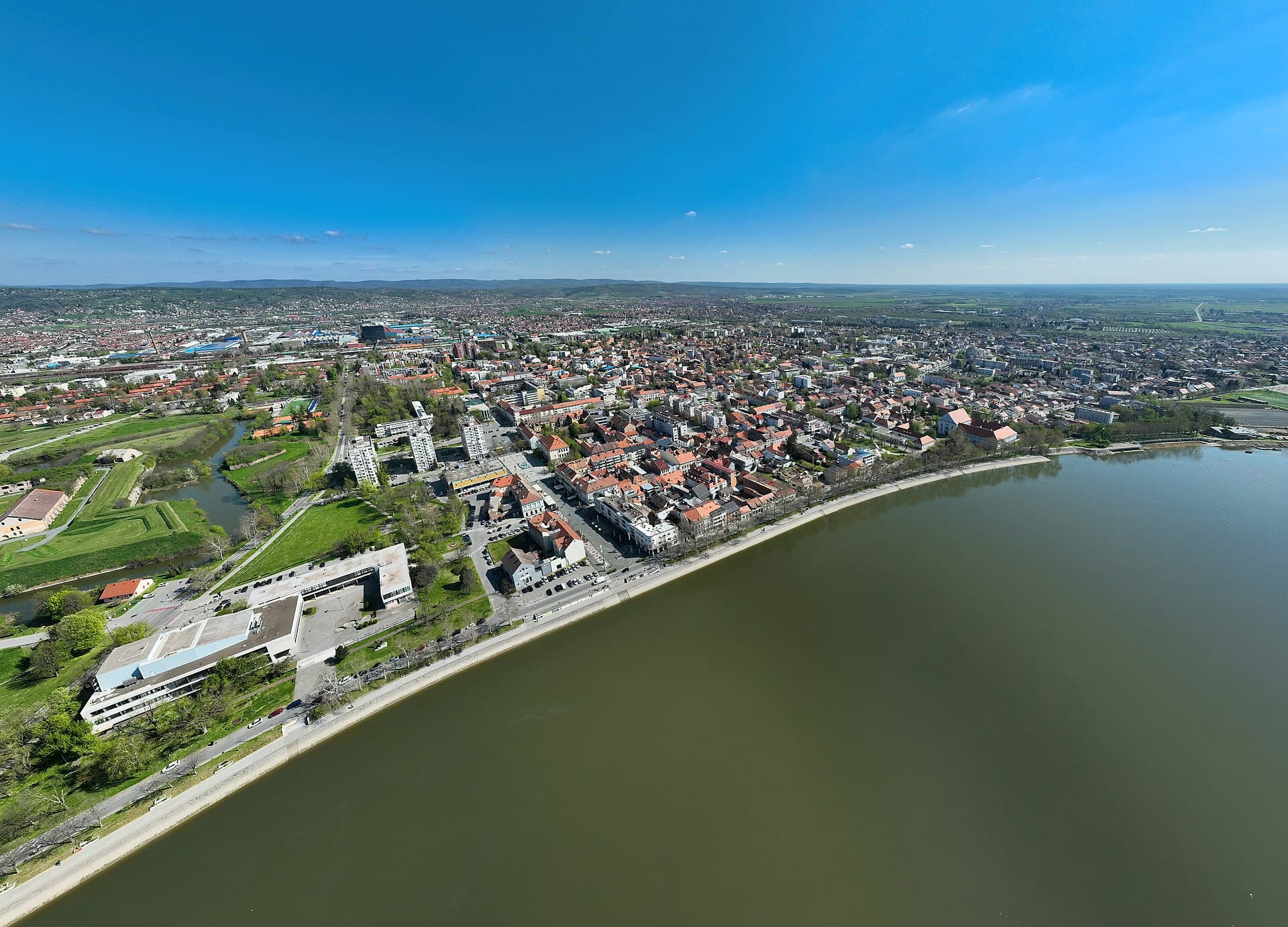
Slavonski Brod
Slavonski Brod developed around one of the major crossings of the Sava, and that border and transport role left a strong mark on the city. Brod Fortress represents the eighteenth-century…
Read the guide
Know Erdut? Correct us
Tell us in your own words what is not accurate. We check right away.Do not enter personal data. Corrections are checked by the StayBravo AI assistant; changes to the description are approved by an editor. Use the form instead
Do you know Erdut?
Help the guests who come after you.
Help us complete
Nothing is published without an editor’s review.Report illegal content
Photo credits: Erdut — Göran S (talk) (Public domain) · Dalj, Church of St. Demetrius — Rocky031 (Public domain) · Aljmaš — Mazbln (CC BY-SA 3.0) · Erdut Castle — Marko Jukić -Majkl (CC BY-SA 4.0) · Church of St. Stephen — Sokac121 (CC BY 3.0) · Church of the Transfer of the relics of the Holy Father Nicholas, Bijelo Brdo — MirkoS18 (CC BY-SA 4.0) · Osijek — Rp031 (CC BY-SA 4.0) · Vukovar — Bybbisch94, Christian Gebhardt (CC BY-SA 4.0) · Stubičke Toplice — MOs810 (CC BY-SA 4.0) · Slavonski Brod — Petar Milošević (CC BY-SA 4.0)