Novi Vinodolski
About this place
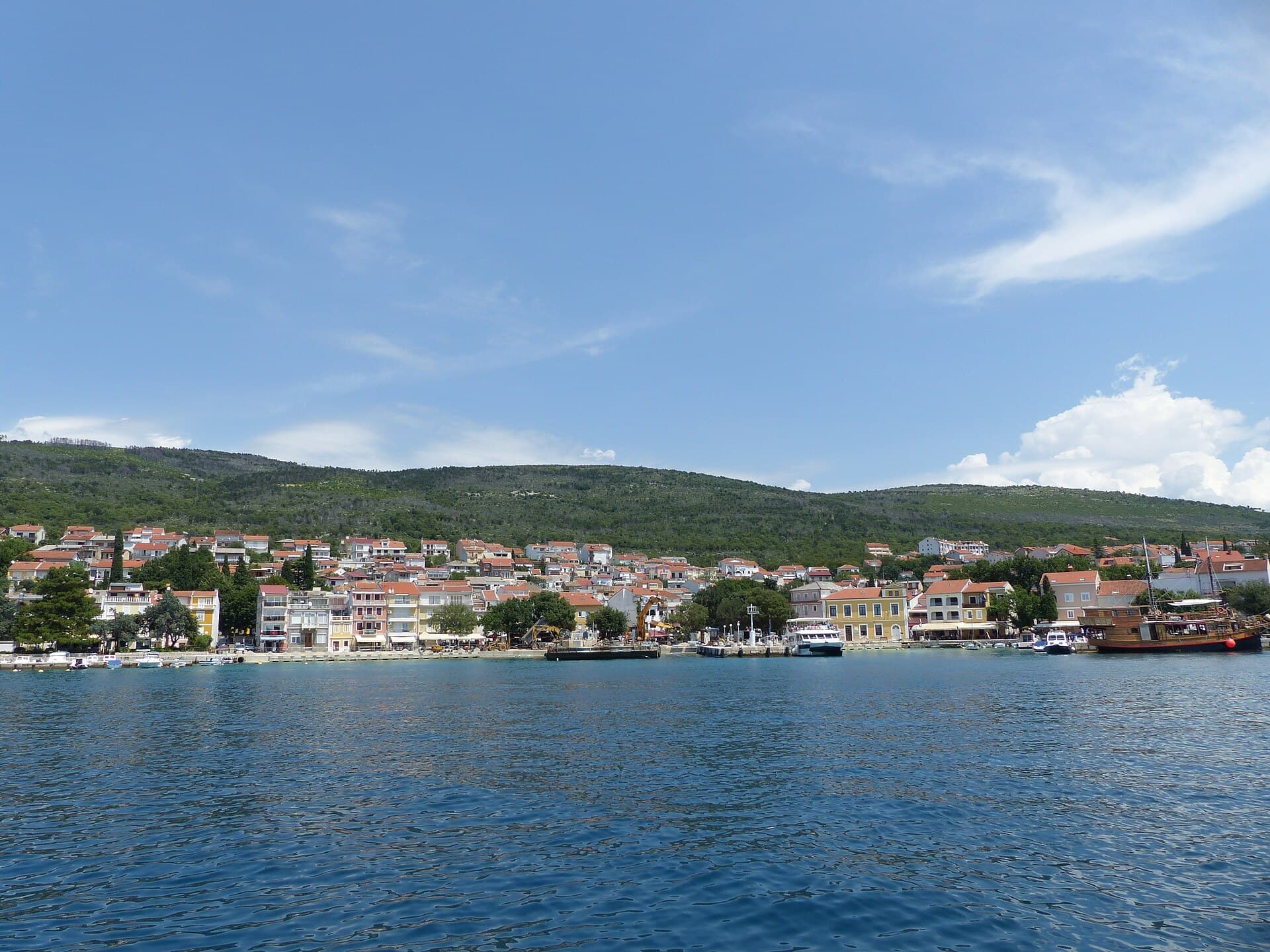
Novi Vinodolski rises above the Kvarner coast at the southern edge of the Vinodol valley, with its historic centre grouped around the Frankopan Castle and church towers. It was in this castle on 6 January 1288 that the Vinodol Code was compiled, one of the most important medieval legal monuments written in Croatian and Glagolitic script. The town also preserves Turnac Tower, the remains of Lopsica fortress and spaces connected with Frankopan history. The waterfront has a different rhythm: Lišanj, the main town beach, lies below the hotel of the same name, and a bathing area in this bay was already operating in 1886. The Novi Vinodolski Riviera extends for about 25 kilometres and includes Povile, Klenovica, Smokvica and Sibinj, with rocky and pebble coves along the route. From the centre it is therefore easy to combine a historic walk, swimming and a drive to smaller coastal settlements. The Vinodol Code gives Novi a cultural significance that clearly distinguishes it from a purely seaside resort.
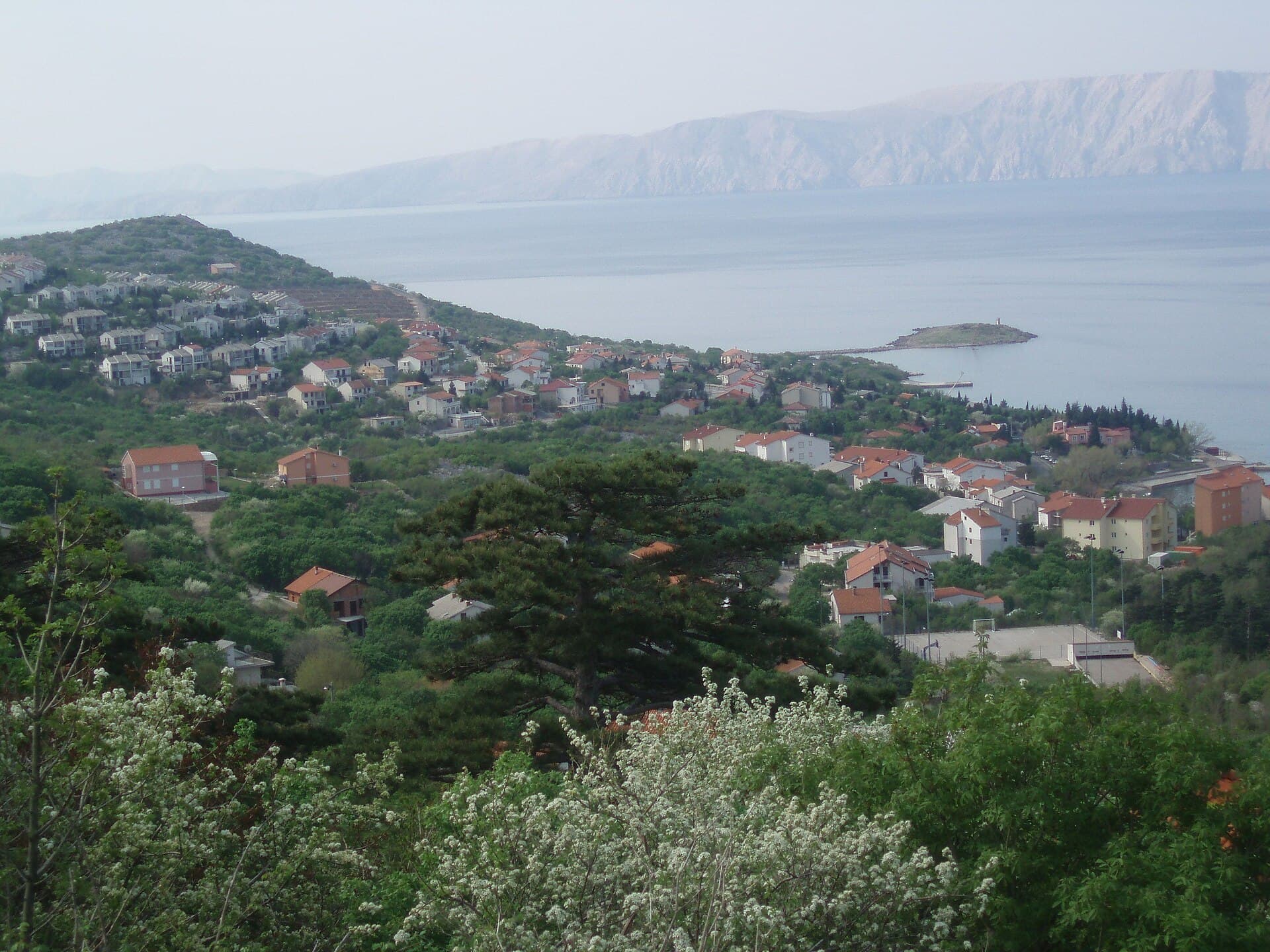
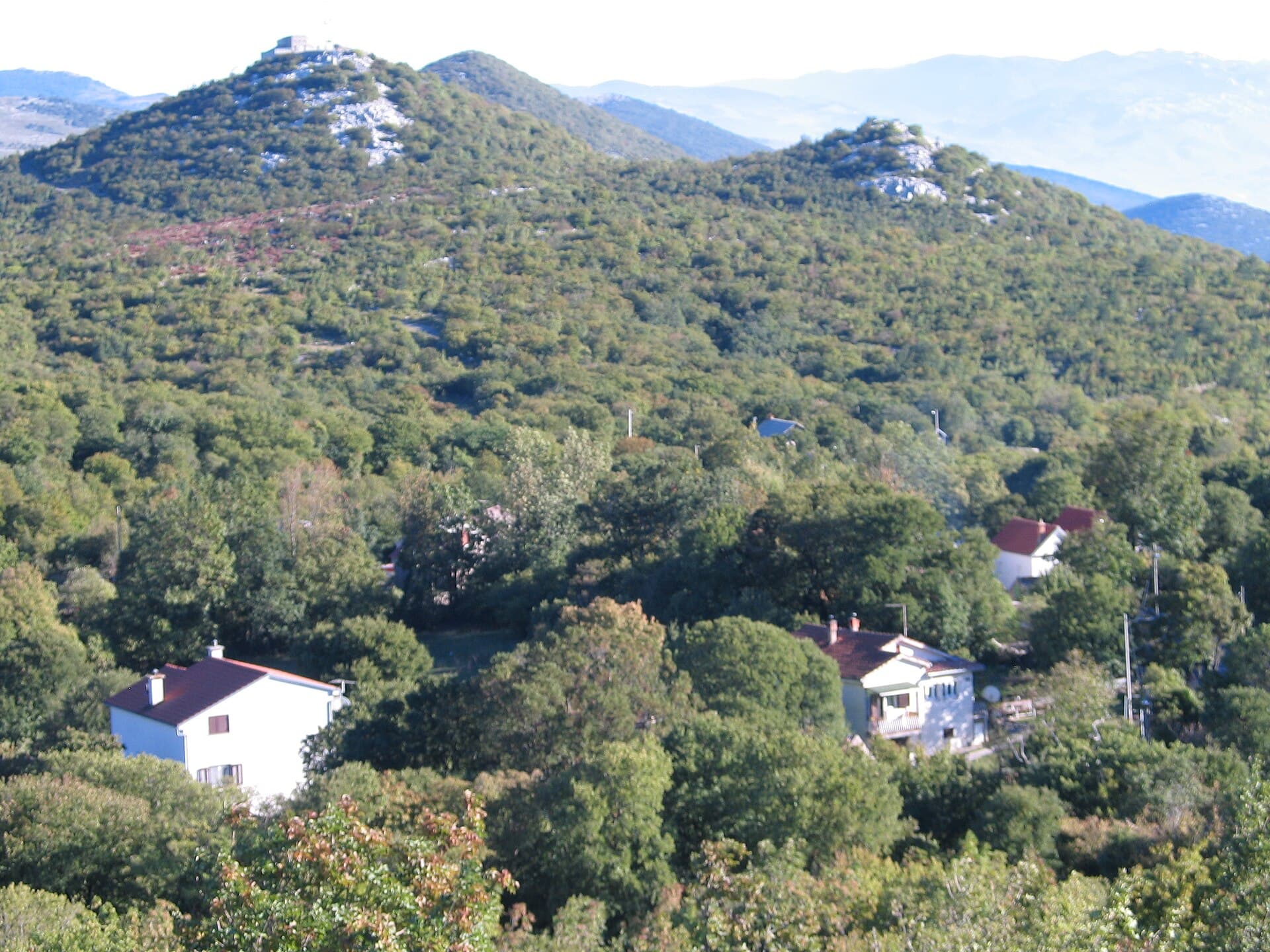
Novi Vinodolski does not sit on a flat shoreline but on a hillside above a sea bay, looking out over the fertile Vinodol plain. The old quarter, with its tight stone houses and narrow lanes leading to the parish church, was built in the 13th century by the dukes of Krk, later known as the Frankopans. The valley still holds the medieval castles of Drivenik, Tribalj, Grižane and Bribir. The Novi riviera stretches along roughly 25 kilometres of coast and takes in Povile, Klenovica, Sibinj, Smokvica and Ledenice, so the town ties together a belt running from the sea to the mountain forests. Gorski Kotar's woods are about half an hour away by car, and more than 300 kilometres of marked cycling routes lead from the shore through Vinodol to the forest belt. Above the town, the Pavlomir wine house revives the valley's winegrowing tradition, known in Roman times as Vallis Vinearia.
Stays nearby
 Apartment
Apartmeni Klenovica.eu
Klenovica
5 km from Novi Vinodolski
up to 4 guests · 1 bedroom
The host confirms the exact price for your dates and availability.
Things to see
The Frankopan Castle and the room associated with the adoption of the Vinodol Code in 1288 are Novi Vinodolski’s key historic sites. Turnac Tower and the remains of Lopsica fortress add further defensive heritage to the old centre.
Culture and history
The Vinodol Code was compiled on 6 January 1288 in Novigrad, today’s Novi Vinodolski. Written in Croatian using Glagolitic script, it records the legal customs of nine Vinodol municipalities and is the central document of local history.
Beaches
Lišanj is the main town beach below the hotel of the same name, and organised bathing in the bay dates back to 1886. The Riviera towards Povile, Klenovica, Smokvica and Sibinj adds further rocky and pebble coves.
Bathing water quality nearby
- Uvala Novi Vinodolski · 432 mexcellent · season 2025
- Kupalište kod tobogana · 601 mexcellent · season 2025
- Bribirska obala · 1.2 kmexcellent · season 2025
- Kupalište Crveni križ · 1.2 kmexcellent · season 2025
- Zagori kupalište - istok · 1.9 kmexcellent · season 2025
- Zagori kupalište - zapad · 2.1 kmexcellent · season 2025
Source: European Environment Agency (EEA); data from Croatian authorities. · bathing water profile
Things to do
A day in Novi Vinodolski is easiest to plan from the sea up to the viewpoints. The Wave Trail (Staza valova) follows the coast to neighbouring Jadranovo, while for views from above the town has a set of lookouts called the Eyes of Vinodol: Kuk (301 m) at the entrance to Krmpotje overlooks the Novi riviera from Smokvica to Povile, Slipica (446 m) above Bribir takes in the Velebit Channel and Mount Učka, and Mahavica (781 m) on the Antovo–Plase road reaches out to the islands of Krk, Cres, Rab and Pag. Walkers can do the 10.5-kilometre circular trail From the Springs to the Frankopans, which starts in Povile, climbs about 450 metres and passes the ruins of Ledenice with their unusual round cemetery. The Degenia Trail above Sibinj runs through the gorges of Vodna draga, and the Velebit degenia blooms there in April and May. Cyclists can ride the loop Novi Vinodolski – Povile – Tepli porat – Klenovica.
Food and drink
The cooking of the Novi riviera joins the sea with the Vinodol hinterland. The valley's best-known native dish is bribirski prisnac, a baked mixture of fresh cheese, bacon, eggs and onion traditionally eaten during Lent. For fish, head to Klenovica, a fishing village with Konoba Pod Orajom and the Stella Maris restaurant, while in Povile you will find Konoba Lucija. Above the town, among the vineyards at Vinska cesta 2, Konoba Studec serves octopus cooked under the peka bell, a fish platter and grilled dishes. Wine comes with it: žlahtina, a native variety with notes of citrus and sea stone, and the Pavlomir wine house also makes the sparkling wines 1288 and San Marino. From spring to autumn, wild plants such as asparagus, dandelion and fennel also reach the table.
Practical information
Practical information
Town hall is at Trg Vinodolskog zakona 1, the Tourist Board office at Kralja Tomislava 6 and the post office at Kralja Tomislava 31b. Jadran Pharmacy, at Korzo hrvatskih branitelja 17, opens on weekdays and Saturdays and is closed on Sundays. Healthcare is gathered in the new health centre at Jurkovo, opened on 5 November 2020: the building has four family medicine surgeries, two dental surgeries, a paediatric surgery and a tourist clinic, with a 22-space car park beside it. The town's website also lists the registry office at Trg Vinodolskog zakona 5. For emergencies at sea, dial 195.
Parking
Public parking is split into a zero zone, a first zone and a second zone. From 1 June to 30 September 2026 the first zone (the market, Rasadnik, Brajda, Jurkovo, the harbour, Korzo hrvatskih branitelja and the bus station) is charged around the clock, 0 to 24 hours, at 1.60 euros per started hour. The zero zone (Centar škola) is charged all year, at 1.80 euros an hour in summer. The second zone, Lukavice and Obala Petra Krešimira IV, costs 2.00 euros an hour over the same period, from 7 am to 10 pm. Outside the season the rate is 0.50 euros an hour, weekdays 7 am to 7 pm and Saturdays 7 am to 1 pm, and it is free on Sundays and holidays. The first 15 minutes on public car parks are free. You can pay with the Bmove app and portal, with Aircash, or in cash at the cashiers.
Getting there and around
The bus station is at Kralja Tomislava bb, and Arriva runs buses year-round towards Crikvenica and Senj. Crikvenica is about 10 kilometres away, and the ride takes from roughly ten to thirty minutes depending on the line; Senj is 22 kilometres and about 20 minutes away. Road congestion in the season can lengthen the trip. Rijeka is 41 to 43 kilometres away, about an hour by bus, and a direct line exists. Timetables and fares in Arriva's booking system depend on the travel date, so check them for the day you plan to travel; Arriva lists a 10 percent discount on return tickets.
Frequently asked questions
When was the Vinodol Code adopted?
On 6 January 1288 in the town then known as Novigrad.
Where is the main town beach?
Lišanj Beach lies below Hotel Lišanj.
How old is the bathing tradition at Lišanj Bay?
An organised bathing area opened there in 1886.
Which villages lie along the Novi Vinodolski Riviera?
Povile, Klenovica, Smokvica and Sibinj.
Was the Vinodol Code written in Glagolitic?
Nearby
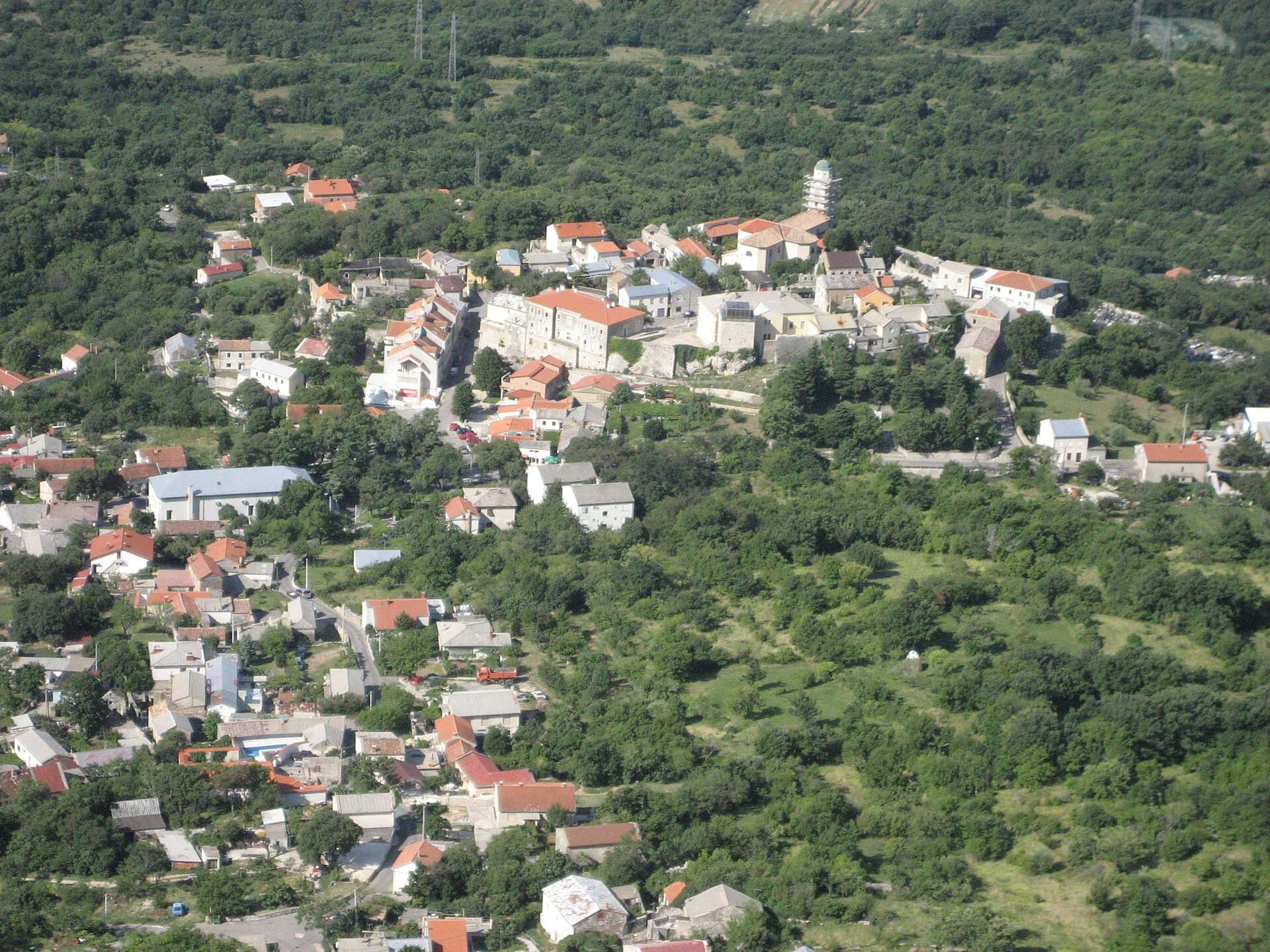
Bribir, Primorje-Gorski Kotar County
Village · Kvarner

Related guides
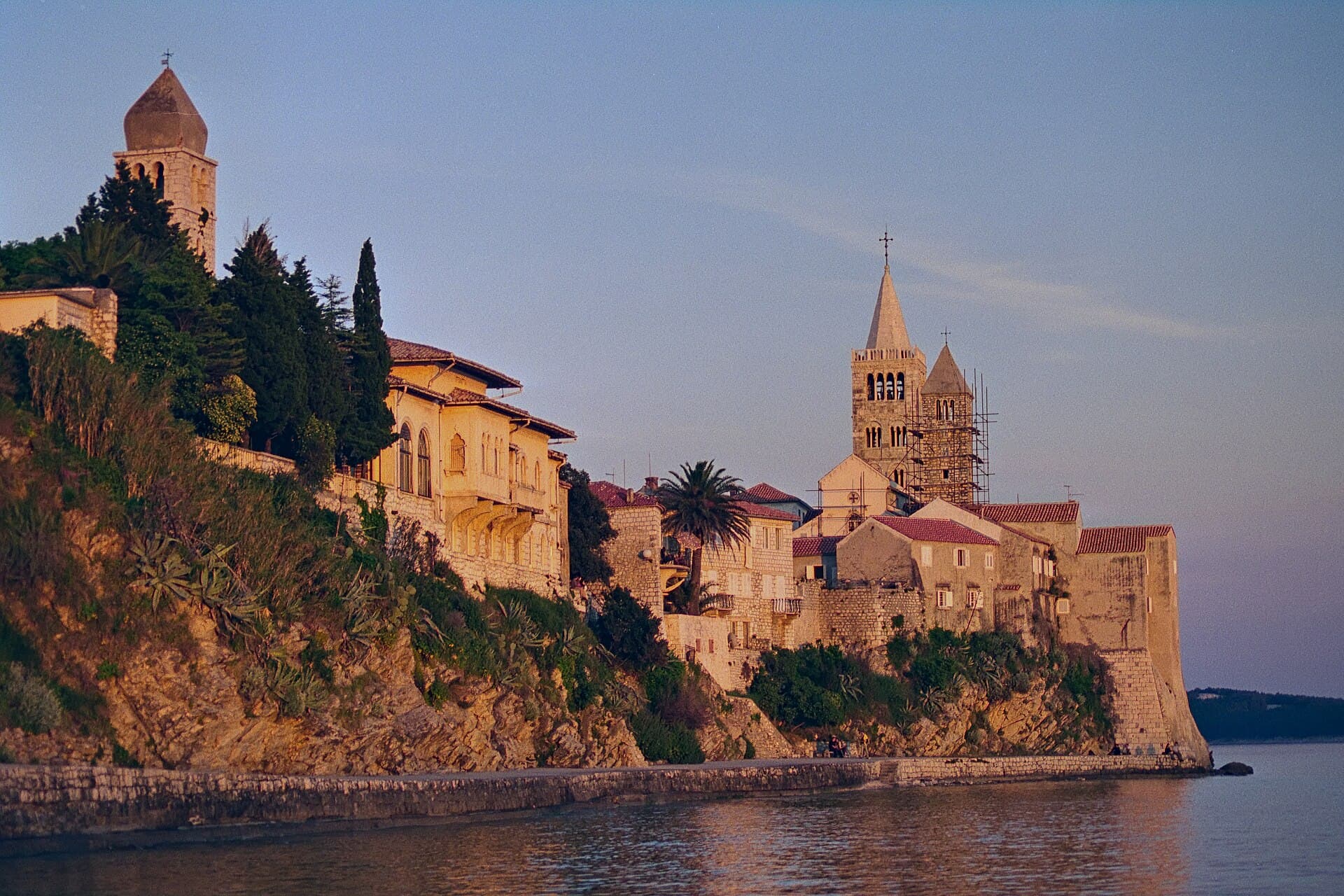
Rab
Rab's old town has a clear silhouette, but it rewards more than a postcard view. Its four towers mark distinct religious sites: the Assumption of Mary, St John the Evangelist, St Andrew and…
Read the guide
Help improve this page
Spot something missing or wrong? Suggest a correction, add your photo or report a problem. Editors review every suggestion before it is published.
Photo credits
- Novi Vinodolski — piet theisohn from Leverkusen, Germany · CC BY 2.0 · Wikimedia Commons
- Bribir, Primorje-Gorski Kotar County — Croq · CC BY-SA 3.0 · Wikimedia Commons
- Povile, Ledenice, Novi Vinodolski — Michal Klajban · CC BY-SA 3.0 · Wikimedia Commons
- Vinodol — Sl-Ziga · Public domain · Wikimedia Commons