
Jadranovo
About this place
Jadranovo follows the Kvarner shoreline between Rijeka and Crikvenica, with the main settlement rising above a sequence of small coves joined by coastal walking routes. Its most distinctive landmark is the tunera, a timber lookout once used during tuna fishing and now one of the few surviving structures of its kind in Kvarner. Nearby, the Fishermen’s House was built in 1878 and now commemorates the fishing communities of Jadranovo and its surroundings. Lokvišće Cove combines an archaeological site with naturally occurring therapeutic mud, while swimming spots include Tunera, Grabrova, Havišće, Tepla, Trstena and Vodna. Tunera Beach mixes pebbles, rock and concrete and provides parking, a toilet and family-oriented facilities. Jadranovo is connected to Crikvenica by a local bus through Dramalj, while intercity services use the stop at the D8 junction above the village. Dining remains closely tied to the water: Feral at Obala 37b serves fish and local cooking from a sea-view terrace. Rather than reproducing the busier atmosphere of central Crikvenica, Jadranovo is defined by compact coves, memories of tuna fishing and the shoreline between Lokvišće, Tunera and Grabrova.
Jadranovo belongs to the City of Crikvenica and is arranged between hillside neighbourhoods and coves below the Adriatic Highway. The older name Sveti Jakov survives in the parish and local place names, although the most recognisable structure is the timber tunera above the water. The Fishermen’s House, built in 1878 with funding from tunera leaseholder Stanko Mažić, recalls the period when tuna fishing shaped the village shoreline. Lokvišće Cove contributes another layer: an archaeological site shares the inlet with naturally occurring therapeutic mud. Beaches and houses then continue around Grabrova, Havišće, Vodna, Tepla and Trstena.
Things to see
The tunera is Jadranovo’s defining monument to its fishing tradition and one of the few surviving tuna lookouts in Kvarner. The Fishermen’s House was built beside it in 1878, financed by Stanko Mažić, who then held the tunera lease. Lokvišće contains archaeological remains, while the cove is also known for natural mud of recognised balneological quality. St James’s Church preserves the settlement’s former name and anchors its religious identity. Together these four places explain Jadranovo through the sea, fishing, archaeology and parish life rather than through grand urban monuments.

Stays nearby
- Apartment
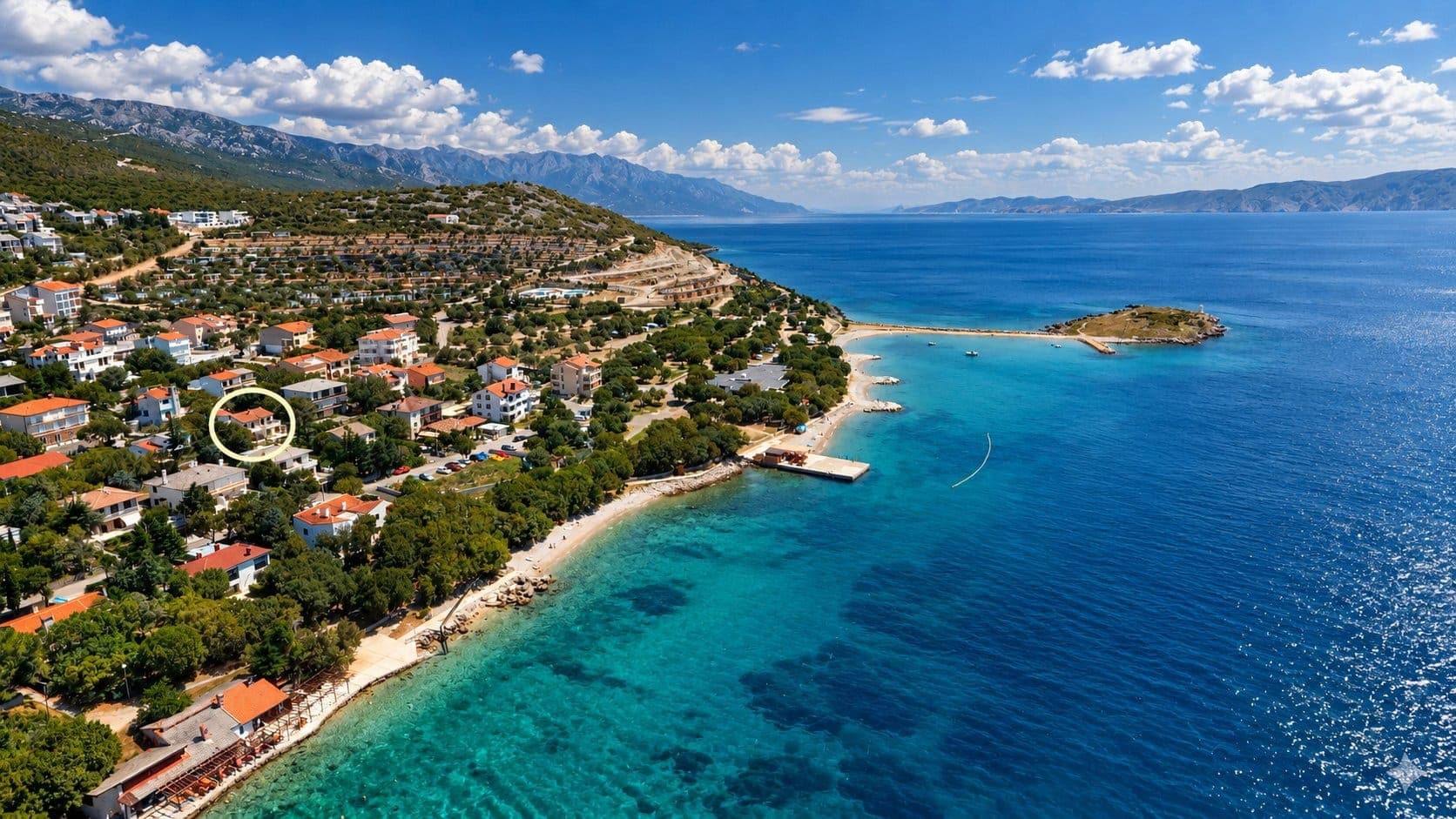 23 km from Jadranovo
Be the first to list here
Guests looking for this place only see stays nearby for now. No commission, and enquiries come straight to you.
List your accommodation
Beaches
Tunera Beach combines pebble, rock and concrete sections with parking, a toilet and an ice-cream outlet; the official destination portal classifies it as suitable for children and families. Grabrova is Jadranovo’s principal social beach area and hosts the Tuna Festival, directly recalling the village’s former tuna fishery. Havišće, Tepla, Trstena and Vodna extend the choice across several smaller coves. Lokvišće differs from all of them because its natural therapeutic mud lies beside an archaeological site, giving a swim there a markedly different setting from the more developed Tunera or lively Grabrova.
Bathing water quality nearby
- Jadranovo - uvala kod tunere · 496 mexcellent
- Nasip - Male skale · 538 mexcellent
- Jadranovo - uvala Grabova · 569 mexcellent
- Jadranovo - uvala Havišće · 1.1 kmexcellent
Source: European Environment Agency (EEA); data from Croatian authorities. · bathing water profile
Things to do
Start the morning at Lokvišće Cove, combining the archaeological setting with the inlet’s natural mud, then follow the shore towards the tunera. Beside it, visit the Fishermen’s House at Trg Stjepana Radića 1c, built in 1878 for the tuna-fishing operation. Continue to Tunera and Grabrova for swimming; the official destination listings also identify Havišće, Tepla, Trstena and Vodna. Return to Obala in the evening, where Feral’s terrace stands five metres from the sea. This sequence links Jadranovo’s archaeology, fishing heritage, small bathing coves and local cooking within one compact day.
Food and drink
Feral at Obala 37b stands five metres from the sea and provides 30 indoor seats plus 60 on a terrace overlooking Kvarner. Its listed offer includes fish, meat, local cooking, vegetarian dishes and gluten-free choices, with both cash and cards accepted. The official Jadranovo listings also include Kloštar and Selina restaurants, Sveti Jakov pizzeria and the waterside Grabrova pizzeria. Tuna supplies the village’s most specific culinary theme: the Tuna Festival at Grabrova recalls the fish for which Jadranovo’s distinctive lookout structures were built.
Tours and activities
AdAd · partner offers: Viator, GetYourGuideThe partner handles booking, payment and support. StayBravo may earn a commission on bookings made through these links.How we choose offersWe choose offers based on the page you are viewing: the partner destination for this place or the nearest one (with its distance), and on a sight page only offers that mention it. We show offers rated at least 4.3 with at least 10 reviews, without multi-day tours or pure transfers, ordered by rating adjusted for the number of reviews and then by the partner’s order. We do not use data about you, and the commission does not affect the order.GetYourGuide offers are selected and ordered by GetYourGuide based on the name of the nearest larger town or national park; we do not influence their selection and do not use data about you.Viator
Nearest destination: Kvarner (7 km)
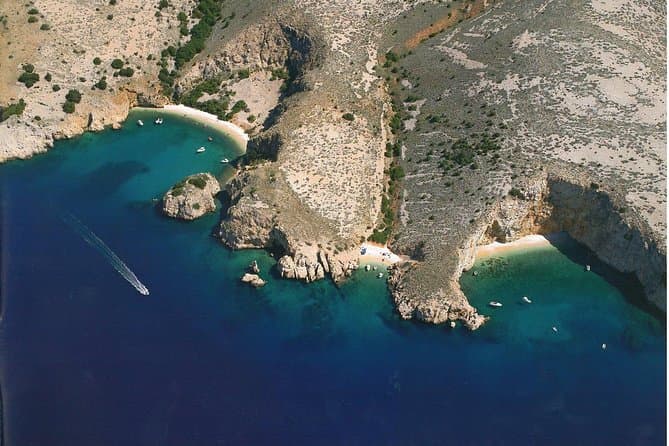
Private Wild Bays Boat Trip with Captain Bobo (opens in a new tab)
A relaxing half-day excursion, in the season, with less boat ride and more swimming in the perfectly clear sea and sunbathing on the most beautiful beaches of the northern Adriatic, ideal for all…
Rated 5 out of 5 · 50 reviews· 3.5 h
Free cancellation
from €190
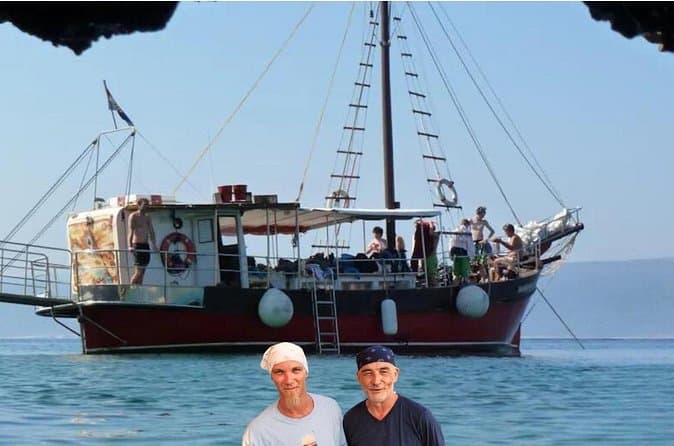
Discover Island Plavnik with a Pirate Ship ALL INCLUSIVE !! (opens in a new tab)
Discover the unique nature of Plavnik Island and the Wild bays in 8 hours with our captain Toni and his son Borna. Explore the blue cave and admire the rare griffon vultures. Swim in the small bays…
Rated 5 out of 5 · 23 reviews· 8 h
Free cancellation
from €45
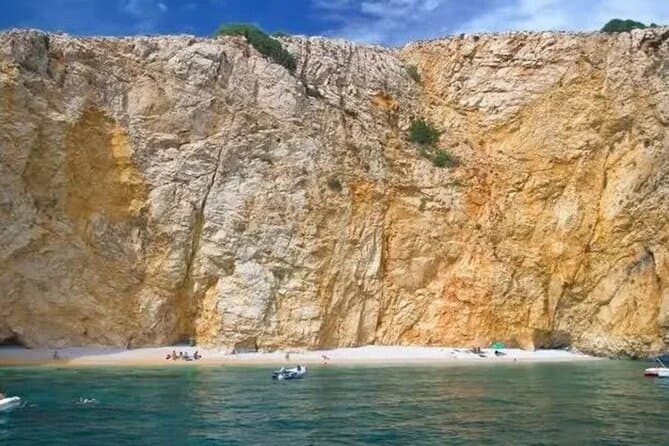
PUBLIC 3,5h Swimming and Snorkeling on the Wild Bays (opens in a new tab)
A relaxing public half-day excursion (3,5h), with less boat ride and more swimming and snorkeling in the perfect clear sea, and sunbathing on the most beautiful beaches of the northern Adriatic…
Rated 5 out of 5 · 22 reviews· 3.5 h
Free cancellation
from €37

Private Plavnik Island Half-Day boat trip with capt. Bobo (opens in a new tab)
If you want a little more adventure, come with me to Plavnik, second largest uninhabited island in Croatia. After an hour boat ride, we reach the northern coast of the island Plavnik, which reveals…
Rated 4.9 out of 5 · 22 reviews· 5 h
Free cancellation
from €340
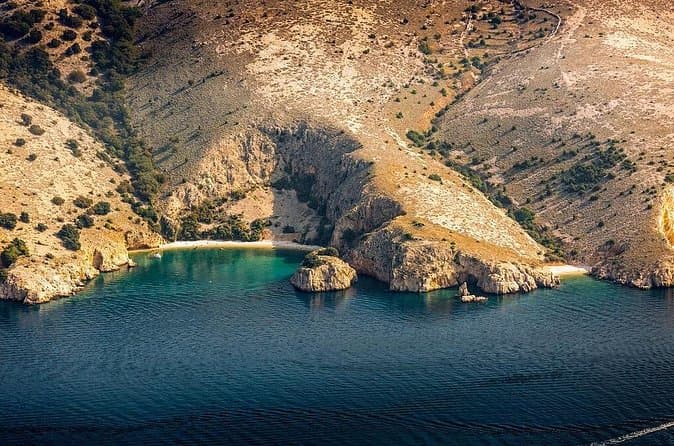
Private 7,5h Plavnik Island & Wild Bays Full-day Boat Trip (opens in a new tab)
If you like to sail with local traditional boats and enjoy the endless blue of the beautiful Adriatic Sea and you are not too big a fan of mass tourism, then this is the best option for you. After…
Rated 5 out of 5 · 13 reviews· 7.5 h
Free cancellation
from €650
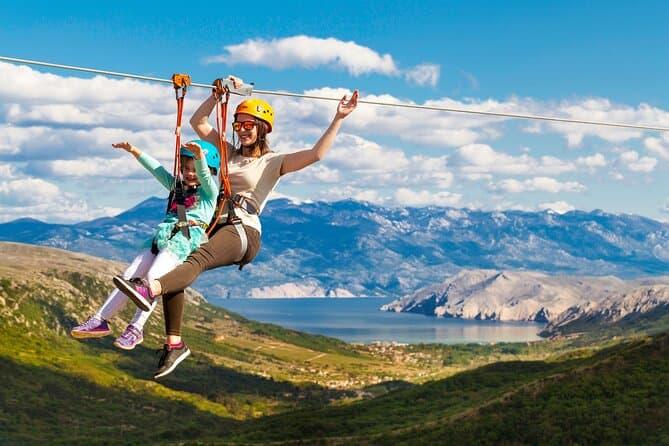
Zipline Experience Krk (opens in a new tab)
This is a attraction on the island of Krk and the whole of Croatia, intended for families and adventure lovers. We offers our visitors an unforgettable experience; driving our jeep, walking among…
Rated 4.7 out of 5 · 114 reviews· 2 h
Free cancellation
from €80
GetYourGuide · Crikvenica
We show GetYourGuide offers once you allow their cookies.
Practical information
Practical information
Visitor information for Jadranovo is provided by the Crikvenica Tourist Board, based at Trg Stjepana Radića 1c in Crikvenica. The Fishermen’s House is listed at the same address within the local tourism network, so visiting arrangements are best checked directly before setting out. The official portal records Feral as a seasonal restaurant, making an advance check sensible outside summer. Jadranovo descends from the highway to several separate coves, so suitable footwear for the uphill return and a clear plan for reaching the chosen beach matter more here than in a flat waterfront town.
Parking
The official Tunera Beach listing includes parking among its on-site facilities, alongside a toilet and family-oriented amenities. The enclosed public car park “Obala Jadranovo” appears in the city’s parking regulations, so current signs should be consulted for the applicable terms and charge. During the 2026 summer traffic scheme, Obala, Šiljevica and Primorska operated one-way before the arrangement ended on 15 September. This seasonal pattern means that driving access to Grabrova and Tunera can differ from off-season conditions, particularly along the narrow streets nearest the water.
Getting there and around
Arriva’s local route links Crikvenica, Dramalj and Jadranovo before returning along the same corridor. Tickets are sold through Arriva’s app and web shop, at its Crikvenica sales point or aboard the bus. Intercity services use the “Jadranovo raskrižje” stop on the Adriatic Highway; one published 2026 journey reaches Crikvenica in about 19 minutes. Because that junction stands above the waterfront coves, passengers heading for Tunera, Grabrova or Lokvišće must allow for an additional downhill walk and the corresponding climb back.
Frequently asked questions
Where is Jadranovo’s tunera?
The tunera stands by the shore near the beach of the same name and the Fishermen’s House, a rare surviving Kvarner tuna lookout.
What makes Lokvišće distinctive?
Lokvišće Cove combines an archaeological site with naturally occurring therapeutic mud.
Does Tunera Beach have parking?
Yes; its official listing also records a toilet, pebbles, rocks, concrete sections and children’s facilities.
Is there a bus from Jadranovo to Crikvenica?
Arriva operates a local loop from Crikvenica through Dramalj to Jadranovo and back.
When was the Fishermen’s House built?
The Fishermen’s House was built in 1878 for the tuna fishery, financed by tunera leaseholder Stanko Mažić.
Nearby
Jadranovo
Open in OpenStreetMap(opens in a new tab)Smaller places
straight-line distance
Related guides
Rab
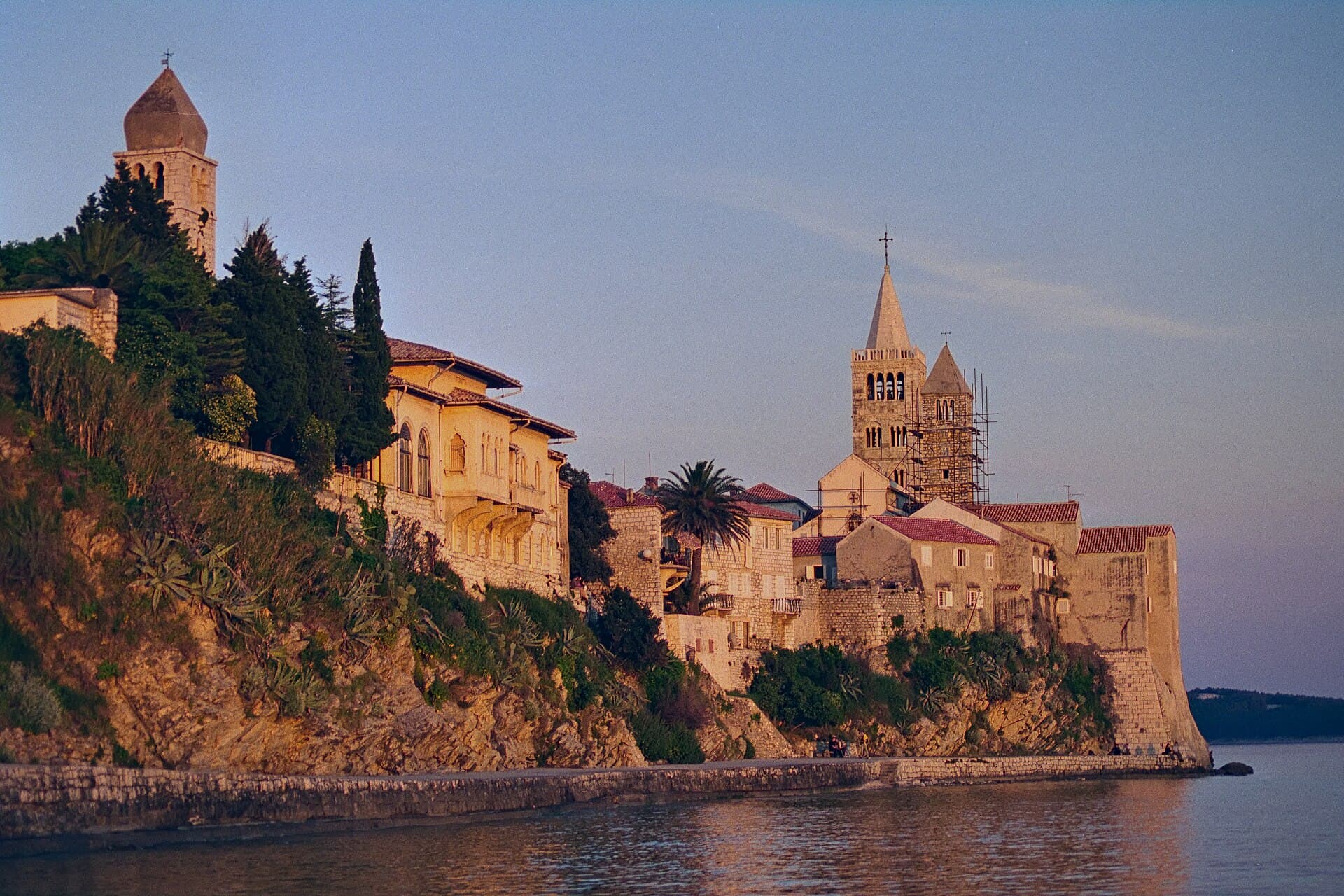
Rab's old town has a clear silhouette, but it rewards more than a postcard view. Its four towers mark distinct religious sites: the Assumption of Mary, St John the Evangelist, St Andrew and…
Read the guide
Opatija
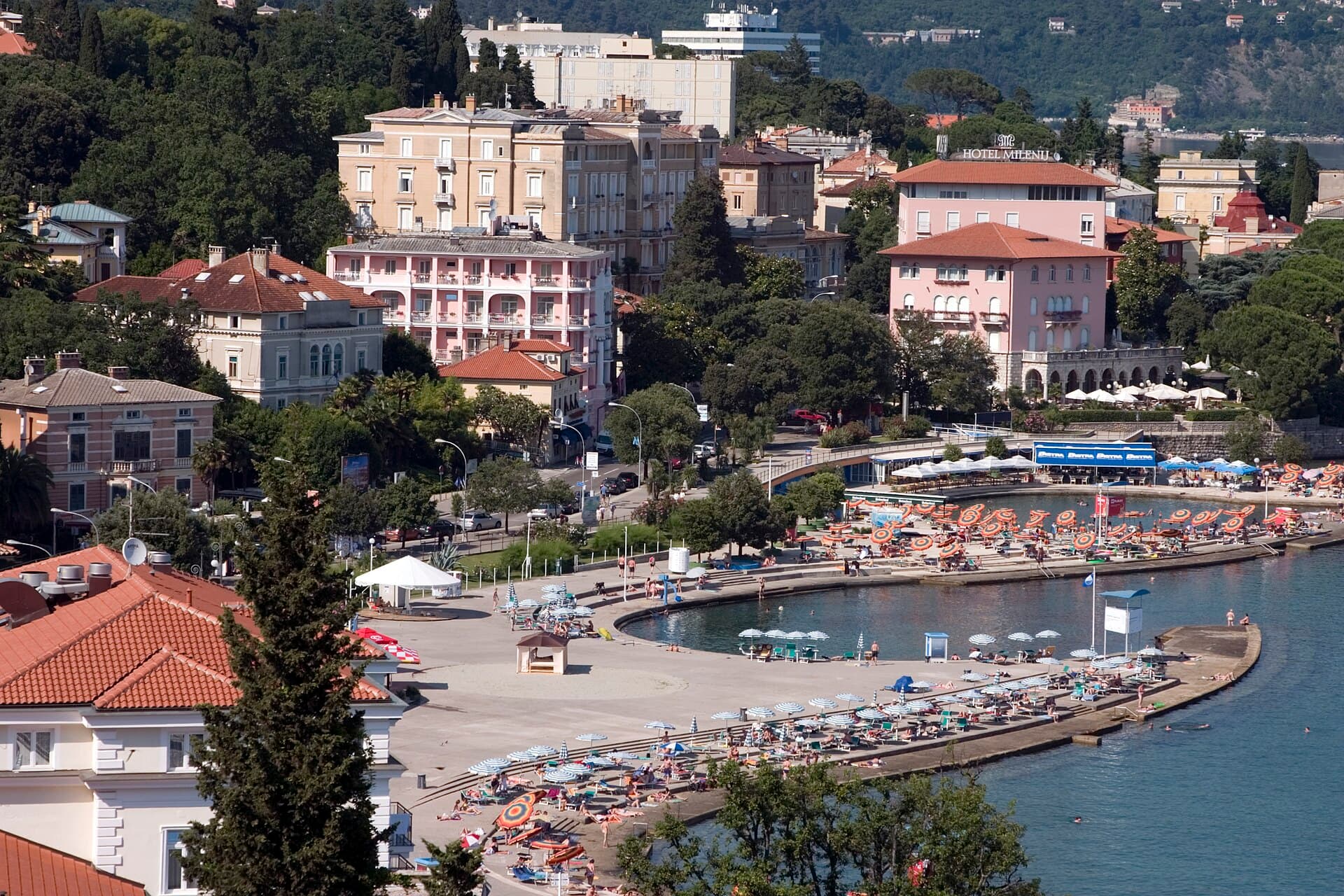
Opatija's central experience revolves around the shore and parks. The Lungomare is a connection, not an obligation to complete the entire route in one outing. Treat Angiolina and St James's…
Read the guide
Mali Lošinj
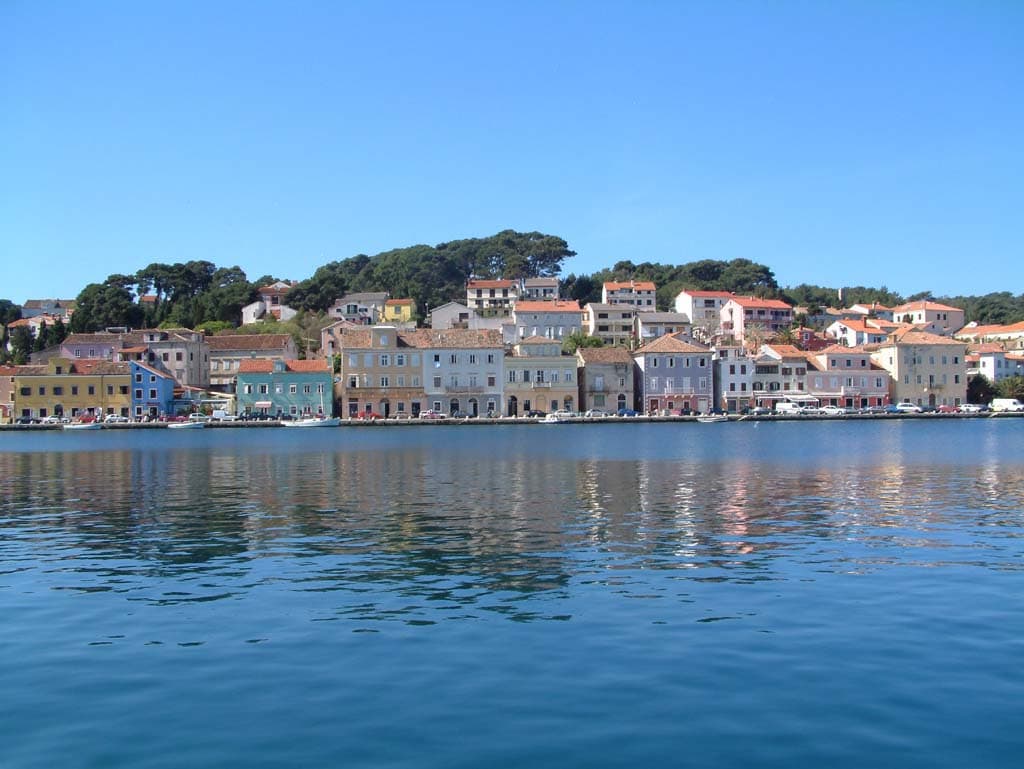
Use the harbour as your starting point, but do not reduce Mali Lošinj to its waterfront. The Apoxyomenos Museum belongs to this everyday urban setting, whereas Čikat offers a different…
Read the guide
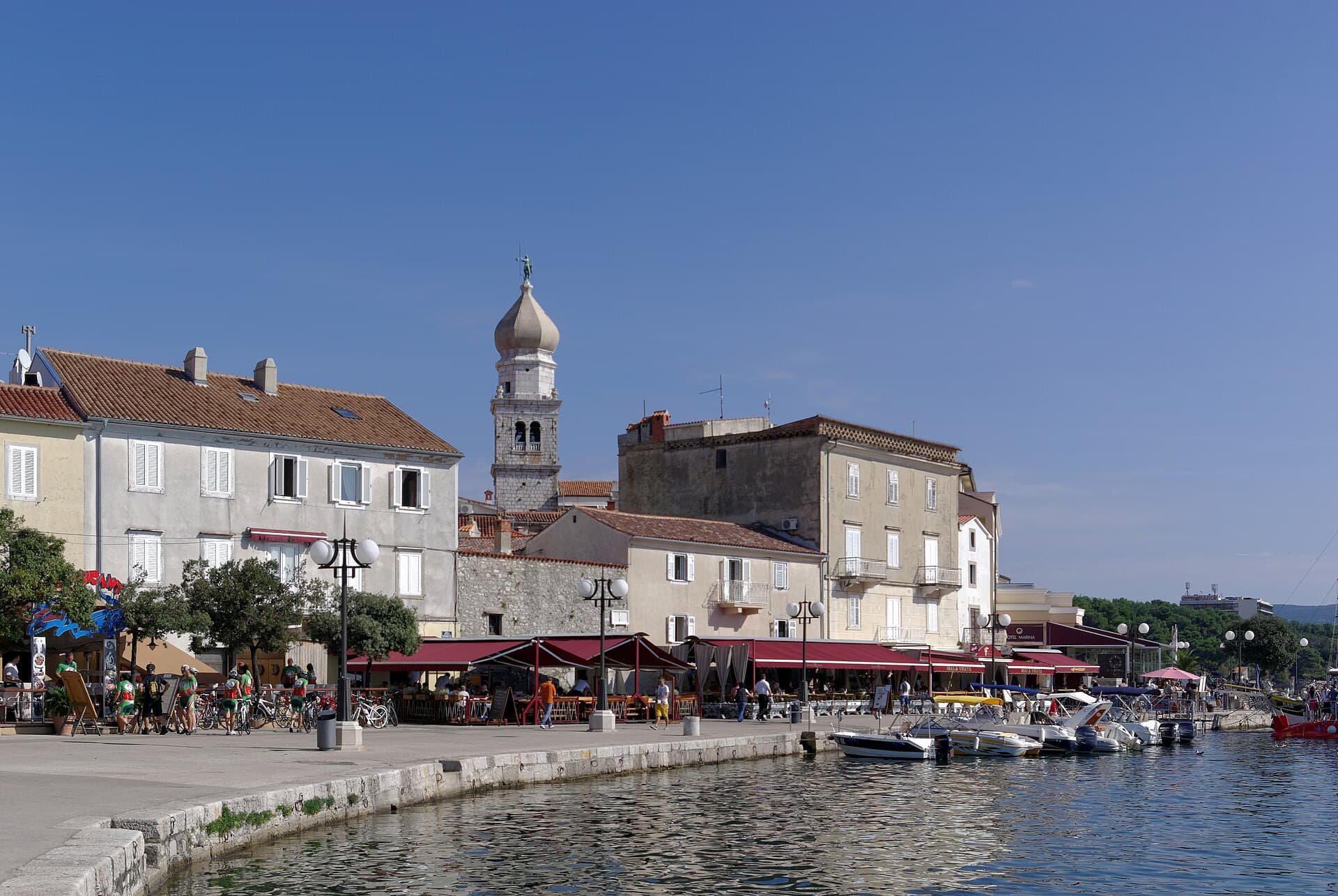
Krk
Kamplin makes a useful starting point because several aspects of the town meet in a small area. The castle's defensive architecture stands alongside the religious complex, while changes in…
Read the guide
Know Jadranovo? Correct us
Tell us in your own words what is not accurate. We check right away.Do not enter personal data. Corrections are checked by the StayBravo AI assistant; changes to the description are approved by an editor. Use the form instead
Do you know Jadranovo?
Help the guests who come after you.
Help us complete
Nothing is published without an editor’s review.Report illegal content
Photo credits: Jadranovo — We El (Public domain) · Šmrika, Križišće, Dramalj, Kraljevica, Hreljin Castle — Roberta F. (CC BY-SA 3.0) · Drivenik — Sl-Ziga (Public domain) · Rudine, Dobrinj — harassek (CC BY-SA 3.0) · Tribalj — Ante Perkovic (CC BY 3.0) · Omišalj — Harald Hetzner (CC0) · Hreljin — Igorst051 (Public domain) · Drivenik Castle — Andrzej Walczak (CC BY-SA 3.0) · Biserujka cave — Steffen 962 (Public domain) · Fulfinum — Derbrauni (CC BY-SA 4.0) · Apartmani Klenovica.eu — Ljiljana Pavkovic (courtesy of the property owner) · Rab — Herbert Ortner (CC BY 4.0) · Opatija — Jimmy Harris (CC BY 2.0) · Mali Lošinj — K. Korlevic (Public domain) · Krk — Berthold Werner (CC BY-SA 3.0)