Milna
About this place
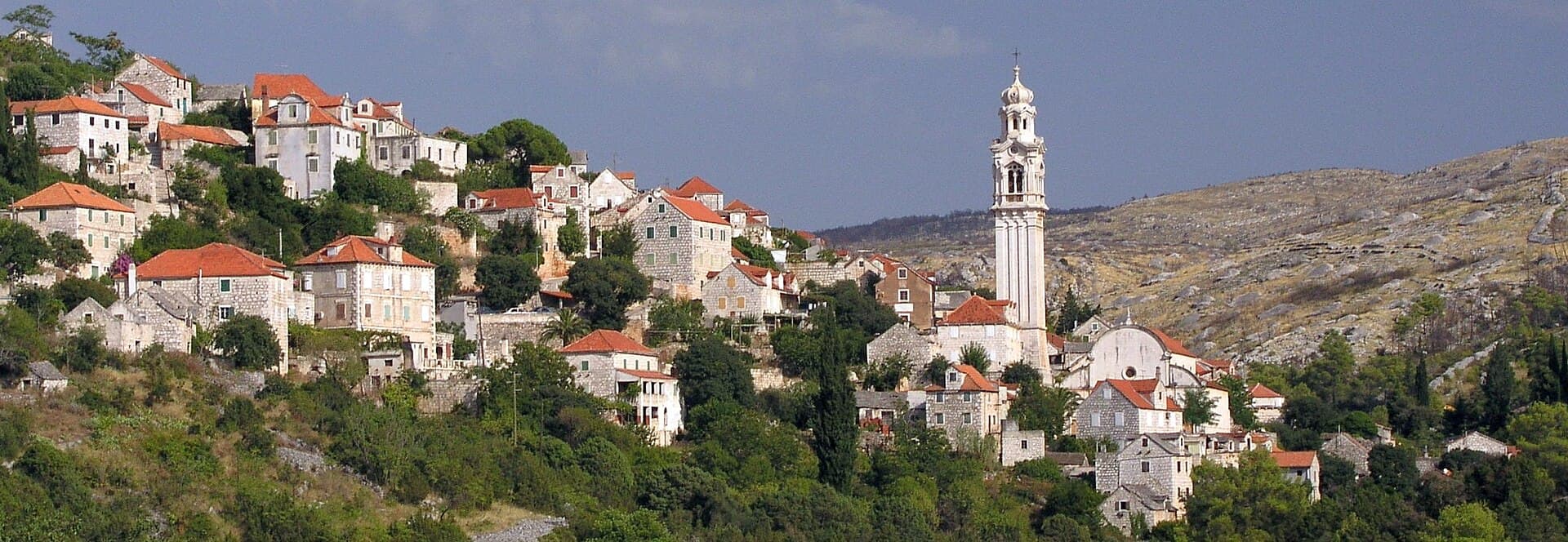
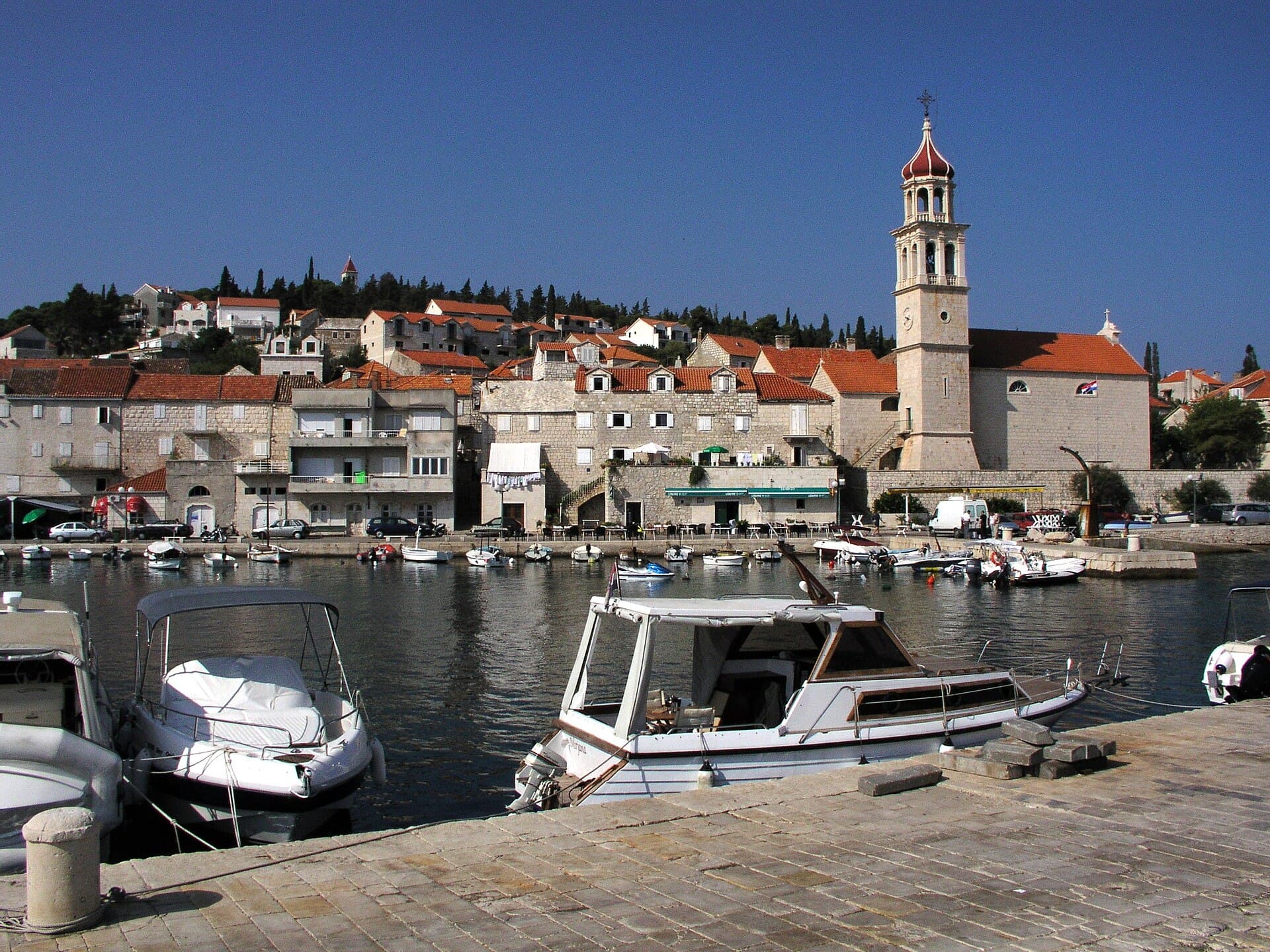
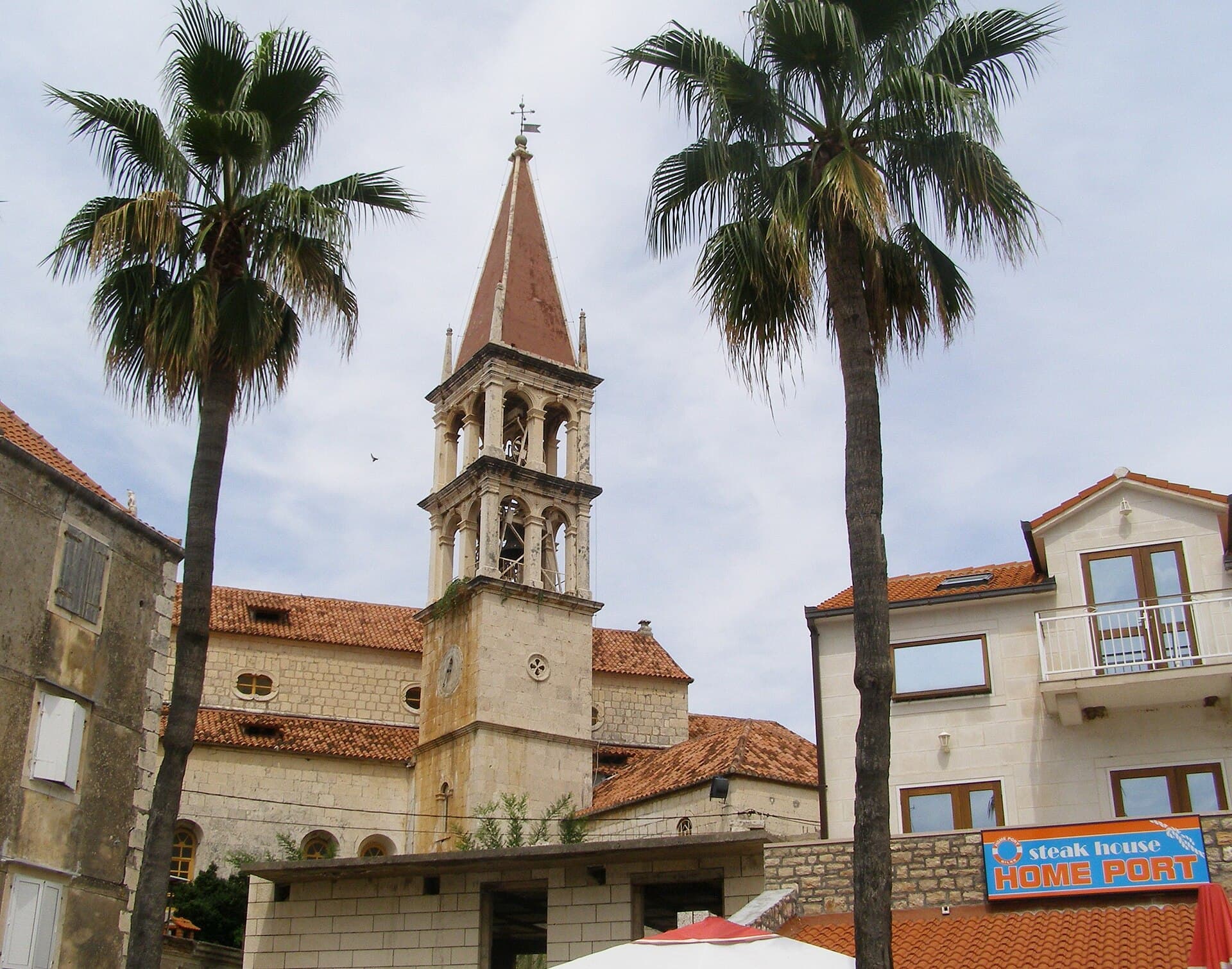
Milna sits in a deep bay on Brač’s western coast, where its naturally sheltered harbour explains why the village has long been oriented towards ships. Stone houses and façades along the waterfront form part of the local building tradition, while the parish church of Our Lady of the Annunciation stands out in the centre. Osibova Bay, south of the village, offers quieter swimming spots and two small churches, while routes continue from Milna towards Bobovišća and Ložišća in western Brač. Today’s marinas continue the harbour’s role and make Milna an important stop for boaters sailing between Splitska Vrata, Šolta and Hvar. For an overland visit, the transition from the maintained waterfront to old stone lanes rising above the harbour is especially appealing. Milna is not a place of monumental sights at every turn; its character lies in its harmonious harbour, stone-building tradition and immediate access to smaller coves. A first visit works best when it combines a walk around the harbour, a church visit and a trip towards Osibova. Views towards Splitska Vrata further underline the village’s maritime setting.
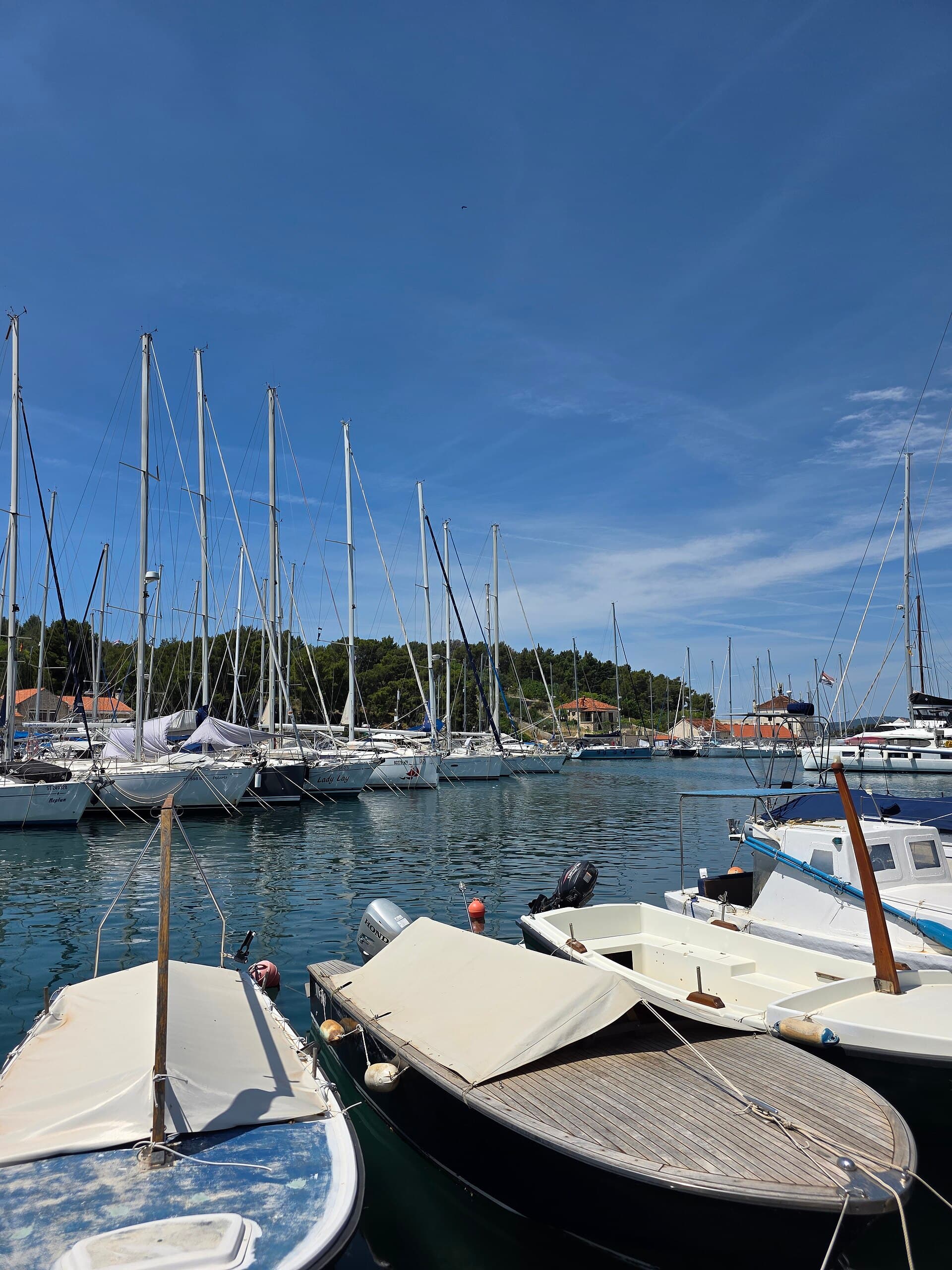
Milna is strongly defined by its shipbuilding and maritime past. The village is associated with the development of the Dalmatian bracera, a traditional cargo sailing vessel that became one of the characteristic boat types of the eastern Adriatic. That relationship with the sea continues today through its marinas, boats and long waterfront, while a chain of western Brač coves begins almost immediately outside the harbour. Lučice, Makarac, Salbunara and the surrounding waters give Milna a distinctly nautical rhythm, while inland roads lead towards Ložišća and Bobovišća. As a result, Milna works simultaneously as a lived-in island village, a harbour and a practical base for exploring the western part of Brač.
Stays nearby
 Apartment
Apartmeni Klenovica.eu
Klenovica
Klenovica, 235 km from Milna
up to 4 guests · 1 bedroom
The host confirms the exact price for your dates and availability.
Things to see
Milna is historically and spatially tied to its harbour. The parish Church of Our Lady of the Annunciation stands near the central waterfront, while stone houses along the quay reflect the building tradition of western Brač. South of the port lies Osibova, a bay known for swimming and two small churches. Roads from Milna continue easily towards Bobovišća and Ložišća, allowing a visit to combine the coast with the island’s interior. The nautical character is more than a modern tourism feature: the deep, sheltered bay explains the long continuity of seafaring and boatbuilding here. For a short visit, follow the waterfront around the harbour and then enter some of the older lanes rising behind the quay.

Beaches
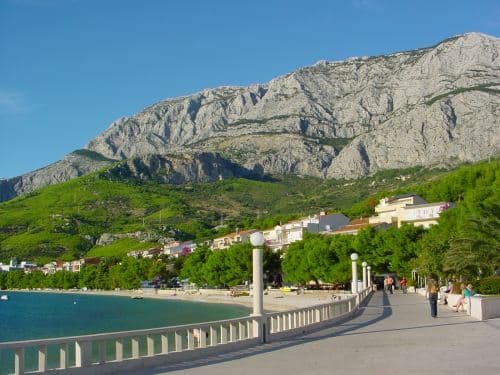
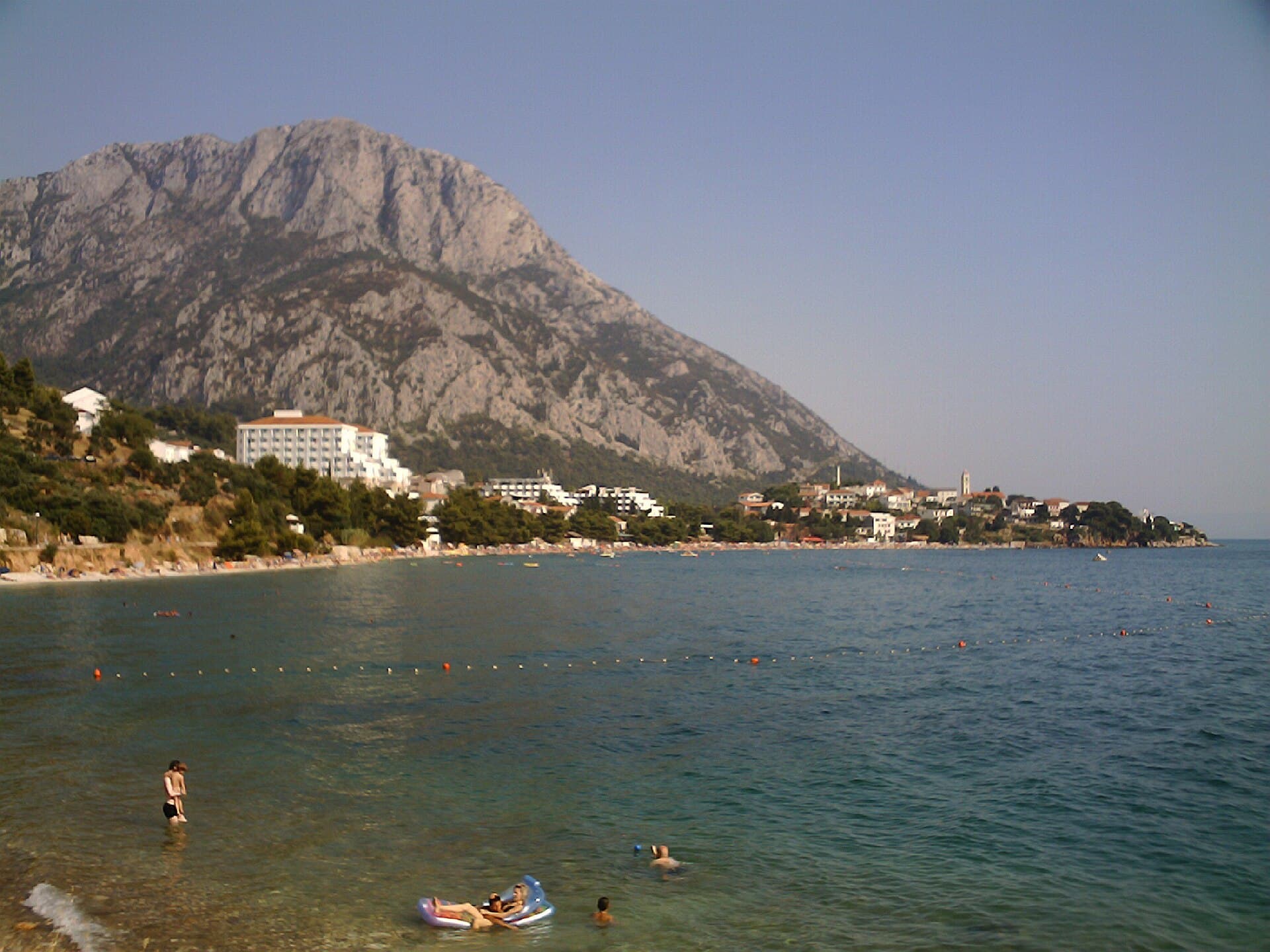
Bijaka is the most convenient developed swimming area close to Milna itself. The local tourist board notes its sandy seabed and nearby facilities, making it useful when visitors do not want to travel to more remote coves. South of the village, Makarac and Osibova offer a more indented and quieter shoreline. Lučice stands out as a large bay divided into five arms, with pine cover and interesting underwater scenery, while Salbunara and Ošišac provide further options around the western and southern coast. Milna therefore offers more variety than a single town beach suggests, ranging from an accessible local swimming spot to sheltered coves better reached by car or boat.
Bathing water quality nearby
- Vlaška · 743 mexcellent · season 2025
- Bijaka · 974 mexcellent · season 2025
Source: European Environment Agency (EEA); data from Croatian authorities. · bathing water profile
Things to do
A day in Milna can begin with a walk along the waterfront and a look at the stone houses associated with the village’s former maritime prosperity, followed by a swim at Bijaka. South of the village, Lučice is especially rewarding for coastal exploration: the bay splits into several arms and includes areas used for diving and sheltered anchoring. By boat, visitors can head towards tiny Mrduja at the entrance to the Splitska vrata channel or explore coves such as Makarac and Osibova. Returning to Milna for dinner on the waterfront completes an easy day, while more active visitors can combine swimming with diving, sailing or fishing.
Food and drink
Milna has a concentrated choice of restaurants around the waterfront and harbour, with several additional options in the surrounding bays. The local tourist board lists venues including Dario’s Pizza & Pasta, Nono Deslav, Slika, Palma, Gajeta, Bonito, Navigare and Fontana, while Lučice Bay Restaurant lies outside the village centre. The local food profile centres on fish, olive oil and familiar Dalmatian dishes, matching Milna’s maritime character. During July and August, the most practical choice depends on the day’s route: restaurants on the central waterfront suit visitors staying in the village, whereas a meal in one of the outer coves works particularly well when exploring by boat.
Practical information
Practical information
The Milna tourist office is at Riva 5 in the centre of the village, making it a convenient point for local maps, event information and advice on nearby coves. Milna has several marinas and mooring areas, so shops, restaurants and everyday services are strongly focused around the harbour. ACI Marina Milna has published information in 2026 relating to reconstruction work in part of the marina, so sailors planning a specific berth should check current operating arrangements before arrival. For land-based visitors, most central services are within walking distance, while Lučice and the more remote bays should be treated as separate short excursions rather than extensions of a stroll through town.
Getting there and around
Milna has two useful connections with the rest of Dalmatia. Krilo operates fast-boat services linking the village with Split, with the Split–Milna crossing taking roughly 30 minutes. Travellers arriving on Brač via the Split–Supetar car ferry can continue by Arriva bus; Milna and Supetar are about 20 kilometres apart and the bus journey takes around half an hour, with daily services and additional seasonal departures. These connections make a car-free stay possible, although the actual timetable should be checked for the travel date. Drivers arriving through Supetar simply continue across the western part of Brač, with no second ferry needed.
Frequently asked questions
Why is Milna harbour naturally important?
Milna lies in a deep, sheltered bay on western Brač that is well suited to safe mooring.
What can be found in Osibova Bay near Milna?
Osibova has swimming spots and two small churches south of the village.
What is the main church in Milna?
The parish Church of Our Lady of the Annunciation is a prominent landmark in the centre.
Which inland Brač villages are close to Milna?
Bobovišća and Ložišća are natural extensions of a trip from Milna into western Brač.

Related guides

Split
In Split, the transition from ancient monument to ordinary street is almost imperceptible: entering the southern part of Diocletian’s Palace from the Riva leads towards the Peristyle, then…
Read the guide

Help improve this page
Spot something missing or wrong? Suggest a correction, add your photo or report a problem. Editors review every suggestion before it is published.