
About this place
Zmajevac lies on the slopes of Bansko Brdo in Baranja, where the defining landscape is not a central square but a network of surduci—sunken lanes lined with gatori, traditional wine cellars dug into loess. Their temperature remains around 12–15°C throughout the year, so the village architecture tells a direct story of winemaking and storage. Three cellar districts offer distinct scenes: Ružina Street gathers several small producers, the Catholic Surduk combines cellars with Josić restaurant and winery, and the Reformed or Scholars’ Surduk begins at the Calvinist church. Graševina is the dominant grape, while some Zmajevac growers preserve the much rarer blue Kadarka. The village is therefore best explored on foot, moving from the church through the cellar lanes with tastings arranged in advance. On 25–26 September 2026, the Wine Marathon turns those same surduci into a route of tastings, music and competitive cellar visits. Zmajevac has a clinic and a pharmacy with limited opening days, while broader services are available in Kneževi Vinogradi and Beli Manastir. Osijek is approximately 36 kilometres south, and a car or bicycle is more practical than relying on infrequent local connections when exploring Baranja’s wine villages.
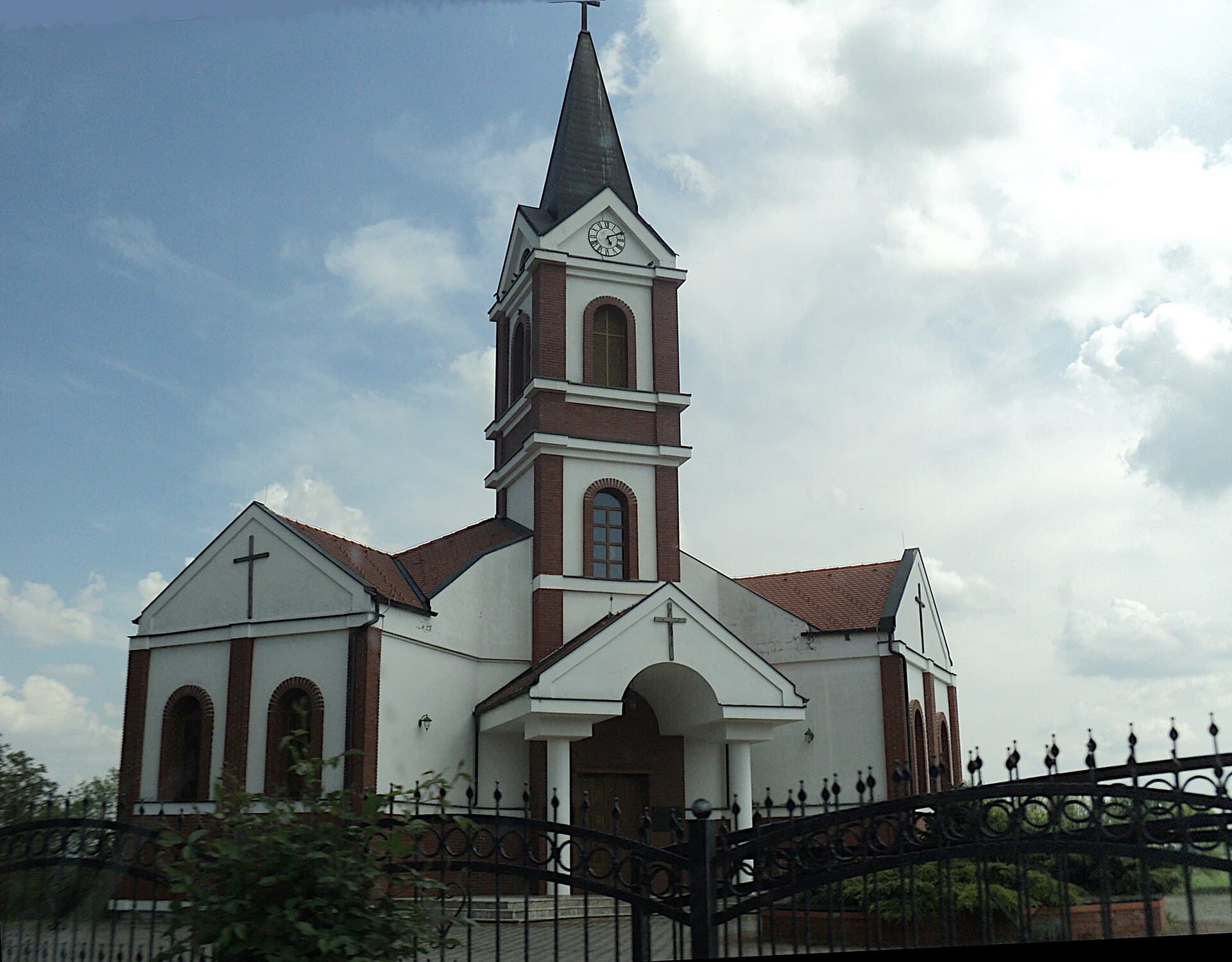
Zmajevac is a wine village on Bansko Brdo whose layout is shaped by three surduci lined with cellars dug into loess. The gatori are not decorative scenery: their steady temperature of roughly 12–15°C supported grape processing and wine storage. Ružina Street is home to the Čočić, Guštin, Majorić and Varga winemakers; the Catholic Surduk gathers Čokot Čarda, Josić and other cellars; and the Reformed Surduk begins at the Calvinist church. This blend of Hungarian heritage, church landmarks and active winemaking distinguishes Zmajevac from neighbouring Baranja villages.
Stays nearby
 Apartment
Apartmeni Klenovica.eu
Klenovica
Klenovica, 318 km from Zmajevac, Kneževi Vinogradi
up to 4 guests · 1 bedroom
The host confirms the exact price for your dates and availability.
Things to see
Zmajevac’s principal attraction is the complete cultural landscape of surduci and gatori—cellars built more than a century ago in cuts through Bansko Brdo. The Reformed Surduk starts beside the Calvinist church and is also called the Scholars’ Lane because it once led towards Zmajevac’s historic school. Ružina Street preserves a row of active small wineries, while the Catholic Surduk combines religious, wine and culinary landmarks. The local wine shop and heritage museum add context about village life and viticulture, but they do not replace walking through the cellar districts themselves.
Things to do
Start at the Calvinist church and enter the Reformed, or Scholars’, Surduk, where the Anđal, Đerfi, Kovač, Kromer, Martinov and Pavlović cellars form a distinctive row. Continue to Ružina Street for smaller tasting rooms and finish in the Catholic Surduk at Josić winery and restaurant. Arrange Zmajevac cellar tastings in advance, as many gatori do not operate like permanently open bars. For a more active finish, the 40,000-square-metre Baranjska Čarolija grounds in Zmajevac offer golf, paintball, basketball, volleyball and quad rental.
Food and drink
Josić restaurant and winery stands at Planina 194 in the Catholic Surduk, surrounded by Zmajevac’s gatori. Its menu centres on Baranja dishes, while the tasting room pairs meals with wines made by the same estate. The county tourist board reported that Josić received four Gault&Millau toques in March 2026, setting it apart in eastern Croatia’s dining scene. Reserving both a table and tasting is sensible, particularly at weekends and during the Wine Marathon, when Zmajevac’s cellar lanes become the centre of the programme.
Practical information
Practical information
Zmajevac’s clinic is at Maršala Tita 217a and its pharmacy at number 219. The Baranja tourist board lists limited hours: the clinic follows different schedules on odd and even dates, while the pharmacy opens on Tuesdays and Thursdays from 11 a.m. to 4 p.m. The nearest 24-hour emergency service is in Beli Manastir at Školska 5. Winery tastings should be booked ahead, and visitors exploring the surduci should expect uneven ground, slopes and an itinerary that combines walking with wine sampling.
Getting there and around
Zmajevac is a road-based destination about 36 kilometres north of Osijek, and a car or bicycle is the most practical way to combine its cellars with Suza, Batina and Kneževi Vinogradi. A bus connection with Osijek exists, but departures should be checked for the specific date because they do not suit every sightseeing plan. For the Wine Marathon on 25–26 September 2026, the organiser scheduled dedicated buses from Osijek and evening returns from Zmajevac. That service is particularly useful for visitors joining tastings and avoiding driving after the programme.
Frequently asked questions
What are Zmajevac’s gatori?
Gatori are traditional wine cellars dug into loess beside the surduci, maintaining a temperature of roughly 12–15°C throughout the year.
Is there transport from Osijek for the Wine Marathon?
Yes. For the 2026 edition, the organiser scheduled dedicated buses from Osijek and evening return services from Zmajevac.
Does Zmajevac have a pharmacy?
Yes. The pharmacy is at Maršala Tita 219, with published hours on Tuesdays and Thursdays from 11 a.m. to 4 p.m.
Where can I pair Zmajevac wine with lunch?
Josić restaurant and winery in the Catholic Surduk combines Baranja dishes with tastings of its own wines.
Nearby
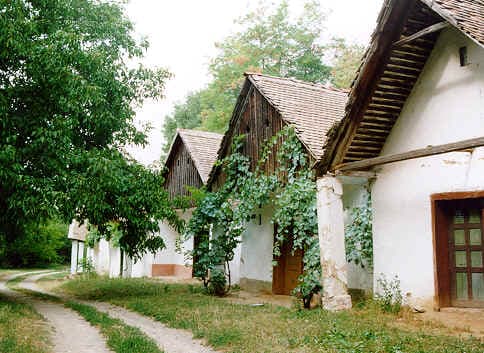
Suza, Kneževi Vinogradi
Village · Slavonia
Related guides

Osijek
Tvrđa and the centre around the main square are distinct starting points for understanding Osijek. The former emphasises the fortified historic quarter and Baroque architecture; the latter…
Read the guide

Help improve this page
Spot something missing or wrong? Suggest a correction, add your photo or report a problem. Editors review every suggestion before it is published.
Photo credits
- Zmajevac, Kneževi Vinogradi — Misalalic · CC BY-SA 4.0 · Wikimedia Commons
- Suza, Kneževi Vinogradi — Flammard · CC BY-SA 3.0 · Wikimedia Commons
- Draž — PANONIAN · CC BY 3.0 · Wikimedia Commons
- Kotlina, Kneževi Vinogradi — Roland Puskaric · CC BY-SA 4.0 · Wikimedia Commons
- Apartmeni Klenovica.eu — Apartmani Klenovica.eu · courtesy of the property owner


