
About this place
Osijek is best understood by moving between the Drava, Tvrđa and streets lined with Art Nouveau facades. Rather than searching for one dominant attraction, plan a walk through different layers of the city: the historic fortified quarter, parks, substantial civic buildings and the centre with its neo-Gothic co-cathedral. The Drava promenade then provides room to pause and look across the river, so sightseeing need not be confined to museum interiors. Osijek suits an urban weekend with walking, architecture and unhurried time beside the water. Its particular appeal is a river-city rhythm distinct from the wine villages and natural areas of surrounding Slavonia and Baranja. Those places make worthwhile separate excursions, but should not replace time in the city itself. For a first day, connect Tvrđa and the river; on a later outing, linger over facades and squares you initially passed. Explore Slavonian and Baranjan food by asking what is actually being prepared that day. Outside major events, keep your schedule flexible: the stretches between planned stops often contribute as much to the visit as the stops themselves.
Tvrđa and the centre around the main square are distinct starting points for understanding Osijek. The former emphasises the fortified historic quarter and Baroque architecture; the latter presents another sequence of squares, facades and everyday urban functions. Parks and streets between them are not merely empty distances to cross before the next sight. They allow you to compare architectural languages and changes in scale. The Drava supplies a third route through the city. Beside the river, sightseeing becomes an open-view walk and stopping can be as important as entering a building. For several days, avoid one oversized itinerary. Divide urban architecture, the riverfront and excursions into separate outings, leaving time to return to a place you particularly enjoyed.
Stays nearby
 Apartment
Apartmeni Klenovica.eu
Klenovica
Klenovica, 303 km from Osijek
up to 4 guests · 1 bedroom
The host confirms the exact price for your dates and availability.
Things to see


Beaches
Bathing water quality nearby
- Drava Copacabana · 1.8 kmgood · season 2025
- Drava Donji grad željeznički most · 2.8 kmgood · season 2025
- Drava Pampas · 2.9 kmgood · season 2025
Source: European Environment Agency (EEA); data from Croatian authorities. · bathing water profile
Things to do
Start a one-day visit in Tvrđa, looking at the square and facades, then choose an architectural or river-focused continuation. For buildings, spend time with the Art Nouveau streets and the centre around the co-cathedral. For a slower day, allow a longer break on the promenade. Across three days, keep the first urban, use the second for museums or cultural programming that is actually available, and devote the third to Baranja or another regional destination. These are suggested rhythms, not confirmed organised tours with fixed departure times. Returning to the Drava at another time of day is worthwhile: changing light and everyday activity offer a different impression without another drive.
Food and drink
Osijek's regional food context brings together Slavonian and Baranjan cured meats, freshwater fish, vegetables and wine. There is no need to treat one dish as compulsory: ask about preparation, heat and portion size, especially for fish dishes or shared meals. A regional name on a menu does not prove that every ingredient was produced locally, so asking about sourcing is reasonable. Arrange return transport before a wine tasting outside the city. This guide neither ranks restaurants nor reproduces customer reviews; it offers a framework for understanding the local table and choosing according to your own preferences.
Frequently asked questions
Where should a first visit begin?
Tvrđa is a useful historic starting point, followed by the centre or the Drava.
Is the whole city inside Tvrđa?
No. Tvrđa is one historic quarter; Art Nouveau streets and the main square belong to a wider city visit.
Is the promenade a beach?
It should not be labelled as one. Swimming requires a separately confirmed bathing area and current conditions.
What can I add with three days?
Add time for cultural venues and a separate regional excursion without overloading the schedule.
Nearby
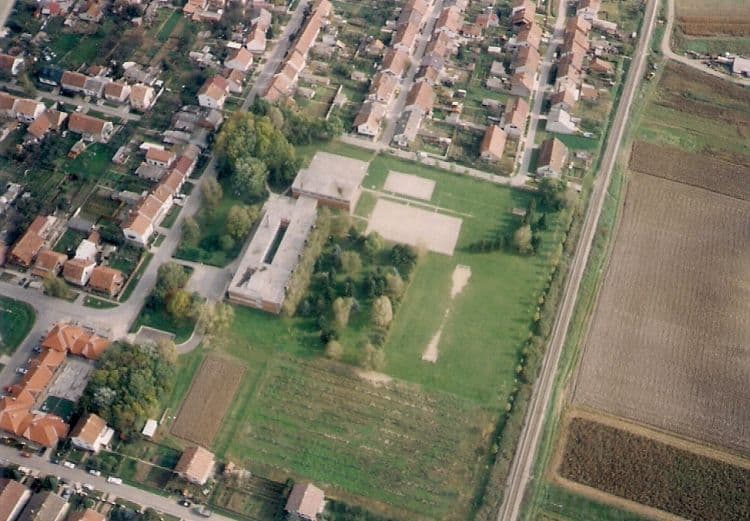
Višnjevac, Osijek
Village · Slavonia

Related guides

Vukovar
A cultural visit to Vukovar has several separate centres of gravity. Eltz Palace and the City Museum address the city and its inhabitants across different periods. Vučedol reaches much…
Read the guide

Help improve this page
Spot something missing or wrong? Suggest a correction, add your photo or report a problem. Editors review every suggestion before it is published.
Photo credits
- Osijek — Rp031 · CC BY-SA 4.0 · Wikimedia Commons
- Višnjevac, Osijek — Downluke · Public domain · Wikimedia Commons
- Darda — Biljanabekic · CC BY-SA 2.5 · Wikimedia Commons
- Antunovac — Belirac · CC BY-SA 3.0 · Wikimedia Commons
- Osijek Co-cathedral — Zeljkaz80 · CC BY-SA 4.0 · Wikimedia Commons


