About this place
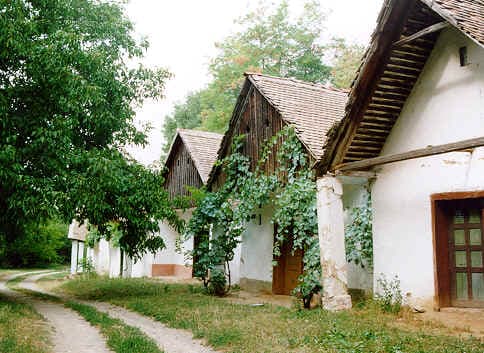
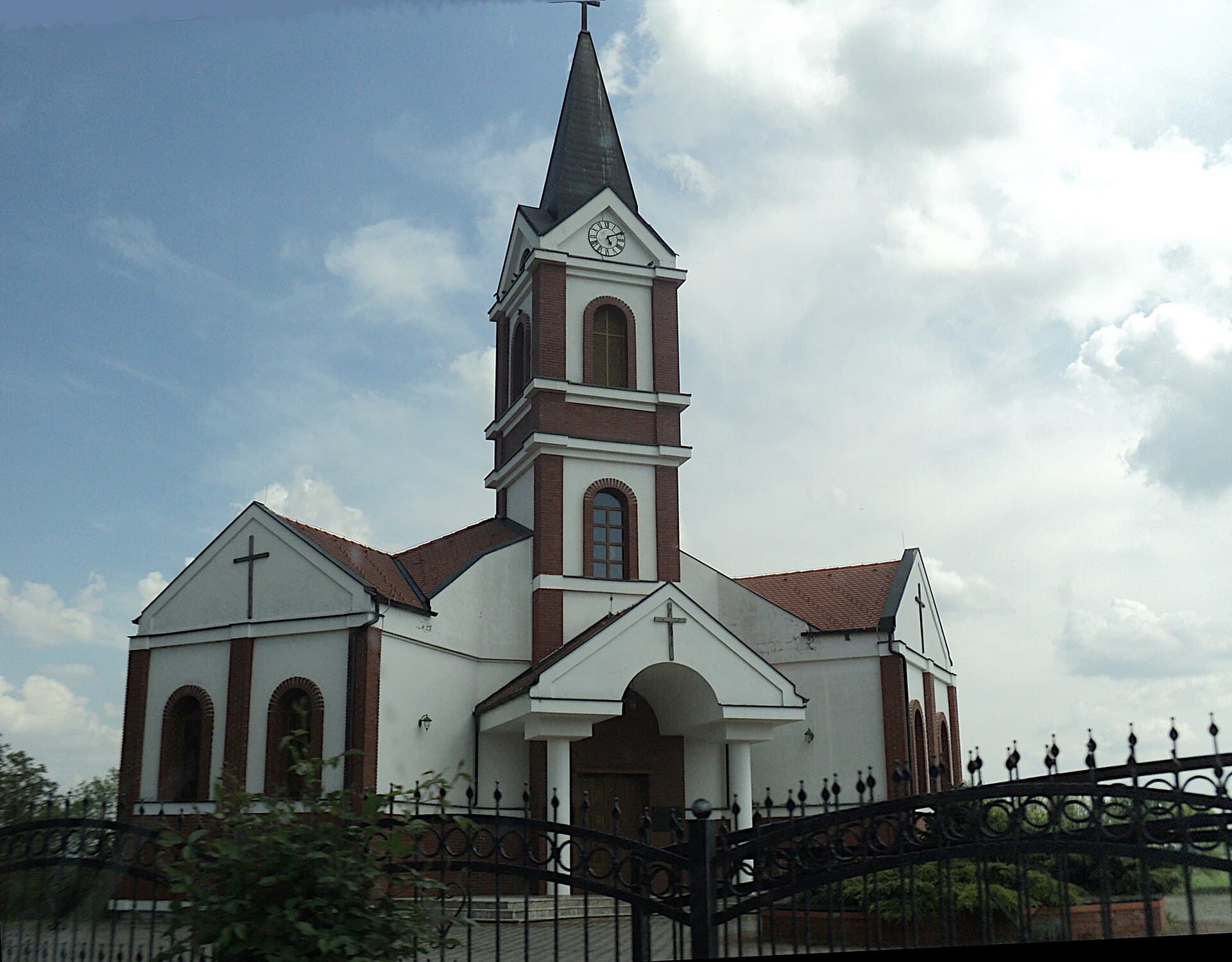
Suza is a Baranja village in the municipality of Kneževi Vinogradi, set on the southern slopes of Bansko brdo between the municipal centre and Zmajevac. Vineyards, Hungarian cultural heritage, the Reformed tradition and wine cellars dug into loess define its identity. Podrumi Kolar, on the local wine road, combines a tasting room, two earth-cut cellars, guest rooms and the Suza Baranje campsite. The Reformed church on Ač Gedeon Square acquired its present appearance in 1869 and reflects the community’s long religious history. Freshwater fish and paprika dominate village cooking: Kovač čarda is known for fish paprikash and distinctive dishes such as carp cracklings, while Piroš Čizma serves catfish perkelt and game čobanac. Suza is best explored slowly, walking between the church, wine streets and cellars, with tastings booked in advance. Neighbouring Zmajevac continues the landscape of sunken lanes and cellars, while Kopački rit introduces the contrasting wetlands of the Danube floodplain. A car remains the most convenient way to connect these scattered Baranja stops.
Suza belongs to the municipality of Kneževi Vinogradi, with six village streets lying below the vineyards on the southern side of Bansko brdo. Croatian and Hungarian place names, the Reformed faith and winegrowing combine here into a distinct Baranja identity. The gatori cut into the loess are functional wine cellars rather than decorative replicas, and visitors can experience them at the Kolar family property. Suza’s main road continues toward Zmajevac, naturally joining the two wine-producing settlements. The village therefore particularly suits travellers interested in wine, rural architecture and the food traditions of Baranja.
Stays nearby
 Apartment
Apartmeni Klenovica.eu
Klenovica
Klenovica, 316 km from Suza, Kneževi Vinogradi
up to 4 guests · 1 bedroom
The host confirms the exact price for your dates and availability.
Things to see
The Reformed church on Ač Gedeon Square is Suza’s most prominent building. It received its present form in 1869, while the tower and exterior façades were restored after the end of peaceful reintegration in 1998. Podrumi Kolar represents another strand of local heritage: its tasting room connects with two gatori carved into the southern slope of Bansko brdo. These underground spaces demonstrate how the loess terrain directly shaped Baranja winemaking. Between the church and wine road, visitors encounter Suza’s essential visual contrast—a level village street beneath a hill patterned with vineyards and cellars.
Things to do
Start at the Reformed church on Ač Gedeon Square, then follow the main street toward Suza’s wine cellars. At Podrumi Kolar, pre-arranged tastings take place within a family complex containing two gatori carved into the slope. Plan lunch at Kovač čarda on the road out toward Zmajevac or at Piroš Čizma in the village centre. More active visitors can link Suza and Zmajevac on the wine-walking route used for Winter Wine & Walk; its nine-kilometre course passes through both villages. Finish the day among the sunken wine lanes of Zmajevac.
Food and drink
Kovač čarda, at the edge of Suza toward Zmajevac, specialises in freshwater fish from the Danube-Baranja culinary tradition. Beyond fish paprikash, its menu includes fish-cheek perkelt, carp cracklings and fried fish milt. Piroš Čizma in the village centre broadens the choice with catfish perkelt, game čobanac and grilled dishes; its wine cellar was cut into the loess in 1892. Podrumi Kolar pairs its own wines with traditional food, although both tasting and dining should be arranged in advance. Groups travelling by car should nominate a driver who will not drink.
Practical information
Practical information
Visitor information for Suza is provided by the Baranja Tourist Board, whose area includes the municipality of Kneževi Vinogradi. Tastings at Podrumi Kolar should be arranged directly with the hosts at 141 Maršala Tita Street, as the property combines a winery, tasting room, accommodation and campsite. Piroš Čizma is at number 101 and Kovač čarda at number 215 on the same street, making navigation through the village straightforward. Closed shoes are useful inside the cellars, and anyone tasting wine should arrange a sober driver or return transport beforehand.
Parking
Piroš Čizma in central Suza provides parking for guests arriving by car or coach, a useful facility for visitors to its restaurant and pension. This is private guest parking rather than a public village-wide car park. Parking arrangements at Podrumi Kolar and Kovač čarda should be confirmed directly when booking, especially for coaches or larger groups. As the principal wine and dining addresses are spread along Maršala Tita Street, the most practical approach is to leave the vehicle with the booked host and explore the nearby section of Suza on foot.
Frequently asked questions
Where can visitors taste wine in a gator in Suza?
Podrumi Kolar has a tasting room and two gatori carved into the southern slope of Bansko brdo; arrange the visit beforehand.
Where can I try fish paprikash in Suza?
Kovač čarda, on the road toward Zmajevac, specialises in fish paprikash and other freshwater-fish dishes.
When did Suza’s Reformed church acquire its present appearance?
Suza’s Reformed church acquired its present appearance in 1869.
Can I walk from Suza to Zmajevac?
Yes; the organised Winter Wine & Walk route links Suza and Zmajevac along a nine-kilometre course.
Nearby

Zmajevac, Kneževi Vinogradi
Village · Slavonia

Related guides

Osijek
Tvrđa and the centre around the main square are distinct starting points for understanding Osijek. The former emphasises the fortified historic quarter and Baroque architecture; the latter…
Read the guide

Help improve this page
Spot something missing or wrong? Suggest a correction, add your photo or report a problem. Editors review every suggestion before it is published.
Photo credits
- Suza, Kneževi Vinogradi — Flammard · CC BY-SA 3.0 · Wikimedia Commons
- Zmajevac, Kneževi Vinogradi — Misalalic · CC BY-SA 4.0 · Wikimedia Commons
- Kotlina, Kneževi Vinogradi — Roland Puskaric · CC BY-SA 4.0 · Wikimedia Commons
- Draž — PANONIAN · CC BY 3.0 · Wikimedia Commons
- Apartmeni Klenovica.eu — Apartmani Klenovica.eu · courtesy of the property owner