Viškovci
About this place
Viškovci is a municipal centre on the Đakovo loess plateau, seven kilometres north-east of Đakovo and approximately 102 metres above sea level. Its municipality also encompasses Forkuševci and Vučevci, villages connected by county roads and a shared local administration. Farmland defines the surrounding scenery: wheat, maize, soybeans, sunflower, oilseed rape and sugar beet are grown locally, alongside dairy-cattle and pig farming. Viškovci recorded 920 residents in 2021, giving it the scale of a quiet Slavonian village while keeping Đakovo’s regional services within easy reach. The large Jošava reservoir north-east of Đakovo adds a distinctive waterside landscape to the immediate surroundings. National road DC7 crosses the municipal area on the Đakovo–Vinkovci corridor, while county road Ž4130 continues through Viškovci towards Semeljci, Šodolovci and Petrova Slatina. This setting places the village between Đakovo’s cultural centre and the broad agricultural plains of eastern Slavonia.
Viškovci belongs to the flat Đakovo countryside, yet the Church of St Matthew and the village’s connection with painter Ivan Tišov distinguish it from neighbouring settlements. The church was built in 1779, while the parish was founded on 1 August 1966 and includes branch churches in Forkuševci and Vučevci. Tišov was born in Viškovci in 1870, and a paintbrush on the municipal coat of arms reflects his local importance. Fields of wheat, maize, soya, oilseed rape and sunflower, together with pig and dairy-cattle farming, define the settlement’s economic landscape. Viškovci recorded 920 residents in the 2021 census. Đakovo is only seven kilometres away, allowing the village to serve as a quiet rural stop within easy reach of the city’s cultural attractions.
Things to see

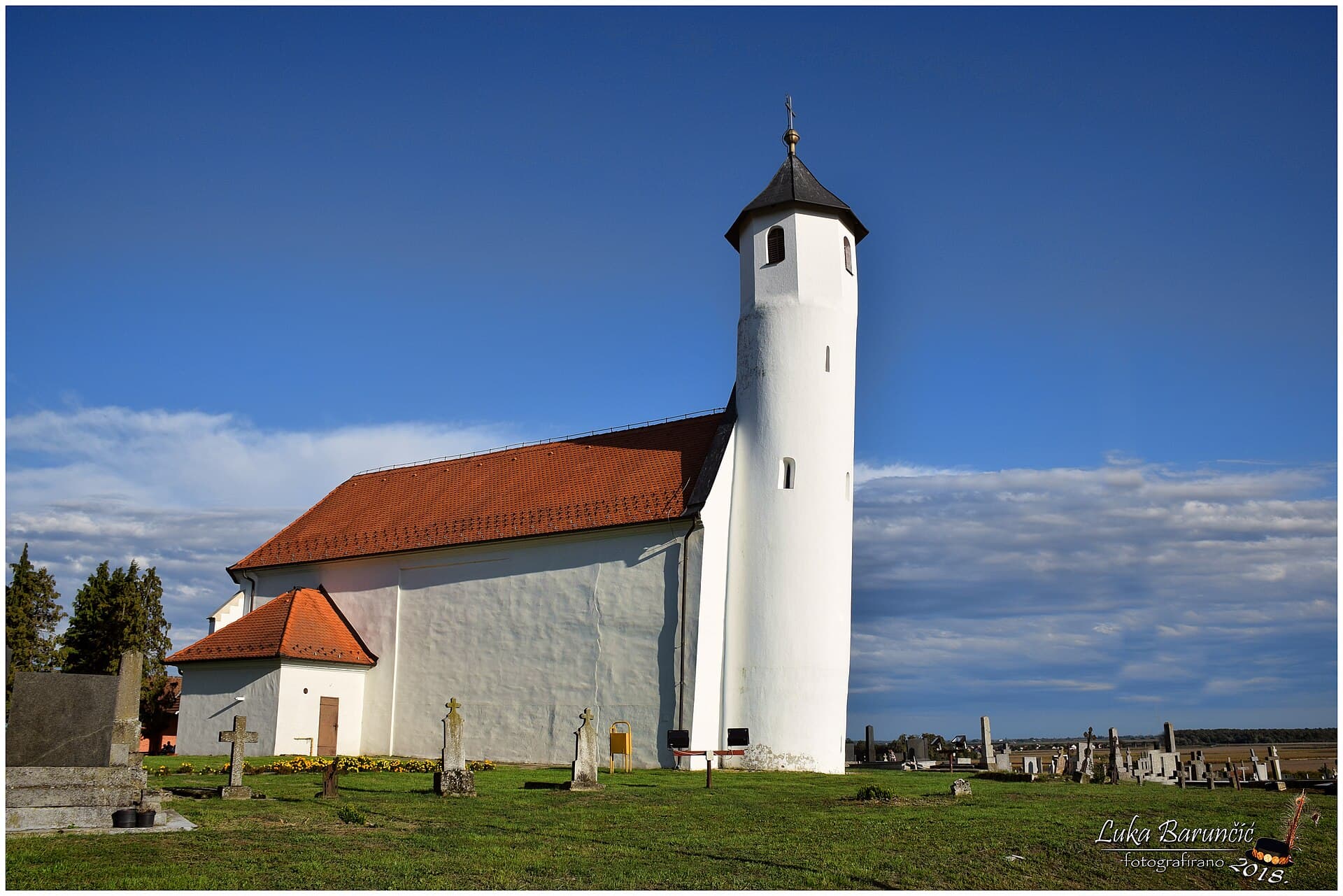
St. Bartholomew's Church in Novi Mikanovci
Landmark · Novi Mikanovci
church building in Stari Mikanovci, Croatia
12 km from Viškovci
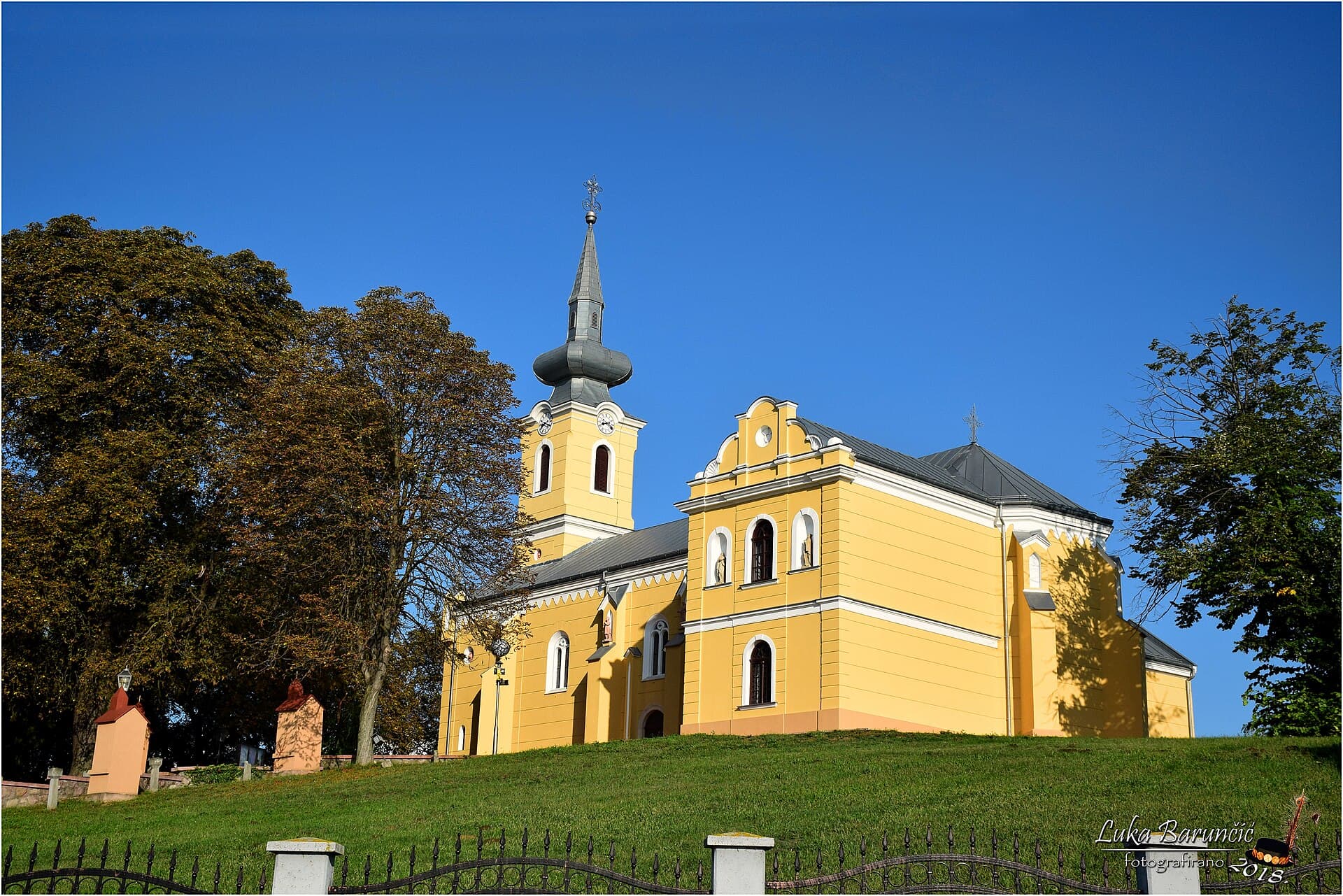
župa Rođenja sv. Ivana Krstitelja
Landmark · Ivankovo
The Parish Church of the Nativity of St John the Baptist in Ivankovo is a medieval church distinguished by a single nave and polygonal sanctuary.
18 km from Viškovci

Stays
No stays listed here yet
Things to do
A visit to Viškovci can begin at the 1779 Church of St Matthew the Apostle and Evangelist, whose patron day falls on 21 September. From there, the village’s identity as the birthplace of painter Ivan Tišov offers a thread into its connection with the Đakovo area. Continue towards Forkuševci and Vučevci, the municipality’s other two villages and chapels of ease within the Viškovci parish. The flat roads pass fields of wheat, maize, soybeans, rapeseed and sunflowers, the characteristic agricultural scene of the Đakovo loess plateau. Finish by heading towards the Jošava reservoir near Viškovci.
Tours and activities
AdAd · partner offers: GetYourGuideThe partner handles booking, payment and support. StayBravo may earn a commission on bookings made through these links.How we choose offersGetYourGuide offers are selected and ordered by GetYourGuide based on the name of the nearest larger town or national park; we do not influence their selection and do not use data about you.GetYourGuide · Đakovo
We show GetYourGuide offers once you allow their cookies.
Practical information
Getting there and around
Viškovci stands on county road ŽC4130, which meets the DC7 state road at Kuševac and provides the main approach from nearby Đakovo. Eastbound, ŽC4130 continues through Forkuševci, Semeljci, Koritna and Šodolovci to Ernestinovo, covering about 24.5 kilometres in total. No railway crosses the settlement; the nearest passenger station is in Đakovo, approximately eight kilometres to the west, on the Strizivojna–Osijek line. Municipal planning documents record bus traffic along Viškovci’s main streets and lay-bys at bus stops, but travellers should check the current departure timetable before relying on a connection to Đakovo.
Frequently asked questions
How far is Viškovci from Đakovo?
Viškovci is seven kilometres northeast of Đakovo.
When was the Church of St Matthew built?
The parish Church of St Matthew in Viškovci was built in 1779.
Which painter was born in Viškovci?
Croatian painter Ivan Tišov was born in Viškovci, and the paintbrush on the municipal coat of arms refers to him.
Nearby
Viškovci
Open in OpenStreetMap(opens in a new tab)Smaller places
straight-line distance
Related guides

Osijek
Tvrđa and the centre around the main square are distinct starting points for understanding Osijek. The former emphasises the fortified historic quarter and Baroque architecture; the latter…
Read the guide

Vukovar
A cultural visit to Vukovar has several separate centres of gravity. Eltz Palace and the City Museum address the city and its inhabitants across different periods. Vučedol reaches much…
Read the guide

Stubičke Toplice
Stubičke Toplice derives almost its entire identity from thermal water and the Zagorje landscape. There is no large urban historic core; green spaces, bathing facilities and traces of the…
Read the guide
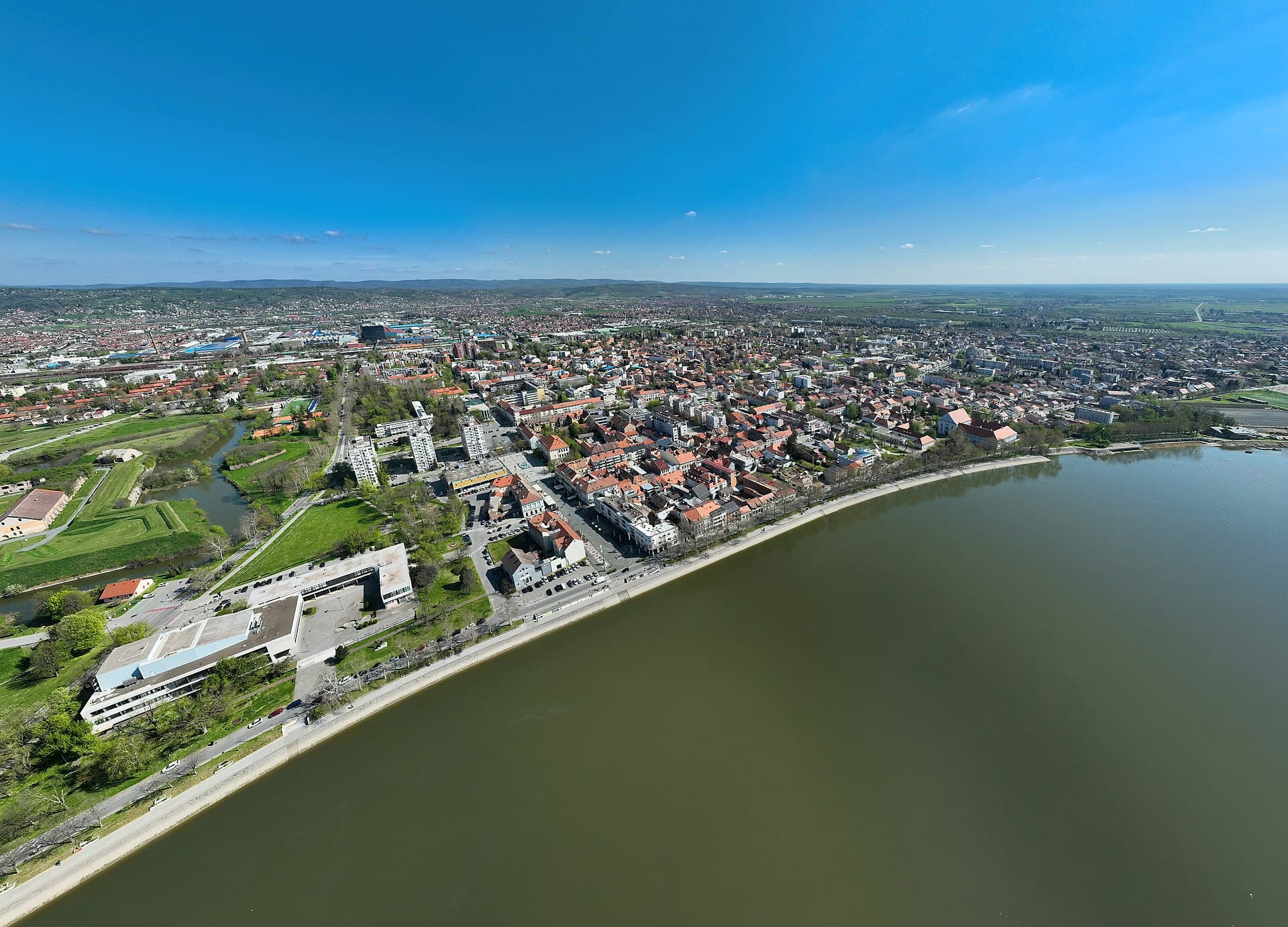
Slavonski Brod
Slavonski Brod developed around one of the major crossings of the Sava, and that border and transport role left a strong mark on the city. Brod Fortress represents the eighteenth-century…
Read the guide
Know Viškovci? Correct us
Tell us in your own words what is not accurate. We check right away.Do not enter personal data. Corrections are checked by the StayBravo AI assistant; changes to the description are approved by an editor. Use the form instead
Do you know Viškovci?
Help the guests who come after you.
Help us complete
Nothing is published without an editor’s review.Report illegal content
Photo credits: Kuševac, Široko Polje — MirkoS18 (CC BY-SA 4.0) · Đakovo — Nick Savchenko from Kiev, Ukraine (CC BY-SA 2.0) · Đakovo Cathedral — Author's own photo (CC BY 2.5) · St. Bartholomew's Church in Novi Mikanovci, župa Rođenja sv. Ivana Krstitelja — Barun501 (CC BY-SA 4.0) · Church of Pentecost — MirkoS18 (CC BY-SA 3.0) · Osijek — Rp031 (CC BY-SA 4.0) · Vukovar — Bybbisch94, Christian Gebhardt (CC BY-SA 4.0) · Stubičke Toplice — MOs810 (CC BY-SA 4.0) · Slavonski Brod — Petar Milošević (CC BY-SA 4.0)