Trnava
About this place
Trnava stands on the Đakovo loess plateau, 55 kilometres south-west of Osijek, where vineyards begin to climb the eastern approaches to Dilj. It is the centre of a municipality comprising Dragotin, Hrkanovci Đakovački, Kondrić, Lapovci, Svetoblažje and Trnava, and local roads meet here from Staro Topolje, Hrkanovci and Dragotin. The village landmark is the Church of the Finding of the Holy Cross, built in 1845 for a parish established in 1758. Wine is equally central to Trnava’s identity: the village belongs to the Đakovo wine-growing area, while the Archdiocese of Đakovo-Osijek maintains its sacramental-wine tradition and cellar on Strossmayerova Street. A visit can be extended to Mandićevac, a vineyard site on Pridvorje hill named after Bishop Antun Mandić. Elsewhere in the municipality, Dragotin has a church dedicated to Our Lady of Dragotin, and Lapovci’s Church of Saint Bartholomew dates from 1869. Trnava therefore offers a compact introduction to Đakovo-area religious heritage, episcopal winemaking and broad views across Slavonian hills.
Trnava is a municipal centre at an elevation of 141 metres, set on the Đakovo loess plateau where the plain meets vineyard slopes leading towards Dilj. Its name is derived from the Croatian word for thorn, and the settlement already existed during the Middle Ages. Trnava endured the Ottoman period in which nearby villages, including Dragotin and Svetoblažje, were destroyed. The centre is now defined by the Church of the Finding of the Holy Cross, erected in 1845 for a parish founded in 1758. Viticulture remains the village’s defining activity: Croatia’s official wine-growing classification places Trnava within the Đakovo wine region, while its sacramental-wine cellar continues the episcopal winemaking tradition.
Things to see
 Significant landscape


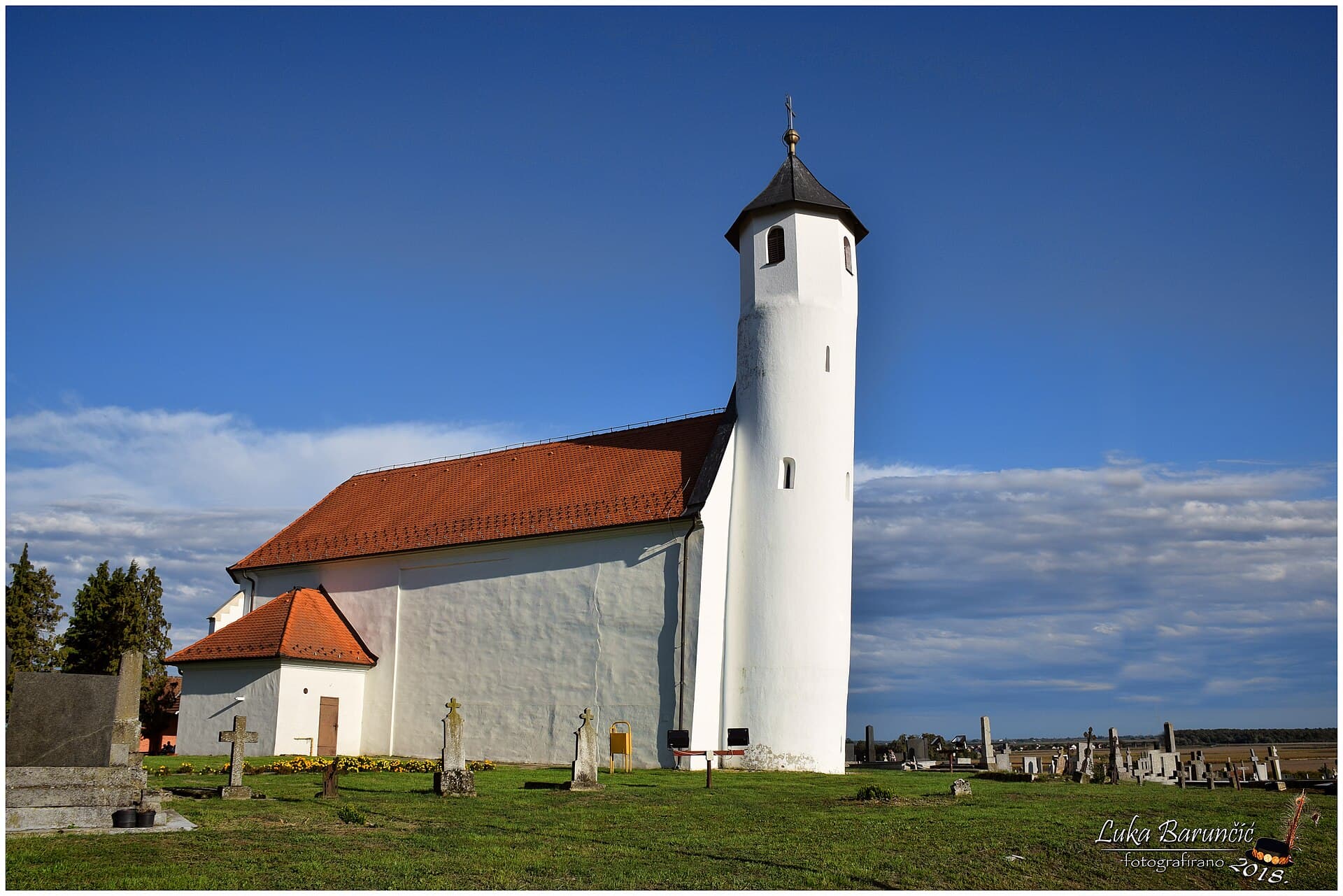
St. Bartholomew's Church in Novi Mikanovci
Landmark · Novi Mikanovci
church building in Stari Mikanovci, Croatia
27 km from Trnava
Stays
No stays listed here yet
Things to do
Start at Trnava’s 1845 Church of the Finding of the Holy Cross, then follow Strossmayerova Street towards the sacramental-wine cellar of the Archdiocese of Đakovo-Osijek. Continue the wine-focused outing with views towards Trnava’s vineyards and Mandićevac, a site named after Bishop Antun Mandić following the expansion of episcopal vines on Pridvorje hill. A short circuit through the municipality can include the Church of Our Lady of Dragotin in Dragotin and the 1869 Church of Saint Bartholomew in Lapovci. The county tourism board also identifies Trnava and Mandićevac as viewpoints over the vineyard landscape of the Đakovo wine country.
Tours and activities
AdAd · partner offers: GetYourGuideThe partner handles booking, payment and support. StayBravo may earn a commission on bookings made through these links.How we choose offersGetYourGuide offers are selected and ordered by GetYourGuide based on the name of the nearest larger town or national park; we do not influence their selection and do not use data about you.GetYourGuide · Đakovo
We show GetYourGuide offers once you allow their cookies.
Practical information
Getting there and around
Trnava lies 55 kilometres south-west of Osijek and relies on the local road network of the Đakovo area. In the village centre, county roads meet from Staro Topolje and Hrkanovci Đakovački, alongside an unclassified road from Dragotin. For touring the municipality by car or bicycle, the Dragotin–Trnava–Lapovci axis links three specific religious sites: Our Lady of Dragotin, Trnava’s Church of the Finding of the Holy Cross and Saint Bartholomew’s Church in Lapovci. Hrkanovci Đakovački is west of Trnava on the north-eastern slopes of Dilj, whereas Dragotin lies to the east in the Breznica valley.
Frequently asked questions
What is Trnava’s main church?
The parish Church of the Finding of the Holy Cross was built in 1845, while Trnava’s parish was founded in 1758.
Why is Mandićevac associated with Trnava?
Mandićevac is a vineyard site on Pridvorje hill named after Bishop Antun Mandić, who expanded the episcopal vineyards there.
How far is Trnava from Osijek?
The municipality’s official website places Trnava 55 kilometres south-west of Osijek.
Nearby
Trnava
Open in OpenStreetMap(opens in a new tab)Smaller places
straight-line distance
Related guides

Osijek
Tvrđa and the centre around the main square are distinct starting points for understanding Osijek. The former emphasises the fortified historic quarter and Baroque architecture; the latter…
Read the guide

Vukovar
A cultural visit to Vukovar has several separate centres of gravity. Eltz Palace and the City Museum address the city and its inhabitants across different periods. Vučedol reaches much…
Read the guide

Stubičke Toplice
Stubičke Toplice derives almost its entire identity from thermal water and the Zagorje landscape. There is no large urban historic core; green spaces, bathing facilities and traces of the…
Read the guide
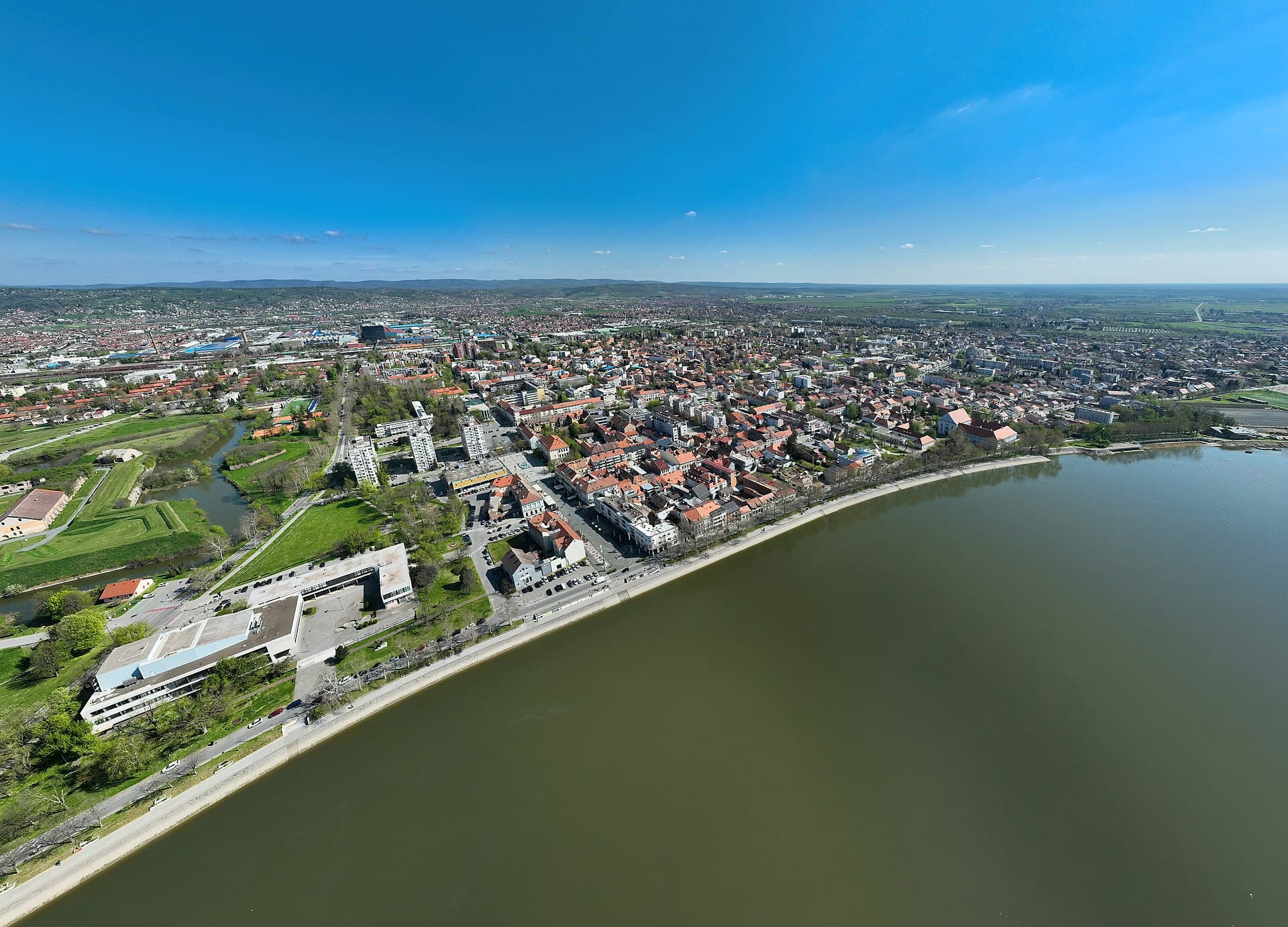
Slavonski Brod
Slavonski Brod developed around one of the major crossings of the Sava, and that border and transport role left a strong mark on the city. Brod Fortress represents the eighteenth-century…
Read the guide
Know Trnava? Correct us
Tell us in your own words what is not accurate. We check right away.Do not enter personal data. Corrections are checked by the StayBravo AI assistant; changes to the description are approved by an editor. Use the form instead
Do you know Trnava?
Help the guests who come after you.
Help us complete
Nothing is published without an editor’s review.Report illegal content
Photo credits: Novo Topolje, Staro Topolje, Stari Perkovci, Gajna — Frka (CC BY-SA 3.0) · Đakovo Cathedral — Author's own photo (CC BY 2.5) · Brod Fortress — Modzzak (CC BY-SA 3.0) · St. Bartholomew's Church in Novi Mikanovci — Barun501 (CC BY-SA 4.0) · Osijek — Rp031 (CC BY-SA 4.0) · Vukovar — Bybbisch94, Christian Gebhardt (CC BY-SA 4.0) · Stubičke Toplice — MOs810 (CC BY-SA 4.0) · Slavonski Brod — Petar Milošević (CC BY-SA 4.0)