Lonja
About this place
Lonja is a Sava-side village inside Lonjsko Polje Nature Park, strung along the road between Sisak and Jasenovac. It stands near the former meeting point of the Stara Lonja and the Sava, and its character still comes from oak-built houses, farm buildings, the embankment and long views across the river corridor. Here the protected floodplain is not separated from everyday settlement: houses, road, riverbank and periodically flooded ground form one inhabited landscape. Waters spread seasonally through Lonjsko, Mokro and Poganovo poljes, sustaining wet grasslands, bird habitats and traditional grazing by Posavina horses, Podolian cattle and Turopolje pigs. From Lonja, visitors can travel towards Čigoč, recognised as Europe’s first stork village, or downstream to Krapje, known for its timber architecture and nature-park visitor centre. The village rewards a slow journey by bicycle or car, with changing water levels and seasonal flooding continually reshaping how the wooden Posavina landscape is seen.
Lonja extends beside the Sava near the former mouth of the Stara Lonja, with the Sisak–Jasenovac road following the river through the settlement. Surviving farmsteads include two-storey timber houses with porches, built in the oak tradition associated with central Posavina. West of the village, the road towards Suvoj passes the cemetery and its modest chapel, while periodically flooded riverside ground opens on the Sava side. Lonja is not a detached museum village: its timber heritage remains woven into an inhabited community inside the nature park. The close arrangement of houses, road, embankment and river demonstrates how settlements along this stretch of the Sava adapted to flooding and to the narrow strips of reliably usable land.
Things to see
Lonja’s landmarks are best understood as a preserved Posavina wooden-built landscape rather than a single monumental site. The Lonjsko Polje Nature Park management plan lists a protected traditional house at no. 29 and wooden two-storey houses at nos. 1, 49 and 140, all recorded in 2004. The same register includes the Church of the Holy Spirit, placed under preventive protection in 1993. The Park’s spatial plan also identifies the site of Ustilonja, a 16th-century wooden fort. A walk through Lonja can therefore link individual houses, the church and the former-fort location within the Sava-side cultural landscape.
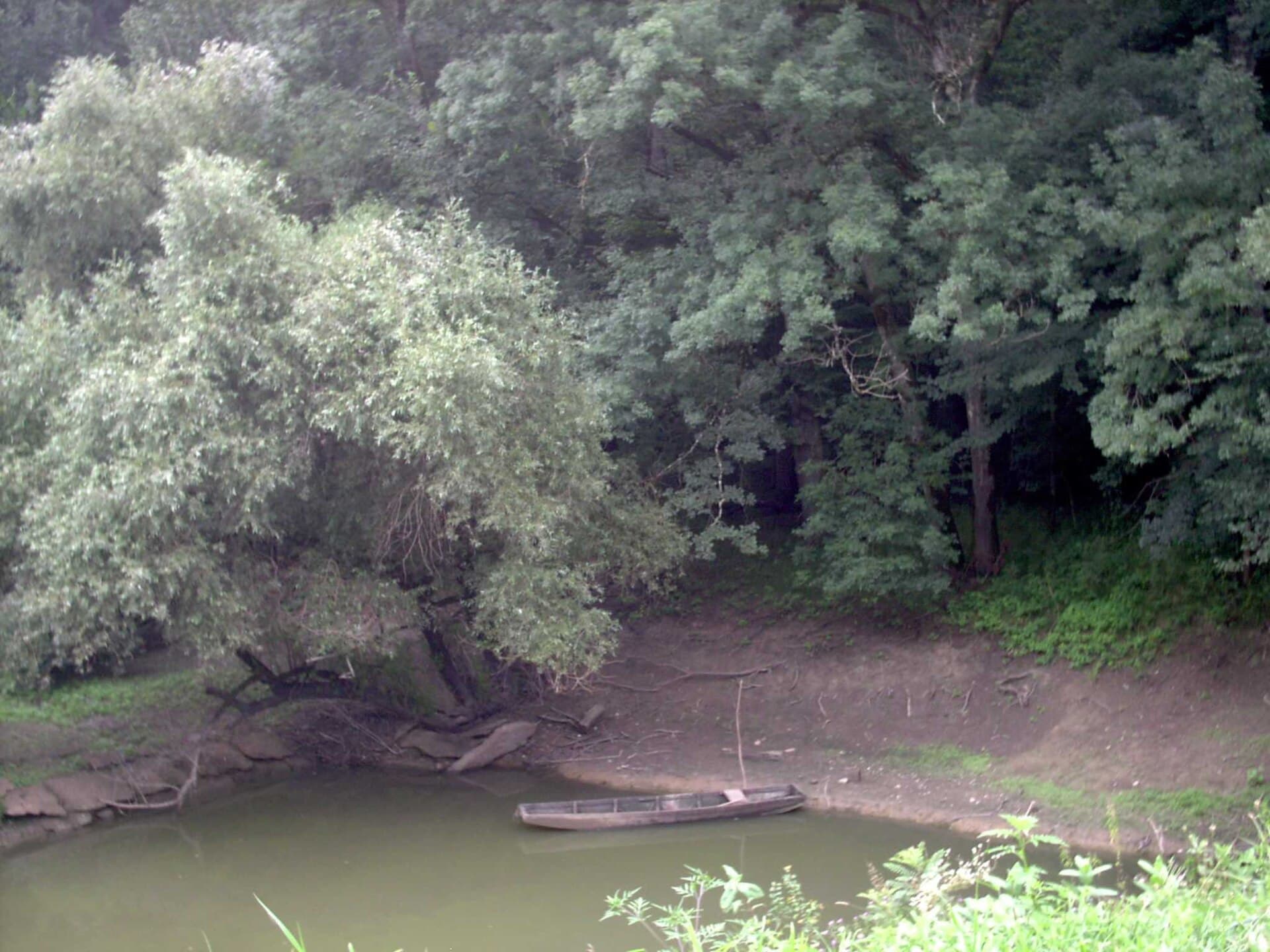 Nature park


Stays further afield
- Holiday home
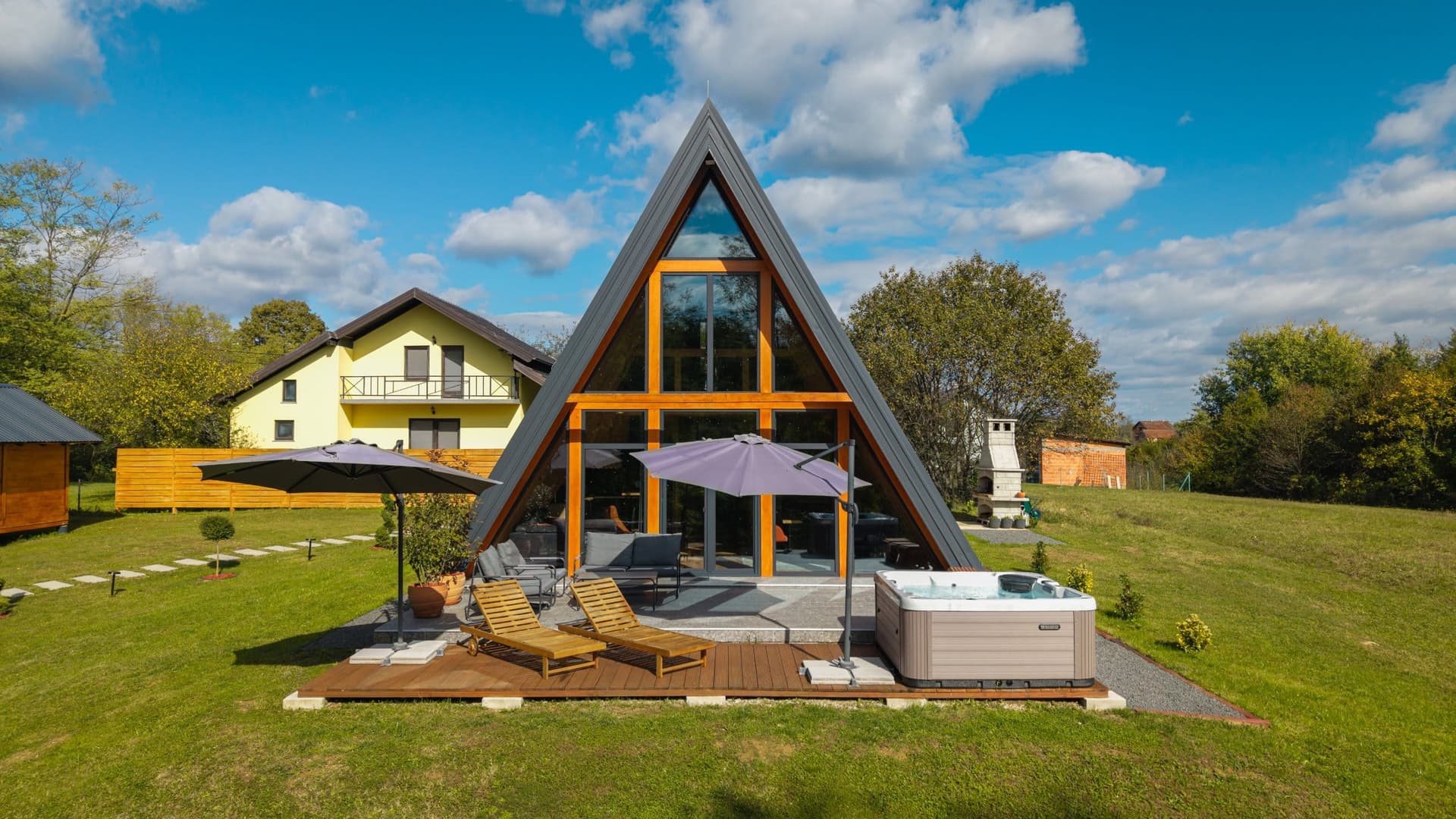 58 km from Lonja
- Apartment
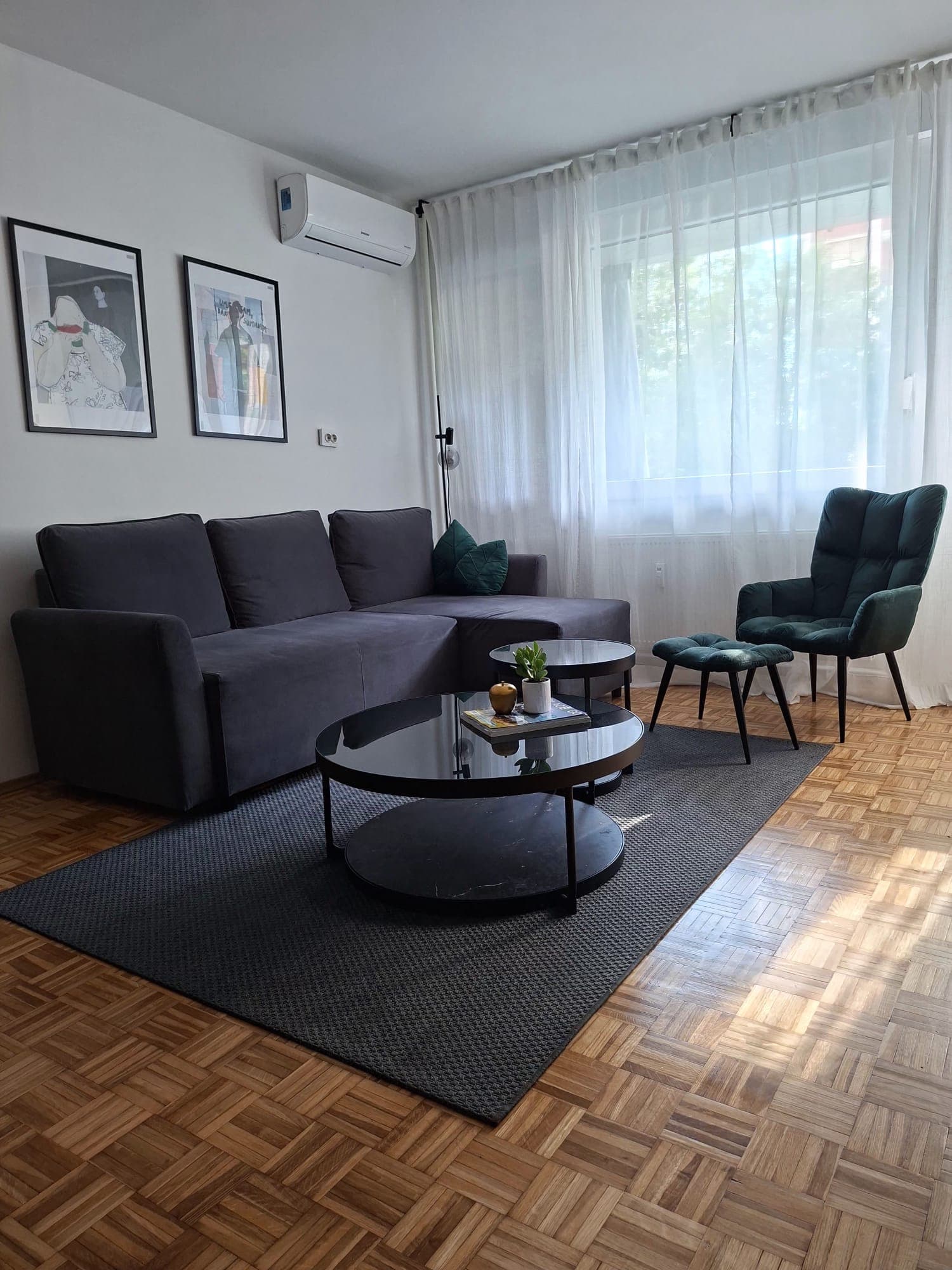 76 km from Lonja
Be the first to list here
Guests looking for this place only see stays nearby for now. No commission, and enquiries come straight to you.
List your accommodation
Things to do
Start in Lonja by following the Sava-side village road and comparing raised timber houses with porches, single-storey homes and their surviving farm outbuildings. Continue towards Suvoj, passing the cemetery chapel at the village edge, then choose a direction through the nature park. The upstream route strings together Mužilovčica, Čigoč and Kratečko, while the downstream road runs through Puska towards Krapje and the Krapje Đol bird area. Walking routes elsewhere in the park offer chances to see Posavina horses, Turopolje pigs and Podolian cattle on traditionally managed pasture. Plans should follow current water conditions, because seasonal overflow from the Sava determines which grasslands remain accessible and which become part of the active floodplain habitat.
Food and drink
Food in Lonja itself is tied mainly to small rural properties, so a planned meal is best directed towards established restaurants in other nature-park villages. Tradicije Čigoč serves Posavina cooking in the stork village, with heavy oak tables reinforcing the regional setting. Downstream at Plesmo, Ekoetno Selo Strug lists sour-cream noodles with bacon, grilled pike-perch, game with gnocchi, and sweet tačkrle or dumplings. Strug stands at the park’s southern entrance, about one kilometre from Krapje, making lunch there easy to combine with a look at the celebrated timber village. Opening arrangements and reservations should be checked directly with either restaurant before leaving Lonja, especially outside the main visitor season.
Tours and activities
AdAd · partner offers: GetYourGuideThe partner handles booking, payment and support. StayBravo may earn a commission on bookings made through these links.How we choose offersGetYourGuide offers are selected and ordered by GetYourGuide based on the name of the nearest larger town or national park; we do not influence their selection and do not use data about you.GetYourGuide · Sisak
We show GetYourGuide offers once you allow their cookies.
Practical information
Practical information
Lonja does not contain one of the park’s principal reception centres, so maps, programmes and ranger information are most readily obtained in Čigoč or Krapje. The Čigoč Reception and Education Centre is at Čigoč 26, while the park authority and Krapje centre are based at Krapje 16. The park lists +385 44 672 080 and [email protected] for visitor information and programme reservations. Its published 2026 schedule distinguishes an April-to-October summer period, includes separate weekend hours and lists holiday closures. Before setting out from Lonja, visitors should also check current water conditions and programme availability, as the Sava’s flood cycle directly changes access and the appearance of the surrounding pasture.
Getting there and around
Lonja is reached by the road following the Sava’s left bank and linking the Posavina villages between Sisak and Jasenovac. From the Zagreb or Slavonski Brod direction, the park’s official driving instructions use the Popovača motorway exit, continue through Potok and Stružec towards Sisak’s industrial zone, and then turn onto the road signposted for Lonja. The riverside approach passes Preloščica, Lukavec, Gušće and Čigoč before reaching Lonja. Rail is not a direct option for the village: Lonjsko Polje Nature Park lists train access only for its Repušnica entrance, leaving a road transfer necessary for Lonja. Cycling suits onward travel between the Sava villages, although riders share a narrow local road with motor traffic.
Frequently asked questions
Is Lonja inside the nature park?
Lonja lies inside Lonjsko Polje Nature Park, beside the Sava and the Sisak–Jasenovac road.
Where can visitors obtain park information?
Official visitor information is available at the Čigoč and Krapje reception centres and by calling +385 44 672 080.
What distinguishes Lonja’s architecture?
Lonja retains traditional farmsteads and Posavina timber houses, including two-storey homes with porches.
Where can visitors eat pike-perch near Lonja?
Ekoetno Selo Strug in Plesmo lists grilled pike-perch alongside other Posavina dishes.
Which animals may be seen on the pastures?
The park’s pastures may hold Posavina horses, Turopolje pigs and Slavonian-Syrmian Podolian cattle.
Nearby
Lonja
Open in OpenStreetMap(opens in a new tab)straight-line distance
Related guides

Osijek
Tvrđa and the centre around the main square are distinct starting points for understanding Osijek. The former emphasises the fortified historic quarter and Baroque architecture; the latter…
Read the guide

Vukovar
A cultural visit to Vukovar has several separate centres of gravity. Eltz Palace and the City Museum address the city and its inhabitants across different periods. Vučedol reaches much…
Read the guide

Stubičke Toplice
Stubičke Toplice derives almost its entire identity from thermal water and the Zagorje landscape. There is no large urban historic core; green spaces, bathing facilities and traces of the…
Read the guide
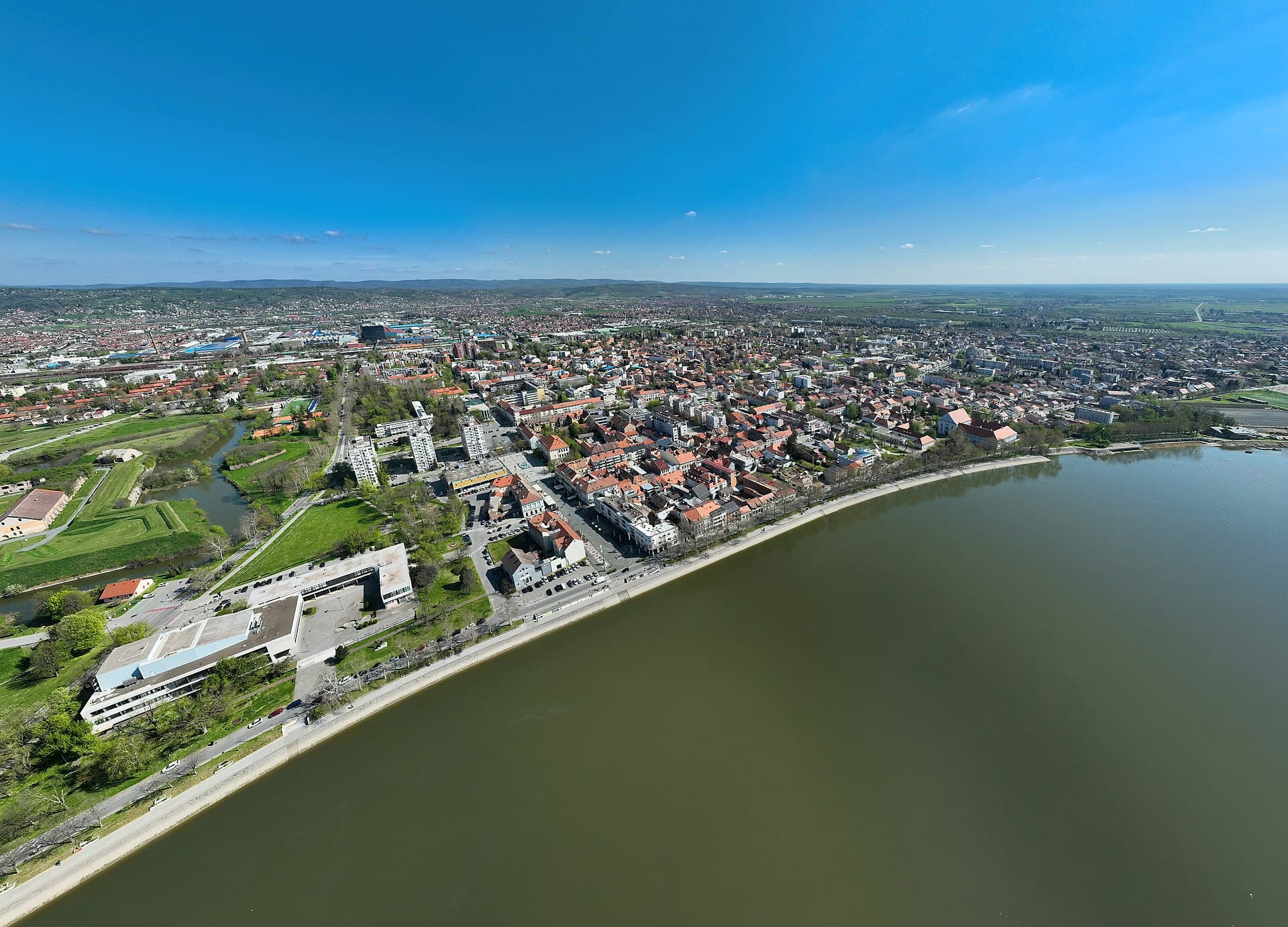
Slavonski Brod
Slavonski Brod developed around one of the major crossings of the Sava, and that border and transport role left a strong mark on the city. Brod Fortress represents the eighteenth-century…
Read the guide
Know Lonja? Correct us
Tell us in your own words what is not accurate. We check right away.Do not enter personal data. Corrections are checked by the StayBravo AI assistant; changes to the description are approved by an editor. Use the form instead
Do you know Lonja?
Help the guests who come after you.
Help us complete
Nothing is published without an editor’s review.Report illegal content
Photo credits: Mužilovčica — Mihaela Jurković (CC BY-SA 4.0) · Čigoč — Fraxinus Croat (CC BY-SA 4.0) · Slovinci, Slavonski Brod — Petar Milošević (CC BY-SA 4.0) · Staza, Šaš, Sunja — Petar Milošević (CC BY-SA 3.0) · Lonjsko Polje Nature park — Pigpanter at German Wikipedia (CC BY-SA 3.0) · Church of Saint Parascheva — IndexAccount (CC0) · Jasenovac Monastery — Bastasic (CC BY-SA 3.0) · Fortress Kostajnica — Jakub Sochacki (CC BY-SA 3.0) · Kuća za odmor Green Zen — IVICA ŠKRINJARIĆ (courtesy of the property owner) · Book Me Apartman — Natalija Kirša (courtesy of the property owner) · Osijek — Rp031 (CC BY-SA 4.0) · Vukovar — Bybbisch94, Christian Gebhardt (CC BY-SA 4.0) · Stubičke Toplice — MOs810 (CC BY-SA 4.0)