Duga Međa
About this place
Duga Međa is a Slavonian village in the Municipality of Zdenci, positioned directly between the municipal centre and Orahovica. Slovak settlers established the village around 1860 and called it Dolha Medza, leaving a distinct Slovak strand in its western Slavonian story. Its clearest landmark is Zdenci–Orahovica railway station: despite carrying the names of two neighbouring towns, the station actually stands in Duga Međa. The settlement follows the main road and Vinogradarska Street, while the surrounding farmland gradually gives way towards Orahovica and the Papuk foothills. The Duga Međa–Dolci road provides a direct local connection between the Zdenci and Orahovica areas. For visitors, Duga Međa works primarily as a quiet base rather than a conventional sightseeing destination, with road and public-transport links towards Orahovica, Zdenci and the villages of Crnac Municipality. The county’s 2026 timetable includes Duga Međa on bus routes linking Orahovica with Zdenci, Crnac and Virovitica.
Duga Međa belongs to the Municipality of Zdenci, yet its everyday geography is also shaped by the immediate proximity of Orahovica. Slovak settlers founded the village around 1860 under the name Dolha Medza, leaving that rural heritage as a notable part of its identity. Its unusual geographical marker is Zdenci–Orahovica station, which stands in Duga Međa rather than in either place named on its sign. Vinogradarska Street and the road towards Dolci cross farmland on the transition towards Orahovica and the Papuk foothills.
Things to see
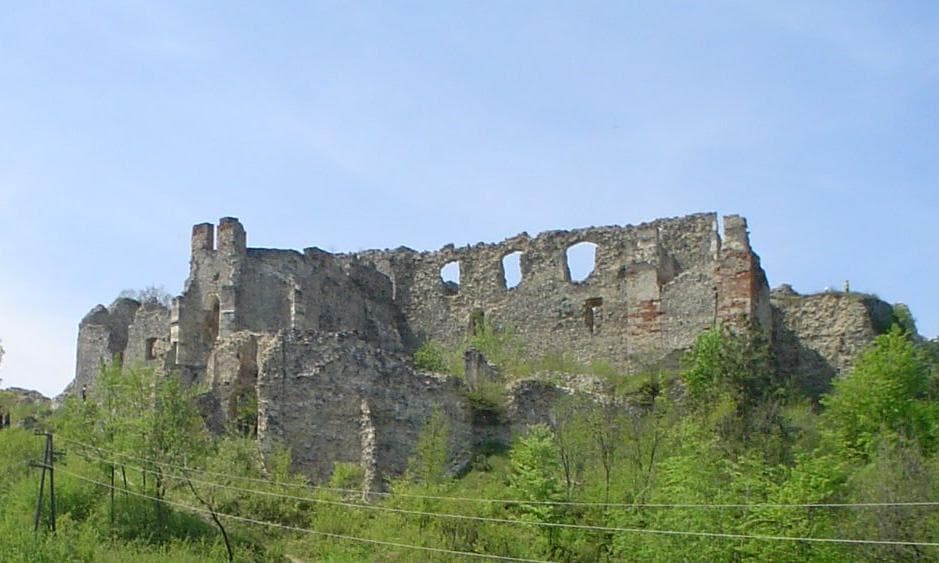


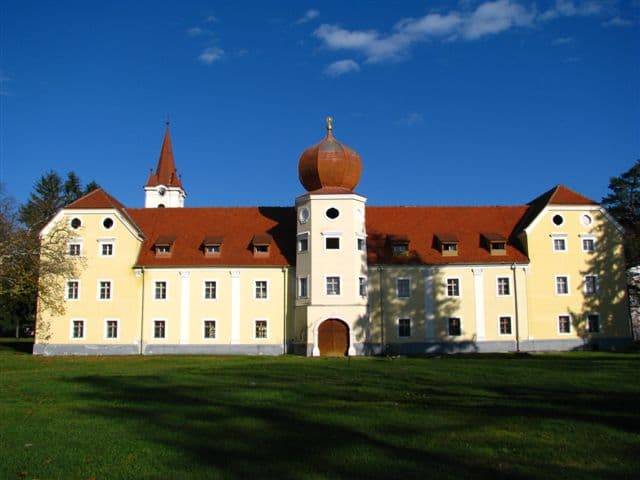
Kutjevo Abbey
Landmark · Venje
Kutjevo Castle is the Baroque part of a historic complex established on the site of a Cistercian abbey founded in 1232.
15 km from Duga Međa
Stays
No stays listed here yet
Things to do
A short exploration of Duga Međa can begin at Zdenci–Orahovica station, whose name neatly captures the village’s position between two neighbouring centres. From the station, walk through the settlement towards Vinogradarska Street, highlighted in a local report as an area where newer family homes were built. For a longer bicycle ride or drive, continue along the road to Dolci, improved as a link between the Zdenci and Orahovica areas. Duga Međa then becomes a starting point for Orahovica and the Papuk hinterland, while the village itself offers views across cultivated plains and a glimpse of everyday rural Slavonia.
Tours and activities
AdAd · partner offers: GetYourGuideThe partner handles booking, payment and support. StayBravo may earn a commission on bookings made through these links.How we choose offersGetYourGuide offers are selected and ordered by GetYourGuide based on the name of the nearest larger town or national park; we do not influence their selection and do not use data about you.GetYourGuide · Požega
We show GetYourGuide offers once you allow their cookies.
Practical information
Getting there and around
Duga Međa has a railway station named Zdenci–Orahovica, a distinctive transport landmark between those two places. The county bus timetable effective from 1 January 2026 lists Duga Međa on services towards Orahovica, Zdenci, Crnac and Virovitica; some departures operate only on particular weekdays or during the school term. On the Orahovica–Virovitica route, Duga Međa is shown six kilometres from the starting stop in Orahovica, with Zdenci another three kilometres along the line. The local road towards Dolci provides an additional connection into the Orahovica area.
Frequently asked questions
Where is Zdenci–Orahovica station?
The station named after Zdenci and Orahovica is actually located in Duga Međa.
Is there a bus from Duga Međa to Orahovica?
Yes. The 2026 county timetable places Duga Međa on several routes to Orahovica, although some departures depend on the weekday or school term.
Who founded Duga Međa?
Slovak settlers founded or populated the village around 1860 and called it Dolha Medza.
Nearby
Duga Međa
Open in OpenStreetMap(opens in a new tab)Smaller places
straight-line distance
Related guides

Osijek
Tvrđa and the centre around the main square are distinct starting points for understanding Osijek. The former emphasises the fortified historic quarter and Baroque architecture; the latter…
Read the guide

Vukovar
A cultural visit to Vukovar has several separate centres of gravity. Eltz Palace and the City Museum address the city and its inhabitants across different periods. Vučedol reaches much…
Read the guide

Stubičke Toplice
Stubičke Toplice derives almost its entire identity from thermal water and the Zagorje landscape. There is no large urban historic core; green spaces, bathing facilities and traces of the…
Read the guide
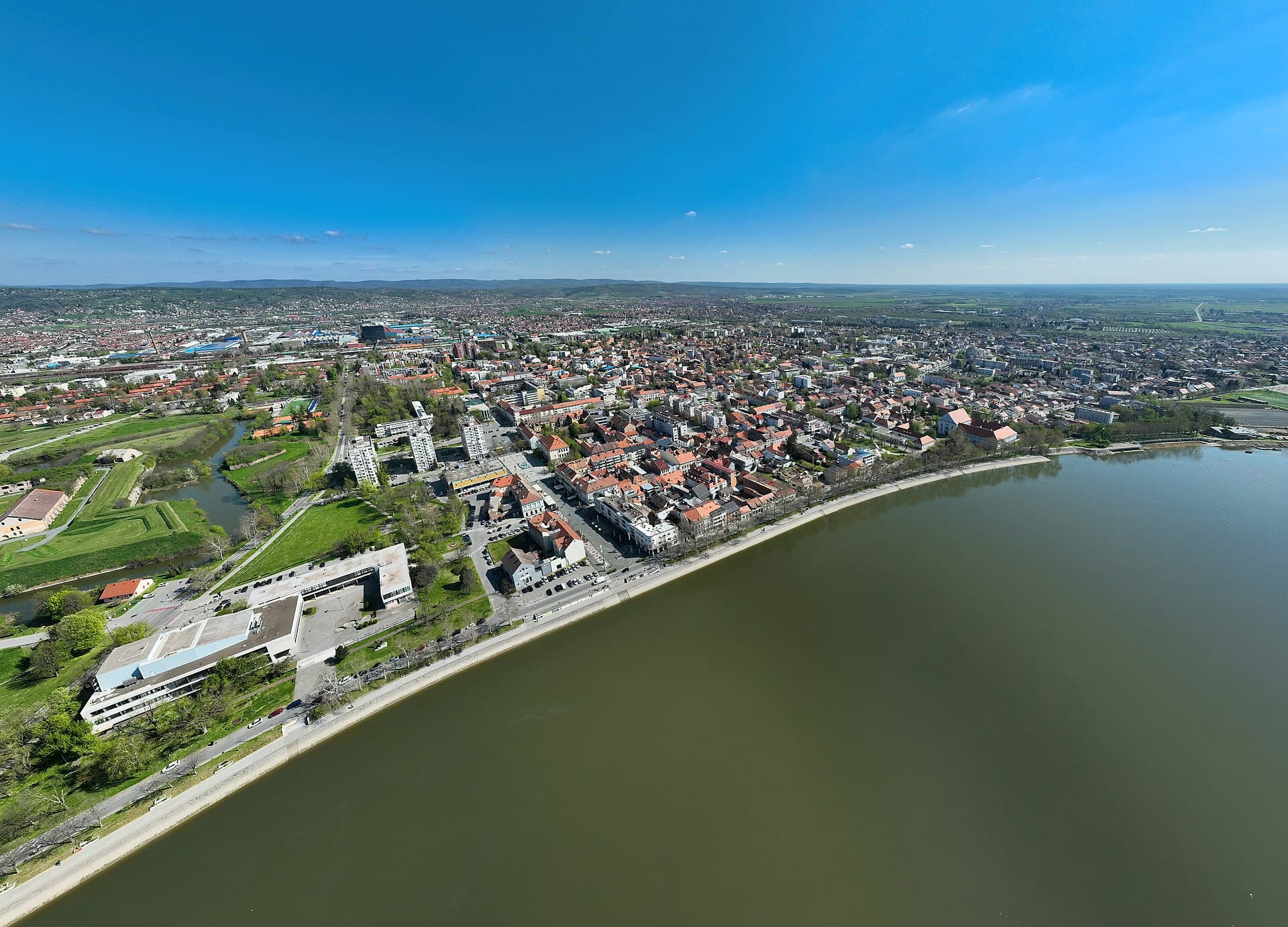
Slavonski Brod
Slavonski Brod developed around one of the major crossings of the Sava, and that border and transport role left a strong mark on the city. Brod Fortress represents the eighteenth-century…
Read the guide
Know Duga Međa? Correct us
Tell us in your own words what is not accurate. We check right away.Do not enter personal data. Corrections are checked by the StayBravo AI assistant; changes to the description are approved by an editor. Use the form instead
Do you know Duga Međa?
Help the guests who come after you.
Help us complete
Nothing is published without an editor’s review.Report illegal content
Photo credits: Feričanci, Čačinci — Frane Lovošević (CC BY-SA 3.0) · Nova Jošava — Belirac (CC BY-SA 3.0) · Crkvari — Robert Ruff (CC BY 3.0) · Ružica grad — Lorelay Rory Gilmore (Public domain) · Orahovica Monastery, Pejačević Manor — Flammard (CC BY-SA 3.0) · Kutjevo Abbey — Dalibor Ribičić (CC BY-SA 4.0) · Osijek — Rp031 (CC BY-SA 4.0) · Vukovar — Bybbisch94, Christian Gebhardt (CC BY-SA 4.0) · Stubičke Toplice — MOs810 (CC BY-SA 4.0) · Slavonski Brod — Petar Milošević (CC BY-SA 4.0)