Donja Stubica
About this place
Donja Stubica is a Zagorje town whose identity is strongly connected with the Peasants’ Revolt of 1573, although its documented history begins much earlier: Stubica appears in written sources in 1209. By the sixteenth century the area formed part of the major Susedgrad–Stubica estate, and the decisive battle of the revolt took place near Stubica on 9 February 1573. A visit therefore naturally begins with the landscape of Gubec’s story but should extend to Stubički Golubovec Castle, the parish Church of the Holy Trinity and traces of the older civic centre. Golubovec is especially interesting for its late-Baroque architecture, park and later owners, including Zagreb bishop Maksimilijan Vrhovac. Local food is distinctly Zagorje rather than metropolitan, with official sources listing places such as Lagvić and Majsecov mlin. Donja Stubica also combines naturally with Gornja Stubica and Stubičke Toplice, allowing one day to cover revolt history, castles, regional cooking and the recreational landscape beneath Medvednica.
Donja Stubica developed as an administrative and civic centre on the northern slopes of Medvednica, and the city’s historical overview follows it from the first written mention of Stubica in 1209 to its formal city status in 1997. The dominant historical layer remains the Peasants’ Revolt of 1573, since the Stubica area was one of the key locations in the conflict led by Matija Gubec. Yet the town is not merely a memorial landscape of the revolt: Stubički Golubovec Castle, the Church of the Holy Trinity, old crafts and nineteenth-century civic development are also important to its identity. This combination explains why Donja Stubica is best experienced through several separate locations rather than through a single central square or one monumental attraction.
Things to see
Stubički Golubovec Castle is the principal representative historic building in Donja Stubica. A particularly important phase began after 1804, when the estate passed to Zagreb bishop Maksimilijan Vrhovac, who renovated the castle and developed its economy. The attraction is more than the building itself: the park, woodland and Vilinske poljane form a wider cultural landscape. In the town, the parish Church of the Holy Trinity is another major landmark, described by official local sources as an important Gothic religious monument of Hrvatsko Zagorje. To explore the Peasants’ Revolt in greater depth, the itinerary should continue into Gornja Stubica, because the principal museum and monumental sites connected with Matija Gubec lie outside the administrative centre of Donja Stubica.

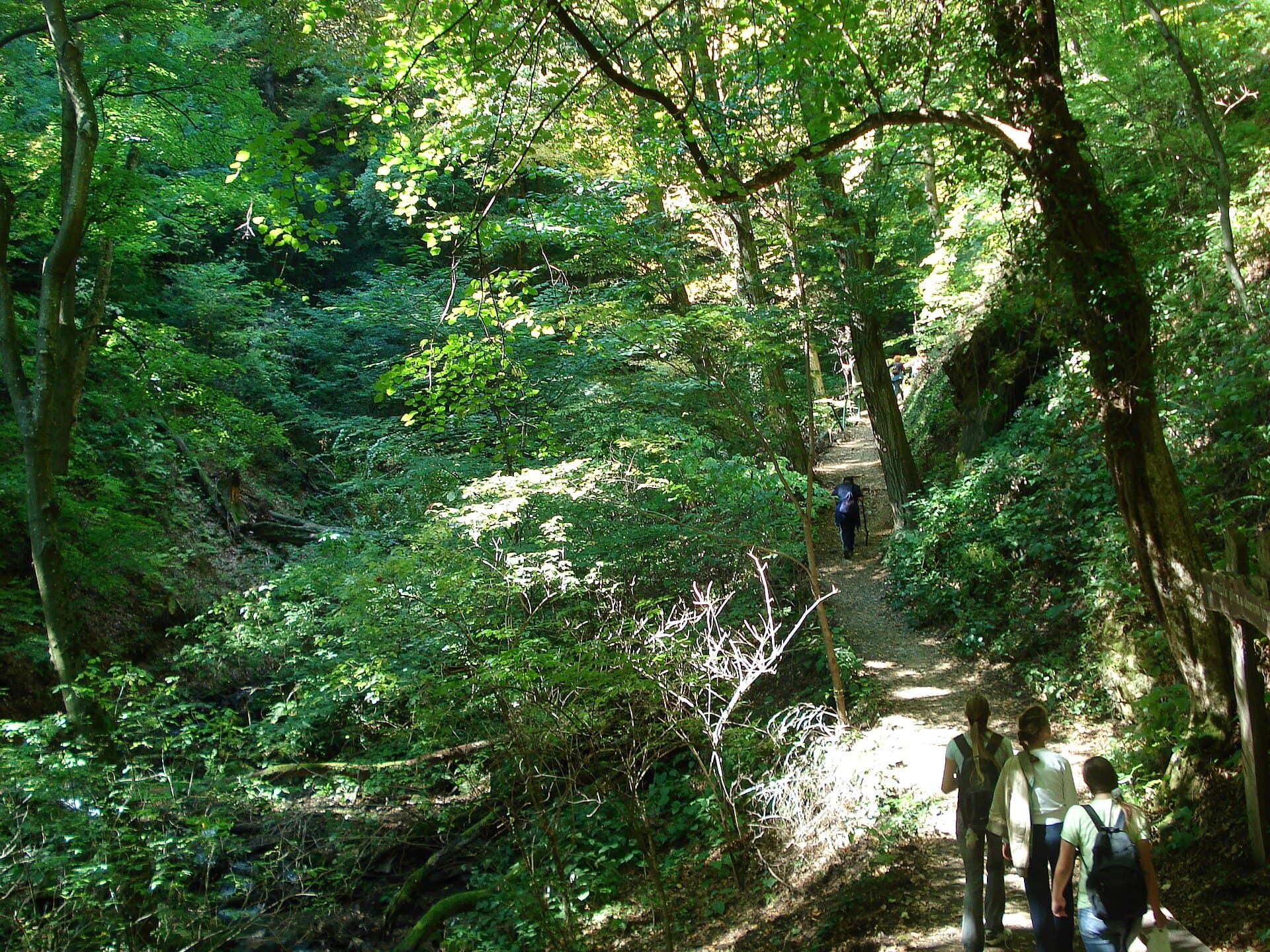 Nature park
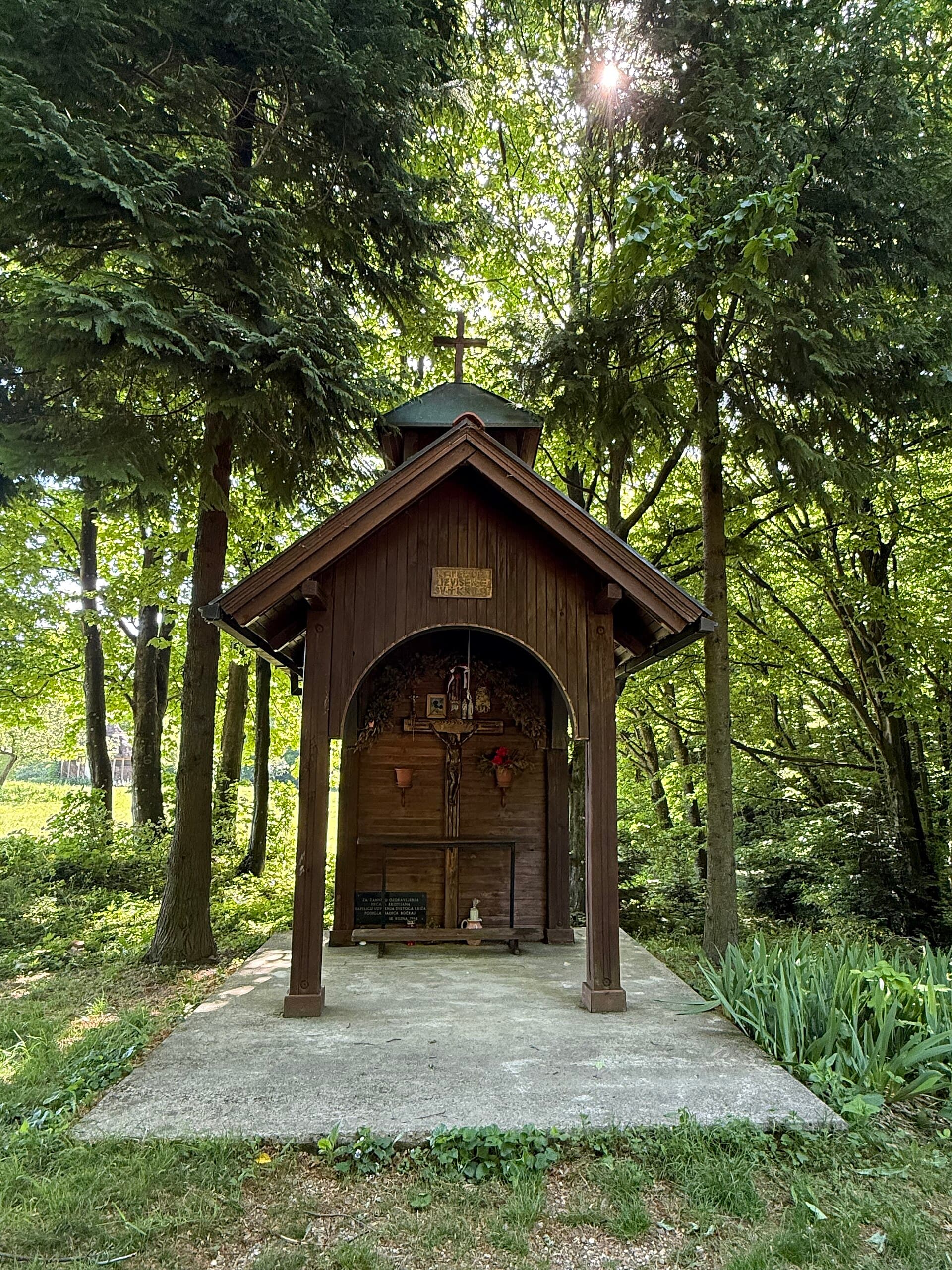
Chapel of the Exaltation of the Holy Cross, Zagreb (Gorščica)
Landmark · Jakšinec
chapel in Zagreb, Croatia
8 km from Donja Stubica
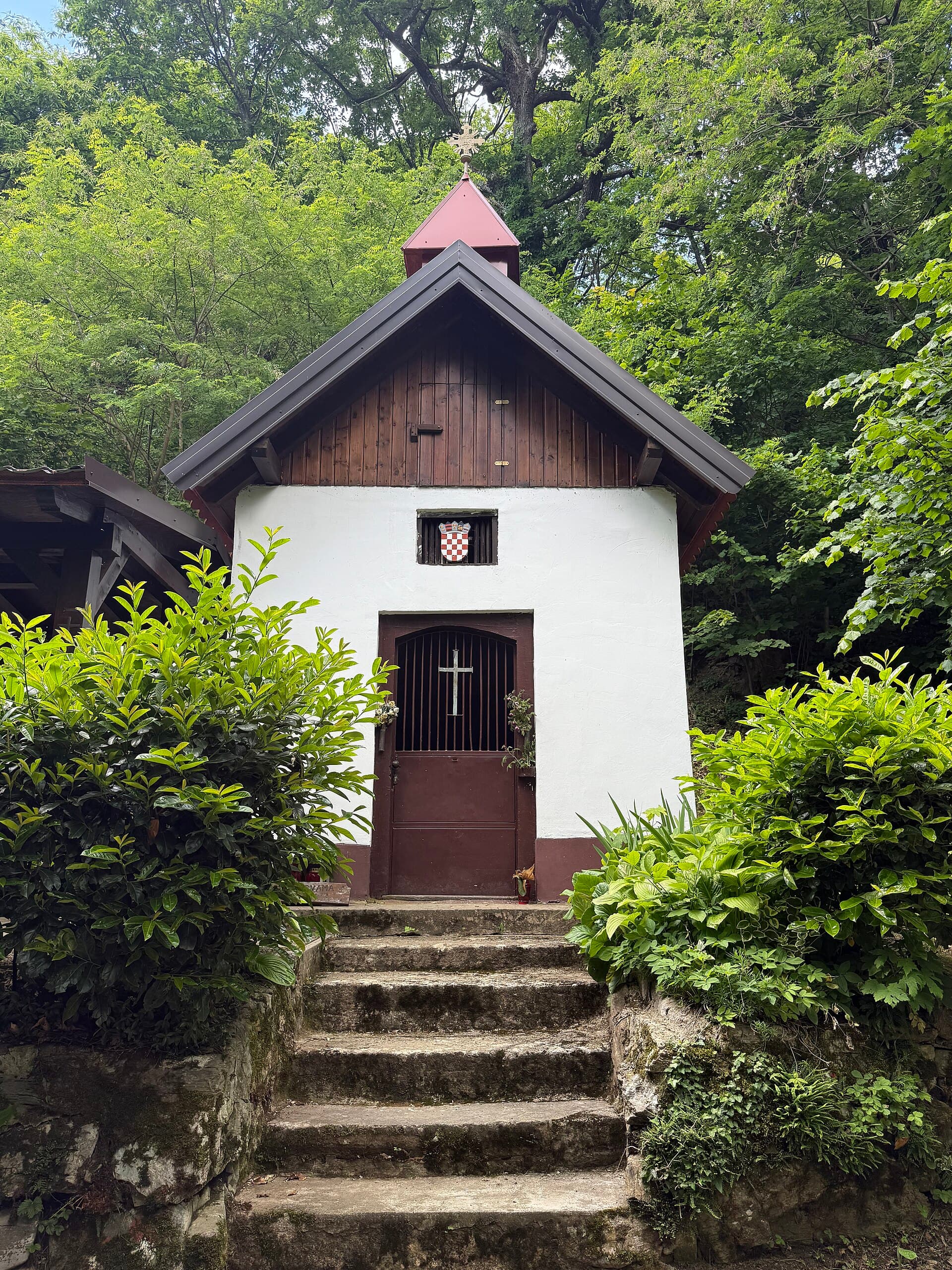
Chapel of Our Lady of the Snows, Zagreb (Zagrebačka Gora)
Landmark · Planina Gornja
chapel in Zagreb, Croatia
9 km from Donja Stubica
Stays nearby
- Apartment
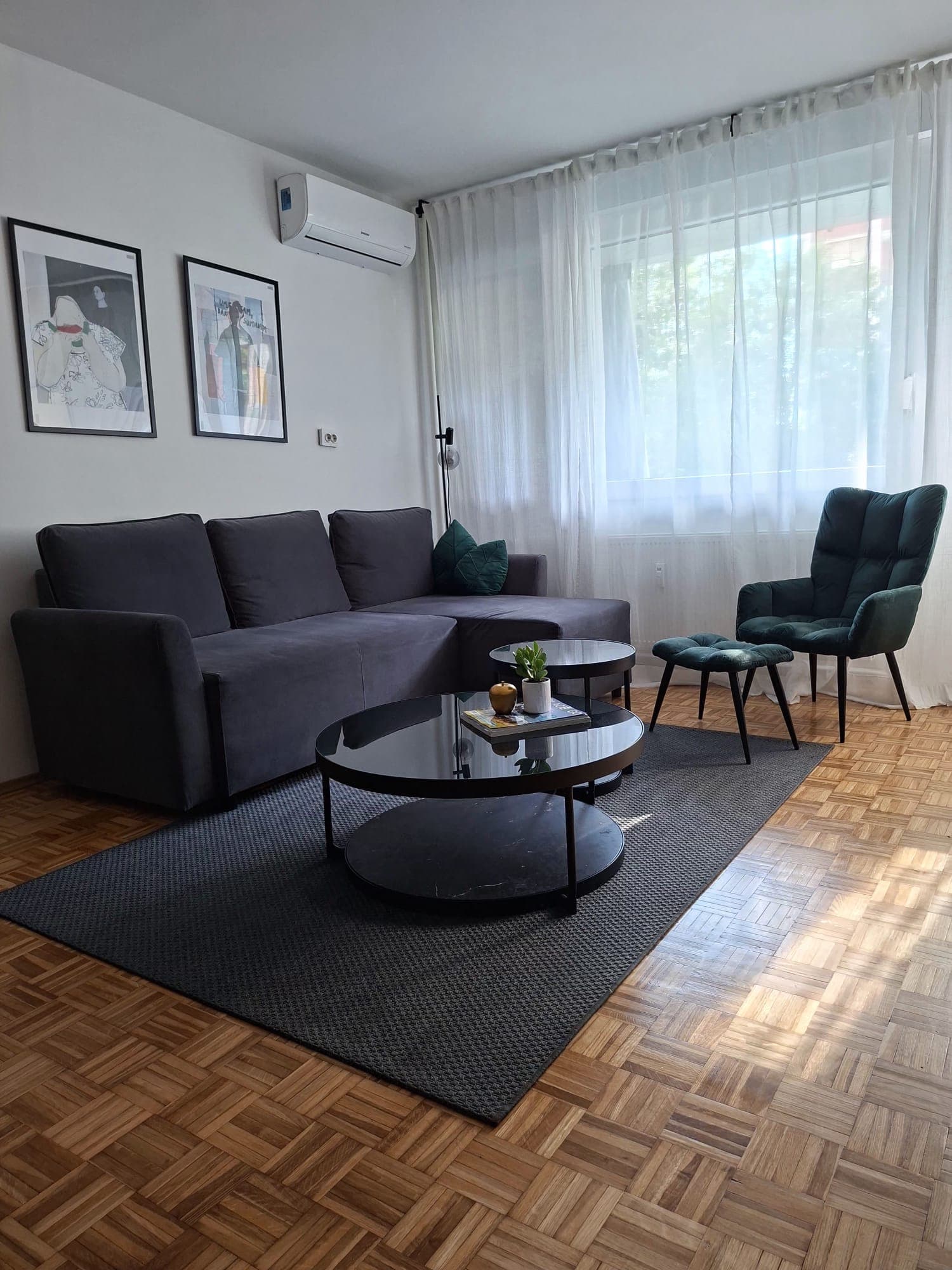 19 km from Donja Stubica
Be the first to list here
Guests looking for this place only see stays nearby for now. No commission, and enquiries come straight to you.
List your accommodation
Things to do
For a first visit, begin in central Donja Stubica with the local places connected to the town’s history, then continue toward Stubički Golubovec. The castle, park and surrounding meadows provide a calmer counterpoint to the story of the Peasants’ Revolt, while the estate itself links several centuries of local history. From there, it makes sense to continue toward Gornja Stubica, where the monuments are more directly connected with Matija Gubec and the events of 1573. The day can end in Stubičke Toplice or with a regional meal, breaking up the historical route with recreation or food. Donja Stubica therefore works better as a starting point for the wider Gubec area than as a destination exhausted by a short walk around its centre.
Food and drink
The city’s official visitor information lists several places that fit naturally into a Stubica itinerary. Restaurant Lagvić highlights homemade bread and a dish called Stubička pisanica, while Majsecov mlin combines the setting of an old mill with dishes such as trout, potatoes and nettles, together with traditional Zagorje meat preparations. Additional dining options are available around Terme Jezerčica. The food scene matches the character of the destination: the focus is on Zagorje ingredients and traditional cooking rather than a large urban restaurant culture. In 2026, current opening hours and reservation requirements should be checked before arrival, especially on weekends and during major local events when the wider Gubec area receives substantially more visitors.
Tours and activities
AdAd · partner offers: Viator, GetYourGuideThe partner handles booking, payment and support. StayBravo may earn a commission on bookings made through these links.How we choose offersWe choose offers based on the page you are viewing: the partner destination for this place or the nearest one (with its distance), and on a sight page only offers that mention it. We show offers rated at least 4.3 with at least 10 reviews, without multi-day tours or pure transfers, ordered by rating adjusted for the number of reviews and then by the partner’s order. We do not use data about you, and the commission does not affect the order.GetYourGuide offers are selected and ordered by GetYourGuide based on the name of the nearest larger town or national park; we do not influence their selection and do not use data about you.GetYourGuide · Zagreb
We show GetYourGuide offers once you allow their cookies.
Viator
Nearest destination: Zagreb (19 km)
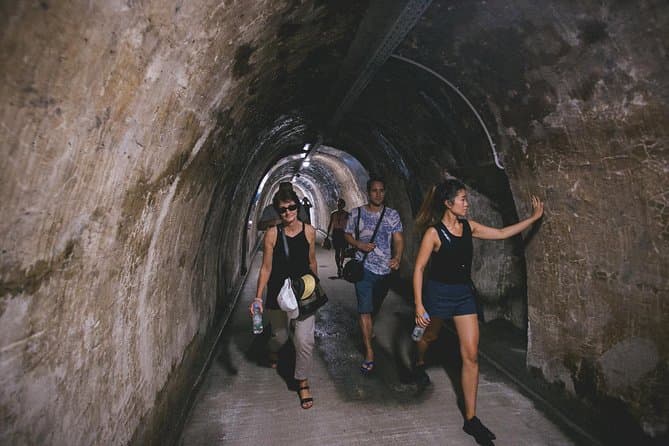
Communism & Croatian Homeland War Tour (opens in a new tab)
Explore the turbulent 20th century in Croatia in a entertaining way combining historical facts and personal experiences. You will find out more about Croatia’s relations with neighbouring countries…
Rated 5 out of 5 · 1,561 reviews· 2 h
Free cancellation
from €39
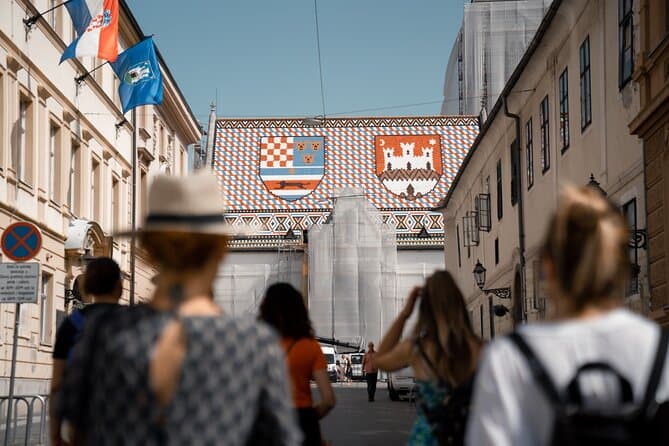
Zagreb Highlights: Old Town, WWII tunnels, Funicular & Tastings (opens in a new tab)
Zagreb Highlights keeps groups small, up to 16 people, so you get a genuinely personal experience with your licensed local guide. In 2 hours, you'll cover the city's must-see landmarks, descend into…
Rated 5 out of 5 · 1,227 reviews· 2 h
Free cancellation
from €20

Zagreb Food Tour: Local Dishes & City Stories (opens in a new tab)
Join a small-group food tour of Zagreb, and spend 3 hours tasting authentic local dishes at some of the city's best food spots. From savoury street food to traditional pastries and local liquor…
Rated 5 out of 5 · 296 reviews· 3 h
Free cancellation
from €79
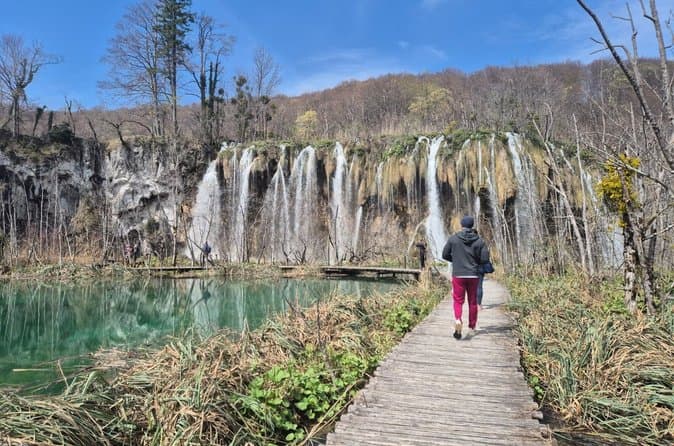
Plitvice Lakes Guided Day Tour from Zagreb (opens in a new tab)
Explore the beautiful Plitvice Lakes National Park on this day tour from Zagreb. Located at the top of Croatia’s Adriatic region, in the Dinaric Alps, this UNESCO-listed site is one of the must-see…
Rated 4.9 out of 5 · 526 reviews· 11 h
Free cancellation
from €65
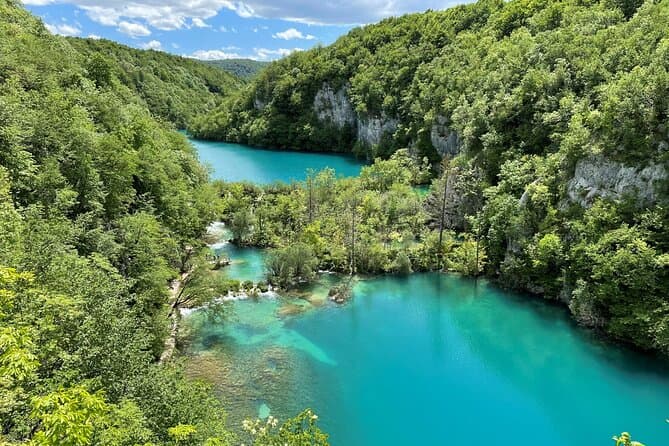
Plitvice Lakes with Ticket & Rastoke Guided Tour from Zagreb (opens in a new tab)
Escape the city and immerse yourself in Croatia’s most stunning natural wonder—Plitvice Lakes National Park, a UNESCO World Heritage site. This full-day guided tour from Zagreb includes entry…
Rated 4.9 out of 5 · 1,045 reviews· 10 h
Free cancellation
from €75
Walking tour of Zagreb (opens in a new tab)
Get your walking shoes on and take a stroll with us as we show you the highlights of our wonderful city. We have the local insights and handy tips to leave you wanting to explore some more. We will…
Rated 4.9 out of 5 · 513 reviews· 2–3 h
Free cancellation
from €20
Practical information
Practical information
Tourist information for Donja Stubica is published by the city and the local Gubec-area tourism organisation, with attractions spread across Donja Stubica, Gornja Stubica and Stubičke Toplice. It is therefore useful to decide before arrival whether the plan covers only the town or the entire historical area associated with Gubec. In 2026, the status of museums and castles should be checked before travelling because several properties have undergone renovation in recent years. The 2026 re-enactment of the Battle of Stubica was held in central Donja Stubica, showing how major events can temporarily alter normal traffic and visitor arrangements. On an ordinary day, the most practical approach is to combine walking in the centre with short drives toward Golubovec and neighbouring settlements.
Getting there and around
Donja Stubica lies on the Zabok–Gornja Stubica railway, with connections to Zagreb available via Zabok. HŽ Passenger Transport’s 2025/26 timetable runs until 12 December 2026 and lists several daily departures from Donja Stubica towards both Zabok and Gornja Stubica; check the latest service notices before travelling, as temporary engineering closures were announced on this line during 2026. The county bus network also publishes route 439 between Donja Stubica and Oroslavje, operated by Domi-prijevoz. Rail is the most useful public-transport option when arriving from Zagreb, while the Oroslavje bus provides access to further Zagorje connections.
Frequently asked questions
When is Stubica first mentioned in written sources?
The City of Donja Stubica’s historical overview gives 1209, in a charter issued by the Hungarian king Andrew II.
When did the decisive battle of the Peasants’ Revolt take place near Stubica?
The battle was fought on 9 February 1573, and the Stubica area remains strongly associated with Matija Gubec and the memory of the revolt.
Which castle is the main historic castle in Donja Stubica?
It is Stubički Golubovec, a castle with a park and wider estate complex that passed to Bishop Maksimilijan Vrhovac in the early nineteenth century.
Where are the main sites connected with Matija Gubec?
The principal monumental and museum sites are in Gornja Stubica, making them a natural extension of a visit to Donja Stubica.
Which local dining place uses an old mill setting?
Majsecov mlin is listed in Donja Stubica’s official dining offer, with dishes including trout and other Zagorje specialities.
Nearby
Donja Stubica
Open in OpenStreetMap(opens in a new tab)straight-line distance
Related guides

Osijek
Tvrđa and the centre around the main square are distinct starting points for understanding Osijek. The former emphasises the fortified historic quarter and Baroque architecture; the latter…
Read the guide

Vukovar
A cultural visit to Vukovar has several separate centres of gravity. Eltz Palace and the City Museum address the city and its inhabitants across different periods. Vučedol reaches much…
Read the guide

Stubičke Toplice
Stubičke Toplice derives almost its entire identity from thermal water and the Zagorje landscape. There is no large urban historic core; green spaces, bathing facilities and traces of the…
Read the guide
Slavonski Brod
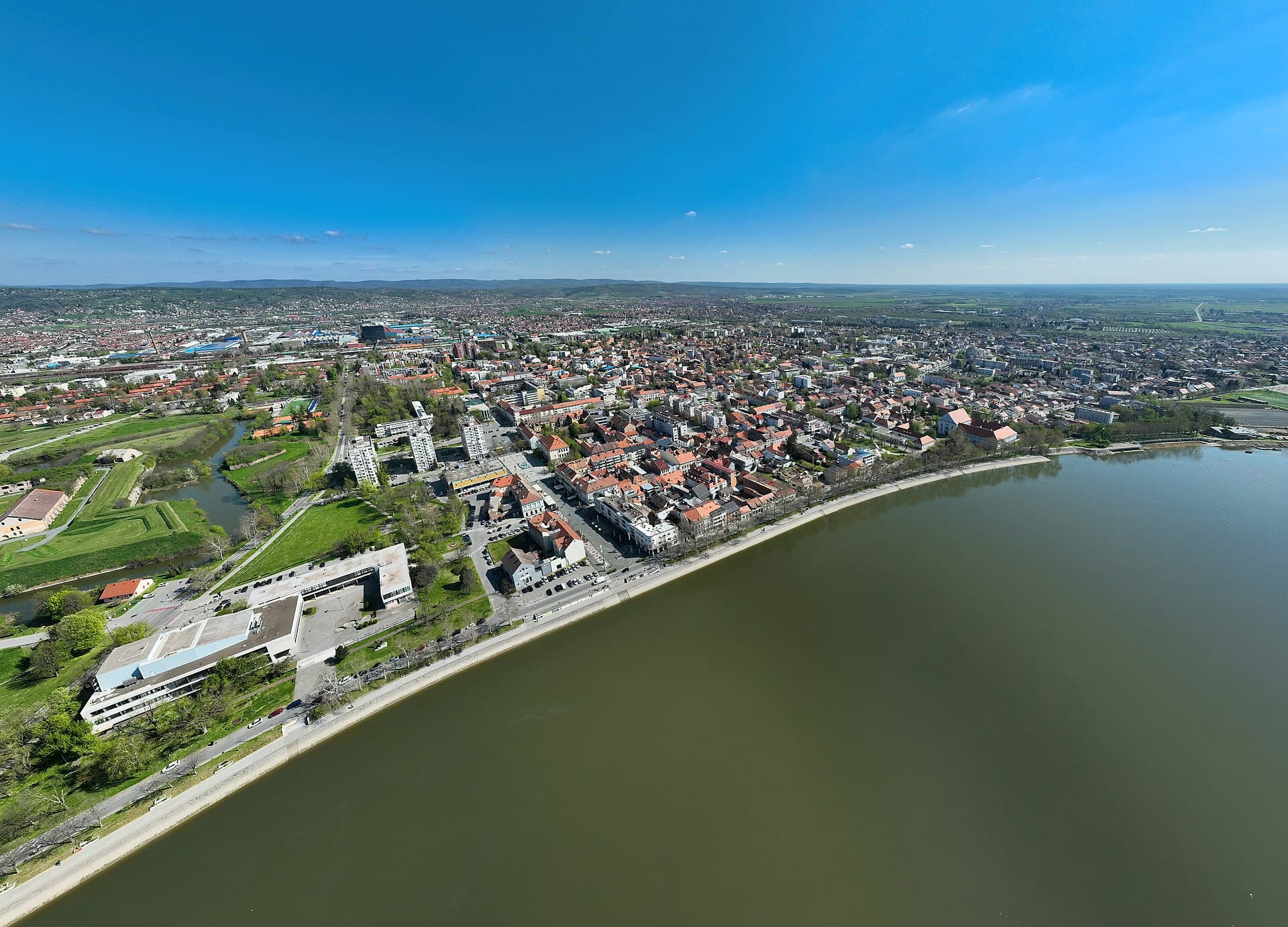
Slavonski Brod developed around one of the major crossings of the Sava, and that border and transport role left a strong mark on the city. Brod Fortress represents the eighteenth-century…
Read the guide
Know Donja Stubica? Correct us
Tell us in your own words what is not accurate. We check right away.Do not enter personal data. Corrections are checked by the StayBravo AI assistant; changes to the description are approved by an editor. Use the form instead
Do you know Donja Stubica?
Help the guests who come after you.
Help us complete
Nothing is published without an editor’s review.Report illegal content
Photo credits: Stubičke Toplice — MOs810 (CC BY-SA 4.0) · Museum of Peasant Revolts — Silverije (CC BY-SA 3.0) · Medvednica Nature Park — MayaSimFan (CC BY-SA 3.0) · Chapel of the Exaltation of the Holy Cross, Zagreb (Gorščica) — Baltabar (CC0) · Chapel of Our Lady of the Snows, Zagreb (Zagrebačka Gora) — Baltabar (CC BY 4.0) · Book Me Apartman — Natalija Kirša (courtesy of the property owner) · Osijek — Rp031 (CC BY-SA 4.0) · Vukovar — Bybbisch94, Christian Gebhardt (CC BY-SA 4.0) · Slavonski Brod — Petar Milošević (CC BY-SA 4.0)