
Donja Motičina
About this place
Donja Motičina is a Slavonian village on the D2 state road between Našice and Feričanci. Its defining landmark is the Church of All Saints, first recorded in 1333, when Motičina was already the seat of a Catholic parish. Standing on raised ground and recognised as cultural heritage, the church remains the clearest visual reference point in the settlement. Donja Motičina is also the administrative centre of a municipality that includes Seona and Gornja Motičina, making all three villages easy to combine on a short drive. Seona adds another distinctive stop: its Church of St Michael was blessed on 1 October 1854, and Count Ladislav Pejačević supplied building material, a new altar and a painting of the archangel. This is a rewarding pause for travellers exploring the Našice area by car or bicycle, particularly those interested in modest rural churches, cultivated Slavonian scenery and the local roads beneath the Krndija uplands.
Donja Motičina’s identity rests on its old parish and its position along the D2, the road linking the village with Našice and Feričanci. The Church of All Saints was documented in 1333, while its elevated setting marks the historical focus around which Motičina developed. The village now serves as the municipal seat, with homes and everyday activity extending along the main road and into the surrounding farmland. Its close relationship with nearby Seona is especially visible in local religious traditions: Seona celebrates its patron, St Michael, every year on 29 September.
Things to see


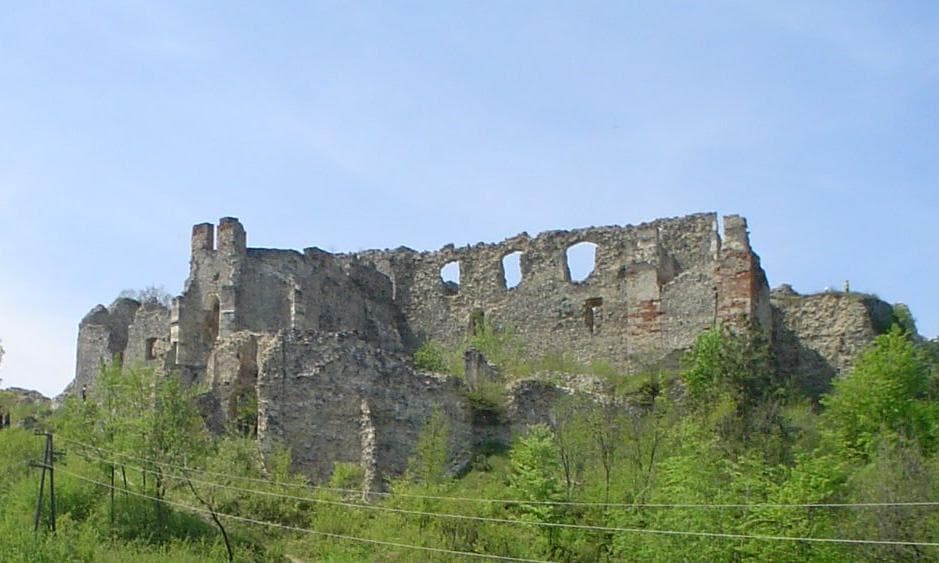
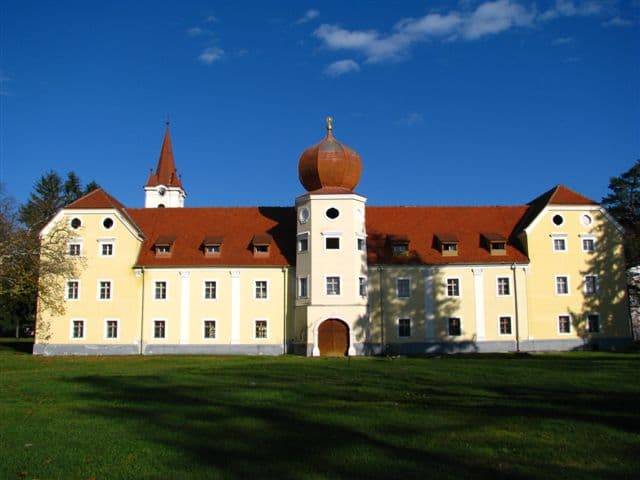
Kutjevo Abbey
Landmark · Venje
Kutjevo Castle is the Baroque part of a historic complex established on the site of a Cistercian abbey founded in 1232.
15 km from Donja Motičina
Stays
No stays listed here yet
Things to do
Begin at the Church of All Saints in Donja Motičina, whose raised position helps visitors understand how the village stretches along the D2. Continue by local road to Seona and the Church of St Michael, blessed in 1854. Its bell tower contains two bells installed in 1932, while work on the stone steps and enclosure in front of the church began in 1966. This compact circuit links two distinct religious landmarks within the municipality and still leaves ample time to continue towards either Našice or Feričanci.
Tours and activities
AdAd · partner offers: GetYourGuideThe partner handles booking, payment and support. StayBravo may earn a commission on bookings made through these links.How we choose offersGetYourGuide offers are selected and ordered by GetYourGuide based on the name of the nearest larger town or national park; we do not influence their selection and do not use data about you.GetYourGuide · Požega
We show GetYourGuide offers once you allow their cookies.
Practical information
Getting there and around
Donja Motičina sits on the D2 state-road corridor, which here connects Našice with the routes towards Osijek and Vukovar before continuing to Ilok. The municipal spatial plan also records a planned bypass corridor alongside the existing D2. The road leads towards Seona as well; in 2023, a procurement notice covered a cycle path along the D2 on that stretch. There is no railway station in the village, so rail travellers first reach Našice and continue by road.
Frequently asked questions
When was the Church of All Saints first recorded?
The Church of All Saints in Donja Motičina was first recorded in 1333, when Motičina was the seat of a Catholic parish.
Is Donja Motičina on a state road?
Yes, the village lies on the D2 state road between Feričanci and Našice.
When does Seona celebrate St Michael?
Seona celebrates its patron saint, St Michael, on 29 September.
What year were the bells at Seona’s church installed?
The two bells in the tower of St Michael’s Church were installed in 1932.
Nearby
Donja Motičina
Open in OpenStreetMap(opens in a new tab)Smaller places
straight-line distance
Related guides

Osijek
Tvrđa and the centre around the main square are distinct starting points for understanding Osijek. The former emphasises the fortified historic quarter and Baroque architecture; the latter…
Read the guide

Vukovar
A cultural visit to Vukovar has several separate centres of gravity. Eltz Palace and the City Museum address the city and its inhabitants across different periods. Vučedol reaches much…
Read the guide

Stubičke Toplice
Stubičke Toplice derives almost its entire identity from thermal water and the Zagorje landscape. There is no large urban historic core; green spaces, bathing facilities and traces of the…
Read the guide
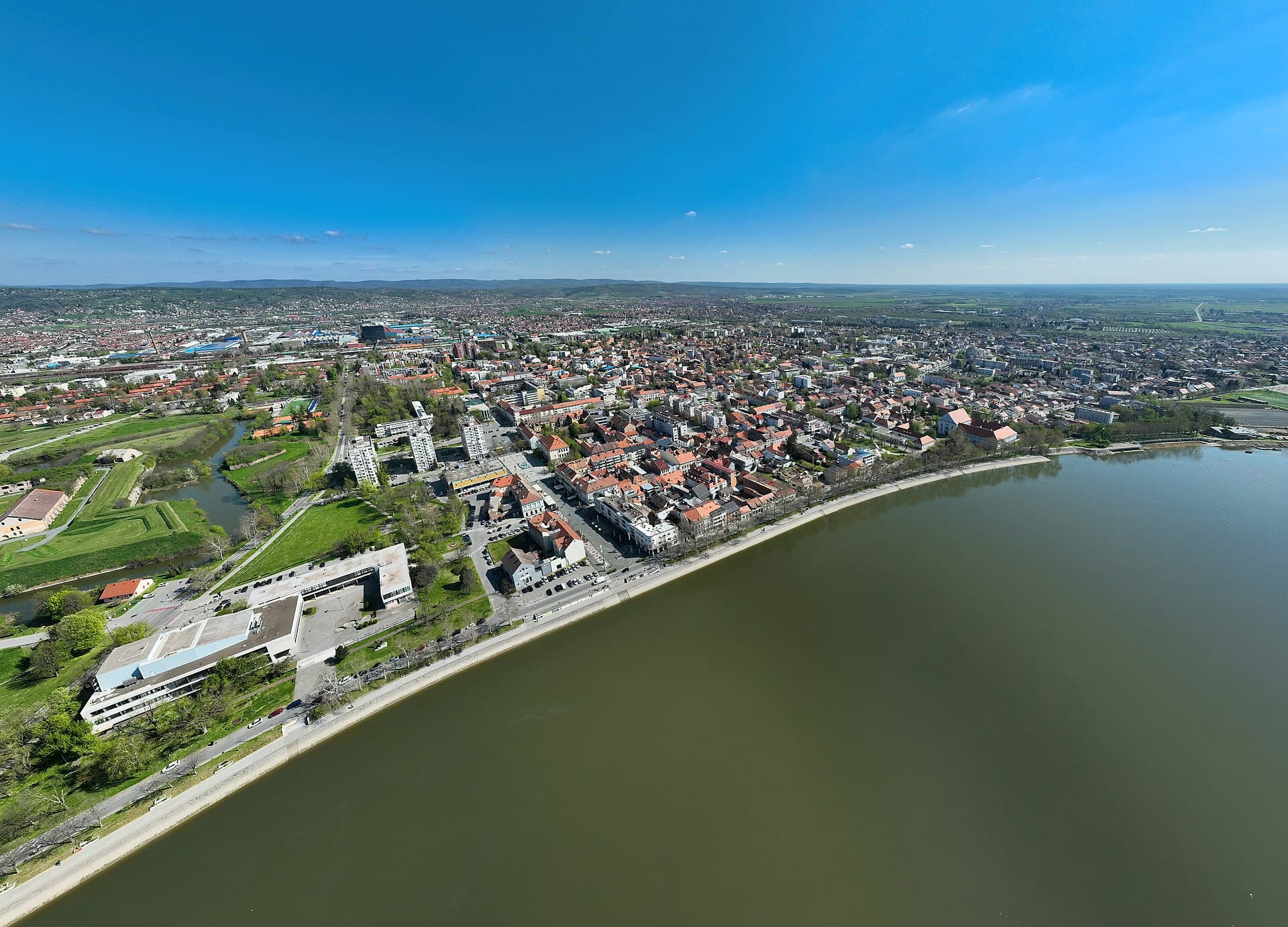
Slavonski Brod
Slavonski Brod developed around one of the major crossings of the Sava, and that border and transport role left a strong mark on the city. Brod Fortress represents the eighteenth-century…
Read the guide
Know Donja Motičina? Correct us
Tell us in your own words what is not accurate. We check right away.Do not enter personal data. Corrections are checked by the StayBravo AI assistant; changes to the description are approved by an editor. Use the form instead
Do you know Donja Motičina?
Help the guests who come after you.
Help us complete
Nothing is published without an editor’s review.Report illegal content
Photo credits: Donja Motičina, Feričanci — Frane Lovošević (CC BY-SA 3.0) · Martin, Našice — Roko Poljak (CC BY-SA 4.0) · Gradac Našički, Crkvari — Robert Ruff (CC BY 3.0) · Pejačević Manor, Orahovica Monastery — Flammard (CC BY-SA 3.0) · Ružica grad — Lorelay Rory Gilmore (Public domain) · Kutjevo Abbey — Dalibor Ribičić (CC BY-SA 4.0) · Osijek — Rp031 (CC BY-SA 4.0) · Vukovar — Bybbisch94, Christian Gebhardt (CC BY-SA 4.0) · Stubičke Toplice — MOs810 (CC BY-SA 4.0) · Slavonski Brod — Petar Milošević (CC BY-SA 4.0)