About this place
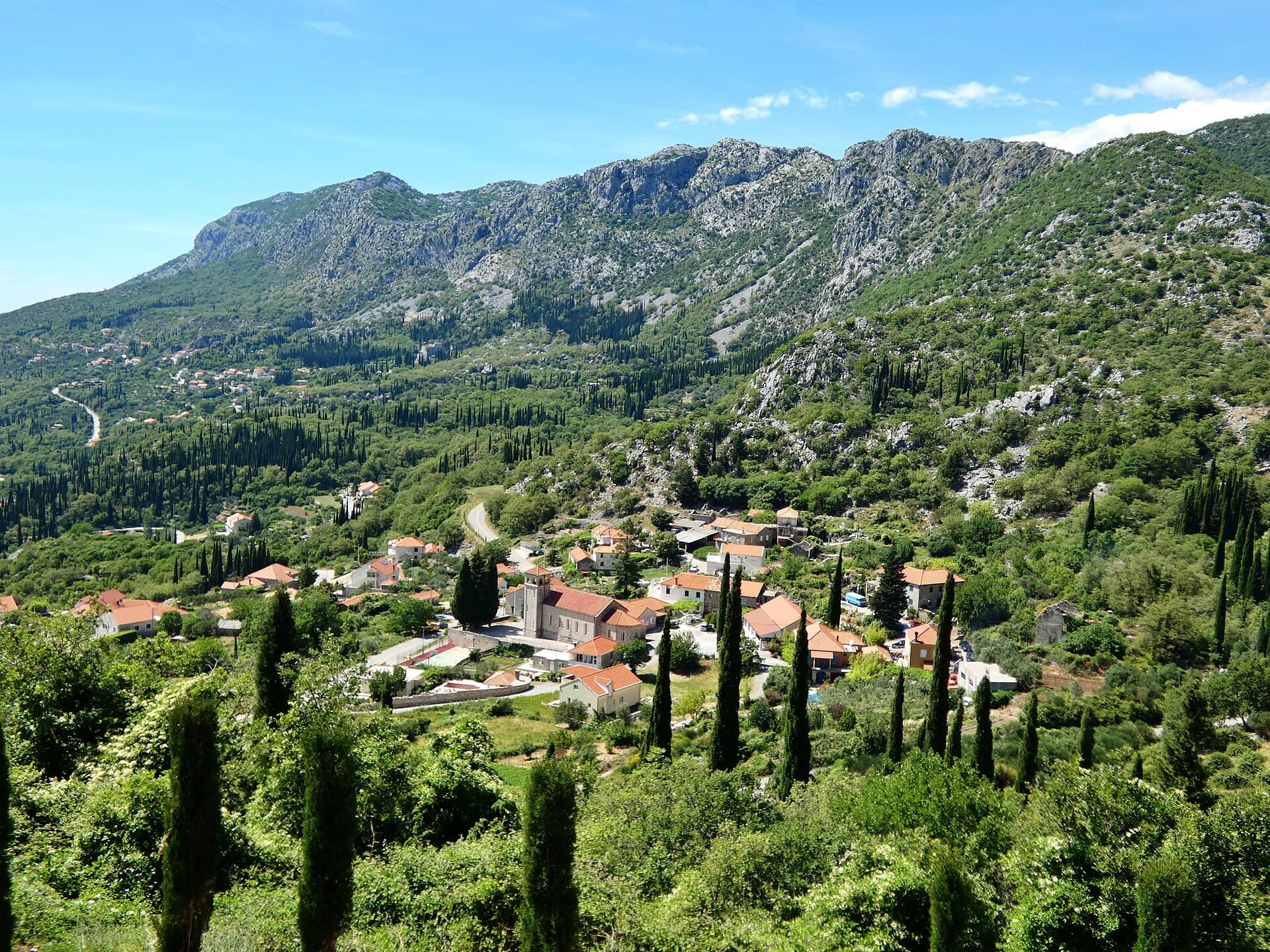
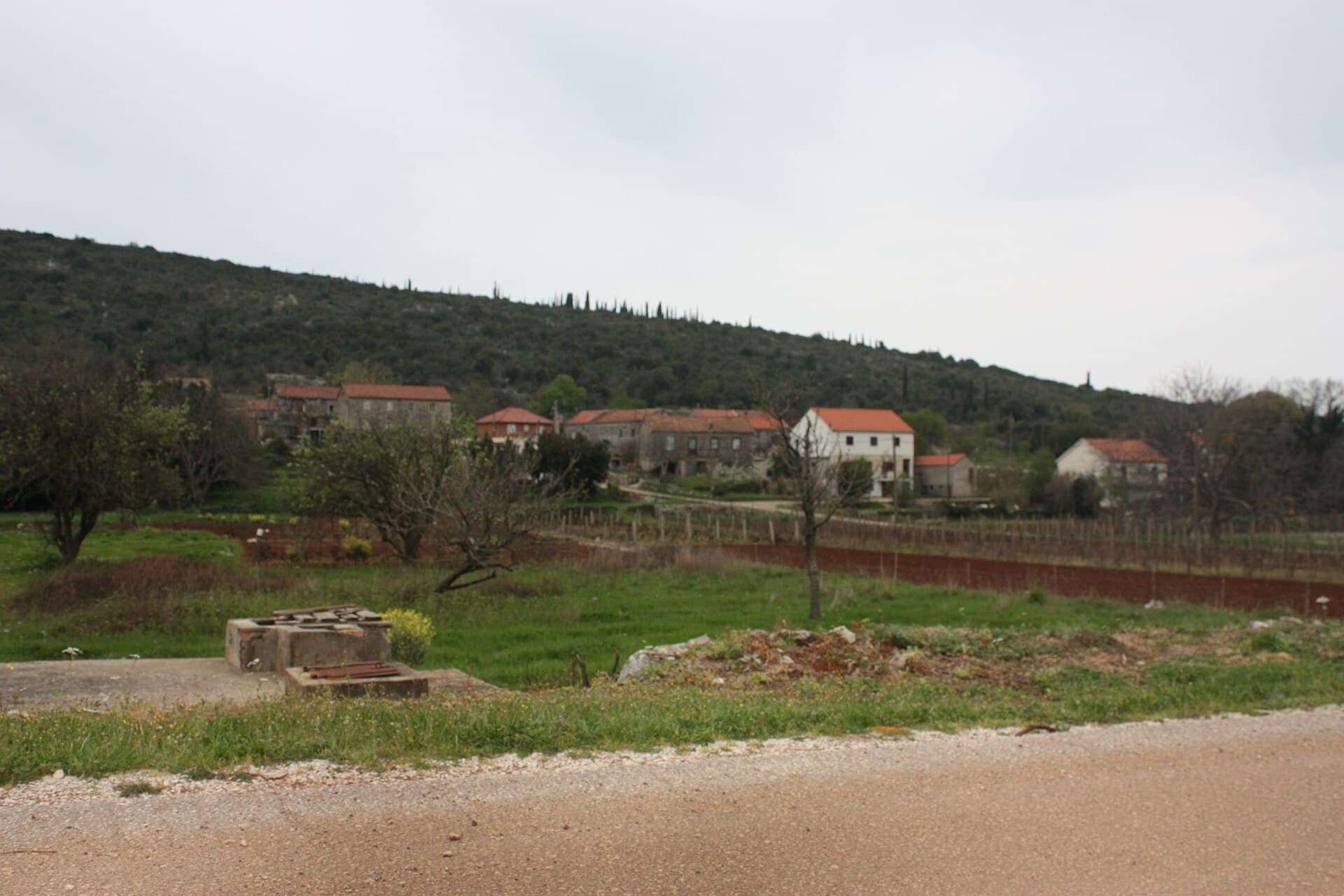
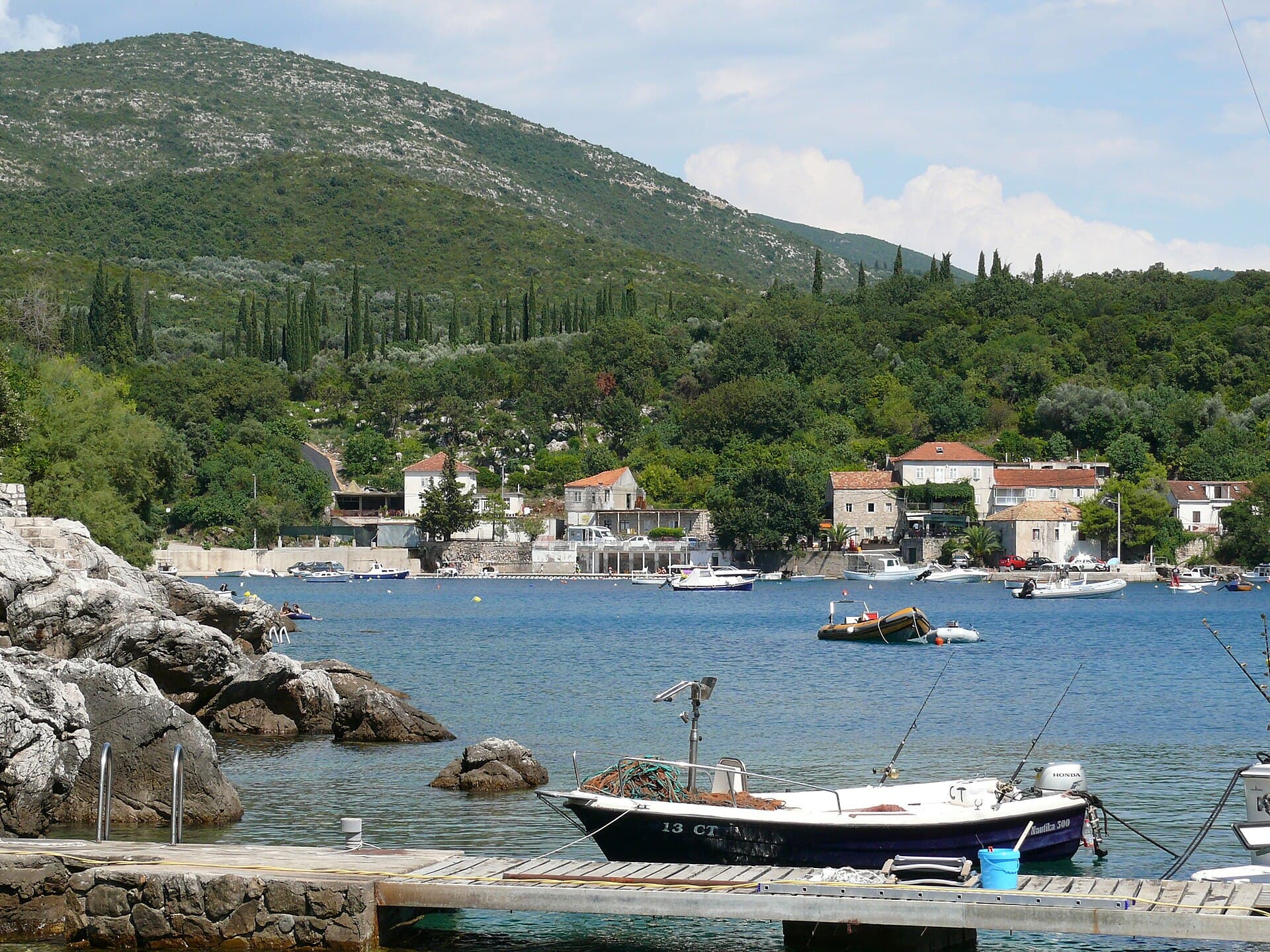
Molunat sits at the southern end of Konavle around two naturally sheltered harbours used by seafarers since antiquity. Its name is associated with the Illyrian and Greek root “molos”, meaning harbour, while archaeological traces survive both on land and beneath the waters of Mali and Veliki Molunat. A peninsula, two islets, shallows and small coves shape the indented coastline, making the village best explored through its waterfronts, fishing boats and footpaths between the two bays. Its foremost historic feature is the Molunat wall, built by the Republic of Ragusa as a refuge for the people of Konavle; the first recorded construction decision dates to 16 January 1468. Swimming spots lie within the sheltered village bays and at natural Godan Cove, which the municipal spatial plan lists as an existing natural beach. Libertas suburban bus 11 links Dubrovnik and Molunat, although departures vary by weekday and school calendar. Molunat consequently suits a slow seaside stay better than daily commuting to Dubrovnik.
Stays nearby
 Apartment
Apartmeni Klenovica.eu
Klenovica
Klenovica, 412 km from Molunat
up to 4 guests · 1 bedroom
The host confirms the exact price for your dates and availability.
Things to see
The Molunat wall is the clearest physical legacy of Ragusan rule in this part of Konavle. On 16 January 1468, the Republic’s Minor Council appointed three noblemen to oversee the fortification of the Crna gora peninsula. Rather than enclosing a conventional town, the wall created a refuge for Konavle’s population during attacks; Molunat also served as a quarantine point for ships arriving from infected ports. Current planning documents classify the wall as registered cultural heritage and require archaeological and conservation studies before restoration. Archaeological remains around both harbours, including underwater finds, add further layers to Molunat’s historic landscape.

Beaches


Things to do
Discover Molunat by walking between Mali and Veliki Molunat, two sheltered harbours with archaeological remains both ashore and underwater. Continue towards the remains of the Molunat wall on the Crna gora peninsula; conceived as a refuge for Konavle’s population, it first appears in a construction decision from 1468. Reserve the afternoon for swimming in a calm part of the harbour or at Godan Cove, officially recorded as a natural beach. Molunat’s indented shore also rewards exploration by small boat, which provides the clearest view of the peninsula, its shallows and the two offshore islets.
Practical information
Getting there and around
Libertas suburban route 11 connects Dubrovnik with Molunat. The operator’s current network lists it as an active service, but individual departures vary between school days, school holidays and Saturdays; the detailed published timetable also states that the route does not run on Sundays or public holidays. With only a limited number of daily journeys, visitors should match their return trip to the current timetable before leaving. Travel towards Cavtat may involve a suitable route 11 journey or a connection with the much more frequent route 10 between Cavtat and Dubrovnik. A car is unnecessary for exploring Molunat’s bays, wall and peninsula on foot.
Frequently asked questions
What are the Molunat walls?
The Molunat walls formed a fortified refuge planned by the Republic of Ragusa to protect Konavle’s population; the first construction decision dates from 1468.
Is there a bus from Dubrovnik to Molunat?
Yes. Libertas route 11 links Dubrovnik and Molunat, with departures varying by day and school calendar.
Where does the name Molunat come from?
The name is associated with the Illyrian and Greek root “molos”, meaning harbour.
Where is Molunat’s natural beach?
Municipal planning documents list Godan Cove and the area known as “na puču” as existing natural beaches.


Related guides

Dubrovnik
Dubrovnik’s historic centre is organised around Stradun, yet its character changes within a few steps of that main street. At the western end beside Pile stand the Large Onofrio Fountain,…
Read the guide

Help improve this page
Spot something missing or wrong? Suggest a correction, add your photo or report a problem. Editors review every suggestion before it is published.
Photo credits
- Molunat — Fridolin freudenfett (Peter Kuley) · CC BY-SA 3.0 · Wikimedia Commons
- Konavle — Modzzak · Public domain · Wikimedia Commons
- Mihanići, Dubravka, Category:Church of St. Peter (near Karasovići), Groblje sa stećcima i crkvom sv. Barbare — Ma▀▄Ga · CC BY 4.0 · Wikimedia Commons