Ljuta
About this place
Ljuta is a Konavle village beside the river of the same name, set in the green Konavle field rather than on the coast around Cavtat. Its spring, short watercourse and water-powered mills shaped both the landscape and the village’s identity. Once Dubrovnik had consolidated its rule over Konavle, expanding grain cultivation in the second half of the 15th century prompted the construction of additional mills; by the 19th century the complex contained fifteen mills and fulling installations. The restored structures are now grouped as the Upper and Lower Mills, linked by channels and aqueducts that directed the river’s flow. The spring and upper course form a protected landscape, making Ljuta best explored slowly, beneath riverside trees and among the stone buildings of its working heritage. Despite belonging to Croatia’s southern coastal region, Ljuta itself is inland: it lies in the central Konavle field, where the Ljuta, Konavočica and Kopačica streams meet. A visit is therefore less about the Adriatic and more about a compact nature walk coupled with an unusually tangible lesson in how water once powered grain mills, oil mills and fulling machinery.
Ljuta is a small settlement whose character is inseparable from the protected upper river and its restored group of traditional working buildings. Most of the mills stand on the western bank, while the Đivanović fulling mill occupies the eastern side. The historic system comprised eight flour mills, two oil mills and three fulling mills, with its lower section developed after 1550. Channels and three aqueducts carried water towards the Lower Mills, leaving an unusually legible example of Konavle’s former water economy. Ljuta therefore has no seafront or monumental town square at its heart; its focal points are the sound of the river, the stone machinery buildings and the deep shade surrounding the spring.
Things to see

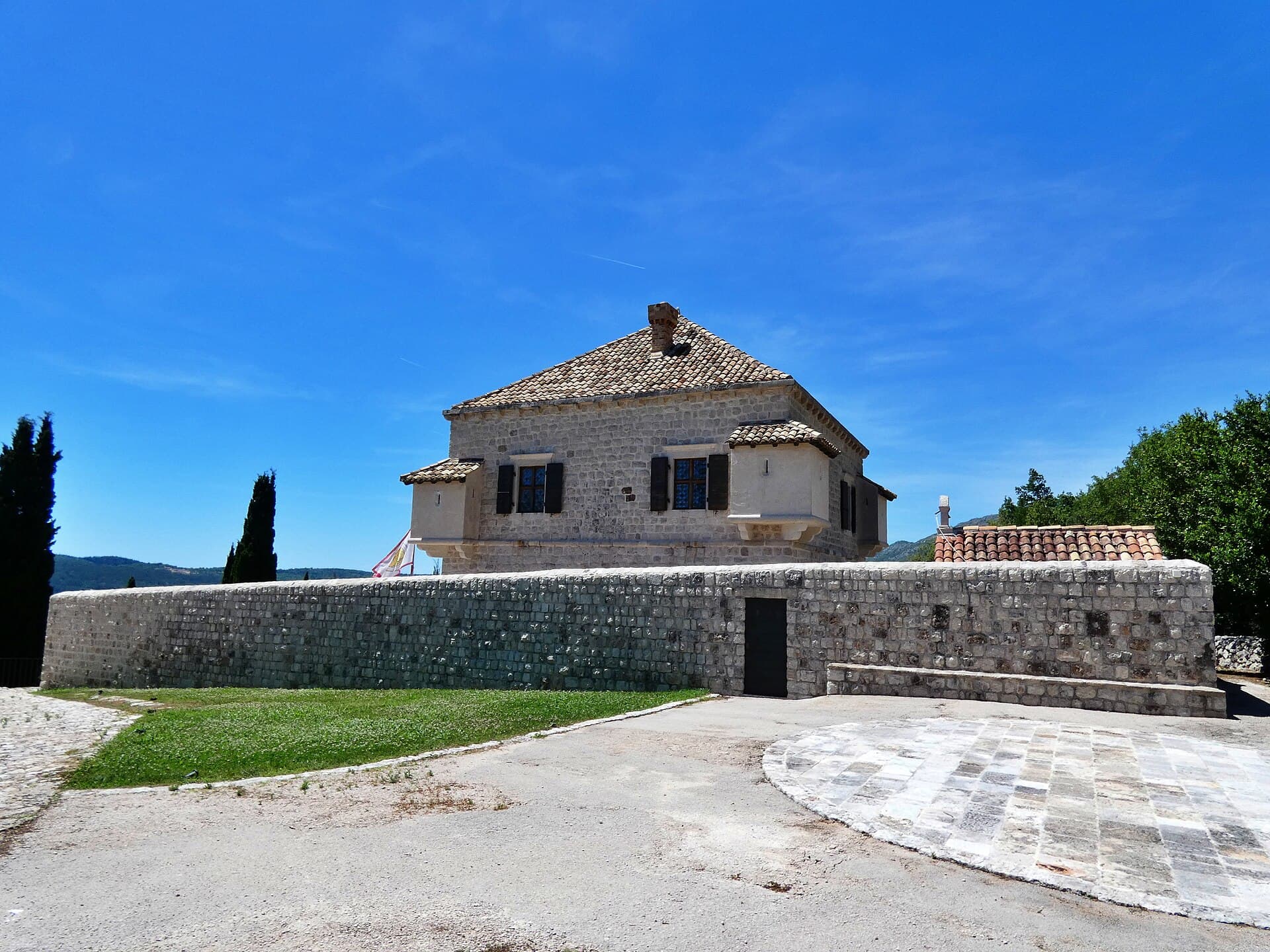
Rector's palace near Pridvorje
Landmark · Pridvorje, Konavle
Administrative seat of the Republic of Ragusa for the Konavle
3 km from Ljuta
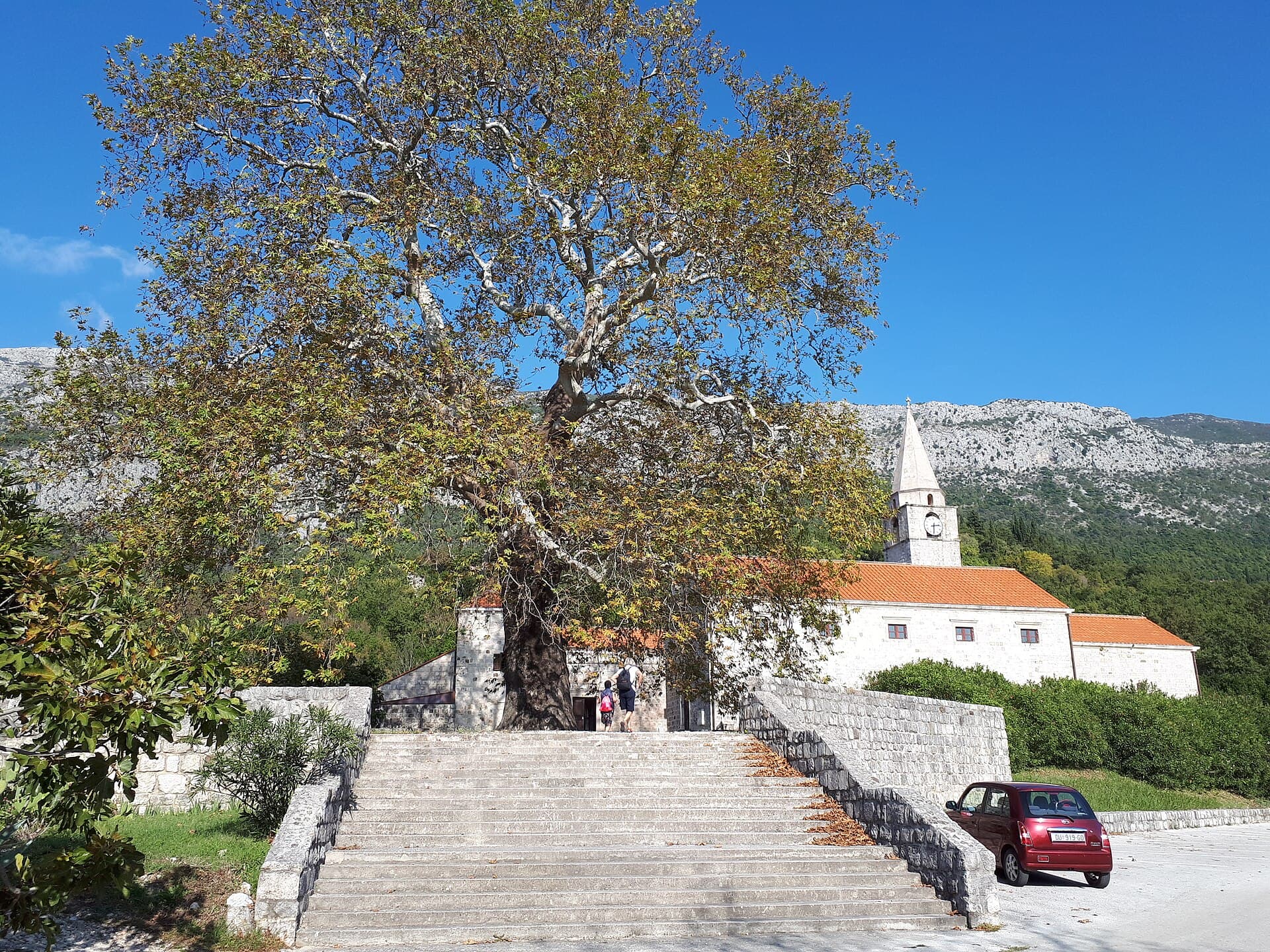
Category:Monastery of St. Francis in Pridvorje
Landmark · Pridvorje, Konavle
The Franciscan monastery and Church of St Blaise in Pridvorje were completed in 1438 as an important religious and civic institution in Konavle.
3 km from Ljuta
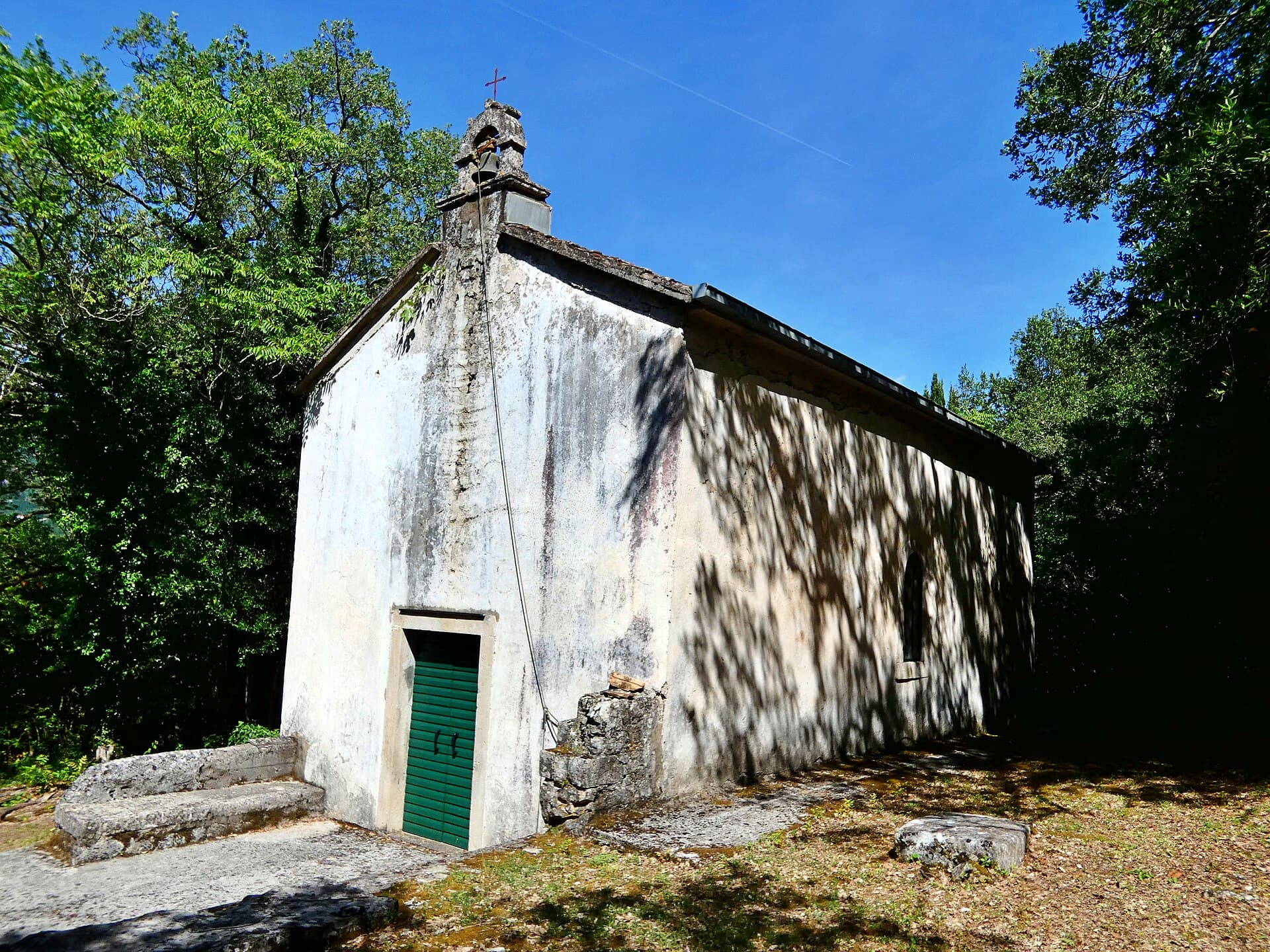
Category:Church of St. Peter (near Karasovići)
Landmark · Poljice
Near Karasovići, the Church of St Peter the Apostle combines a modest rustic-Baroque church with a large medieval cemetery on the edge of Konavle Field.
3 km from Ljuta
Stays nearby
- Apartment
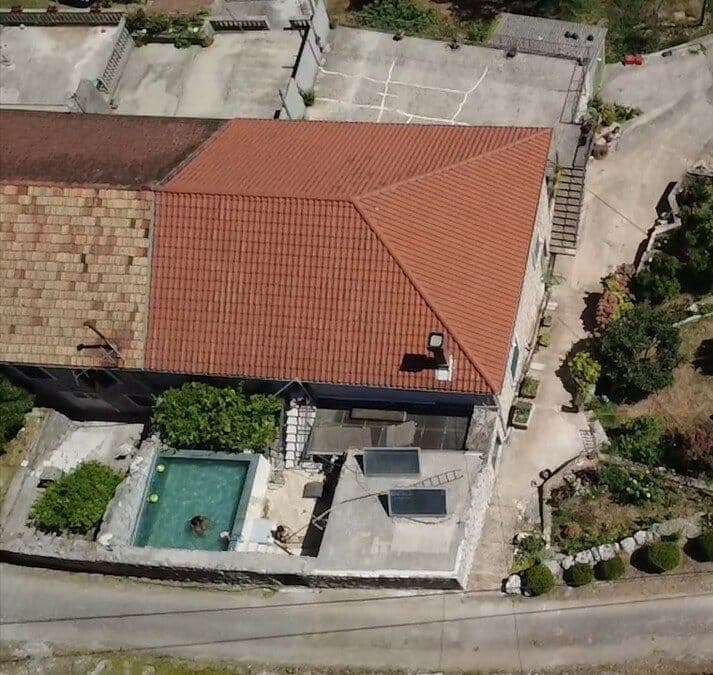 3 km from Ljuta
- Apartment
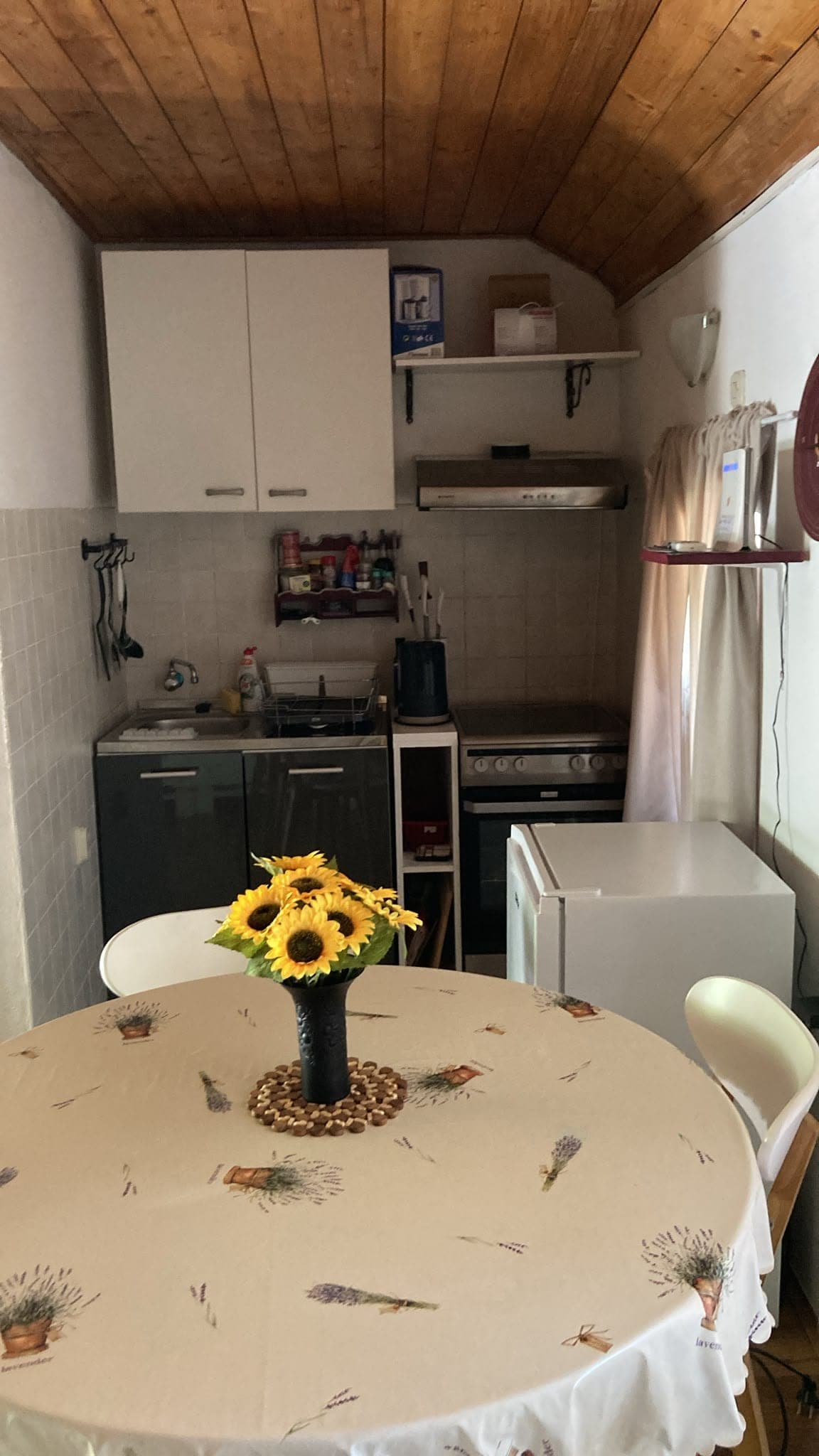 3 km from Ljuta
Be the first to list here
Guests looking for this place only see stays nearby for now. No commission, and enquiries come straight to you.
List your accommodation
Beaches
Ljuta lies beside its river in the Konavle plain rather than on the seashore, so a swim requires a separate trip to the region’s coastal belt. Pasjača below Popovići is the best-known option: access involves steep steps and a tunnel, while the beach itself formed after a drainage tunnel from the Konavle plain was built in the 1960s. That descent is more demanding than swimming in the coves of Molunat, a fishing settlement at the far southern end of Croatia whose indented shore wraps around a peninsula. Other rocky bathing places along the Konavle Cliffs include Zarubača, Puvalice, Vapina, Bjeline, Luka, Bugovina and Pendža, reached by local roads or adapted paths with steep sections. A visit to Ljuta is therefore best paired with a distinct coastal outing to Pasjača or Molunat rather than with plans to swim beside the village watermills.
Things to do
Begin at the spring and Upper Mills, then follow the water towards the Lower Mills to understand how the channels, aqueducts and stone workshops fitted together. A free audio guide published by the Museums and Galleries of Konavle adds short stories about the river’s natural and industrial heritage along the way. At the Mlin rural site, visitors who arrange ahead can see a presentation of the flour mill and fulling machinery; visits are offered throughout the year by prior notice. To turn the walk into a fuller Konavle itinerary, continue to Sokol Grad, the fortress paired with Ljuta’s mills by the local tourist board as a particularly clear introduction to the landscape and legacy of the Dubrovnik Republic.
Tours and activities
AdAd · partner offers: Viator, GetYourGuideThe partner handles booking, payment and support. StayBravo may earn a commission on bookings made through these links.How we choose offersWe choose offers based on the page you are viewing: the partner destination for this place or the nearest one (with its distance), and on a sight page only offers that mention it. We show offers rated at least 4.3 with at least 10 reviews, without multi-day tours or pure transfers, ordered by rating adjusted for the number of reviews and then by the partner’s order. We do not use data about you, and the commission does not affect the order.GetYourGuide offers are selected and ordered by GetYourGuide based on the name of the nearest larger town or national park; we do not influence their selection and do not use data about you.GetYourGuide · Cavtat
We show GetYourGuide offers once you allow their cookies.
Viator
Nearest destination: Dubrovnik (28 km)
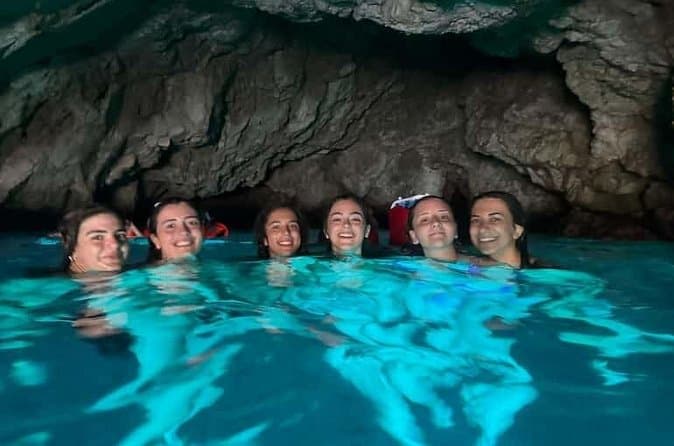
Dubrovnik: 7 Caves & Blue Cave Speedboat Tour (4h) (opens in a new tab)
Explore the famous Blue Cave and hidden sea caves on a small-group speedboat tour (max 8 guests) from Dubrovnik. Enjoy more time for swimming, snorkeling, and photo stops, plus complimentary drinks…
Rated 5 out of 5 · 1,967 reviews· 4 h
Free cancellation
from €60
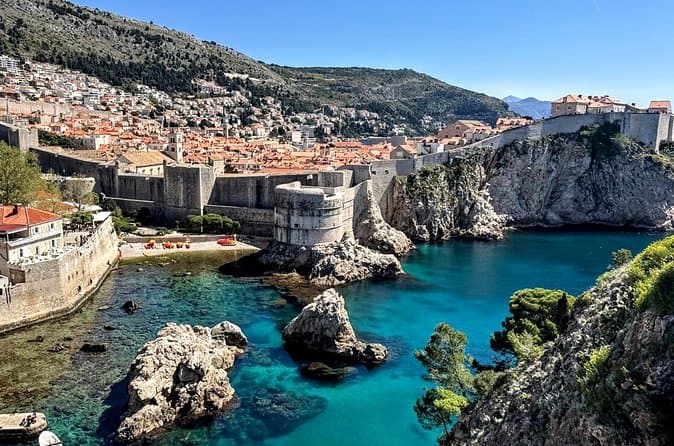
Game of Thrones and Old City Walking Tour in Dubrovnik (opens in a new tab)
Discover Dubrovnik & King's Landing – Two Experiences in One! Explore Dubrovnik's fascinating history and iconic Game of Thrones filming locations on an unforgettable 3-hour walking tour through the…
Rated 5 out of 5 · 965 reviews· 2.5–3 h
Free cancellation
from €33
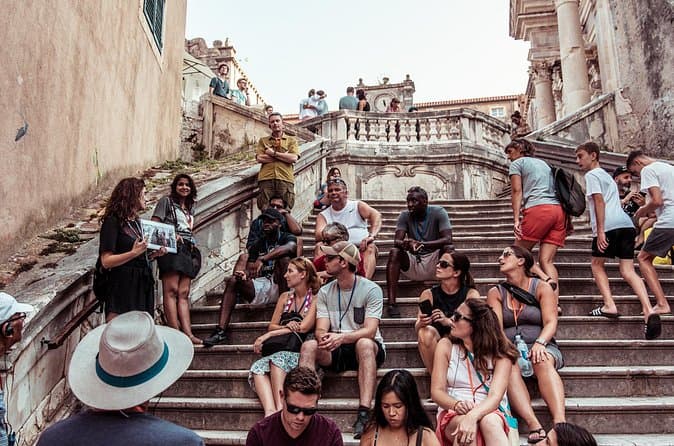
Dubrovnik: Game of Thrones Walking Tour (opens in a new tab)
Meet the real King's Landing! This tour is guided by a licensed tour guide (by the Croatian Ministry of Tourism), fluent in English (or Spanish, depending which language you book) and a Game of…
Rated 5 out of 5 · 1,930 reviews· 2 h
Free cancellation
from €25
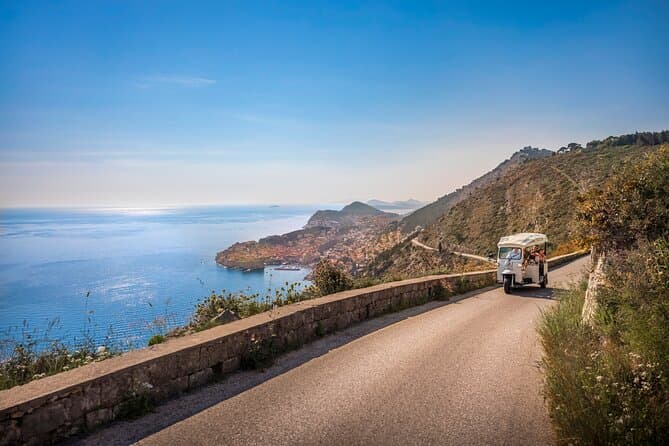
E-Tuk Tuk Tour in Dubrovnik (opens in a new tab)
This tour is ideal for the guests that want to avoid crowds. In this electric Tuk Tuk tour, we will go to the main viewpoints which are not accessible for the bigger vehicles. It is environmentally…
Rated 5 out of 5 · 1,920 reviews· 1.8 h
Free cancellation
from €40
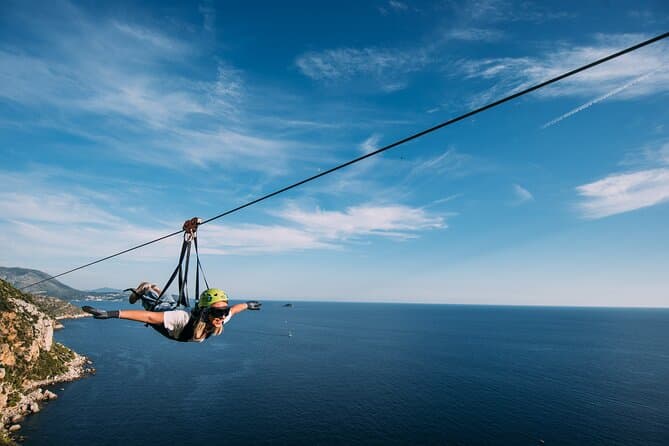
Dubrovnik Superman Zipline: 900m Over Adriatic Sea (opens in a new tab)
If you're searching for adrenaline and unique experience this is an activity for you. This 900 metres long Zipline is located on the Adriatic Sea, only 4 km from the Old town Dubrovnik. The superman…
Rated 5 out of 5 · 692 reviews· 1.3 h
Free cancellation
from €50
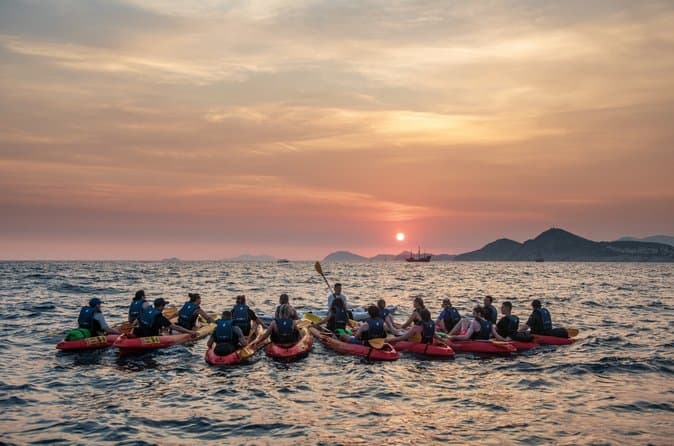
Dubrovnik: Sunset Kayaking & Snorkeling with water &wine (opens in a new tab)
Enjoy Dubrovnik's top summer activity and experience beautiful local natural and historical heritage in this 2 or 3 hour guided sea kayaking tour from the seaside. This tour features informative…
Rated 5 out of 5 · 1,231 reviews· 3 h
Free cancellation
from €40
Practical information
Getting there and around
Ljuta lies inland in Konavle, so neither a boat service nor a coastal walk from Cavtat reaches its mills. Travellers using public transport should start with Libertas’s suburban Dubrovnik–Gruda corridor and consult the operator’s current eastern-area timetable for the most suitable stop and departure. The final approach through the Konavle field is most straightforward by road, and the Mlin rural site lists on-site parking. Once beside the river, exploration continues on foot between the Upper and Lower Mills. A car is particularly useful when combining Ljuta with Sokol Grad, since both sites sit in rural Konavle rather than within the compact urban transport networks of Cavtat or Dubrovnik.
Frequently asked questions
Is Ljuta a seaside swimming destination?
No. Ljuta lies in the Konavle field beside a small river and historic mills, while Konavle’s Adriatic shore is separated from the interior by a belt of steep cliffs.
What can visitors see beside the River Ljuta?
The protected upper river contains the Upper and Lower Mills, channels, aqueducts and the Đivanović fulling mill on the eastern bank.
Is there an audio guide to the mills?
The Museums and Galleries of Konavle provide a free audio guide covering the River Ljuta and its natural and cultural heritage.
Nearby
Ljuta
Open in OpenStreetMap(opens in a new tab)Larger towns
straight-line distance
Related guides
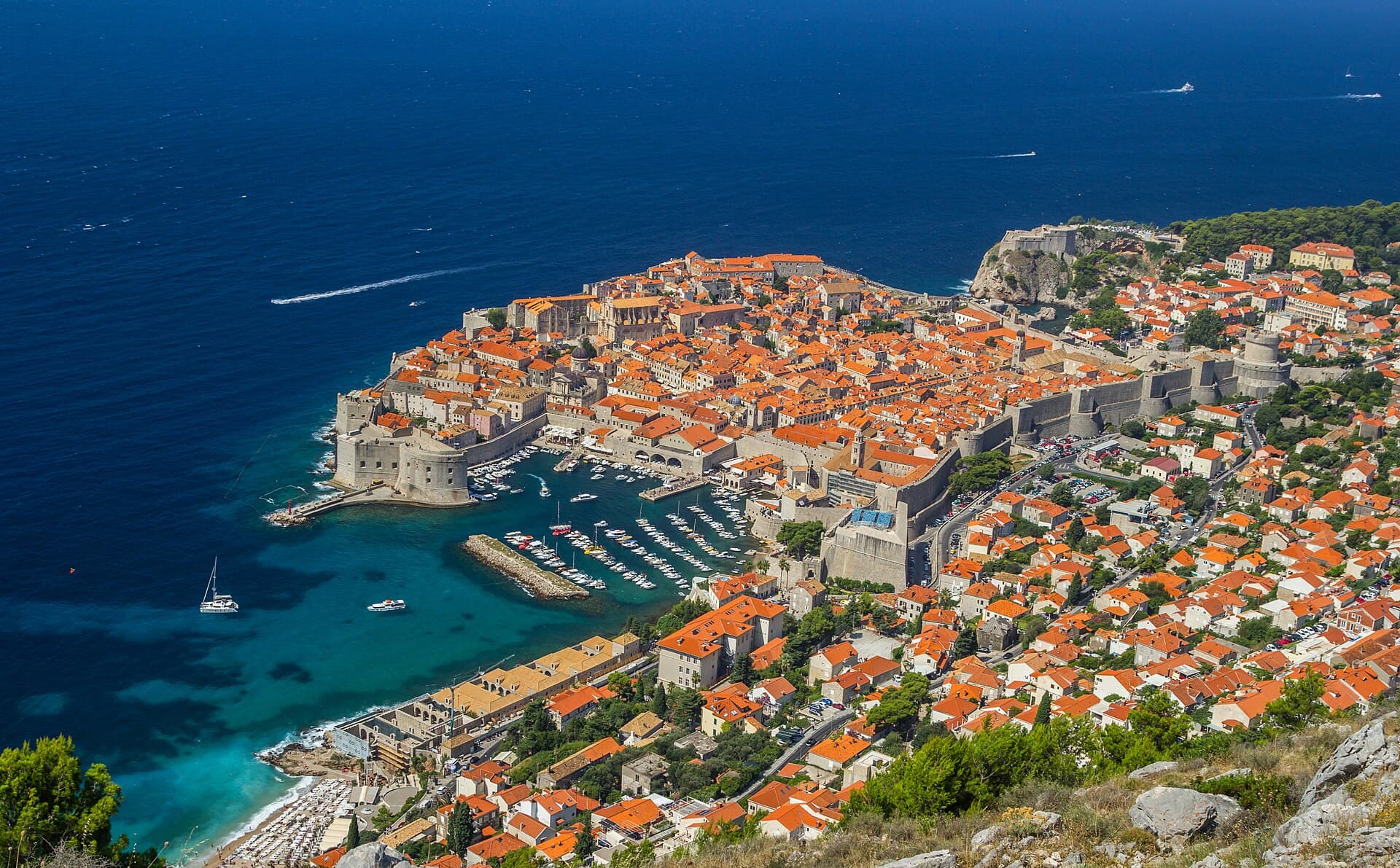
Dubrovnik
Dubrovnik’s historic centre is organised around Stradun, yet its character changes within a few steps of that main street. At the western end beside Pile stand the Large Onofrio Fountain,…
Read the guide

Orebić
Orebić is the main settlement of south-western Pelješac and has been tied to seafaring for centuries. Captains’ houses and gardens along the coastal area recall the period when Orebić…
Read the guide
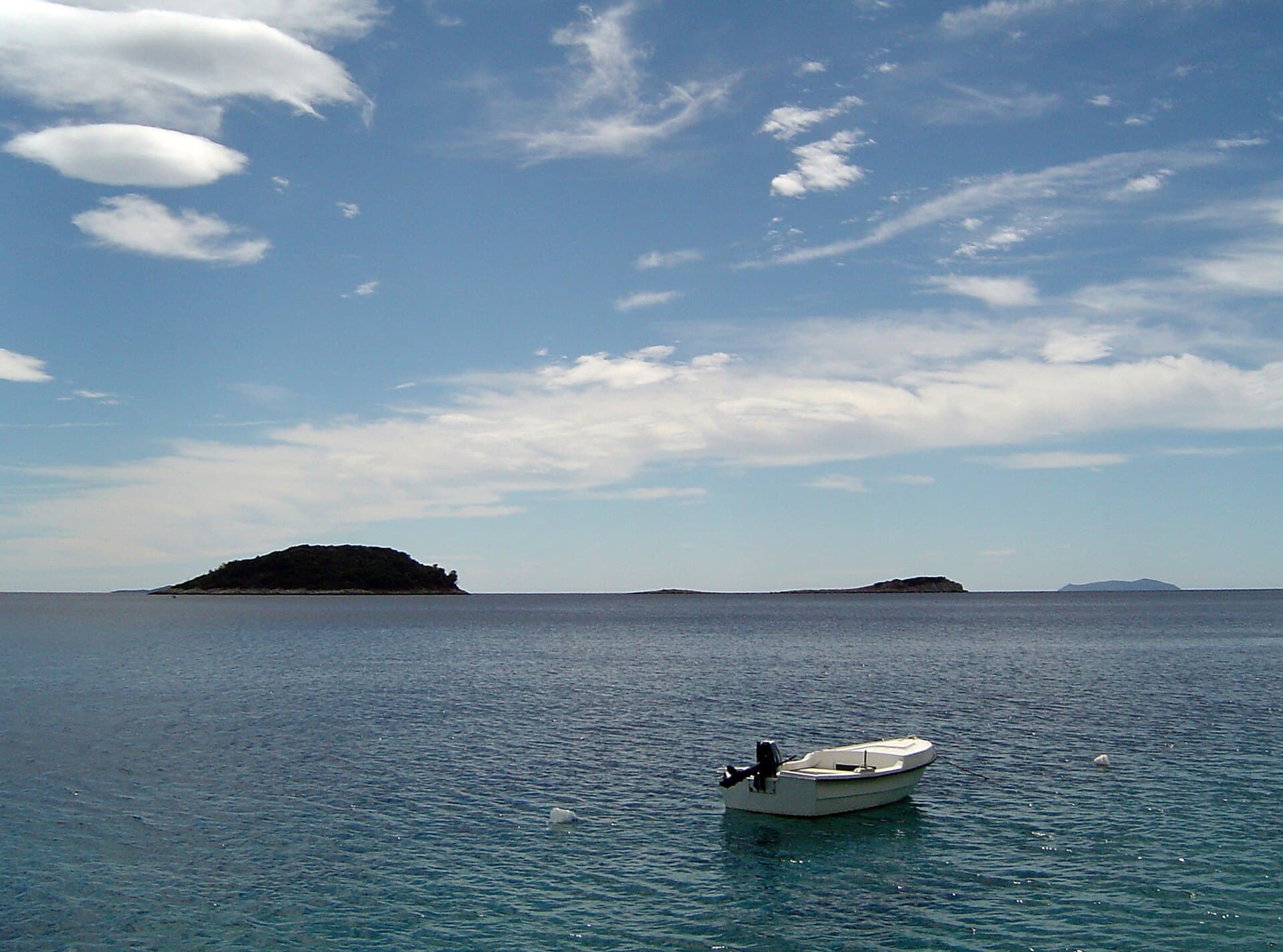
Blato, Korčula
Blato is not a seaside centre but a historic inland settlement in western Korčula’s fertile interior, while its municipality reaches Prigradica on the north coast and Prižba, Gršćica,…
Read the guide
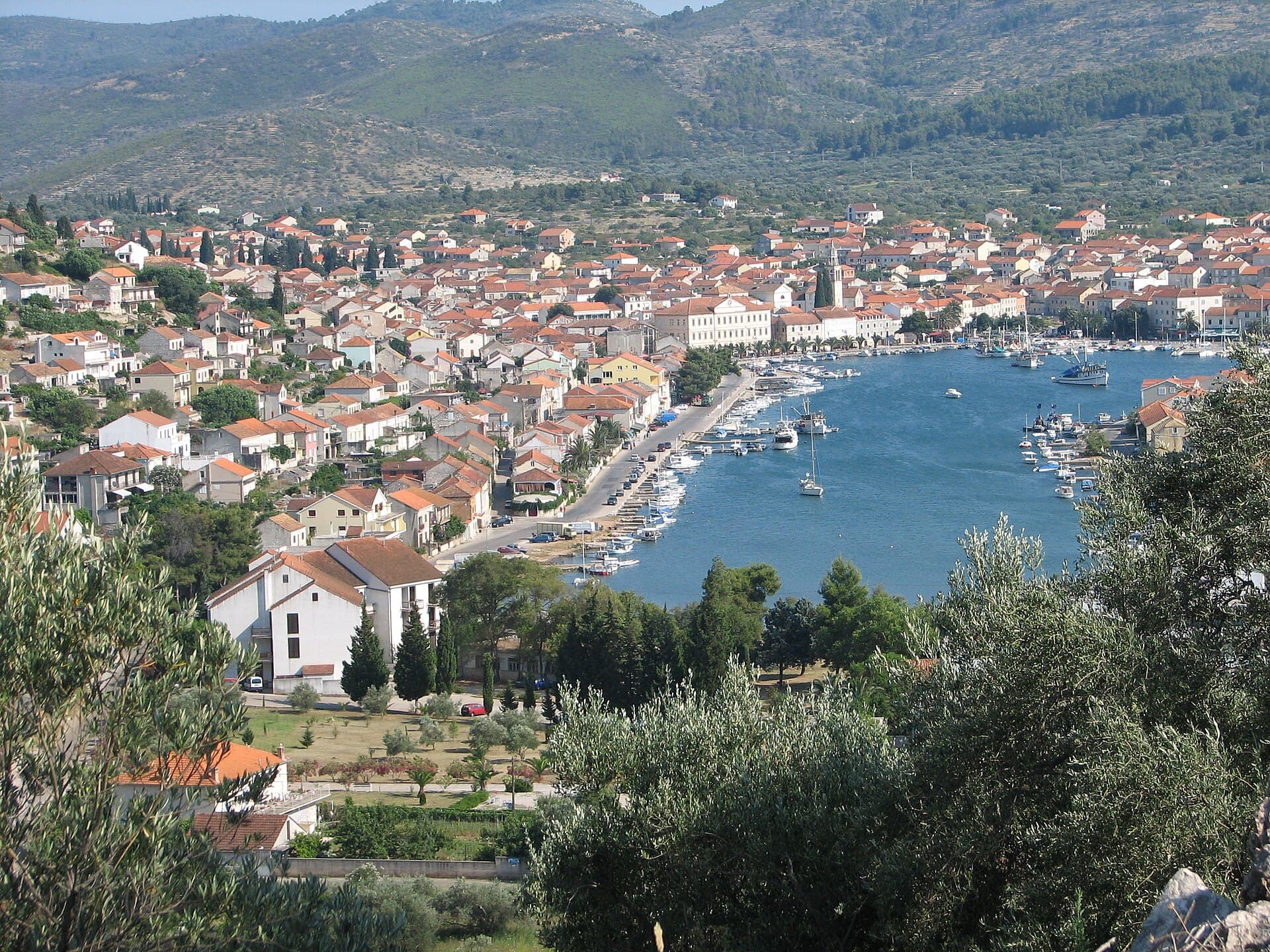
Vela Luka
Vela Luka grew at the head of a deep bay on western Korčula, where a long waterfront links the harbour, the centre around St Joseph’s Church and the former shipbuilding area. Its maritime…
Read the guide
Know Ljuta? Correct us
Tell us in your own words what is not accurate. We check right away.Do not enter personal data. Corrections are checked by the StayBravo AI assistant; changes to the description are approved by an editor. Use the form instead
Do you know Ljuta?
Help the guests who come after you.
Help us complete
Nothing is published without an editor’s review.Report illegal content
Photo credits: Dunave — August Dominus (CC BY-SA 3.0) · Konavle — Modzzak (Public domain) · Gruda, Konavle, Pridvorje, Konavle — Fridolin freudenfett (CC BY-SA 4.0) · Dubravka, Mihanići, Rector's palace near Pridvorje, Category:Church of St. Peter (near Karasovići) — Ma▀▄Ga (CC BY 4.0) · Apartman Cypress, Apartmani Kamena kuća — Jelena Pecar (courtesy of the property owner) · Dubrovnik — Zysko serhii (CC BY-SA 4.0) · Orebić — Quahadi Añtó 11:23, 15 January 2011 (UTC) (CC BY 3.0) · Blato, Korčula — d.graso (CC BY 3.0) · Vela Luka — Wojtkow (CC BY-SA 4.0)