
Varaždinske Toplice
About this place
Varaždinske Toplice was shaped by a thermal spring of roughly 58°C, the same natural phenomenon around which the Roman town of Aquae Iasae grew between the first and fourth centuries. Today’s town park preserves the remains of a monumental public complex: bath buildings and pools, a basilica, a colonnaded forum and a capitolium with temples to Jupiter, Juno and Minerva. The Archaeological Museum in Zagreb has conducted systematic research here since 1953, and a statue of Minerva with its pedestal was discovered near the temple entrance in 1967. This archaeology is not an isolated exhibit; it stands beside the modern rehabilitation complex and explains the town’s nearly two-thousand-year association with healing and hot water. Historic streets, St Martin’s Church and the local museum occupy the surrounding slopes, while Restaurant Bernarda gives the town a distinctive culinary address through biodynamic produce and dough made with thermal water. Varaždinske Toplice is an easy day trip from Varaždin, though its archaeology, spa legacy and food reward a slower weekend.
Varaždinske Toplice did not begin as a modern resort: Roman Aquae Iasae already possessed public baths, a forum and sanctuaries around the natural spring from the first to fourth centuries. The present town therefore combines an archaeological park on the upper hill terrace with a specialist rehabilitation hospital and a continuing spa tradition. Water emerging at approximately 58°C remains central to local identity. Unlike a large purpose-built thermal resort, its Roman walls, park, museum, St Martin’s Church and historic streets all lie within a few minutes’ walk of one another.
Stays
No stays listed here yet
Things to see
Aquae Iasae Archaeological Park is the town’s defining sight. Excavations led by the Archaeological Museum in Zagreb since 1953 have revealed bath buildings with pools and a basilica, a forum surrounding the principal spring and temples dedicated to the Capitoline Triad. A statue of Minerva with its pedestal was discovered near her temple entrance in 1967. Displayed stone monuments record dedications to deities associated with health and healing. The site is particularly compelling because the Roman architecture remains visible in situ, immediately beside the spring that shaped both Aquae Iasae and modern Varaždinske Toplice.
Things to do
Begin in the town park at Aquae Iasae, tracing the Roman bath buildings, basilica, forum and capitolium arranged around the thermal source. Continue to the local museum to connect the exposed architecture with archaeological finds and the town’s later history. From there, walk toward St Martin’s Church and the older streets on the spa hill. For lunch, reserve a table at Restaurant Bernarda, where the thermal theme even enters the kitchen: its pizza dough is prepared with local spring water and allowed a long fermentation.
Food and drink
Restaurant Bernarda is the most distinctive dining address in Varaždinske Toplice. Official tourism sources highlight its chef-led style and ingredients from biodynamic cultivation, including heritage varieties. Its signature local detail is pizza dough mixed with thermal water and fermented for 72 to 96 hours. Restaurant Dijana, inside Hotel Minerva, represents a more traditional spa-hotel option, while Vila Toplissa is another local venue associated with the Tastes of the Varaždin Region quality scheme. Bernarda is the clearest choice for a meal that directly connects the kitchen with the town’s spring.
Practical information
Practical information
The Varaždinske Toplice Tourist Board is at Trg slobode 3, within walking distance of the archaeological park. Before visiting Aquae Iasae, check current access and guided-tour availability with the tourist office or local museum, especially outside the main season. The remains are displayed outdoors in the town park, making sturdy shoes and rain protection more useful than preparation for a conventional indoor museum. The source water reaches about 58°C; the archaeological spring itself is not an informal public bathing pool.
Frequently asked questions
How hot is the thermal water?
The spring at Varaždinske Toplice has a temperature of approximately 58°C.
What can visitors see at Aquae Iasae?
The site preserves Roman baths, a basilica, forum, spring pool and temples to Jupiter, Juno and Minerva.
When was the statue of Minerva found?
The statue of Minerva and its pedestal were found near her temple entrance in 1967.
When did excavations at Aquae Iasae begin?
The Archaeological Museum in Zagreb has conducted systematic excavations since 1953.

Related guides
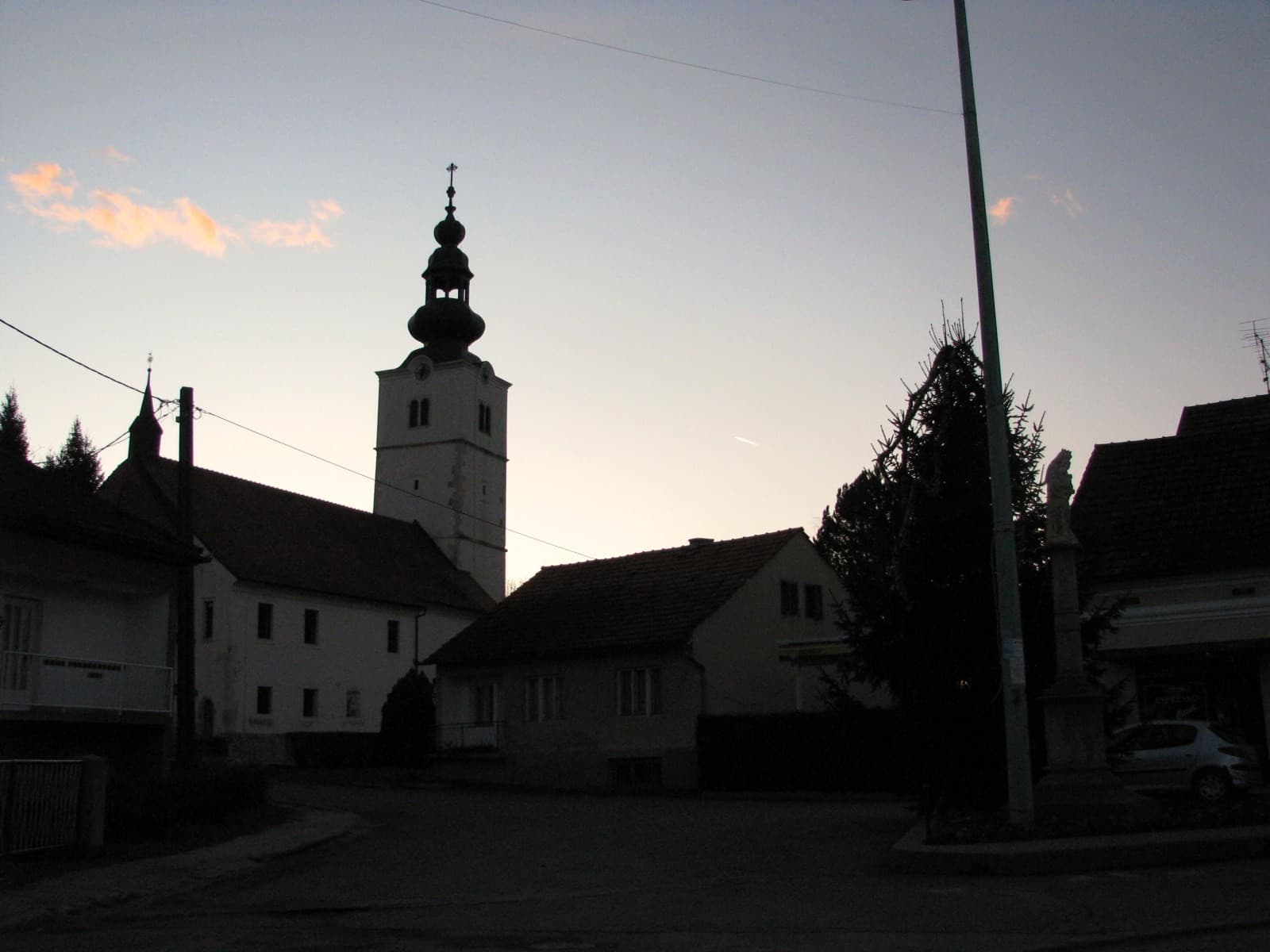
Tuhelj
The population of the municipality has fallen from a peak of 3,780 in 1971 to 2,043 in 2021, and 61 people were lost in the last census decade alone. Eleven settlements, from Banska Gorica…
Read the guide

Help improve this page
Spot something missing or wrong? Suggest a correction, add your photo or report a problem. Editors review every suggestion before it is published.
Photo credits
- Varaždinske Toplice — Michal Gorski · CC BY-SA 3.0 · Wikimedia Commons
- Kapela Kalnička — Jaba1977 · CC BY-SA 4.0 · Wikimedia Commons
- Tuhelj — Ex13 · CC BY-SA 3.0 · Wikimedia Commons
- Sveti Martin na Muri — Silverije · CC BY-SA 3.0 · Wikimedia Commons

