
Klakar
About this place
Klakar is a small municipal centre in Slavonian Posavina, about 13 kilometres south-east of Slavonski Brod. Its municipality also includes Ruščica, Gornja Bebrina and Donja Bebrina, so the places worth seeking out are spread across the Sava plain rather than concentrated in Klakar itself. The village landmark is the 19th-century parish church of St James, a protected cultural property. The municipality’s archaeological story is anchored by the prehistoric Paljevine site near Donja Bebrina, while the Museum of Brodsko Posavlje has conducted systematic field surveys across all four settlements since 2022. In Ruščica, the Milec family zoo keeps more than 70 animal species, providing a clear family-friendly reason to leave the main route from Slavonski Brod. Ruščica is also associated with the children’s carnival Mastibrk-Kolombrk, a February tradition protected as intangible cultural heritage. Klakar works best as the starting point for a short driving circuit linking St James’s Church, the archaeological landscape of Donja Bebrina and Ruščica’s attractions, with the Sava-side pastures of eastern Brodsko Posavlje farther on.
Klakar occupies the flat country east of Slavonski Brod, while its municipality extends across four settlements: Klakar, Ruščica, Gornja Bebrina and Donja Bebrina. The agricultural landscape beside the Sava conceals a much older story than the modern villages, demonstrated by the prehistoric Paljevine site near Donja Bebrina. In 2022 the Museum of Brodsko Posavlje began systematic archaeological fieldwalking across the municipality to record its sites more precisely. Within Klakar, the defining landmark is the protected 19th-century parish church of St James. Ruščica contributes a different identity through the Mastibrk-Kolombrk children’s carnival and a family-run zoo, allowing this compact municipality to combine archaeology, church heritage and a living local tradition.
Things to see
 Significant landscape


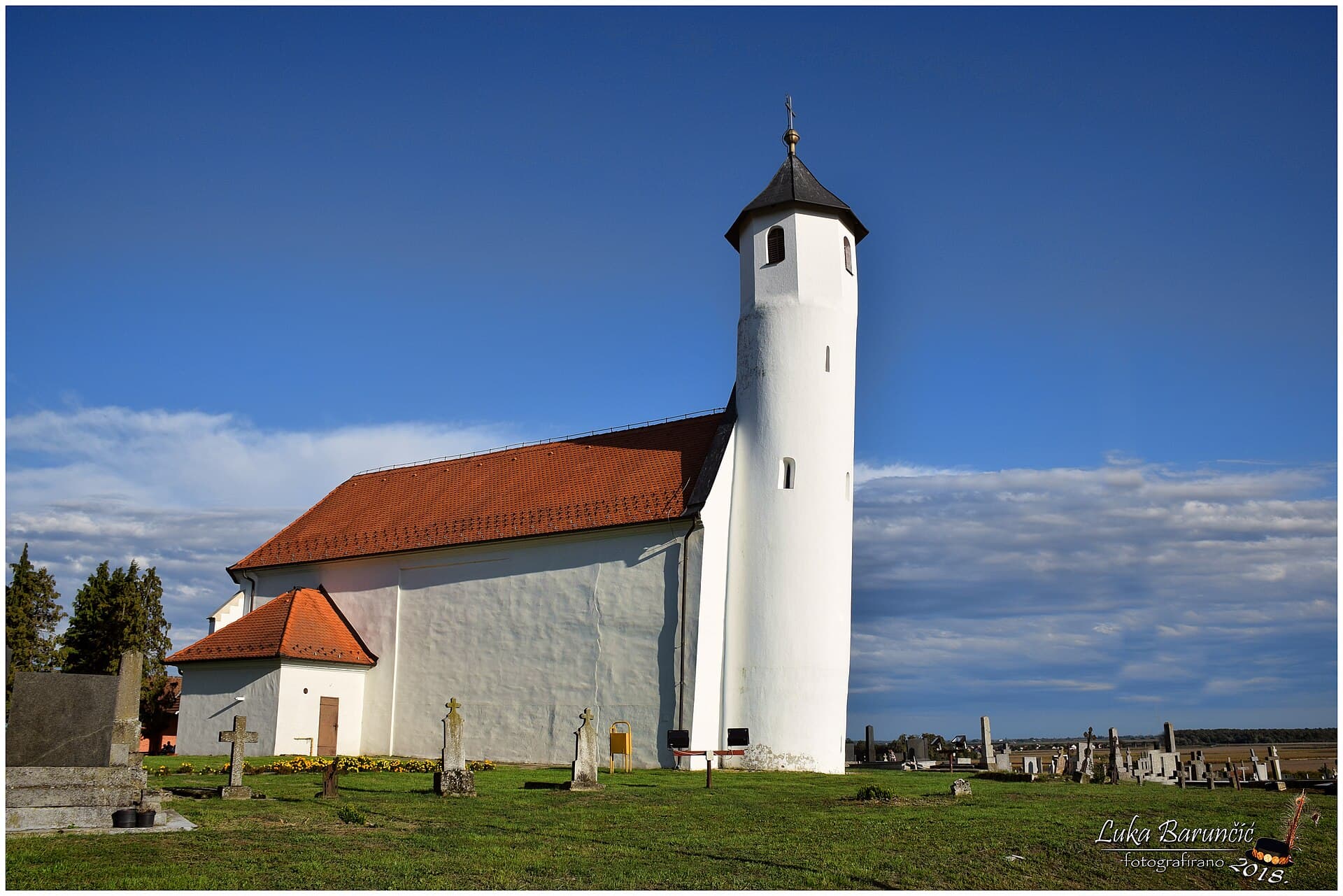
St. Bartholomew's Church in Novi Mikanovci
Landmark · Novi Mikanovci
church building in Stari Mikanovci, Croatia
41 km from Klakar
Stays
No stays listed here yet
Things to do
Start in Klakar with the exterior of St James’s parish church, the village’s principal landmark and a protected 19th-century building. Continue to Donja Bebrina, where the fields around Paljevine preserve evidence of prehistoric settlement; this is an archaeological site rather than an interpreted open-air museum, so any material should be left to specialists. For a family stop, drive to the Milec zoo in Ruščica, which has been recorded as keeping more than 70 animal species. A February visit may coincide with the Mastibrk-Kolombrk children’s carnival, a local custom protected as intangible cultural heritage. All four municipal villages can be joined into a short road circuit across the Posavina plain.
Tours and activities
AdAd · partner offers: GetYourGuideThe partner handles booking, payment and support. StayBravo may earn a commission on bookings made through these links.How we choose offersGetYourGuide offers are selected and ordered by GetYourGuide based on the name of the nearest larger town or national park; we do not influence their selection and do not use data about you.GetYourGuide · Slavonski Brod
We show GetYourGuide offers once you allow their cookies.
Practical information
Getting there and around
Klakar is approximately 13 kilometres south-east of Slavonski Brod, the nearest major rail and intercity coach hub. A car is practical for exploring the municipality because St James’s Church in Klakar, Paljevine near Donja Bebrina and the zoo in Ruščica are located in separate villages. The approach from Slavonski Brod crosses the eastern Sava plain towards Ruščica and Klakar, while local roads connect Gornja and Donja Bebrina. Visitors relying on public transport should plan the onward leg from Slavonski Brod to the individual villages, particularly if combining several sites in one day. Personal navigation is useful around Paljevine and the edge of Donja Bebrina because the archaeological area is not a conventional visitor attraction.
Frequently asked questions
How far is Klakar from Slavonski Brod?
Klakar lies about 13 kilometres south-east of Slavonski Brod.
What is the Paljevine site?
Paljevine near Donja Bebrina is a prehistoric archaeological site within Klakar municipality.
What makes the Ruščica carnival distinctive?
The children’s carnival Mastibrk-Kolombrk takes place in February and is protected as intangible cultural heritage.
Nearby
Klakar
Open in OpenStreetMap(opens in a new tab)Smaller places
straight-line distance
Related guides

Osijek
Tvrđa and the centre around the main square are distinct starting points for understanding Osijek. The former emphasises the fortified historic quarter and Baroque architecture; the latter…
Read the guide

Vukovar
A cultural visit to Vukovar has several separate centres of gravity. Eltz Palace and the City Museum address the city and its inhabitants across different periods. Vučedol reaches much…
Read the guide

Stubičke Toplice
Stubičke Toplice derives almost its entire identity from thermal water and the Zagorje landscape. There is no large urban historic core; green spaces, bathing facilities and traces of the…
Read the guide
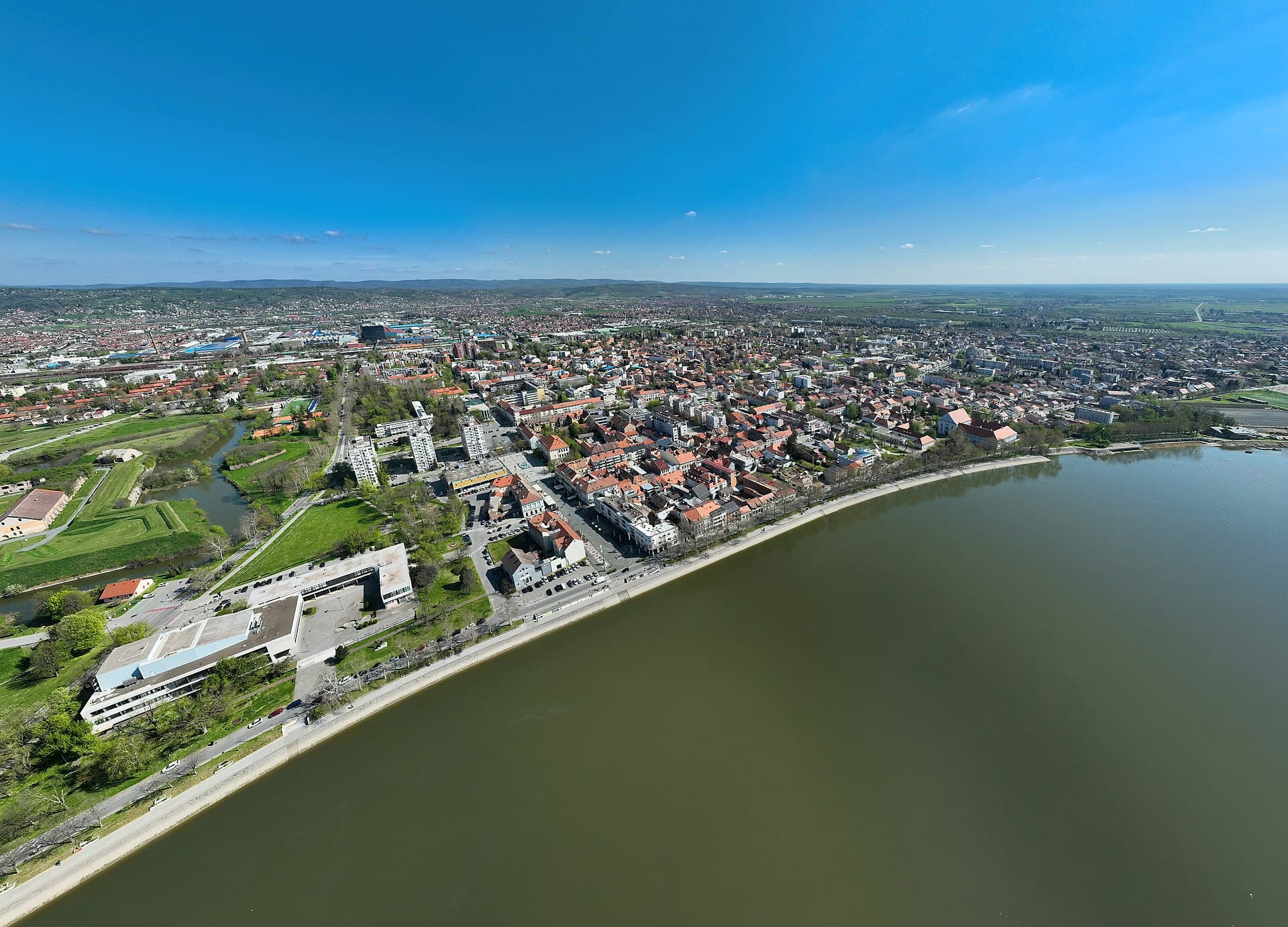
Slavonski Brod
Slavonski Brod developed around one of the major crossings of the Sava, and that border and transport role left a strong mark on the city. Brod Fortress represents the eighteenth-century…
Read the guide
Know Klakar? Correct us
Tell us in your own words what is not accurate. We check right away.Do not enter personal data. Corrections are checked by the StayBravo AI assistant; changes to the description are approved by an editor. Use the form instead
Do you know Klakar?
Help the guests who come after you.
Help us complete
Nothing is published without an editor’s review.Report illegal content
Photo credits: Klakar, Ruščica, Zadubravlje, Gornja Vrba, Oprisavci, Selna, Trnjani, Garčin, Gajna — Frka (CC BY-SA 3.0) · Brod Fortress — Modzzak (CC BY-SA 3.0) · Đakovo Cathedral — Author's own photo (CC BY 2.5) · St. Bartholomew's Church in Novi Mikanovci — Barun501 (CC BY-SA 4.0) · Osijek — Rp031 (CC BY-SA 4.0) · Vukovar — Bybbisch94, Christian Gebhardt (CC BY-SA 4.0) · Stubičke Toplice — MOs810 (CC BY-SA 4.0) · Slavonski Brod — Petar Milošević (CC BY-SA 4.0)