Čigoč
About this place
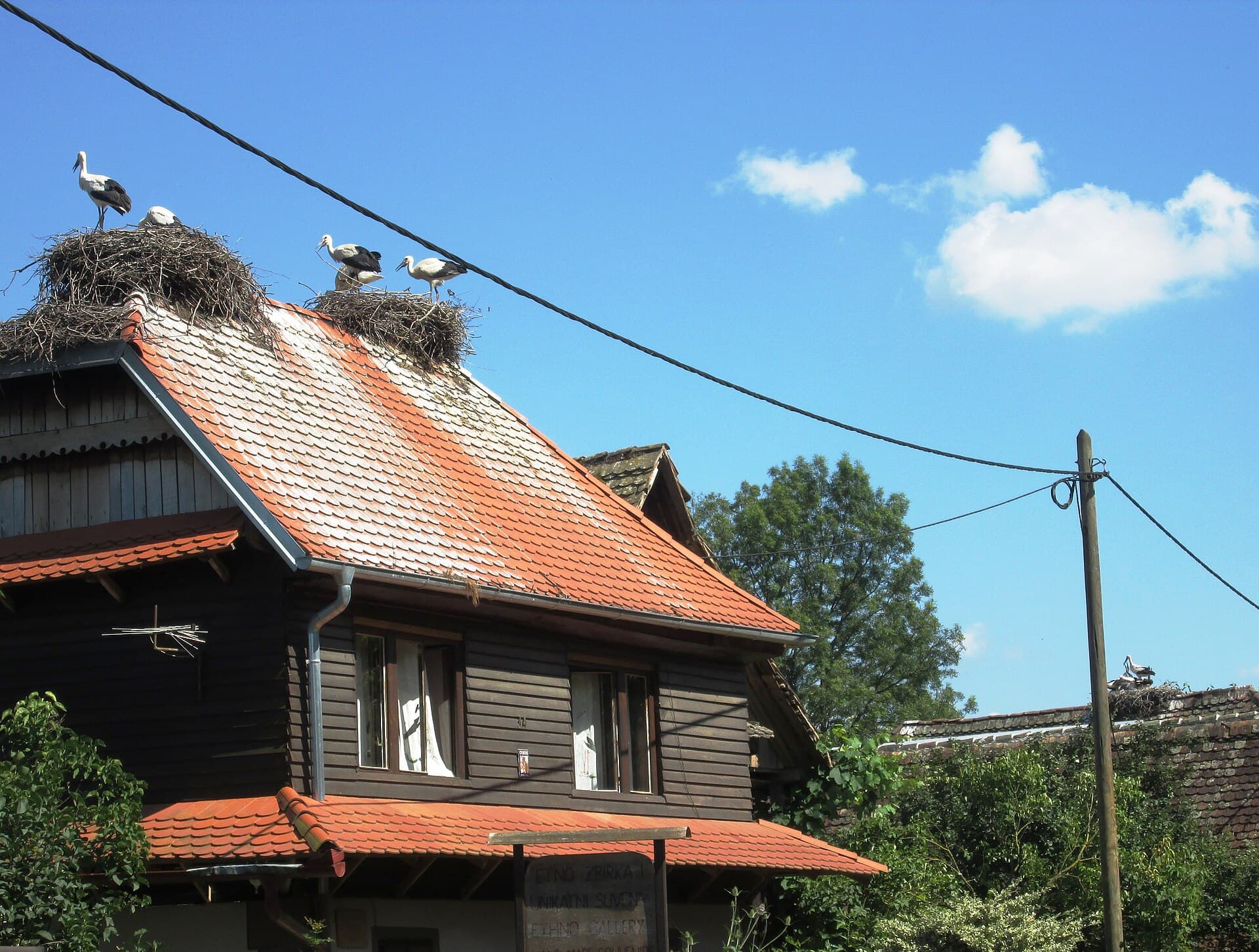
Čigoč is a Posavina village inside Lonjsko Polje Nature Park, standing beside Tišina, an oxbow left behind when the Sava changed course. In 1994, EuroNatur named it Europe’s first Stork Village because of its exceptional concentration of white-stork nests. The birds are not confined to a separate reserve: they nest on roofs and poles among traditional timber houses, turning the entire settlement into part of the visit. Čigoč Visitor Centre introduces the storks, village courtyards and local carpentry heritage, while the flood-retention landscape begins beyond the embankment. Motor vehicles are prohibited inside that area; visitors use marked walking and cycling routes and close pasture gates behind them. Posavina horses, Turopolje pigs and cattle grazing on communal pasture reveal how livestock farming works with the seasonal floods. At Tradicije Čigoč, the local menu includes fish stew, Posavina meat-and-vegetable stew, carp and Čigočica bread filled with cheese and cream. Cars should be left behind the community hall because the village road is narrow, with the final stretch to the visitor centre completed on foot.
Administratively part of the City of Sisak, Čigoč draws its identity from the floodplain of Lonjsko Polje and the nearby Sava. The village stands beside Tišina, an abandoned river arm, while retention meadows beyond the embankment support Posavina horses, Turopolje pigs and cattle. EuroNatur designated Čigoč Europe’s first Stork Village in 1994, and white-stork nests remain embedded among its homes and farm buildings. Traditional Posavina timber houses, the narrow main road and working farms are therefore not a decorative backdrop but the substance of a village where nature conservation and daily rural life remain inseparable.
Things to see
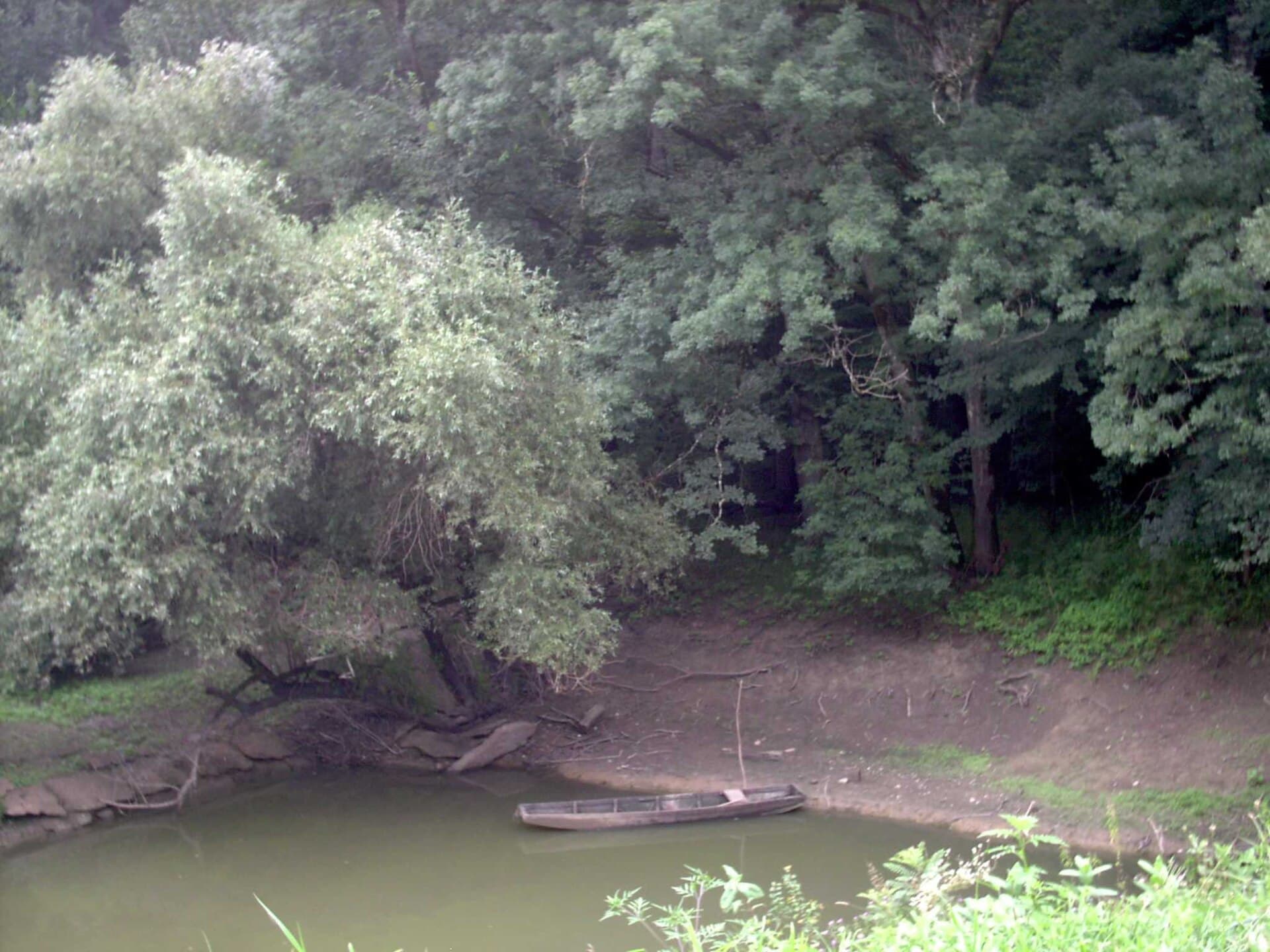
Čigoč’s defining attraction is not a single monument but the collection of white-stork nests spread across the settlement that became Europe’s first Stork Village in 1994. The visitor centre provides interpretation for stork watching and village courtyards, while its programmes also introduce traditional carpentry. Tišina, the oxbow beside Čigoč, preserves the line of an older Sava channel and offers a quieter waterscape than the river beyond the embankment. Posavina timber houses and farm outbuildings complete a form of vernacular architecture shaped by the damp, flood-prone environment of Lonjsko Polje.
 Nature park


Stays further afield
- Holiday home
 55 km from Čigoč
- Apartment
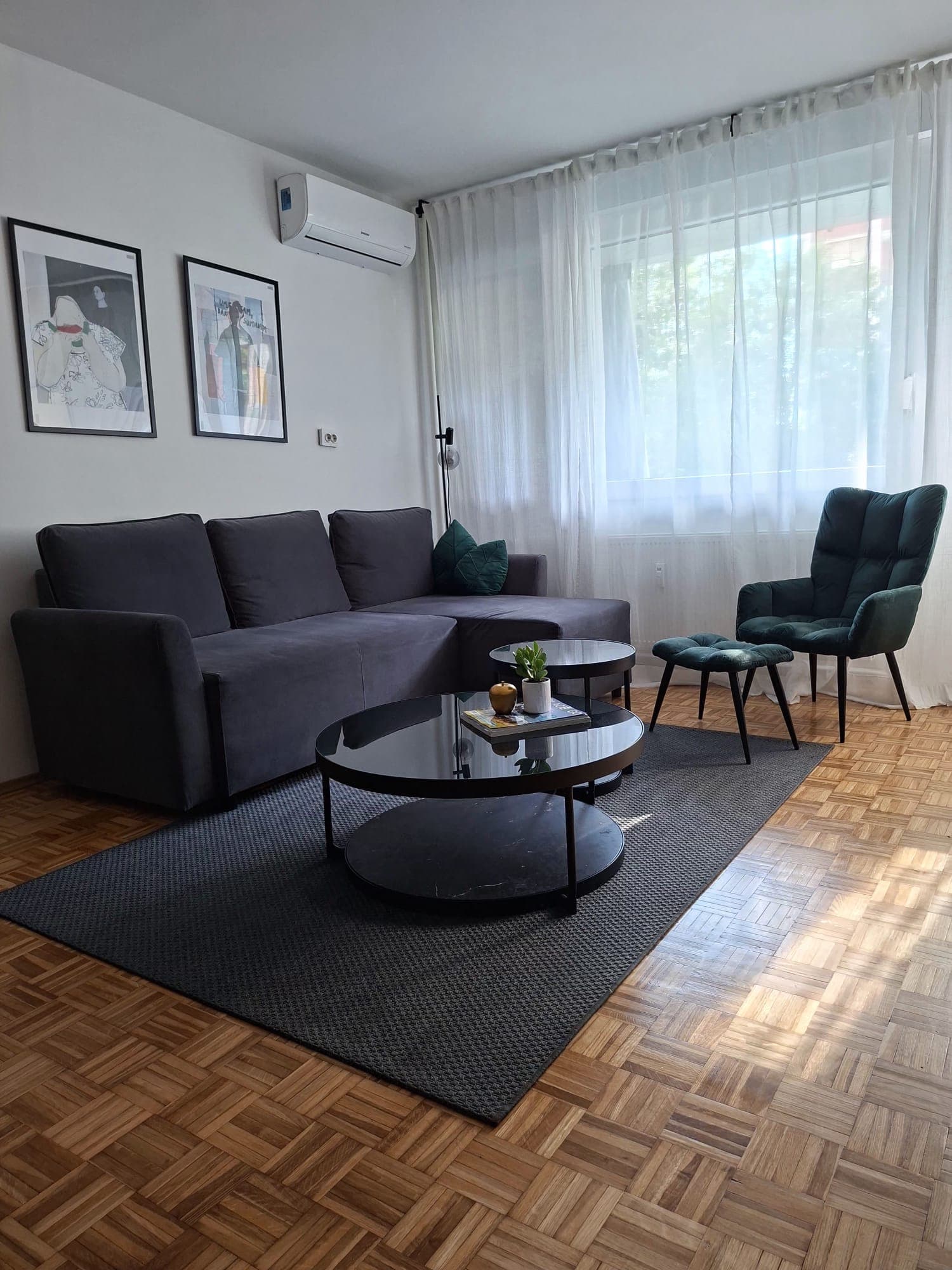 68 km from Čigoč
Be the first to list here
Guests looking for this place only see stays nearby for now. No commission, and enquiries come straight to you.
List your accommodation
Things to do
Start at Čigoč Visitor Centre, where the interpretation explains white-stork behaviour and the birds’ close relationship with village rooftops. Continue on foot along the narrow road, observing nests without entering private courtyards, then head towards the embankment and the Tišina oxbow. Beyond the dyke, the retention area may be entered only on foot or by bicycle, using marked routes and closing pasture gates. When flood conditions permit, continuing towards Mužilovčica reveals open grazing land with Posavina horses, cattle and Turopolje pigs. Back in Čigoč, the route can finish with a Posavina meal at Tradicije Čigoč.
Tours and activities
AdAd · partner offers: GetYourGuideThe partner handles booking, payment and support. StayBravo may earn a commission on bookings made through these links.How we choose offersGetYourGuide offers are selected and ordered by GetYourGuide based on the name of the nearest larger town or national park; we do not influence their selection and do not use data about you.GetYourGuide · Sisak
We show GetYourGuide offers once you allow their cookies.
Practical information
Practical information
Čigoč Visitor Centre is the place to buy a Lonjsko Polje Nature Park ticket and ask about current conditions on floodplain routes. A 2026 price list is published on the Park’s official website, so fees and programme availability should be checked shortly before arrival. Access to the retention landscape depends on water levels: motor vehicles are prohibited, visitors must use marked walking or cycling routes, and pasture gates must be closed. Since the storks nest beside occupied houses, watching them from public areas and respecting residents’ privacy is particularly important in Čigoč.
Parking
Parking beside houses or on Čigoč’s narrow main road is discouraged. The Park’s official directions send cars behind the community hall on the left when entering the village, where a public toilet is also available. From that parking area, visitors continue on foot through the settlement towards the visitor centre, a walk of about 150 metres according to the published directions. Croatia’s national parks portal lists 20 parking spaces for the Čigoč entrance. Vehicles may not proceed into the flood-retention area beyond the embankment, even when its walking and cycling routes are open.
Getting there and around
Čigoč is reached by car from the Popovača exit on the A3, via Potok and Stružec towards Sisak, then by turning for Lonja and following the left bank of the Sava through Prelošćica, Lukavec and Gušće. The Nature Park spatial plan places road 3209 on the Gušće–Čigoč–Kratečko stretch. Streets in the village are narrow, so the Park directs drivers to park behind the community hall and walk roughly 150 metres to the Čigoč information centre. By rail, only the Repušnica entrance to the park is reachable.
Frequently asked questions
Why is Čigoč called the Stork Village?
EuroNatur designated Čigoč Europe’s first Stork Village in 1994 because of its exceptional number of white-stork nests.
Where can visitors park in Čigoč?
Cars are left behind the community hall, with visitors continuing on foot through the village to the visitor centre.
Can cars enter Lonjsko Polje beyond Čigoč?
Motor vehicles are prohibited in the retention area beyond the embankment, where visitors use marked walking and cycling routes.
What can you eat at Tradicije Čigoč?
The menu includes fish stew, Posavina stew, carp, pike-perch and Čigočica bread filled with local cheese and cream.
Where can Park tickets be bought in Čigoč?
Tickets for Lonjsko Polje Nature Park are sold at Čigoč Visitor Centre.
Nearby
Čigoč
Open in OpenStreetMap(opens in a new tab)Smaller places
straight-line distance
Related guides

Osijek
Tvrđa and the centre around the main square are distinct starting points for understanding Osijek. The former emphasises the fortified historic quarter and Baroque architecture; the latter…
Read the guide

Vukovar
A cultural visit to Vukovar has several separate centres of gravity. Eltz Palace and the City Museum address the city and its inhabitants across different periods. Vučedol reaches much…
Read the guide

Stubičke Toplice
Stubičke Toplice derives almost its entire identity from thermal water and the Zagorje landscape. There is no large urban historic core; green spaces, bathing facilities and traces of the…
Read the guide
Slavonski Brod
Slavonski Brod developed around one of the major crossings of the Sava, and that border and transport role left a strong mark on the city. Brod Fortress represents the eighteenth-century…
Read the guide
Know Čigoč? Correct us
Tell us in your own words what is not accurate. We check right away.Do not enter personal data. Corrections are checked by the StayBravo AI assistant; changes to the description are approved by an editor. Use the form instead
Do you know Čigoč?
Help the guests who come after you.
Help us complete
Nothing is published without an editor’s review.Report illegal content
Photo credits: Čigoč — Fraxinus Croat (CC BY-SA 4.0) · Mužilovčica — Mihaela Jurković (CC BY-SA 4.0) · Sunja, Sisak-Moslavina County — Petar Milošević (CC BY-SA 3.0) · Lonjsko Polje Nature park — Pigpanter at German Wikipedia (CC BY-SA 3.0) · Siscia — Darko Tepert Donatus (CC BY-SA 3.0) · Sisak Cathedral — Andres rus (CC BY-SA 3.0) · Sisak Fortress — Mihovilhrgovic (CC BY-SA 3.0) · Kuća za odmor Green Zen — IVICA ŠKRINJARIĆ (courtesy of the property owner) · Book Me Apartman — Natalija Kirša (courtesy of the property owner) · Osijek — Rp031 (CC BY-SA 4.0) · Vukovar — Bybbisch94, Christian Gebhardt (CC BY-SA 4.0) · Stubičke Toplice — MOs810 (CC BY-SA 4.0) · Slavonski Brod — Petar Milošević (CC BY-SA 4.0)