About this place
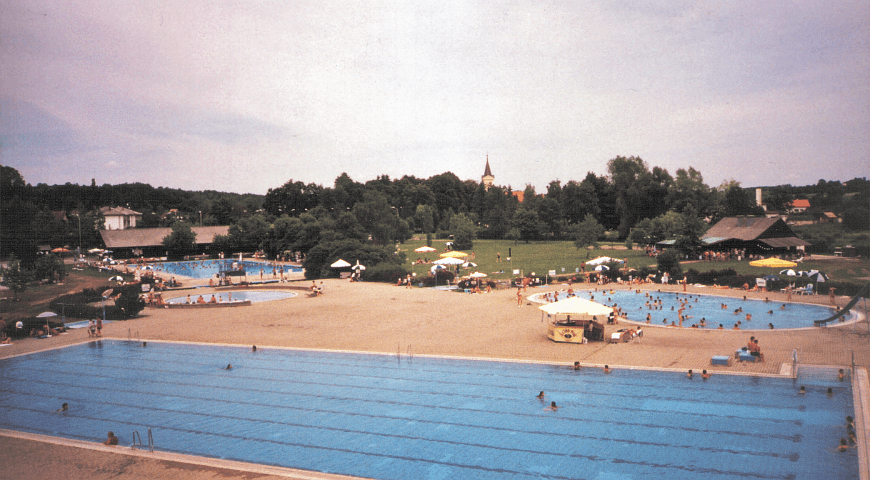
Topusko is a spa settlement in Sisak-Moslavina County, shaped by thermal springs, Roman finds and landscaped parks created during the resort’s 19th-century development. Water emerging from three groups of springs averages about 56°C, while the Topusko Rehabilitation Hospital and Top-Terme remain the focus of the town’s medical, bathing and leisure facilities. Indoor and outdoor pools stand beside the hotel complex, and a walk through the settlement links the English Park, Nikolino Brdo and Opatovina. The monumental Gothic portal in Opatovina Park is the surviving landmark of a Cistercian church and monastery founded with the support of King Andrew II in the early 13th century. An older chapter appears in Roman altars, coins, urns and other objects, some displayed in the Hotel Toplica lapidarium. A rewarding first visit combines a morning circuit of the parks, the portal and the archaeological display with an afternoon in the thermal pools. Topusko is therefore more than a bathing resort: Roman, Cistercian and Military Frontier history remain unusually close together.
Topusko lies in the Glina valley, roughly 40 kilometres south-west of Sisak, yet its centre is defined less by a conventional square than by the spa complex and historic parkland. Thermal mineral water averaging about 56°C rises from three groups of springs, giving the settlement its distinctive medical and bathing role. The Gothic portal in Opatovina and remains of the Roman settlement established around the same springs add separate layers to its identity. The English Park, Nikolino Brdo and commemorative spring structures show how the Military Frontier authorities developed Topusko as a landscaped resort rather than merely a place for treatment.
Stays nearby
 Apartment
Apartmeni Klenovica.eu
Klenovica
91 km from Topusko
up to 4 guests · 1 bedroom
The host confirms the exact price for your dates and availability.
Things to see
The Opatovina portal is Topusko’s signature monument. It belonged to the Church of the Blessed Virgin Mary and the Cistercian monastery established under King Andrew II in the early 13th century. The Mud Baths represent another important period: the spring was covered after 1818, and a larger bathhouse with a pool and individual cabins was built during Colonel Josip Jelačić’s tenure. Roman stone finds associated with deities of springs and woodland can be viewed in the Hotel Toplica lapidarium. Together, these three sites trace Topusko’s transformation from an ancient thermal settlement through a medieval abbey to a modern spa.
Things to do
Begin in Opatovina, where the portal of the former Cistercian church rises above the park, then continue through Topusko’s landscaped areas towards the English Park and Nikolino Brdo. Inside Hotel Toplica, look for the lapidarium of Roman stone monuments documenting the ancient use of the springs. Reserve the afternoon for the thermal complex: the hotel has linked indoor and outdoor pools, while the separate open-air bathing area contains five pools of different sizes, depths and temperatures. Finish with a short visit to the surviving Mud Baths, named after the thermal peat once used in local treatments.
Food and drink
The clearest dining option within Topusko’s spa complex is Hotel Toplica, which contains both a half-board dining room and an à la carte restaurant, as well as an open-air restaurant beside the outdoor pools. An older regional visitor guide also lists the Ban Josip Jelačić restaurant on the town square bearing the same name, so its current operation and hours should be checked before travelling. As local dining is closely tied to the hotel and bathing facilities, lunch fits naturally between a treatment or swim and a walk through Opatovina. Contacting the venue directly remains the best way to confirm current menus and reservations.
Practical information
Practical information
Visitor information is provided by the Topusko municipal tourist board, while medical and bathing services are organised through the Topusko Rehabilitation Hospital and its Top-Terme company. The hotel complex includes pools, saunas, a sports hall, gym, treatment spaces and a bowling alley, allowing several activities to be arranged at one address. Topusko’s thermal mineral water averages about 56°C at the springs, although individual pools operate at different temperatures. Current access conditions, treatment appointments and any works affecting the complex should be confirmed directly with the hospital or Top-Terme before travelling.
Getting there and around
Topusko is a road-based inland destination in Sisak-Moslavina County, approximately 40 kilometres south-west of Sisak and about 60 kilometres south of Zagreb. A car is unnecessary for the thermal complex, Opatovina and the central parks because the principal sights are grouped within the settlement. Travellers relying on public transport should check current bus connections in advance, particularly at weekends, as local official sources do not provide a single visitor-oriented timetable. A private vehicle is considerably more practical for exploring outlying municipal settlements such as Hrvatsko Selo and Stara Vranovina.
Frequently asked questions
Where is the Opatovina portal?
The portal stands in Opatovina Park and survives from the Cistercian monastery church founded in the early 13th century.
How hot is Topusko’s spring water?
The thermal mineral water emerging from three groups of springs averages about 56°C.
Where are the Roman finds displayed?
A selection of Roman stone monuments is displayed in the temporary lapidarium at Hotel Toplica.
What are the Mud Baths?
The Mud Baths take their name from thermal peat formerly used in treatments; their spring was covered after 1818.
Nearby
Velika Vranovina
Village · Central Croatia
Hrvatsko Selo
Village · Central Croatia
Related guides
Tuhelj
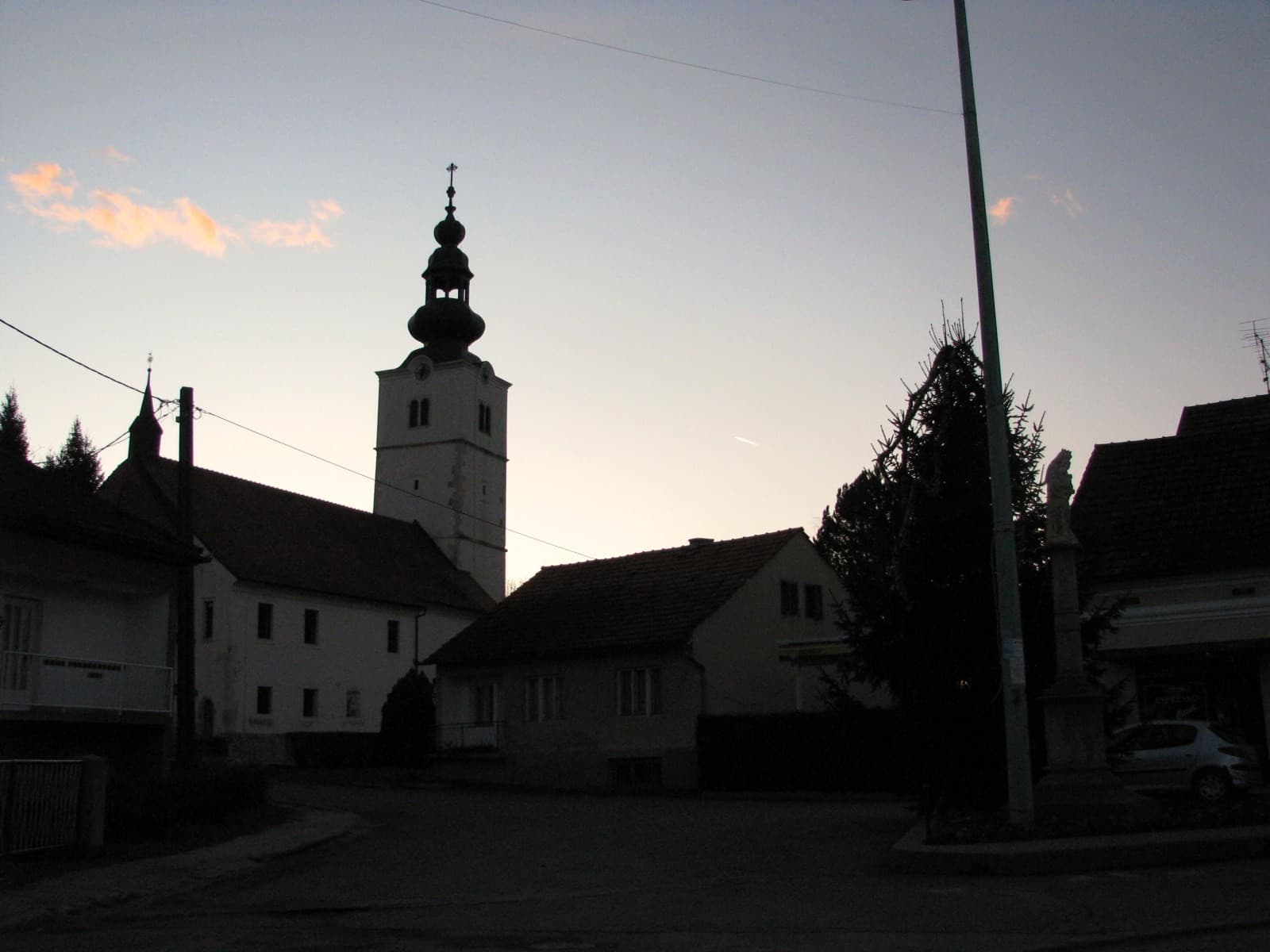
The population of the municipality has fallen from a peak of 3,780 in 1971 to 2,043 in 2021, and 61 people were lost in the last census decade alone. Eleven settlements, from Banska Gorica…
Read the guide

Help improve this page
Spot something missing or wrong? Suggest a correction, add your photo or report a problem. Editors review every suggestion before it is published.
Photo credits
- Topusko — Wikitoc · CC BY-SA 3.0 · Wikimedia Commons
- Apartmeni Klenovica.eu — Apartmani Klenovica.eu · courtesy of the property owner
- Tuhelj — Ex13 · CC BY-SA 3.0 · Wikimedia Commons
- Sveti Martin na Muri — Silverije · CC BY-SA 3.0 · Wikimedia Commons
- Velika Gorica — Frane Lovošević · CC BY-SA 3.0 · Wikimedia Commons

