
Sveti Ivan Zelina
About this place
Sveti Ivan Zelina lies in the Croatian Prigorje region, between the Zagreb metropolitan area and the hills rising towards Zelinska gora. Its visitor identity centres on vineyards, the local wine road and Kraljevina, a white grape variety closely associated with the Zelina area. A short circuit through town reaches the Church of St John the Baptist, gallery spaces and the Sveti Ivan Zelina Museum. The museum’s main building on Ante Starčević Square is undergoing structural restoration after the earthquakes, so the institution operates from a temporary address. A more active day follows the educational trail from Biškupec beside Mala Reka and the ruins of Zelingrad towards Kladeščica on eastern Medvednica. Along the Zelina Wine Road, tasting rooms and country estates introduce Kraljevina, Prigorje cooking and zelinska loparka, a thin traditional pastry with a distinctive golden colour. Sveti Ivan Zelina consequently works best as a weekend combination of wine, walking and heritage rather than merely a stop on the D3 road. June brings the Svetoivanjski dani celebrations and the Continental Croatia Wine Exhibition, while autumn is marked by chestnuts and vineyard customs.
Sveti Ivan Zelina’s identity combines a small Prigorje town with 62 settlements scattered across vineyard-covered hills. Beyond the compact centre, the Zelina Wine Road passes through Nespeš, Gornje Psarjevo, Blaževdol, Biškupec Zelinski and other villages with family wineries. Zelinska gora rises above them, while the protected Zelinska glava landscape covers 1,000 hectares. Zelingrad, local churches and the regional museum founded in 1988 provide the cultural layer. Kraljevina wine and zelinska loparka give the town two gastronomic signatures rooted specifically in this part of the Croatian Prigorje region.
Stays
No stays listed here yet
Things to see
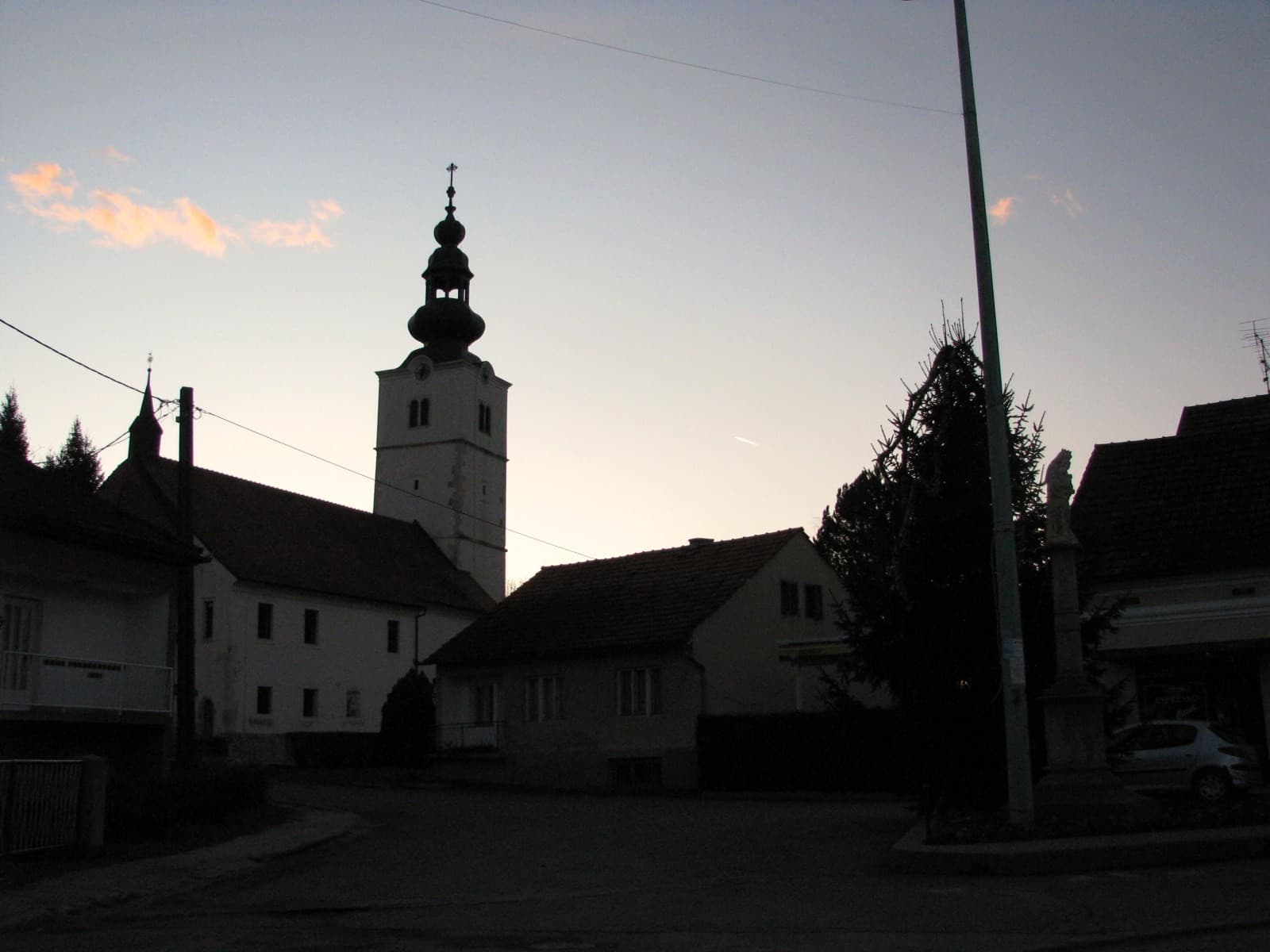
Zelingrad is the principal historic site above the town and is most rewarding when approached along the educational trail towards Kladeščica. The parish Church of St John the Baptist dominates the centre, while the wider municipal area contains the Church of the Three Kings, St Peter’s Chapel and other sacred sites. The Sveti Ivan Zelina Museum was founded in 1988; architect Stjepan Planić designed its main building in 1951 as a cooperative hall. Since 2022 the museum has operated from temporary premises during post-earthquake structural restoration, so visitors should check the location of individual exhibitions and workshops.
Things to do
Begin the morning on Ante Starčević Square and walk to the Church of St John the Baptist, then look for museum programmes at the temporary address, 1 Katarine Krizmanić Street. In the afternoon, start from Biškupec: the educational eco-trail begins by the water facility at the end of Zelingradska Street, follows the Mala Reka area and passes the ruins of Zelingrad on its way to Kladeščica. Reserve a second day for the Zelina Wine Road, arranging tastings in advance with producers such as Kos–Jurišić, Puhelek-Purek or Jarec–Kure. This sequence separates the town walk, hill trail and wine tasting, for which a designated driver is advisable.
Food and drink
Zelina’s food culture is best explored along the wine road, where tasting rooms pair local bottles with Prigorje dishes. Klet Ljubekov gaj in Blaževdol is marked as a restaurant on the official visitor map, while the Kos–Jurišić estate in Suhodol Zelinski combines wine experiences with accommodation. Kladeščica’s mountain lodge offers outdoor seating after the climb past Zelingrad. Look especially for zelinska loparka, the area’s thin traditional pastry, and taste Kraljevina with a producer who grows the variety. Since many tasting rooms receive visitors by arrangement, confirm the date, menu and tasting format directly with the chosen host.
Practical information
Practical information
The Sveti Ivan Zelina tourist board maintains destination information and an interactive wine-road map. During restoration of its main building, the museum operates temporarily at 1 Katarine Krizmanić Street, so visitors should not rely on the old Ante Starčević Square address. The wider municipal area has nine ATMs belonging to six banks and three post offices, in Sveti Ivan Zelina, Komin and Donja Zelina. The route towards Zelingrad and Kladeščica requires footwear suitable for forest paths, while wine-road tastings should be booked and paired with a driver who will not drink.
Parking
Central Sveti Ivan Zelina has several smaller parking areas beside administrative and service buildings, together with an organised parking lane along part of Zagrebačka Street. There is consequently no single large garage serving the entire town. The walk towards Zelingrad starts by the end of Zelingradska Street in Biškupec; vehicles should be left only in marked areas without obstructing access to the water facility. Wine estates provide their own visitor parking, so a tasting reservation is also the right time to ask the host about the approach road and available spaces.
Getting there and around
Sveti Ivan Zelina has no direct railway connection, so most visitors arrive from Zagreb by car or bus along the D3 corridor. Zagreb-bound services use the Čazmatrans garage area at 87 Vladimira Nazora Street rather than the former departure point on Ante Starčević Square. The Zagreb–Varaždin bus corridor through Zelina follows the D3 and links settlements including Donja Zelina, Blaževdol, Pretoki, Hrastje and Komin. A car is considerably more practical for the wine road, Zelingrad and Kladeščica because these sites are dispersed across the hills beyond the central settlement.
Frequently asked questions
Where does the trail to Zelingrad begin?
The educational trail begins by the water facility at the end of Zelingradska Street in Biškupec and continues via Mala Reka to Zelingrad and Kladeščica.
Where is the Zelina museum currently located?
The museum temporarily operates at 1 Katarine Krizmanić Street while its Ante Starčević Square building undergoes structural restoration.
Which wine is characteristic of Zelina?
Kraljevina is the white grape variety most closely associated with Zelina’s vineyards and wine-road producers.
Does Sveti Ivan Zelina have a railway station?
The town has no direct rail link; visitors from Zagreb arrive by road, usually by bus or car.
Nearby
Žitomir
Village · Central Croatia
Suhodol Zelinski
Village · Central Croatia
Related guides
Tuhelj
The population of the municipality has fallen from a peak of 3,780 in 1971 to 2,043 in 2021, and 61 people were lost in the last census decade alone. Eleven settlements, from Banska Gorica…
Read the guide

Help improve this page
Spot something missing or wrong? Suggest a correction, add your photo or report a problem. Editors review every suggestion before it is published.
Photo credits
- Sveti Ivan Zelina, Sveti Martin na Muri — Silverije · CC BY-SA 3.0 · Wikimedia Commons
- Tuhelj — Ex13 · CC BY-SA 3.0 · Wikimedia Commons
- Velika Gorica — Frane Lovošević · CC BY-SA 3.0 · Wikimedia Commons
- Stubičke Toplice — MOs810 · CC BY-SA 4.0

