
Čeminac
About this place
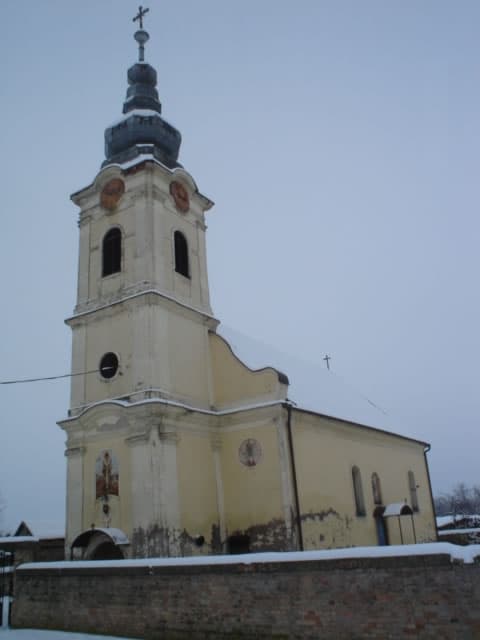
Čeminac is a village and municipal centre in the Baranja plain, 12 kilometres south-east of Beli Manastir. It stands beside both the Osijek–Beli Manastir road and railway, so its position between two of Baranja’s urban centres shapes everyday life. Fields of sugar beet, grain, fruit and vegetables dominate the surroundings and give Čeminac a distinctly agricultural landscape. Its landmark is the neo-Gothic Church of the Sacred Heart of Jesus, built in 1906 and 1907 by the local German Catholic community with money raised through milk sales. The church was devastated during the Croatian War of Independence and rebuilt between 2001 and 2003, linking its present appearance with the community’s return after Baranja’s peaceful reintegration in 1998. The Croatian Encyclopaedia also records prehistoric and medieval pottery finds in the area. Rather than offering a long checklist of organised attractions, Čeminac works as a quiet base for encountering agricultural Baranja, local religious heritage and a settlement shaped by the transport corridor between Osijek and Beli Manastir.
Čeminac is a Baranja municipal centre at an elevation of 89 metres, positioned beside the Osijek–Beli Manastir road and railway. It lies 12 kilometres south-east of Beli Manastir and is surrounded largely by fields of grain, sugar beet, fruit and vegetables. German settlers shaped the village from the early 18th century, while its Croatian and Hungarian names preserve different layers of Baranja’s estate history. The neo-Gothic Church of the Sacred Heart of Jesus, dating from 1907, dominates the village skyline and connects Čeminac’s settlement, religious and wartime history.
Things to see

Esterhazy castle in Darda
Landmark · Darda
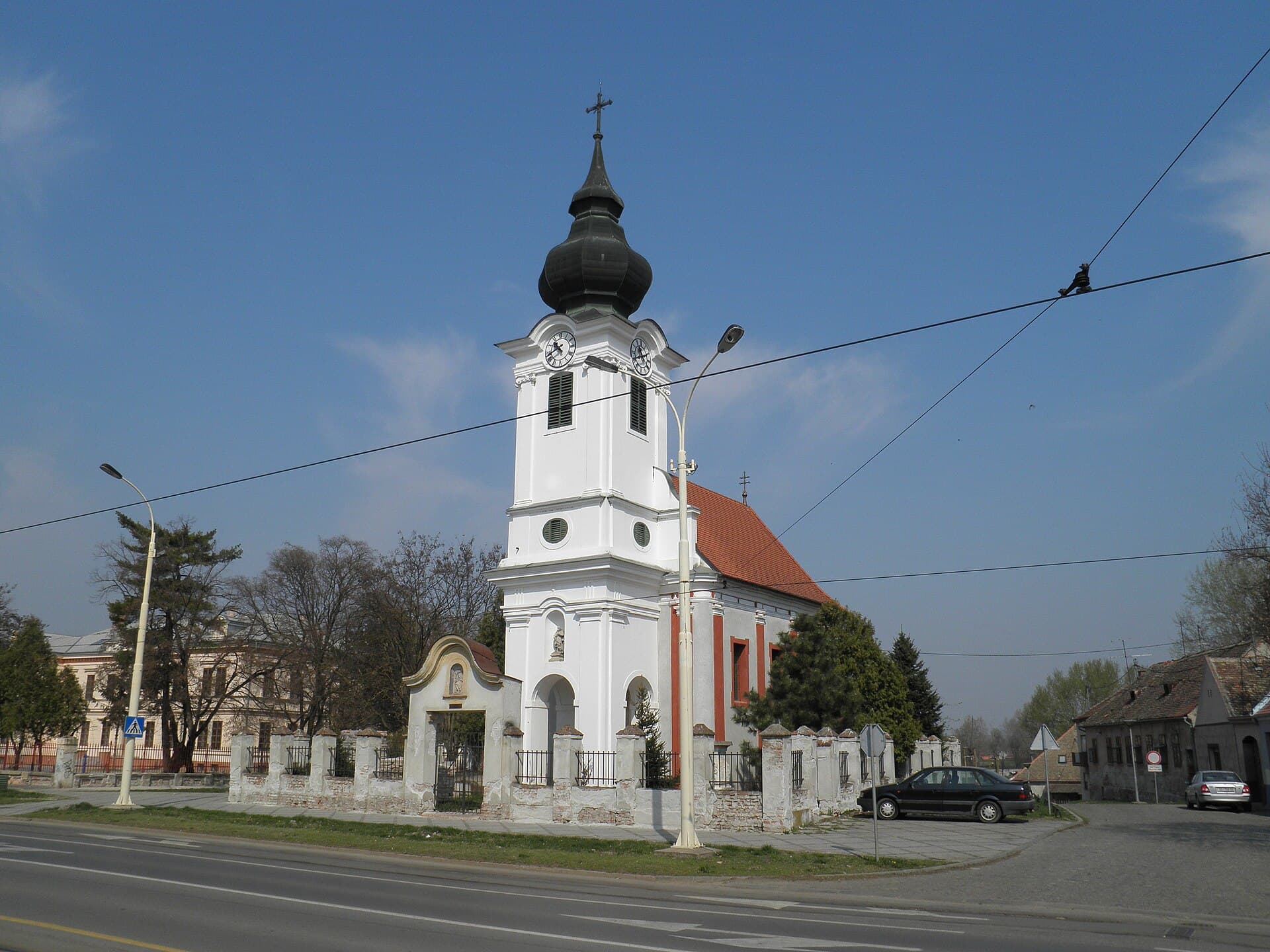
Esterházy Castle in Darda is a three-winged Baroque and Neoclassical residence by Lake Đola, shaped during the 18th and early 19th centuries.
7 km from Čeminac

Stays
No stays listed here yet
Things to do
Direct a walk through Čeminac towards the Church of the Sacred Heart of Jesus in Kolodvorska Street, built in neo-Gothic style in 1906 and 1907. Its construction with proceeds from milk sales illustrates the organisation of the former German Catholic community, while the 2001–2003 rebuilding records wartime destruction and post-war return. Continue towards the village edge to see the working fields that define Čeminac’s agricultural setting. The area’s deeper history is represented by recorded finds of prehistoric and medieval pottery.
Tours and activities
AdAd · partner offers: GetYourGuideThe partner handles booking, payment and support. StayBravo may earn a commission on bookings made through these links.How we choose offersGetYourGuide offers are selected and ordered by GetYourGuide based on the name of the nearest larger town or national park; we do not influence their selection and do not use data about you.GetYourGuide · Osijek
We show GetYourGuide offers once you allow their cookies.
Practical information
Getting there and around
Čeminac has a rail stop on the Osijek–Beli Manastir route, with Darda and Osijek Dravski Most between it and Osijek, and Beli Manastir to the north. In the HŽ Passenger Transport timetable valid from 15 June to 13 December 2025, Čeminac appeared on trains serving this section. An independent timetable listing updated on 30 August 2026 likewise shows Čeminac as an intermediate stop between Beli Manastir and Osijek. Check the current departure before heading to the stop for either Osijek or Beli Manastir.
Frequently asked questions
How far is Čeminac from Beli Manastir?
Čeminac lies 12 kilometres south-east of Beli Manastir.
When was Čeminac’s parish church built?
The local German Catholic community built the Church of the Sacred Heart of Jesus in 1906 and 1907.
Is there a Čeminac stop on the line towards Beli Manastir?
Čeminac is listed on the Osijek–Beli Manastir section, 15 kilometres from Osijek in HŽPP’s official distance register.
Nearby
Čeminac
Open in OpenStreetMap(opens in a new tab)Smaller places
straight-line distance
Related guides

Osijek
Tvrđa and the centre around the main square are distinct starting points for understanding Osijek. The former emphasises the fortified historic quarter and Baroque architecture; the latter…
Read the guide

Vukovar
A cultural visit to Vukovar has several separate centres of gravity. Eltz Palace and the City Museum address the city and its inhabitants across different periods. Vučedol reaches much…
Read the guide

Stubičke Toplice
Stubičke Toplice derives almost its entire identity from thermal water and the Zagorje landscape. There is no large urban historic core; green spaces, bathing facilities and traces of the…
Read the guide
Slavonski Brod
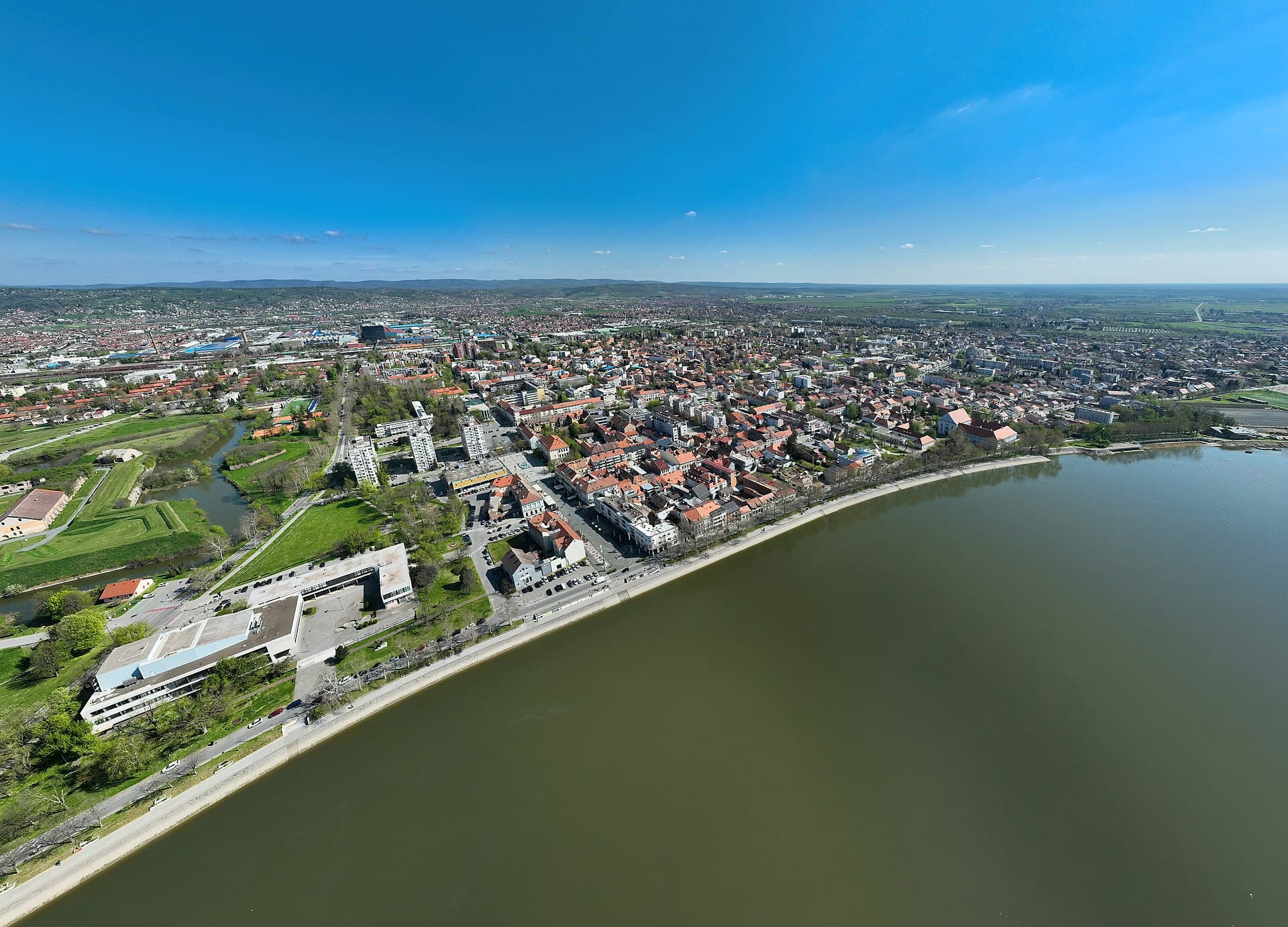
Slavonski Brod developed around one of the major crossings of the Sava, and that border and transport role left a strong mark on the city. Brod Fortress represents the eighteenth-century…
Read the guide
Know Čeminac? Correct us
Tell us in your own words what is not accurate. We check right away.Do not enter personal data. Corrections are checked by the StayBravo AI assistant; changes to the description are approved by an editor. Use the form instead
Do you know Čeminac?
Help the guests who come after you.
Help us complete
Nothing is published without an editor’s review.Report illegal content
Photo credits: Čeminac, Grabovac, Čeminac — IvanOS (CC BY-SA 3.0) · Kozarac, Čeminac — Ivan Molnar (CC BY-SA 3.0) · Darda — Biljanabekic (CC BY-SA 2.5) · Jagodnjak, Church of St. Nicholas — Ljubomir Damjanovic (CC BY-SA 3.0) · Osijek Zoo and Aquarium — Roko Poljak (CC BY-SA 4.0) · St. Roch Chapel in Gornji Grad (Osijek) — Mister No (CC BY 3.0) · Osijek — Rp031 (CC BY-SA 4.0) · Vukovar — Bybbisch94, Christian Gebhardt (CC BY-SA 4.0) · Stubičke Toplice — MOs810 (CC BY-SA 4.0) · Slavonski Brod — Petar Milošević (CC BY-SA 4.0)