About this place
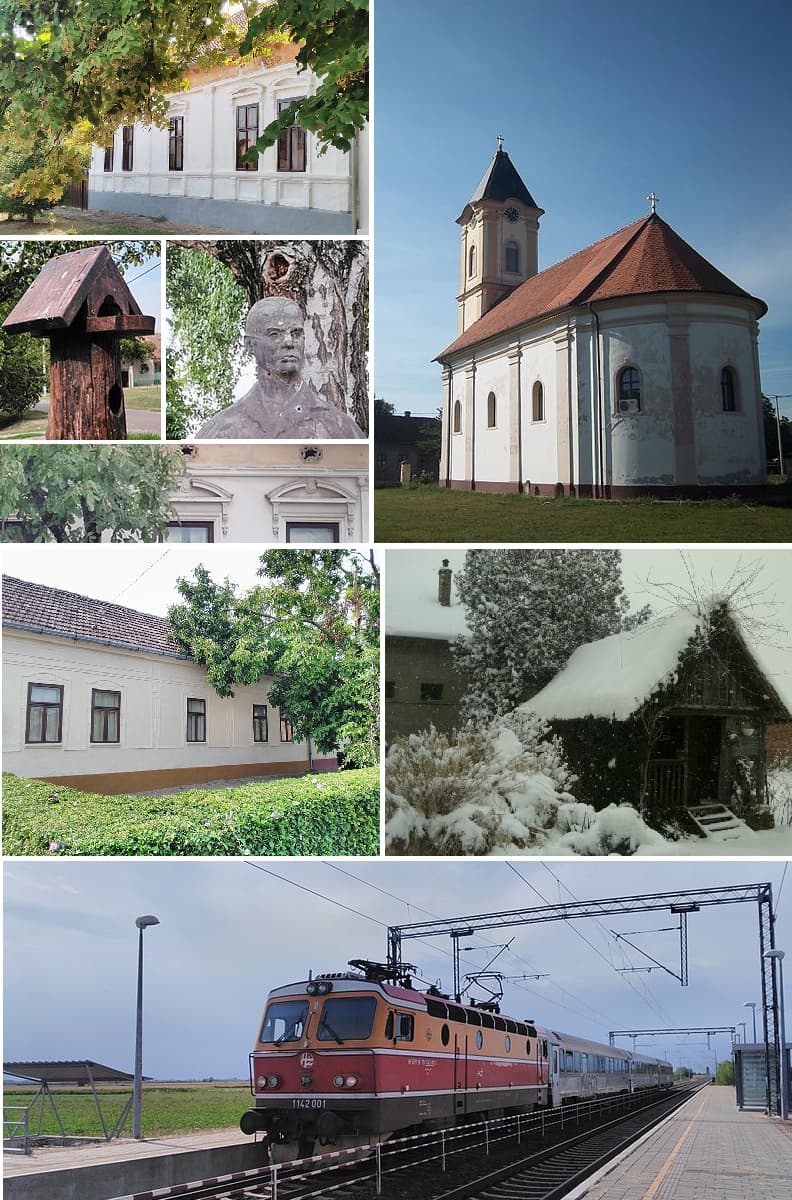
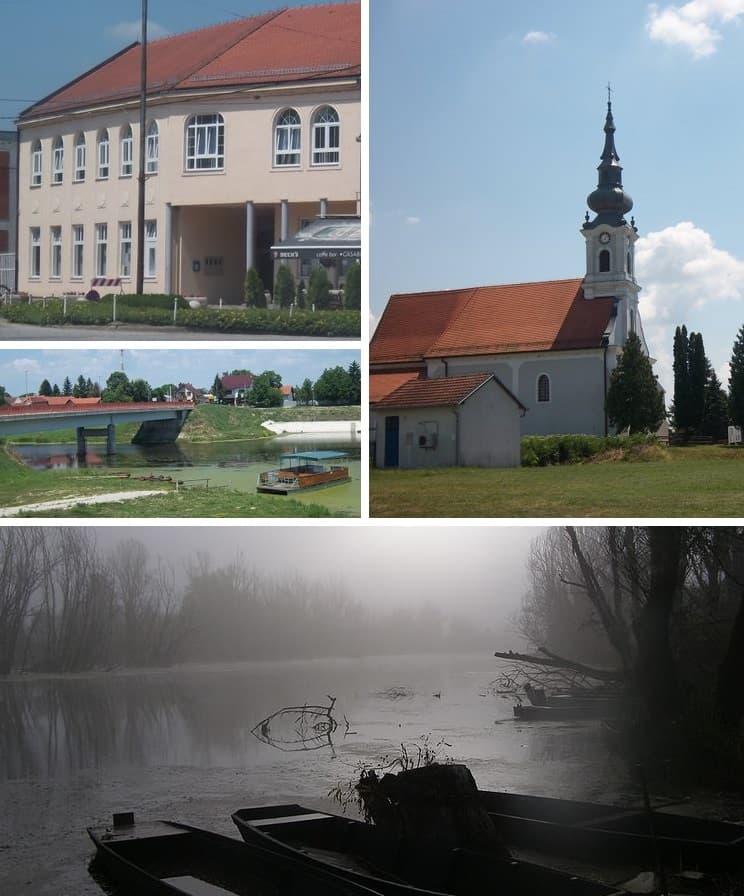
Nijemci occupies the flatlands of western Syrmia beside the Bosut River and on the edge of the vast Spačva forest landscape. The river is more than scenery: trips leave the village centre for the Sopotac recreation area and continue towards the Spačva, with the Sveta Katarina visitor boat forming part of the local birdwatching experience. St Catherine’s parish church stands beside the Bosut on Gradina, a site linking prehistoric occupation, a medieval stronghold and the modern settlement. The early-15th-century Gothic building was later given a Baroque appearance, while archaeology beneath its floor revealed older levels and Roman architectural remains. A nature-focused visit starts at the riverside Arboretum, arranged as a traditional Syrmian garden, then follows the interpretation trail towards Sopotac with 30 panels and six smart benches. The recreation area provides observation towers, birding equipment, barbecue space and a themed children’s playground. Cyclists can continue onto the roughly 44-kilometre Šumama Srijema route. Nijemci is consequently a place for an unhurried encounter with the Bosut, pedunculate-oak country and the birds of the Syrmian plain rather than a circuit of large urban museums.
Nijemci belongs to western Syrmia and the Bosut lowlands, with the settlement developed directly beside the river’s slow course. Its municipality contains eight villages and extends towards the Spačva forest and Croatia’s border with Serbia. Water, fields, traditional farmsteads and pedunculate oak define the local setting, while the Birdwatching Centre has turned this landscape into the principal visitor theme. Nature and history meet at Gradina in the village centre, where St Catherine’s Church stands beside the Bosut above Roman, early-medieval and medieval archaeological layers.
Stays nearby
 Apartment
Apartmeni Klenovica.eu
Klenovica
Klenovica, 328 km from Nijemci
up to 4 guests · 1 bedroom
The host confirms the exact price for your dates and availability.
Things to see
St Catherine’s Church is Nijemci’s principal historic landmark. The present building was erected in Gothic form in the early 15th century and acquired Baroque features in the early 18th century. Excavations beneath the floor uncovered earlier floor levels, graves associated with the Bijelo Brdo culture and Roman architectural remains; Gradina’s preserved ditch also points to a medieval fort and market settlement. Its natural counterpart is the Birdwatching Centre, distributed between the Arboretum and Sopotac. Two observation towers, binoculars, telescopes and an interpretation route introduce the birds of the Bosut and surrounding fields, including herons, storks, kingfishers and white-tailed eagles.
Things to do
Begin at the Arboretum on the Bosut, where shelters, a well and pergolas evoke a traditional Syrmian garden. By St Catherine’s Church, examine the Gradina site and its preserved ditch, then continue along the interpretation trail towards Sopotac. Thirty panels and six smart benches turn the walk or cycle ride into an introduction to the area’s birdlife. At Sopotac, climb an observation tower and use the available binoculars or telescope; the site also provides fishing, barbecue space and a themed playground. A trip aboard the Sveta Katarina shows the Bosut from the water, while stronger cyclists can extend the day onto the roughly 44-kilometre Šumama Srijema route.
Practical information
Practical information
The Nijemci Municipality Tourist Board is at Trg kralja Tomislava 6 and can be reached on +385 32 280 376 or at [email protected]. Contact it in advance for activities dependent on local equipment or organisation, particularly trips aboard the Sveta Katarina and use of Birdwatching Centre facilities. Independent visitors should carry water and sun protection because the route towards Sopotac crosses exposed Syrmian countryside. Binoculars, telescopes and identification guides are associated with the centre and recreation area, while Sopotac also provides barbecue space and a themed children’s playground.
Getting there and around
Nijemci is served by the D57 state road, which runs from Vukovar through Orolik and Nijemci to Lipovac and the A3 motorway interchange. This corridor provides onward access west towards Zagreb or east towards the Bajakovo border crossing within the municipality. A car is unnecessary for the Arboretum, St Catherine’s Church and the central riverfront because these sights cluster beside the Bosut. Sopotac can be approached overland on foot or by bicycle, and by water using a small boat or the Sveta Katarina. Private transport offers the greatest flexibility for the municipality’s outlying villages, the Spačva forest and more distant cycling sections.
Frequently asked questions
Where does the birdwatching route begin?
The nature route can begin at the Arboretum on the Bosut in central Nijemci before continuing towards Sopotac.
Can Sopotac be reached by boat?
Yes, Sopotac is accessible overland or along the Bosut, with the Sveta Katarina used for local visitor trips.
What was found beneath St Catherine’s Church?
Excavations revealed earlier floor levels, graves associated with the Bijelo Brdo culture and remains of Roman architecture.
Does Sopotac have facilities for children?
Sopotac has a themed children’s playground alongside rest, barbecue and birdwatching facilities.
Nearby

Podgrađe, Nijemci
Village · Slavonia

Related guides

Osijek
Tvrđa and the centre around the main square are distinct starting points for understanding Osijek. The former emphasises the fortified historic quarter and Baroque architecture; the latter…
Read the guide

Help improve this page
Spot something missing or wrong? Suggest a correction, add your photo or report a problem. Editors review every suggestion before it is published.
Photo credits
- Nijemci, Podgrađe, Nijemci, Donje Novo Selo, Nijemci, Đeletovci, Banovci — MirkoS18 · CC BY-SA 3.0 · Wikimedia Commons
- Vinkovački Banovci, Ilača — MirkoS18 · CC BY-SA 4.0 · Wikimedia Commons